Cat Zoomies at Night: How to Get Better Sleep
Why Cats Are Active at Night
Cats are crepuscular — most active at dawn and dusk. Indoor cats who sleep all day have pent-up energy that explodes at 2 AM.
Resetting the Internal Clock
Evening Play Sessions
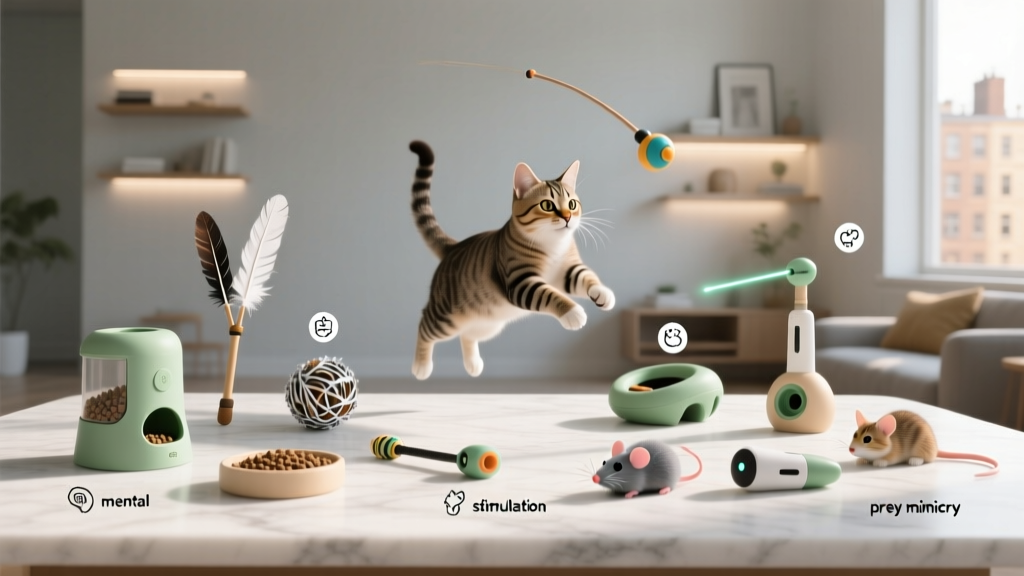
A vigorous 15-20 minute play session right before bedtime is the most effective solution. Use wand toys or laser pointers to get your cat running. End with a meal — the hunt-catch-eat-groom-sleep sequence is deeply ingrained.
Daytime Stimulation
- Food puzzles: Leave puzzle feeders before you leave for work.
- Window entertainment: Bird feeders outside windows.
- Automatic toys: Timed toys that activate during the day.
- Cat TV: Videos of birds and squirrels on a tablet.
Managing the Environment at Night
- Close the bedroom door: Physical separation is the simplest solution.
- Automatic feeder at 4 AM: Set before their usual wake-up time.
- Ignore attention-seeking: Any response (even "no") reinforces the behavior. Complete ignoring for 2-3 weeks usually works.
When It's a Medical Issue
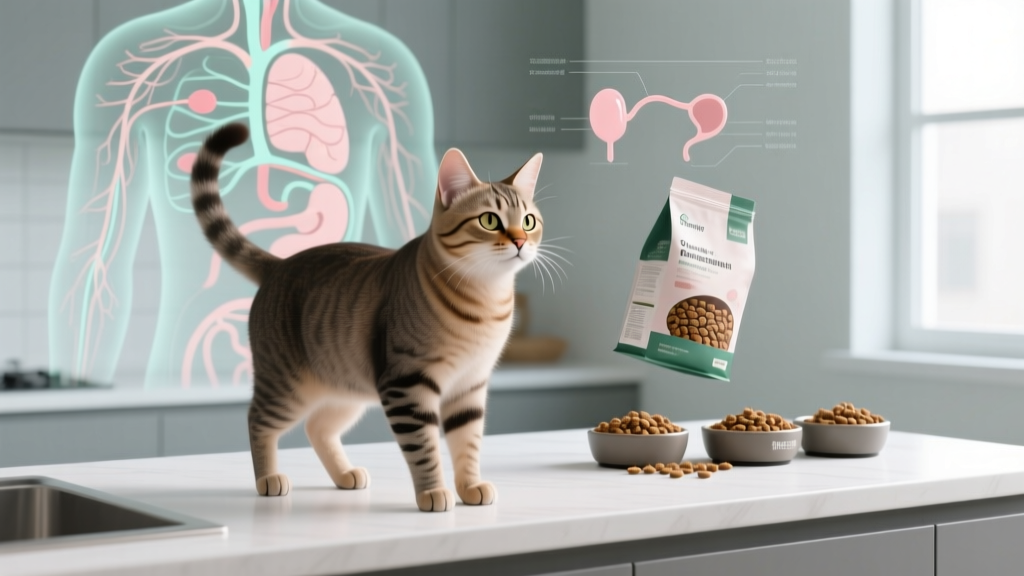
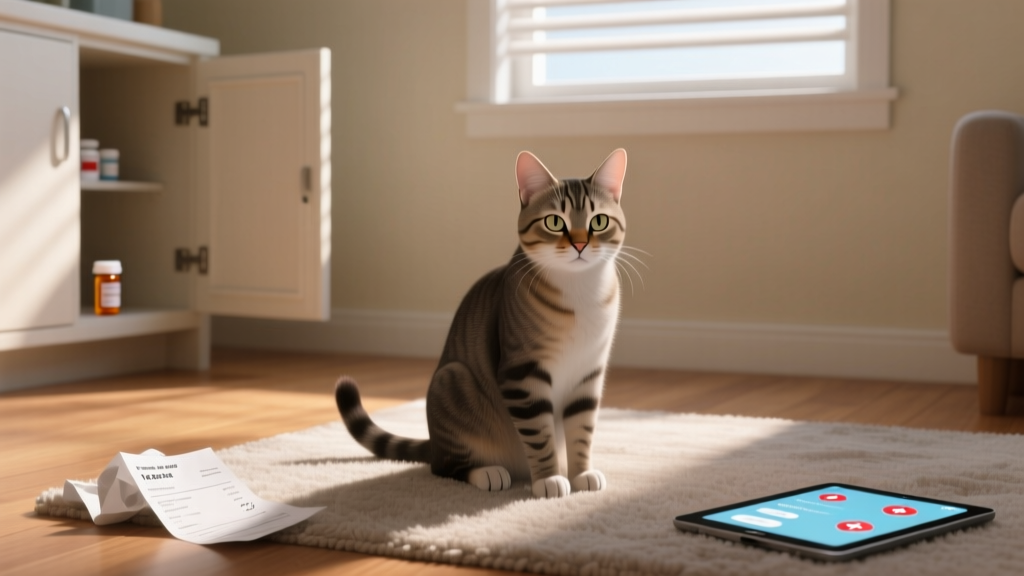
Sudden nighttime activity in senior cats may indicate:
- Hyperthyroidism: Causes restlessness and increased activity.
- Cognitive dysfunction: Confused cats pace and vocalize at night.
- Hypertension: Headaches worsen at night.
If nighttime activity starts suddenly in an older cat, schedule a vet visit.
What Doesn't Work
Punishment doesn't address the underlying cause and damages your bond. Sedatives without veterinary guidance are dangerous. Proactive management is needed.