Cat Meowing at Closed Doors: Curiosity Drive
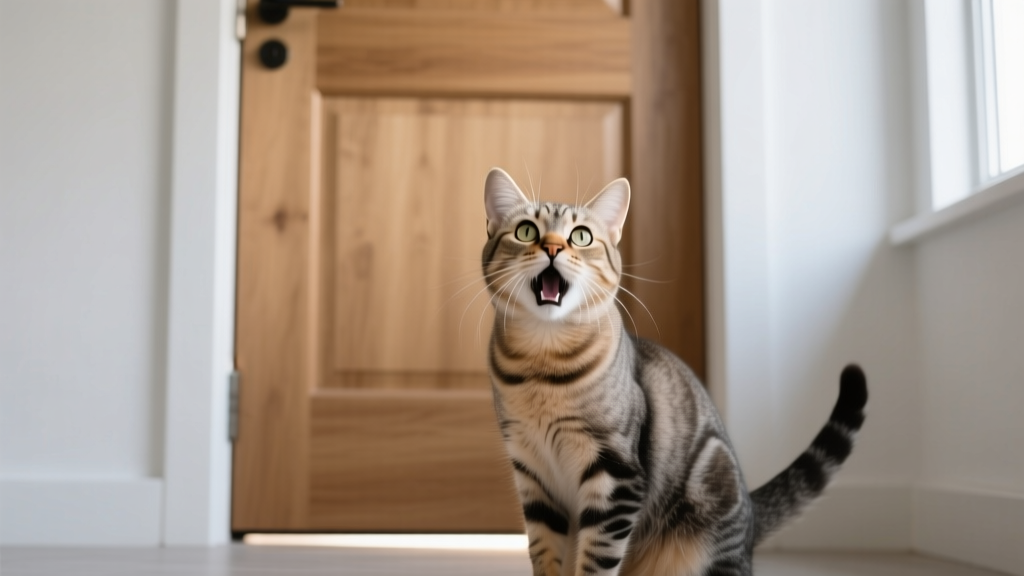
You’re on a work call, your bedroom door is closed for once, and everything is peaceful… for about three minutes. Then it starts: a polite mrrp. Another. A longer, slightly offended MEOW. A paw slides under the door like a tiny furry crowbar. If you ignore it, the soundtrack escalates into a full performance—complete with dramatic pauses, scratching, and the kind of yowl that makes you wonder if your cat has started a one-cat protest movement.
If this sounds familiar, you’re not alone. Cats meowing at closed doors is one of those classic “Why are you like this?” behaviors—half hilarious, half maddening. The good news: it usually isn’t random. It’s a mix of curiosity, control of territory, social bonding, and (yes) a dash of learned behavior. Understanding the “why” helps you respond in a way that keeps your cat happy and keeps you sane.
Why Cats Meow at Closed Doors: The Science and the “Cat Logic”
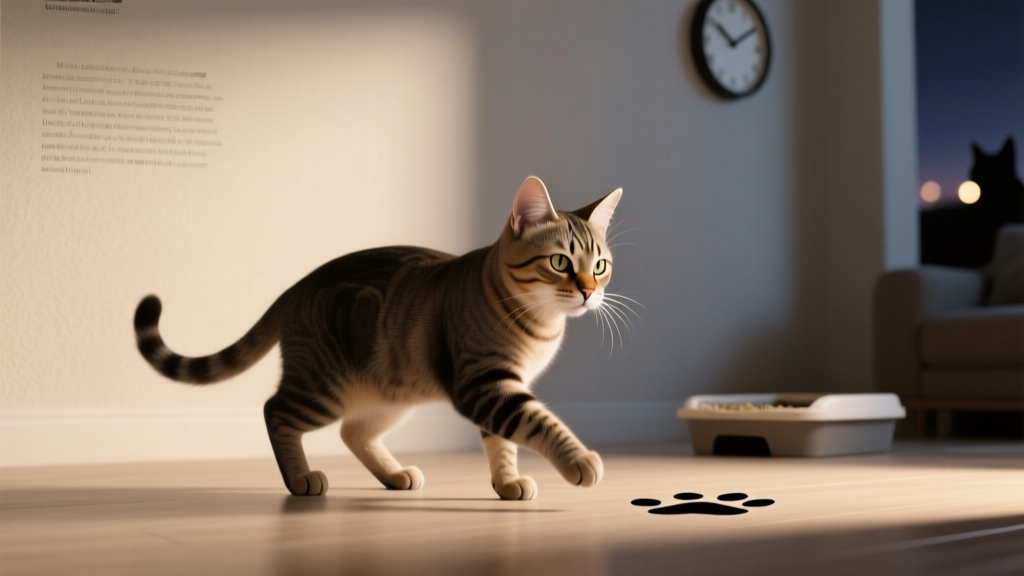
Cats evolved as solitary-but-social hunters who survive by knowing what’s happening in their environment. In the wild, a closed-off area could hide prey, predators, or resources. That instinct to monitor and investigate hasn’t vanished just because your cat now lives with central heating and a steady supply of chicken-flavored treats.
Here are the main drivers behind the closed-door obsession:
- Curiosity and information-gathering: Cats are natural investigators. A closed door blocks sight, scent, and sound cues. If something changes—your voice, footsteps, the shower running—your cat wants details.
- Territory management: Your home is your cat’s territory. A door creates a “missing zone” they can’t patrol, sniff, or mark with cheek rubs. Some cats find that genuinely unsettling.
- Social attachment: Domestic cats form strong bonds. If their person disappears behind a door, it can trigger “Where did my social partner go?” behavior—especially with cats who like to shadow you.
- Control and access: Cats are big on controlling their options. A closed door removes choice, and many cats dislike having their movement restricted.
- Learning history: If meowing has ever opened the door—even once—your cat’s brain stores that as a successful strategy. Intermittent success (sometimes you open it, sometimes you don’t) can make the behavior even more persistent.
So while it may feel like your cat is being dramatic for sport, the behavior often makes perfect sense in feline terms: “A part of my territory is blocked. Something interesting might be happening. My favorite human is in there. I will communicate about this loudly.”
Different Door Situations, Different Meanings
Not all closed-door meowing is the same. Context matters. Here are common scenarios and what’s usually going on.
The Bathroom Door Serenade
You’re in the bathroom and suddenly your cat is auditioning for an opera. Bathrooms are scent-rich areas (water, soap, toothpaste), and many cats are fascinated by running water. Add the fact that you’re stationary and “trapped,” and your cat sees an opportunity for attention—or a concern that you’ve vanished into the mysterious water-room.
What it often means: Curiosity + social attachment + “Hey, you’re in there doing something interesting.”
The Bedroom Door at Night
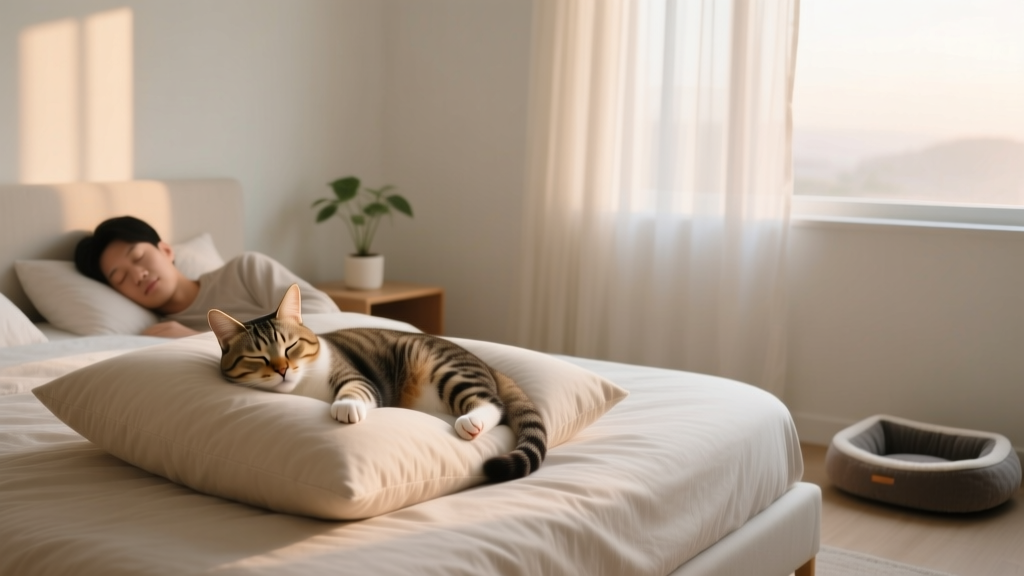
At bedtime, you decide to sleep without a cat on your pillow. Your cat disagrees. Nighttime is when many cats get a second wind, and a closed bedroom door can feel like a major boundary change.
What it often means: Access frustration, routine disruption, or separation distress (not always full anxiety, but a strong preference for proximity).
The “Guest Room” or “Forbidden Room” Fixation
Maybe it’s a closet, a spare room, or the office where you keep plants you don’t trust your cat around. The more consistently it’s blocked, the more intriguing it can become.
What it often means: Novelty-seeking and territory curiosity—cats are drawn to what they can’t inspect.
You’re on the Other Side of the Door Talking
Cats pay attention to voices. If you’re laughing, talking, or on a call behind a closed door, your cat may interpret it as social activity they’re excluded from. Some cats also respond to the change in your voice tone (call voice vs. normal voice).
What it often means: Social curiosity and attention-seeking—“Who are you talking to and why not me?”
The Door to the Outside
Meowing at the front door or patio door is its own category. Outdoor sights and smells are irresistible, and some cats learn that doors are portals to adventure.
What it often means: Environmental stimulation seeking—especially in high-energy, confident cats.
What Your Cat’s Mood Might Be Saying
Meowing is communication, but the emotional “flavor” depends on body language and sound style. Look for these clues:
- Curious and upbeat: Tail up, ears forward, sniffing at the crack under the door, short “mrrp” meows. This is your cat investigating.
- Frustrated: Repeated louder meows, pawing, scratching, pacing. They want access and aren’t getting it.
- Anxious or distressed: Long, drawn-out yowls, wide eyes, body low, frantic scratching, or persistent behavior that doesn’t stop even after you reassure them. This can happen in cats that are very bonded or sensitive to change.
- Playful manipulation (yes, really): Your cat meows, you open the door, and they casually walk away like nothing happened. This is often a cat who has learned: “That sound moves humans.”
If you want the most accurate read, consider the whole pattern: How quickly do they settle once the door opens? Do they rush in and check the room (curiosity), demand petting (attention), or cling to you (attachment)?
Related Behaviors You Might Notice
Closed-door meowing often travels in a little behavior bundle. You may also see:
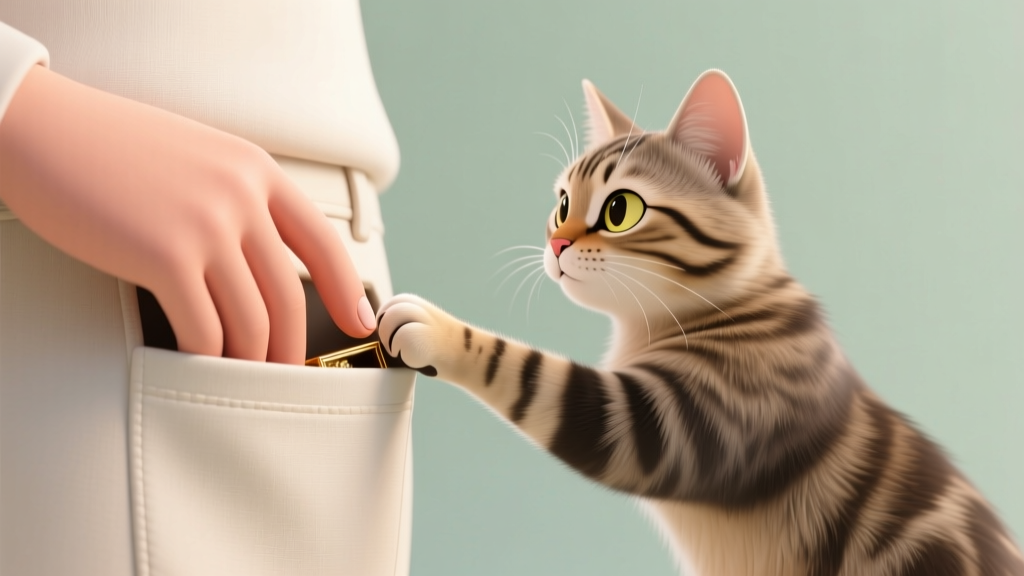
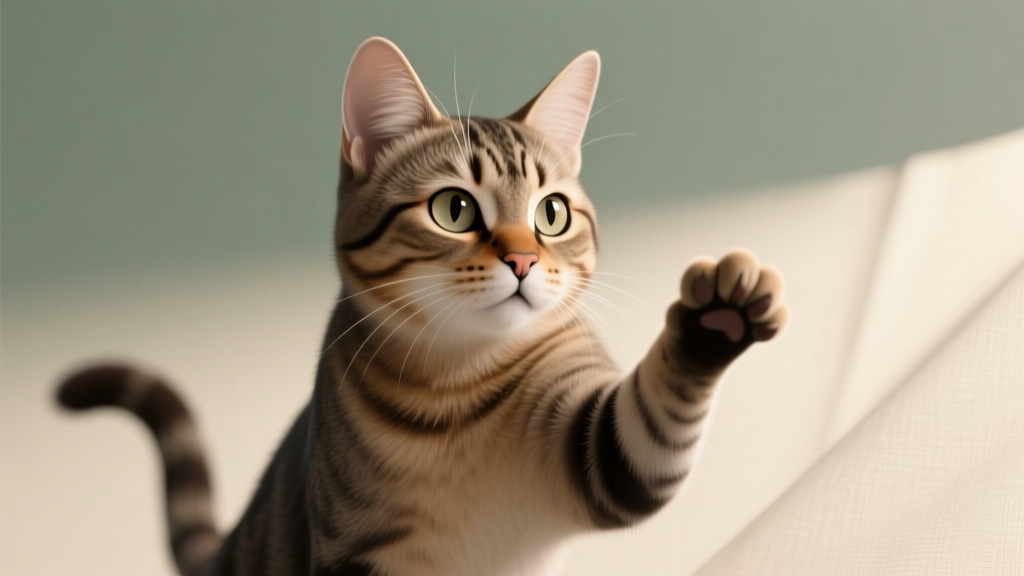
- Pawing under the door: A combination of exploration and an attempt to make the barrier “do something.”
- Doorframe scratching: Sometimes it’s frustration, sometimes it’s a displacement behavior (stress relief), and sometimes it becomes habit.
- Waiting like a tiny bouncer: Sitting outside the door, staring at it, as if they’re guarding it.
- “Escort service” behavior: Following you room to room and protesting when access is blocked.
- Vocal escalation: If quiet meows don’t work, some cats “turn up the volume.”
Normal… or a Concern?
Most closed-door meowing is normal cat behavior. It becomes more concerning when it’s intense, sudden, or paired with other red flags.
Usually normal
- It happens in predictable situations (bathroom, bedtime, forbidden room).
- Your cat settles quickly once the door opens or once you redirect them.
- Body language looks curious or mildly annoyed, not panicked.
Worth paying attention to
- Sudden increase in vocalizing at doors, especially in an older cat.
- Signs of stress: over-grooming, hiding, changes in appetite, increased aggression, house-soiling, or pacing.
- Separation-related distress: frantic behavior when you’re behind any door, not just one room.
- Pain or medical issues: Some cats vocalize more when they’re uncomfortable (thyroid issues, cognitive changes, urinary discomfort, hearing loss). If the meowing is new, relentless, or accompanied by other changes, a vet check is wise.
Behavior is communication—and sometimes the message is “I don’t feel right.” When in doubt, rule out medical causes first.
How to Respond (Without Accidentally Training Door Screaming)
You can be compassionate and strategic. The goal is to meet your cat’s needs—curiosity, security, enrichment—without turning every closed door into a negotiation.
1) Give them legitimate ways to satisfy curiosity
- Controlled access: If it’s safe, occasionally let your cat inspect the “mystery room” when you can supervise. Curiosity often decreases once the area becomes familiar.
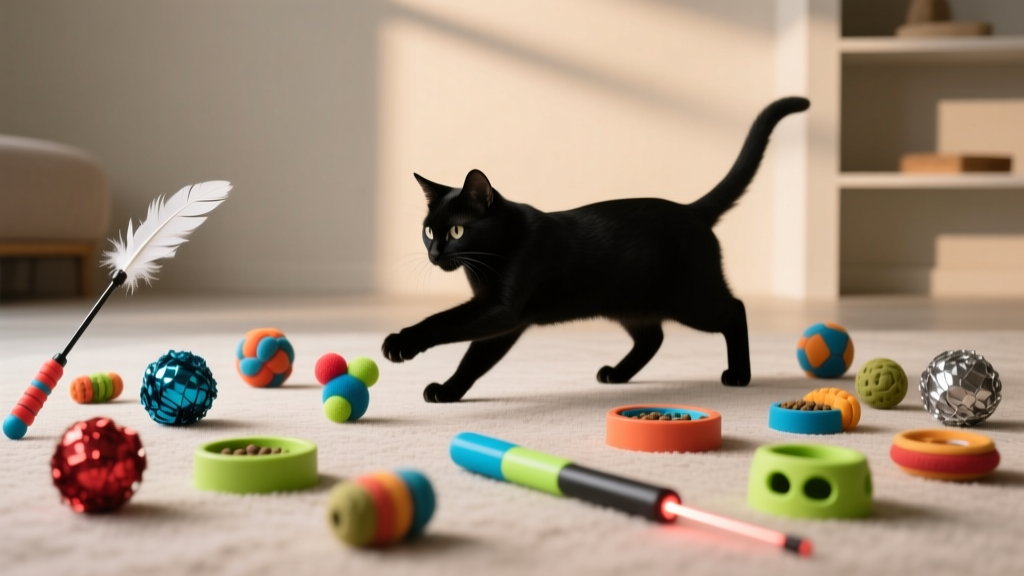
- Scent enrichment: Rotate toys, offer a new cardboard box, or bring in safe novel scents (like a paper bag from the store). Cats love new information.
2) Build a predictable routine around “door times”
If your cat meows at night when you close the bedroom door, create a bedtime ritual: play session (10–15 minutes), then a small snack, then lights out. A tired cat with a full belly is less motivated to hold a hallway concert.
3) Redirect before the meowing peaks
If you know the trigger is coming (you’re about to shower or start a meeting), offer a pre-emptive alternative:
- A treat puzzle or lick mat (supervised, cat-safe).
- A window perch with bird video or outdoor viewing.
- A favorite blanket or bed in a nearby spot.
4) Reinforce calm, not chaos
If you always open the door during loud meowing, your cat learns the fastest way to open doors is to get louder. If it’s safe to do so, wait for a brief pause in vocalizing, then open the door or reward with attention. You’re teaching: “Quiet behavior works.”
5) Protect the door (and your sanity)
- Scratch deterrents: Clear protective film on the doorframe can prevent damage while you work on the behavior.
- White noise: Helpful during calls or sleep, especially if your cat is in a “training phase.”
6) Support independence gently
For clingy cats, gradually practice short “door closes” with something positive on the other side (treats, puzzle feeder, a favorite toy). Think of it as building tolerance, not “teaching a lesson.”
Fun Facts and Research Nuggets
- Cats use meows mostly for humans. Adult cats rarely meow at each other; they reserve much of their meowing for communicating with people. In other words, your cat is speaking “human management.”
- Intermittent rewards create strong habits. If meowing opens the door sometimes, that uncertainty can make the behavior more persistent—similar to how a slot machine keeps people pulling the lever.
- Cats are information addicts. Many feline behaviors—sniffing, peeking, patrolling—are about gathering updates. A closed door blocks updates, and some cats find that unacceptable.
- Personality matters. Bold, social, high-energy cats are often more vocal about barriers. Shy cats might quietly wait, or avoid the door altogether if it feels like conflict.
FAQ: Cat Meowing at Closed Doors
Why does my cat meow at the door but walk away when I open it?
Often it’s about restoring access and control, not necessarily entering. Your cat may want the option to go in, or they may be checking that you’re still available. If this happens frequently, your cat may also have learned that meowing reliably makes you move—mission accomplished.
Should I ignore my cat when they meow at a closed door?
Ignoring can work for attention-seeking meows, but it’s not one-size-fits-all. If your cat sounds distressed, is scratching intensely, or the behavior is new, investigate first. A balanced approach is best: meet real needs (play, enrichment, reassurance), then avoid rewarding the loudest meowing by opening the door only during a quiet moment.
Is my cat experiencing separation anxiety?
Maybe, but not always. Mild protest at closed doors is common. Separation-related distress is more likely if your cat panics when you’re out of sight, vocalizes excessively, won’t eat when alone, or shows stress behaviors like inappropriate urination or destructive scratching. If you suspect this, talk to your vet and consider a certified cat behavior professional.
Why is my cat obsessed with the bathroom?
Bathrooms are full of interesting smells and sounds, and they often contain water—cat magnet material. Plus, you’re a captive audience in there. Many cats also feel safer following you into smaller spaces where they can monitor you closely.
How can I stop my cat from scratching under the door?
Provide an approved scratching outlet nearby (a vertical post and a horizontal scratcher), use a door draft stopper or protective film to reduce reinforcement from the door itself, and redirect your cat with play or a puzzle feeder before the scratching starts. If it’s stress-based, address the underlying insecurity with routine and enrichment.
Do some breeds meow at doors more than others?
Vocal breeds (like Siamese-type cats) and highly social individuals may be more likely to complain about barriers. But any cat can develop the habit if it works—especially if door-opening becomes part of a daily pattern.
Closed doors are, in your cat’s mind, suspicious by design. Sometimes the meowing is pure curiosity—sometimes it’s frustration or a request for togetherness. With a little detective work (and a little strategy), you can reduce the door drama while keeping your cat’s need for information and connection satisfied.
Does your cat sing outside the bathroom? Demand entry to “forbidden rooms”? Or do the classic “meow-meow-meow… never mind” routine? Share your funniest (or most puzzling) closed-door stories with the Cat Lovers Base community at catloversbase.com.