Cat Greeting Ritual: Tail Up and Forward Approach
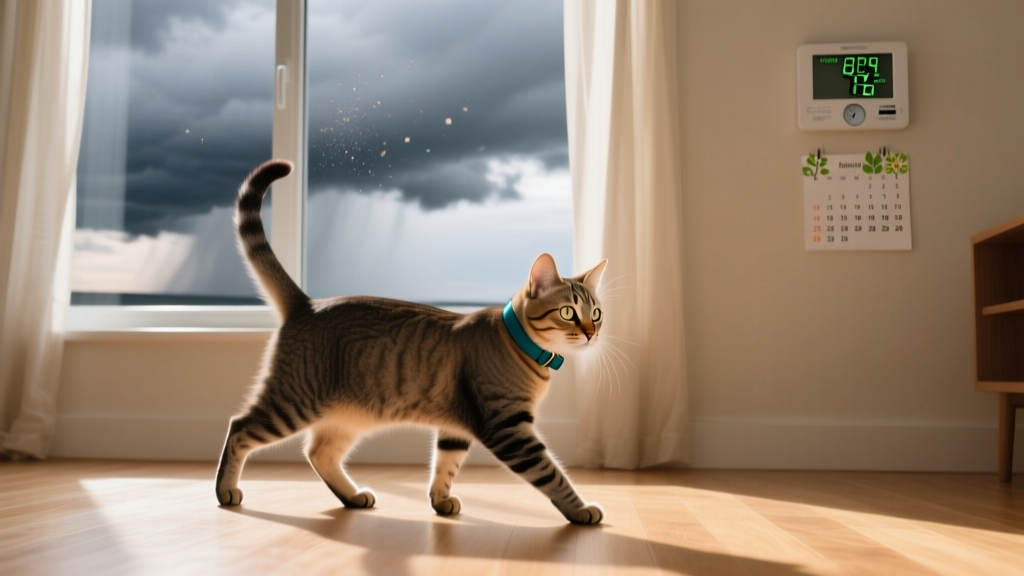
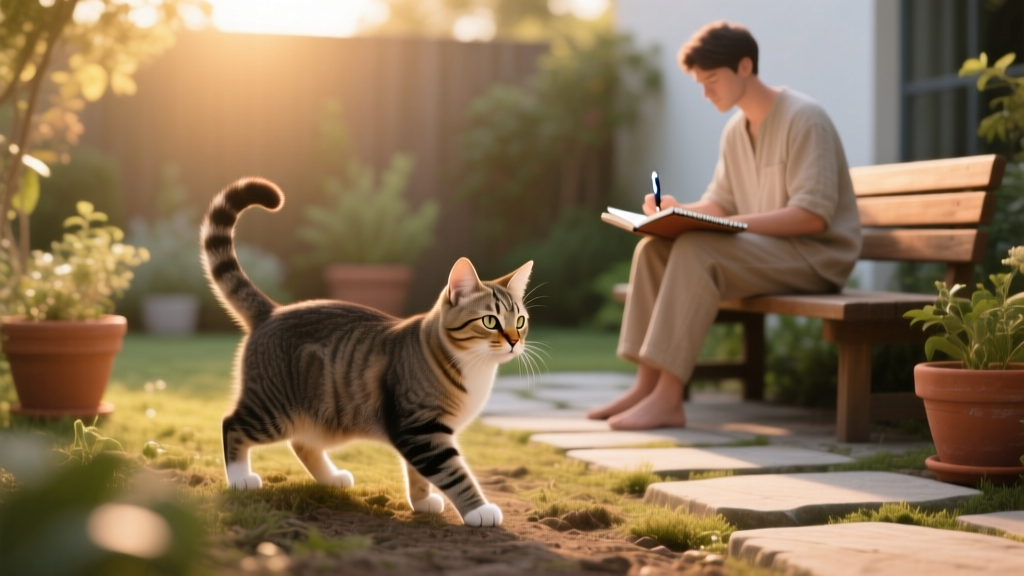
You’re on your way to the kitchen when you hear it: the soft padding of paws behind you. You glance down, and there’s your cat—marching toward you with their tail held straight up like a tiny flagpole, sometimes with a little hook at the tip. They may even do a gentle “drive-by” rub against your leg as if they’re checking you in at the front desk. No meowing required. No fanfare. Just that confident, upright tail and a purposeful, forward approach.
If you’ve ever wondered, “Is my cat happy to see me… or are they just here because I’m associated with food?” you’re in good company. The tail-up greeting is one of the most meaningful, warm, and surprisingly social signals cats offer—especially to humans they trust.
Why Cats Do This: A Quick Evolutionary and Scientific Backstory
Domestic cats may be solitary hunters by nature, but they’re not antisocial robots. They have a whole toolkit of social signals, and the upright tail is one of the clearest. In feline communication, posture is powerful. A cat’s tail position broadcasts emotional intent—friendly, fearful, uncertain, or aroused—long before any hiss or purr enters the scene.
The “tail up” posture is widely recognized as an affiliative signal: a friendly, non-threatening message that says, “I’m comfortable here.” In cat-to-cat interactions, kittens often approach their mother with tails up. As cats mature, they use the same posture with familiar cats and bonded humans. In other words, it’s not a random quirk—it’s a social greeting with roots in early life and social bonding.
There’s also a scent-communication angle. Cats are, in many ways, walking scent maps. They use facial glands, paw pads, and body rubbing to exchange information and maintain group scent identity. A tail-up approach often sets up the next step: bunting (head rubs), flank rubs, or a quick tail brush against you—basically, “Hello, you’re part of my world.”
Breaking Down the Tail-Up and Forward Approach: What It Looks Like in Real Life
The classic greeting ritual can show up in a few different “flavors.” Watching the details—speed, body tension, ear position, and what happens next—helps you read the room.
1) The Confident Strut
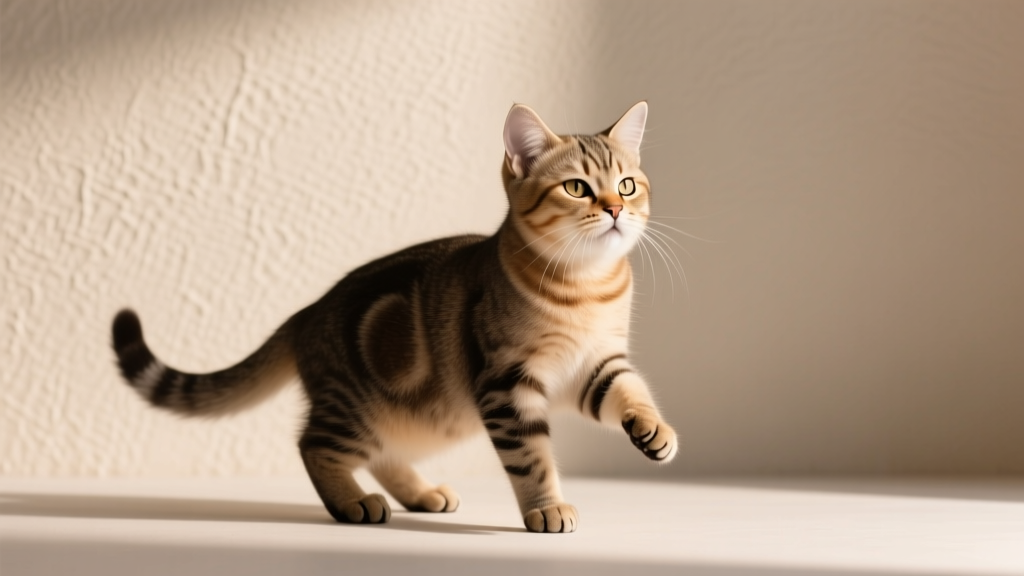
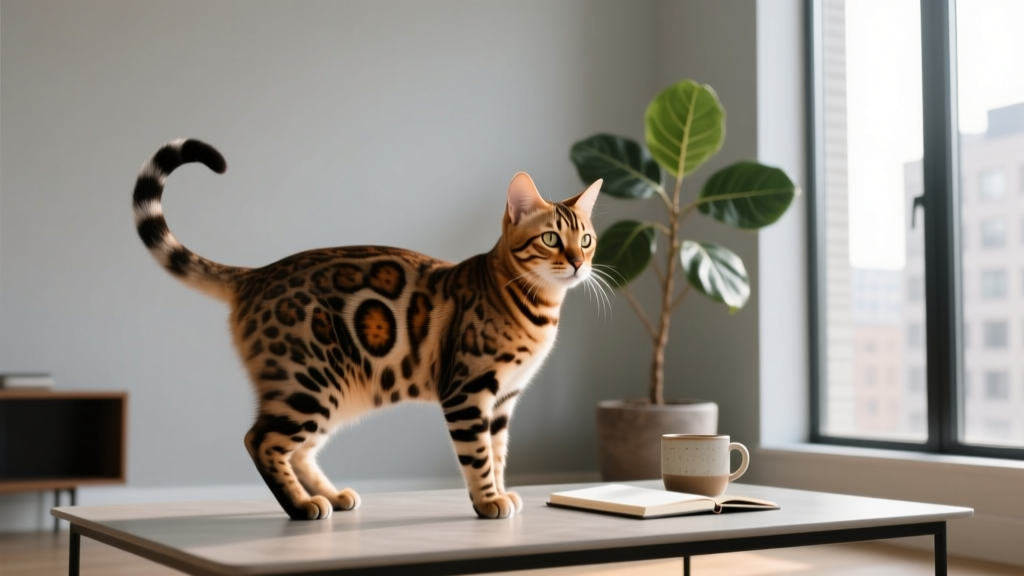
What you see: Tail straight up, relaxed body, normal walking pace, soft eyes, ears forward or neutral. Often followed by a rub or head bump.
Real-life example: You come home from work. Before you even put your bag down, your cat trots over, tail upright, and leans into your shin like they’re signing your guestbook.
What it usually means: “I’m happy you’re here. You’re safe. I’m safe.” This is your cat choosing connection.
2) The Tail-Up With a Little Hook or Quiver
What you see: Tail up, tip curled like a question mark, or a small quiver when they get close (sometimes called “tail quivering”).
Real-life example: Your cat approaches with a perky tail, pauses, and the tail trembles for a moment while they look up at you.
What it usually means: High positive arousal—excitement, anticipation, friendly intensity. Some cats do this when they’re very pleased or when they’re greeting a favorite person.
3) The Slow, Polite Approach
What you see: Tail up but not rigid, movements slower, perhaps a brief pause a few feet away, then a gentle approach.
Real-life example: You’re hosting a calm friend your cat has met a few times. Your cat approaches, tail up, takes a moment, and then offers a quick head rub.
What it usually means: Friendly but thoughtful. Your cat is gathering information and choosing to engage.
4) The Tail-Up “Request Greeting”
What you see: Tail up, the cat walks directly in front of you and stops—sometimes dramatically—forcing you to acknowledge them.
Real-life example: You’re trying to make the bed. Your cat strolls in, tail straight up, and parks themselves exactly where the fitted sheet needs to go.
What it usually means: “Interact with me.” This can be affection, a request for attention, or a gentle demand for food/play.
What the Tail-Up Greeting Says About Your Cat’s Mood
A tail held up during an approach is one of the clearest indicators of comfort and positive intent. Think of it as your cat’s version of an open, relaxed smile—except it’s communicated through posture rather than facial expression.
- Trust: Your cat feels safe enough to approach without defensive signals.
- Social interest: They’re choosing interaction rather than avoiding it.
- Friendly confidence: Tail-up cats are often saying, “I belong here, and you do too.”
- Positive expectation: They may anticipate petting, play, conversation, or yes—snacks.
One helpful nuance: tail-up doesn’t always mean “pet me right now.” It means “friendly greeting.” Some cats want touch immediately; others simply want to pass close, rub once, and move on like a busy neighbor saying hi.
Related Behaviors You Might Notice (The Full Greeting Playlist)
Cats rarely do just one thing. The tail-up approach often comes with a bundle of other affectionate behaviors:
- Bunting: Head-butting or cheek-rubbing to deposit facial pheromones (friendly “this is my person” scent-marking).
- Leg weaving: Walking between your ankles, sometimes nearly tripping you. Clumsy? Yes. Social? Also yes.
- Tail wrap or tail brush: A tail gently touching your leg can function like a cat “handshake.”
- Slow blink: Soft eyes and a slow blink often appear during or after greeting; it’s a signal of comfort.
- Flop-and-roll nearby: Some cats drop to the floor after greeting. This can mean relaxation and happiness, not always a belly-rub invitation.
- Purring: Common during greetings, though purring can also occur with stress—context matters.
When Tail-Up Is Normal vs. When to Pay Attention
Most of the time, the tail-up approach is wonderfully normal. Still, it’s worth watching for changes in your cat’s baseline behavior.
Normal and healthy
- Tail up with a relaxed body and friendly rubbing
- Approach is smooth and confident
- Ears neutral/forward, whiskers relaxed
- Your cat can disengage easily and isn’t frantic
Potential concern signs
- Tail up but body tense: Stiff legs, tight back, dilated pupils, ears sideways or flattened could suggest overstimulation or uncertainty.
- Sudden change: A cat who used to greet you tail-up but stops abruptly may be stressed, in pain, or experiencing changes in the home environment.
- Vocal urgency plus restlessness: If the greeting looks frantic—pacing, excessive meowing, agitation—consider hunger, stress, or a medical issue.
- Tail quivering with spraying: Tail quiver can be happy excitement, but if paired with urine marking (especially on vertical surfaces), it may indicate stress, territory concerns, or hormonal factors (intact cats).
If your cat’s greeting behavior changes alongside appetite changes, hiding, litter box issues, or sensitivity to touch, a veterinary check is a smart next step. Behavior is often the first place cats show “something feels off.”
How to Respond (and Encourage More of This Friendly Social Behavior)
If you want more tail-up greetings—and a stronger bond overall—the goal is to reward your cat’s social confidence without overwhelming them.
- Pause and let them finish the ritual: If your cat approaches tail-up, try not to immediately scoop them up. Let them rub first if they want to.
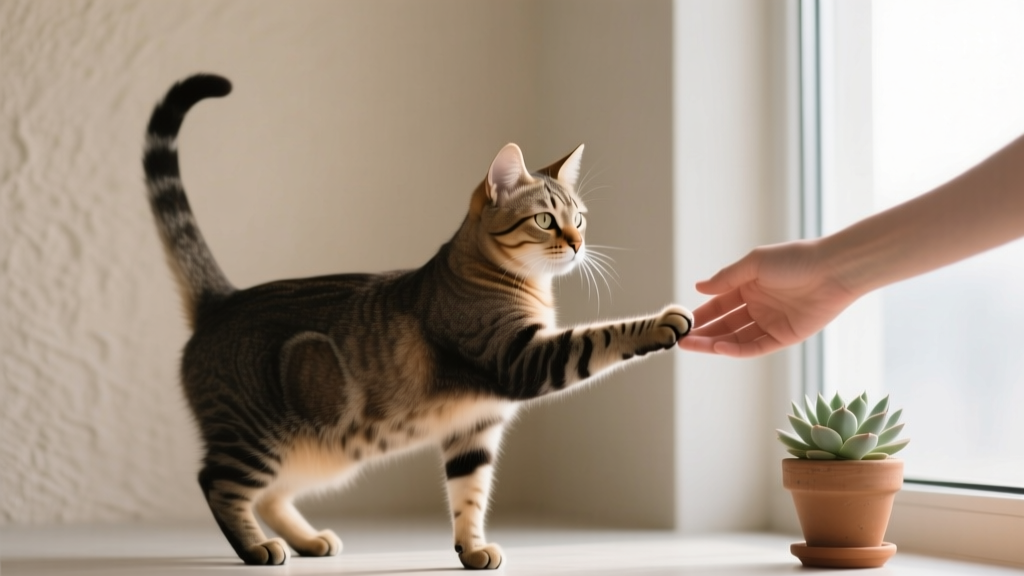
- Offer a “cat-style hello”: Hold out a relaxed finger at their nose level. If they lean in, you’re invited. If they don’t, no worries.
- Pet in the safest zones: Many cats prefer cheeks, under the chin, and head/shoulders during greetings. Save full-body strokes for cats who clearly enjoy it.
- Use your voice consistently: A calm “hi” or gentle chat can become part of the ritual. Cats learn patterns quickly.
- Reinforce with tiny rewards: If your cat greets you nicely, a small treat or a short play session teaches them that friendly approaches pay off.
- Respect the exit: If your cat greets you and then walks away, that’s still a successful social interaction. Let it end on their terms.
One of the best relationship hacks: notice what your cat does after you respond. Do they lean in more, slow blink, or stay near you? That’s feedback. Cats are constantly voting with their feet.
Fun Facts and Research Notes About Tail-Up Greetings
- It’s a friendly signal cats reserve for trusted relationships: Many cats won’t approach unfamiliar people tail-up until they’ve had time to assess safety.
- The “question mark” tail tip is often a great sign: A tail held high with a curved tip is commonly associated with relaxed friendliness.
- It’s not just cute—it’s communication: Upright tail posture is one of the clearest “I come in peace” messages in cat body language.
- Greeting rituals can become routines: Cats are pattern-lovers. If you consistently respond warmly, they may “schedule” greetings—like meeting you at the door or escorting you to the bathroom (their favorite social club).
FAQ: Cat Tail-Up Greetings
1) Why does my cat walk up with their tail straight up?
Most often it’s a friendly greeting and a sign of comfort. Your cat is approaching with positive social intent—basically saying they feel safe with you and are open to interaction.
2) My cat’s tail is up, but they still swat sometimes. How can that be?
Tail-up can signal “friendly,” but swatting can happen if your cat becomes overstimulated or if the petting style/location isn’t enjoyable. Watch for tension building: skin twitching, tail flicking faster, ears turning sideways, or sudden stiffening. Keep greetings short and stick to cheek/chin rubs.
3) Is tail quivering during a greeting normal?
It can be. Some cats quiver their tail when they’re excited to see you. It becomes more concerning if it’s paired with urine marking, increased anxiety behaviors, or occurs frequently in stressful contexts.
4) Why does my cat greet me tail-up and then bite me?
This is often a mismatch between social enthusiasm and sensory tolerance. Your cat may love the greeting but get overwhelmed by prolonged petting, especially along the back or belly. Try shorter interactions, slower movements, and let your cat initiate the next step.
5) My cat used to greet me like this but stopped. Should I worry?
Any sudden behavior change is worth investigating. Stress (new pet, schedule change, neighborhood cats outside) can cause it, but pain or illness can too. If the change persists more than a few days or comes with other symptoms (hiding, reduced appetite, litter box changes), check in with your veterinarian.
6) Can I teach my cat to greet me with a tail-up approach?
You can encourage it by making your presence predict good things: calm voice, predictable routines, respectful petting, treats, and play. Some cats are naturally more demonstrative than others, but trust-building increases friendly approach behaviors over time.
That tail-up, forward approach is one of the sweetest little rituals cats offer—a moment where they choose connection and say, in cat language, “You’re part of my safe circle.” If your cat has a unique greeting routine (doorway escorts, ankle-weaving, dramatic flops, chirpy hellos), share your story with the Cat Lovers Base community at catloversbase.com. We’d love to hear how your cat says “hi.”