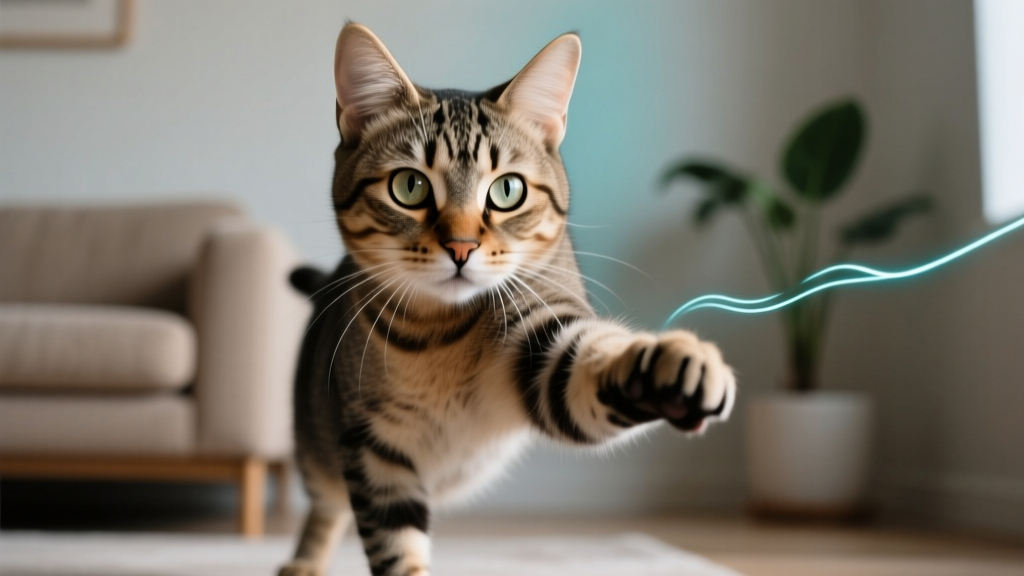
Cat Body Language: A Visual Decoder Guide
Why Body Language Matters
Cats communicate primarily through body language. Understanding their signals helps you respond appropriately, avoid bites, and strengthen your bond.
Tail Positions
- Straight up: Happy, confident, greeting
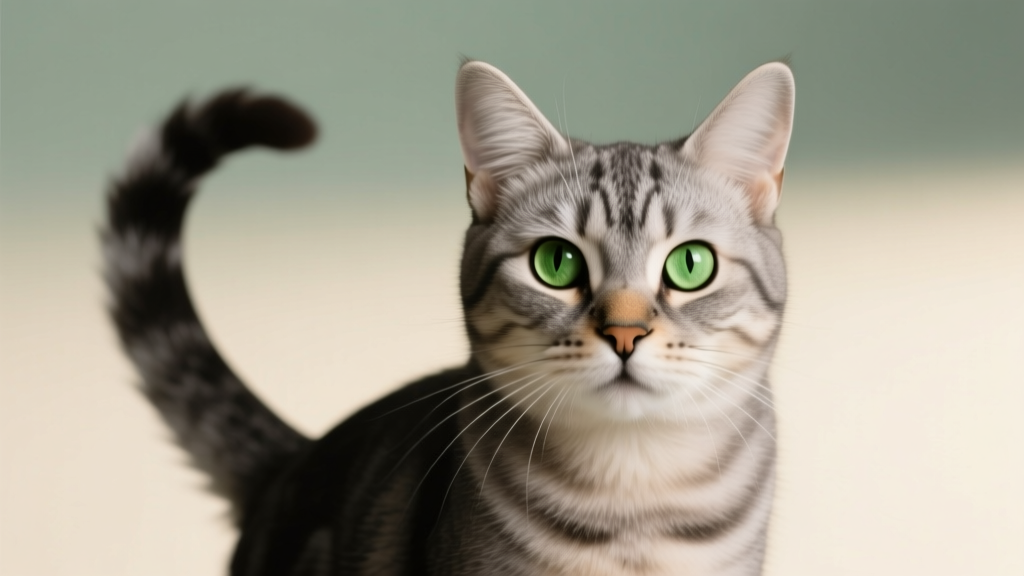
- Question mark curve: Friendly, curious
- Puffed up: Frightened or aggressive (trying to look bigger)
- Low and tucked: Anxious, submissive
- Swishing rapidly: Irritated, overstimulated — back off
Ear Signals
- Forward: Alert, interested, happy
- Slightly back: Relaxed, content
- Flat against head: Fearful or aggressive — do not approach
- Rotating: Listening intently, processing sounds
Eye Cues
- Slow blink: Trust and affection ('cat kiss')
- Dilated pupils: Excitement, fear, or playfulness (check context)
- Constricted pupils: Could indicate aggression or contentment (depends on other signals)
- Staring: Challenge or threat in cat language
Body Posture
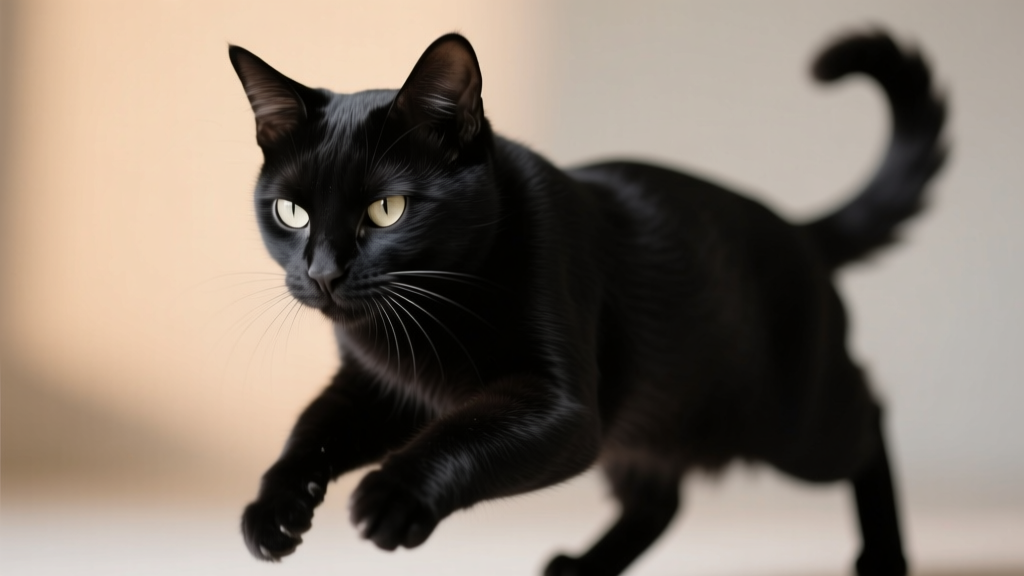
A relaxed cat lies on their side or back (exposing the belly is trust, not an invitation to rub). An arched back with puffed fur means fear. A cat crouched low is preparing to either flee or attack.