Cat Anxiety Signs and Solutions
Recognizing Anxiety in Cats
Cats experience anxiety just like humans, but they express it through subtle behavioral changes rather than obvious distress signals. Understanding these signs is the first step toward helping your cat feel secure.
Common Signs of Cat Anxiety
Physical Signs
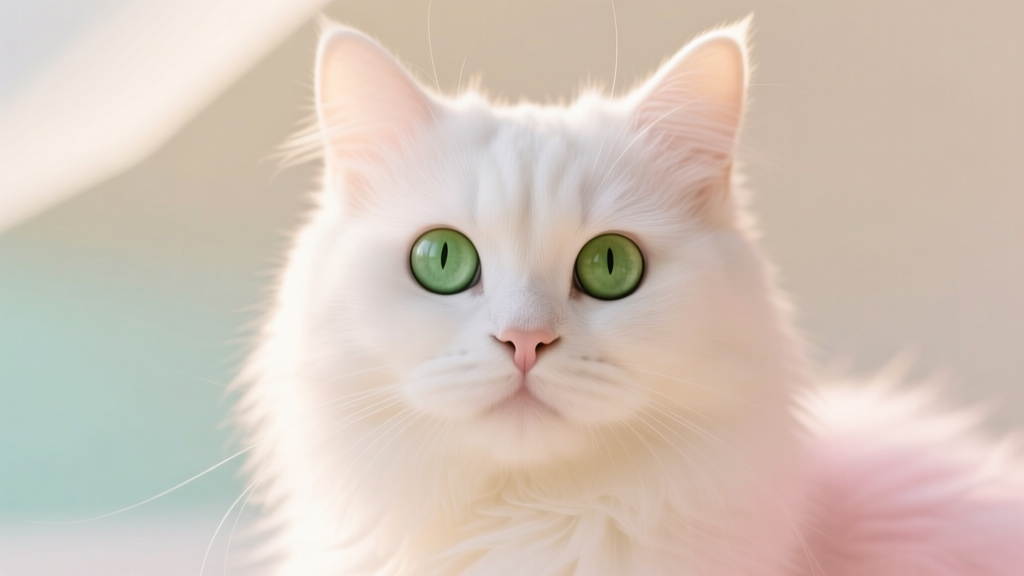
- Dilated pupils even in normal lighting
- Flattened ears or "airplane ears"
- Tail tucked or thrashing
- Excessive shedding (stress shedding)
- Changes in eating patterns
Behavioral Signs
- Hiding more than usual
- Excessive vocalization (yowling, crying)
- Litter box avoidance or spraying
- Over-grooming leading to bald patches
- Aggression toward people or other pets
- Destructive scratching in new locations
- Following owner excessively (clinginess)
Common Anxiety Triggers
- Environmental changes: moving, renovations, new furniture
- New household members: babies, partners, other pets
- Schedule disruptions: owner working from home or returning to office
- Loud noises: thunderstorms, fireworks, construction
- Previous trauma: shelter cats with unknown histories
Proven Calming Solutions
Environmental Modifications
- Create multiple hiding spots (boxes, covered beds, tunnels)
- Provide vertical escape routes (cat trees, shelves)
- Maintain consistent feeding and play schedules
- Use white noise machines to mask startling sounds
Pheromone Therapy
- Feliway Classic — synthetic facial pheromone for general calming
- Feliway MultiCat — for inter-cat aggression and tension
- Feliway Optimum — newest formulation for enhanced anxiety relief
- Use diffusers in rooms where your cat spends the most time
Natural Supplements
- L-theanine (Anxitane) — amino acid that promotes relaxation
- Zylkene — milk protein derivative with calming properties
- CBD oil — emerging evidence supports low-dose use in cats (consult your vet)
When Medication Is Needed
For severe anxiety that doesn't respond to environmental changes and supplements, your veterinarian may prescribe:
- Fluoxetine (Prozac) — for chronic anxiety and compulsive behaviors
- Gabapentin — for situational anxiety (vet visits, travel)
- Trazodone — short-term use for specific stressful events
Medication should always be combined with behavior modification, not used alone.