Cat Stress Relief: 10 Calming Techniques That Work
Understanding Feline Stress
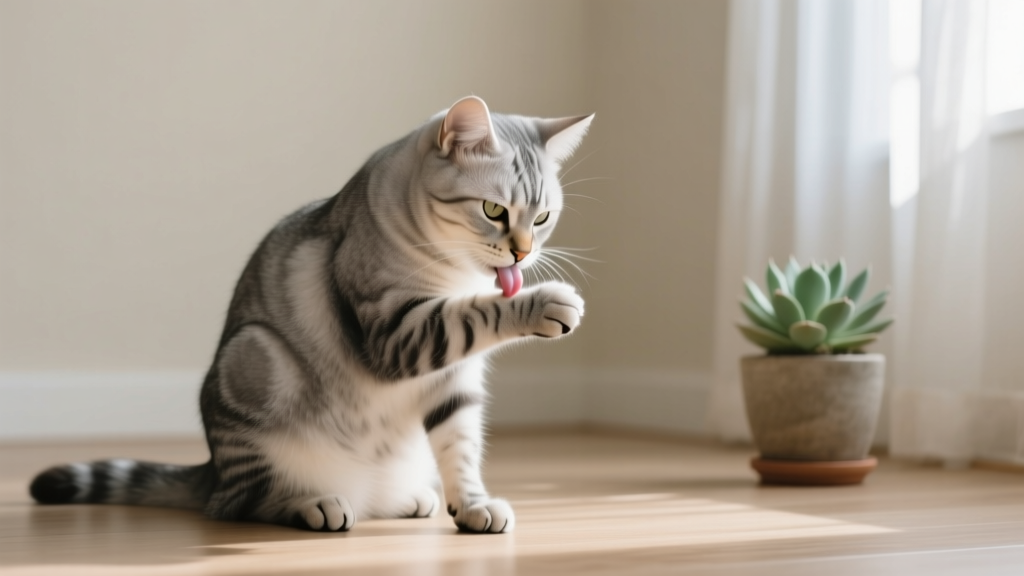
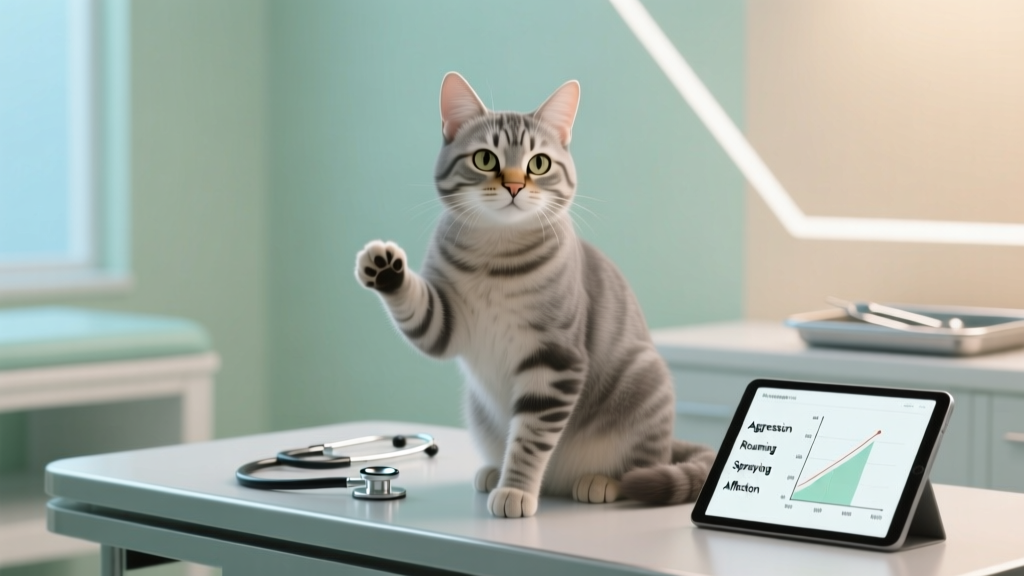
Cats experience stress from environmental changes that humans often overlook: new furniture, altered routines, construction noise, or even a change in laundry detergent. Chronic stress manifests as overgrooming, hiding, aggression, and litter box avoidance.
1. Pheromone Diffusers
Synthetic feline facial pheromone (F3) diffusers release calming signals. Clinical studies show 75-90% reduction in stress behaviors within 4 weeks.
2. Predictable Routines
Feed, play, and interact at consistent times daily. Cats thrive on predictability.
3. Safe Hiding Spaces
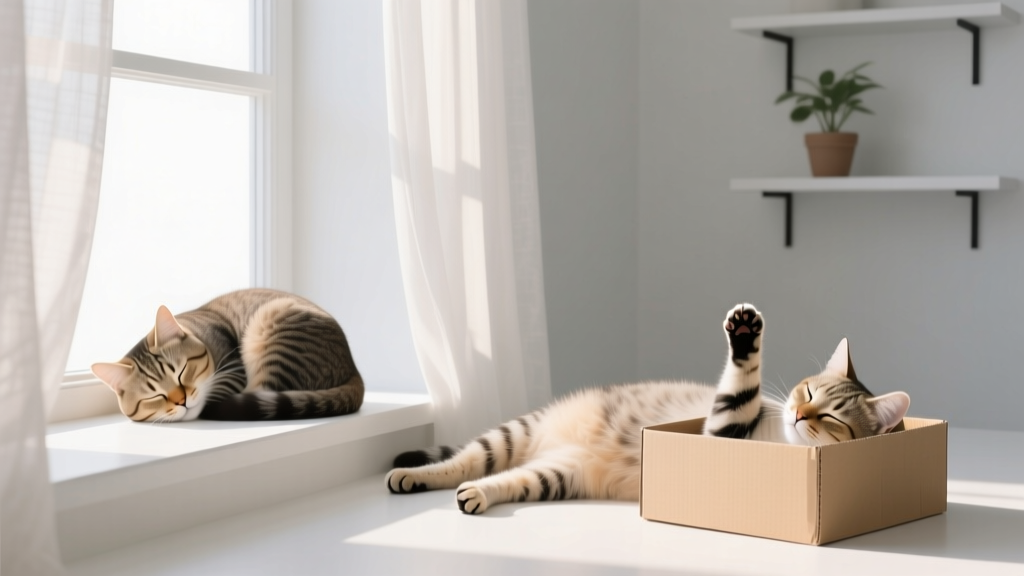
Every cat needs retreat options. Covered beds, cardboard boxes, and elevated hideaways give stressed cats control over their exposure.
4. Gradual Introductions
New people, pets, or furniture should be introduced gradually. Confine cats to a familiar room during major changes.
5. Vertical Escape Routes
Cat trees and shelving provide escape from ground-level stressors like dogs or vacuum cleaners.
6. Interactive Play
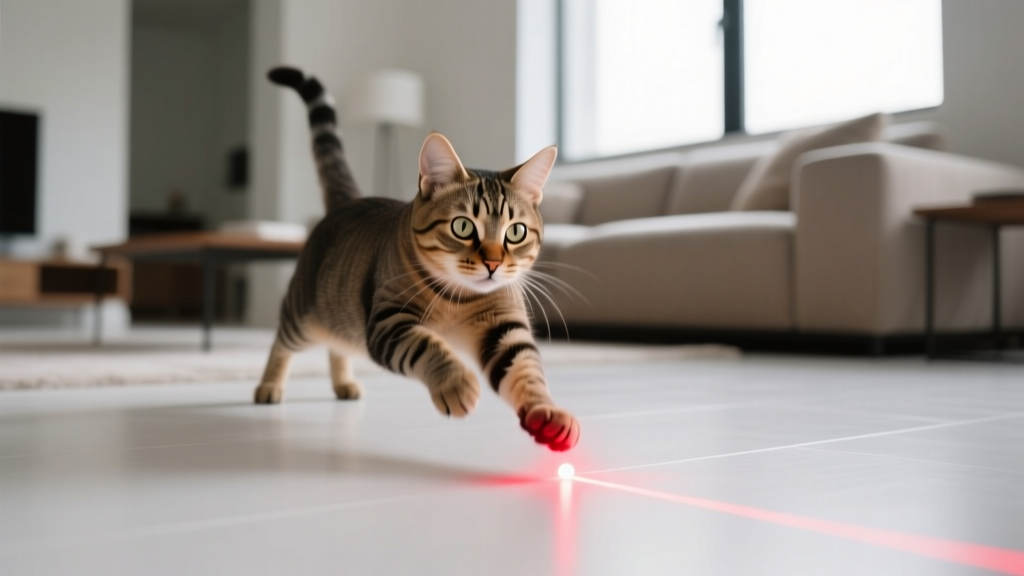
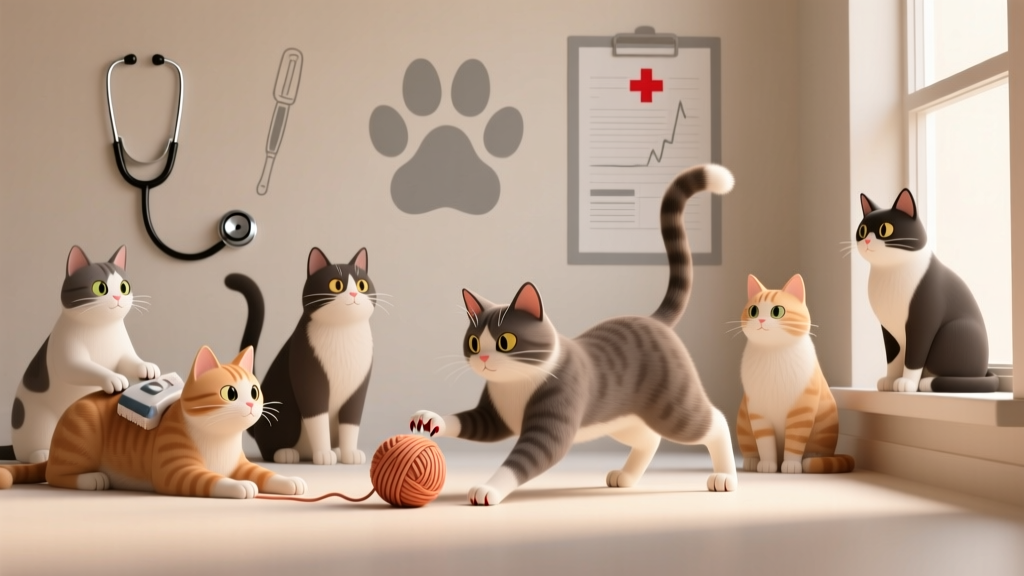
Play sessions burn stress hormones and build confidence. Wand toys and feather teasers work well.
7. Window Access
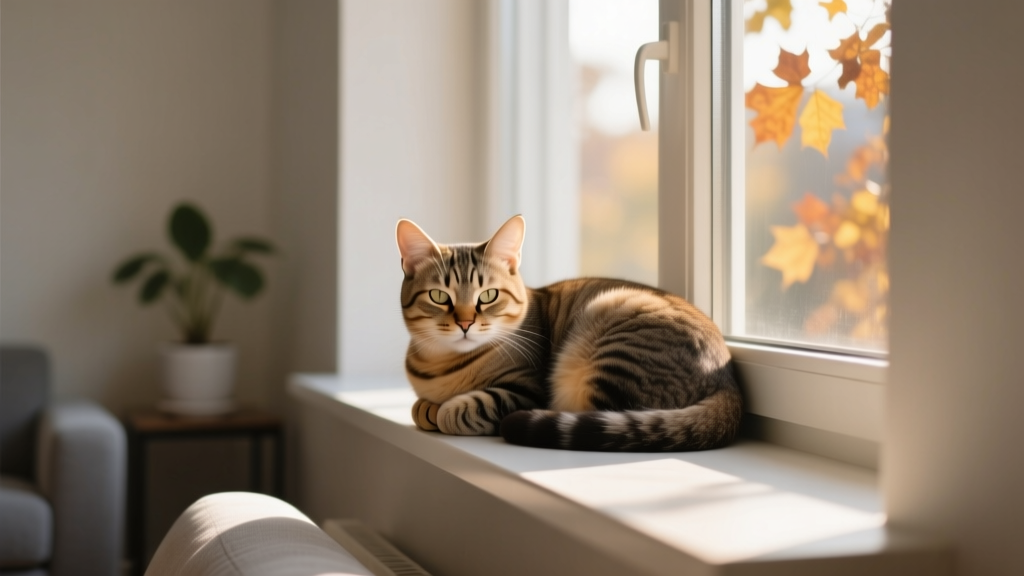
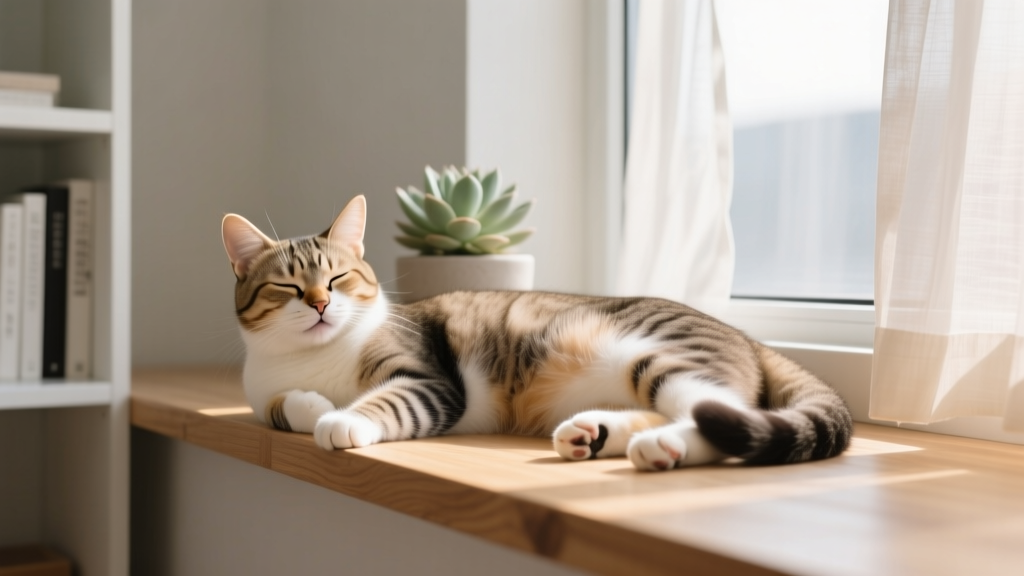
Visual stimulation from outdoor wildlife provides positive distraction.
8. Calming Music
Research shows cats respond to species-specific music. Classical music also reduces shelter cat stress.
9. Pressure Wraps
Gentle pressure garments provide calming input for some cats, particularly during vet visits or travel.
10. Anti-Anxiety Medication
When environmental modifications fail, prescription medications like gabapentin can help reduce anxiety while maintaining alertness.