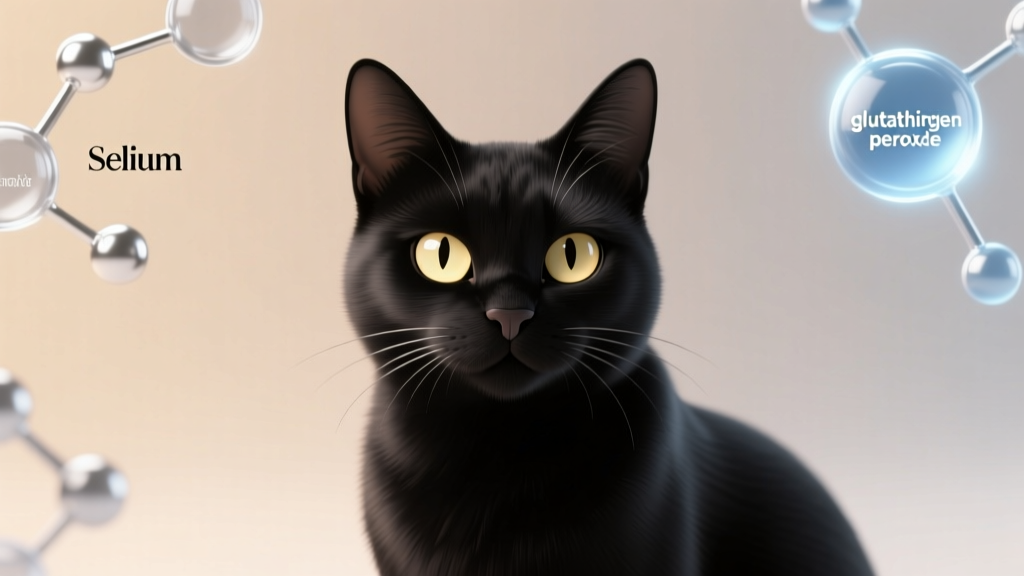
Why Cats Need Selenium as Glutathione Peroxidase Cofactor
How do I know if my cat is getting enough selenium?
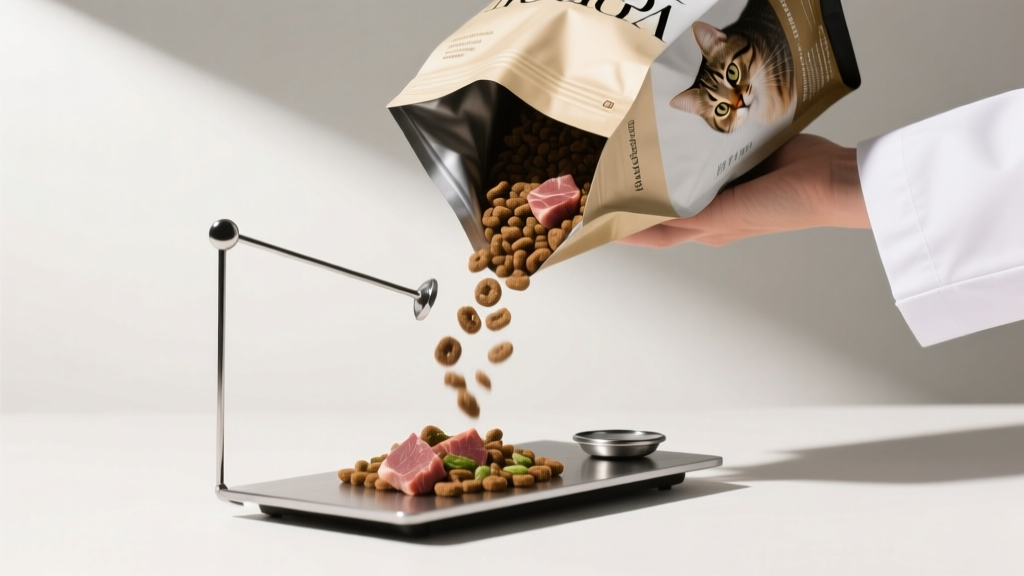
If you feed a reputable complete-and-balanced diet as the primary calorie source, selenium intake is almost always adequate. If you’re feeding homemade, raw DIY, or a limited-ingredient plan, ask your veterinarian about a nutritional assessment and whether a veterinary nutritionist referral makes sense.
Should I give my cat a “selenium antioxidant” supplement?
Generally, no. Selenium has a narrow safety margin, and excess can be harmful. Supplements should only be used when your veterinarian recommends them for a specific medical reason and dose.
What’s the relationship between selenium and vitamin E in cats?
They work in complementary ways to protect tissues from oxidative damage. Diets high in polyunsaturated fats (often fish-heavy) can raise the need for antioxidant protection. Balanced commercial diets account for this; unbalanced homemade fish-based feeding does not.
Can wet food or dry food provide better selenium?
Either can provide appropriate selenium when the food is complete and balanced. The bigger differences between wet and dry are moisture, calorie density, and feeding management—not selenium adequacy.
Is selenium more critical for cats with inflammatory conditions?
Oxidative stress can increase with inflammation, but that doesn’t automatically mean a cat needs extra selenium. The goal is a well-formulated diet and a veterinary plan that addresses the underlying disease. Supplement decisions should be individualized and vet-supervised.
Are grain-free or “natural” diets better for selenium status?
Not necessarily. Selenium adequacy depends on formulation and quality control, not marketing terms. Choose diets with clear nutritional adequacy statements and appropriate life-stage labeling.
Vet guidance matters: If you want to change your cat’s diet, add supplements, or manage a health condition, consult your veterinarian (and consider a board-certified veterinary nutritionist for complex cases). For more practical, science-based feeding help, explore additional nutrition guides on catloversbase.com.