Why Cats Need Dietary Creatine From Meat for Muscle Health
Do cats actually need creatine in the diet?
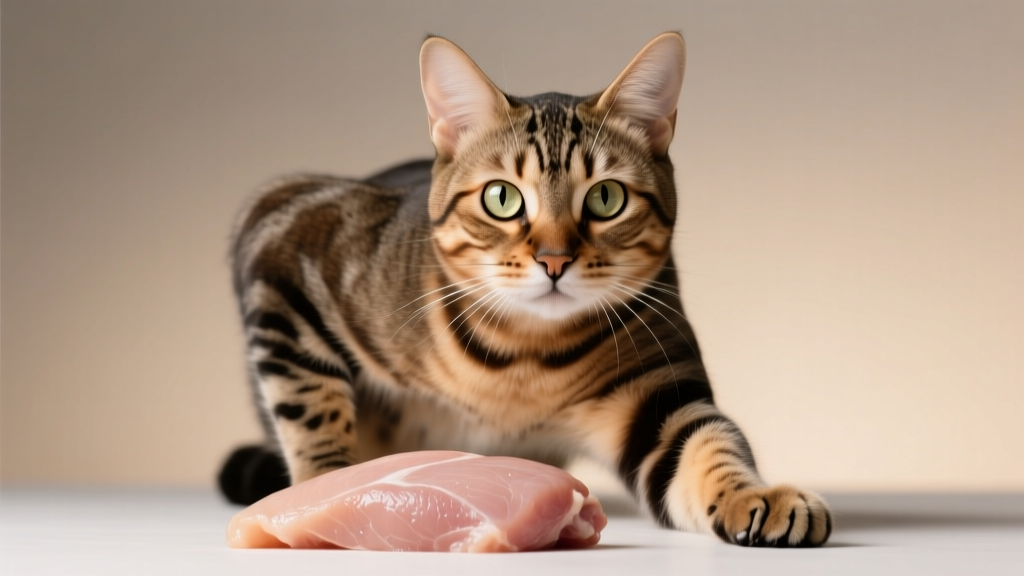
Cats can synthesize creatine, so it’s not typically classified like a vitamin that must be eaten. Practically, cats are designed to eat prey/animal tissue, which naturally contains creatine. A meat-based, complete and balanced diet supports muscle health through creatine plus a broad set of animal-derived nutrients.
Is creatine supplementation safe for cats?
Do not give creatine supplements unless your veterinarian recommends it. Feline-specific dosing and long-term safety data are limited, and supplements can interact with underlying health conditions or mask bigger dietary issues.
Does cooking destroy creatine?
Cooking can reduce creatine content to some degree because juices are lost and heat can convert creatine to creatinine. Even so, cooked meat-based commercial diets can still provide creatine and remain appropriate when they’re complete and balanced. The bigger issue is overall formulation quality, not raw vs. cooked alone.
Can a vegetarian or vegan diet provide enough creatine for a cat?
Plant ingredients do not provide meaningful creatine. While synthetic supplementation might add creatine, cats still require many other animal-associated nutrients and have obligate carnivore biology. Feeding vegetarian/vegan diets to cats is high-risk and should only be considered under strict veterinary supervision, with careful monitoring and lab work.
What are signs my cat may be losing muscle?
Common signs include a more prominent spine or shoulder blades, a “bony” feel over the hips, reduced jumping ability, decreased play, and weight loss. Your veterinarian can assess muscle condition score and identify medical causes such as hyperthyroidism, diabetes, GI disease, pain, or kidney disease.
What’s the best meat source for muscle support?
Variety can be helpful, but the “best” choice is a complete and balanced diet with high-quality animal ingredients that your cat reliably eats and tolerates. For cats with medical conditions, the best diet is the one formulated for that condition and selected with your veterinarian.
Vet partnership reminder: If you’re making a major diet change (switching brands, going all-wet, trying raw, changing protein levels, or adding supplements), consult your veterinarian first—especially if your cat is senior, underweight, overweight, or has any diagnosed health condition.
Want to keep optimizing your cat’s bowl? Explore more practical, science-based nutrition guides at catloversbase.com.