The Role of Transfer Factor in Cat Immune Nutrition
1) Why this topic matters for cat health
A strong immune system is one of the best long-term “investments” you can make in your cat’s health. Immunity influences how well cats handle everyday exposures (new pets, boarding, vet visits), recover from illness, and cope with chronic conditions. Nutrition is a major driver of immune resilience because immune cells require energy, amino acids, fatty acids, vitamins, and minerals to build barriers (skin and gut lining), produce antibodies, and regulate inflammation.
Transfer factor is frequently marketed as an immune-support ingredient in supplements and some functional foods for pets. Cat owners often encounter big promises—“immune booster,” “supports resistance,” “helps allergies,” “supports FIV/FeLV cats”—without clear guidance on what transfer factor actually is, what the evidence says, and how to choose safe, cat-appropriate options. This article breaks down transfer factor within the bigger picture of feline immune nutrition: what it may do, what it can’t do, and how to use it responsibly alongside a complete and balanced diet.
2) Scientific background: feline nutritional needs and immune function
Cats are obligate carnivores. Their metabolism and nutrient requirements reflect an evolutionary reliance on animal prey. This biology affects immune nutrition in several practical ways:
- High protein needs: Cats require relatively higher dietary protein than omnivores. Immune molecules (antibodies, cytokines, enzymes) are protein-based, and inadequate protein can impair immune competence.
- Specific amino acids are critical: Cats have unique needs for taurine and higher requirements for arginine and methionine/cysteine. Arginine is essential for the urea cycle; deficiency can rapidly cause hyperammonemia, which is life-threatening. Amino acids also support immune cell proliferation and gut integrity.
- Fatty acids modulate inflammation: Omega-3 fatty acids (EPA/DHA from marine sources) can help regulate inflammatory responses. Over-supplementation, however, may increase bleeding risk or add excess calories.
- Micronutrients are not optional: Vitamins A, D, E, B vitamins, zinc, selenium, copper, and iron all play roles in immune defense and antioxidant protection. Excesses can also be harmful (for example, too much vitamin D can be dangerous).
- Gut health is immune health: A large portion of immune activity occurs in the gut-associated lymphoid tissue. Diet digestibility, appropriate fiber types, and stable feeding routines all influence stool quality and microbial balance.
Because cats are obligate carnivores, “immune support” should never come at the expense of nutritional completeness. Supplements—transfer factor included—are best viewed as adjuncts for specific situations, not as substitutes for a balanced diet formulated to AAFCO/FEDIAF standards.
3) Transfer factor: what it is, how it’s proposed to work, and what evidence suggests
What is transfer factor?
“Transfer factor” is a broad term used in supplements to describe low–molecular weight immune signaling components, historically derived from colostrum (first milk) or egg yolk (sometimes called “immune factors”). Commercial products may contain mixtures of small peptides and other bioactive molecules that are claimed to “transfer” immune information from a donor to a recipient.
How transfer factor is proposed to support immunity
Marketing claims vary, but most revolve around immunomodulation rather than a direct antibacterial/antiviral effect. Proposed benefits include:
- Supporting cell-mediated immunity (T-cell responses)
- Balancing immune responses (helpful framing for “overactive” vs “underactive” immunity)
- Supporting mucosal defenses (gut/respiratory barriers)
These mechanisms are plausible in theory because colostrum contains immunoglobulins and growth factors, and egg-derived products can contain immunologically active proteins. The key question is whether orally administered transfer factor ingredients survive digestion in cats and produce clinically meaningful outcomes at typical doses.
What the science says (practical, evidence-based view)
In veterinary nutrition, the strongest evidence for immune support still centers on:
- Feeding a complete and balanced diet appropriate to life stage and health status
- Correcting underweight/overweight status (both can impair immunity)
- Targeted nutrients with established roles (omega-3s, adequate high-quality protein, certain antioxidants, appropriate prebiotic fibers when indicated)
For transfer factor specifically, published evidence in cats is limited compared with core nutrition science. Some immune-support ingredients derived from colostrum/eggs have shown immune effects in certain species and contexts, but results are variable, product-dependent, and not always directly transferable to cats. From a practical standpoint:
- Potential upside: May provide mild immunomodulatory support for some cats, particularly those under stress (moving homes, multi-cat transitions) or with recurrent minor infections—when used alongside veterinary care and a sound diet.
- Limitations: Not a replacement for vaccines, parasite control, dental care, treatment of infections, or therapeutic diets. Should not be expected to “cure” chronic viral diseases or severe immune dysfunction.
- Big variable: Product quality and composition. “Transfer factor” is not a single standardized molecule; different products may behave very differently.
Where transfer factor fits best
Think of transfer factor as a supplemental tool that may be reasonable for select cats when:
- Your veterinarian agrees it’s appropriate for your cat’s history
- Your cat is already eating a nutritionally complete diet
- You have realistic expectations (supportive care, not a stand-alone solution)
4) Practical recommendations for cat owners
If you’re considering transfer factor for immune nutrition, start with the fundamentals and then decide whether a supplement makes sense.
Step 1: Build the immune foundation with diet
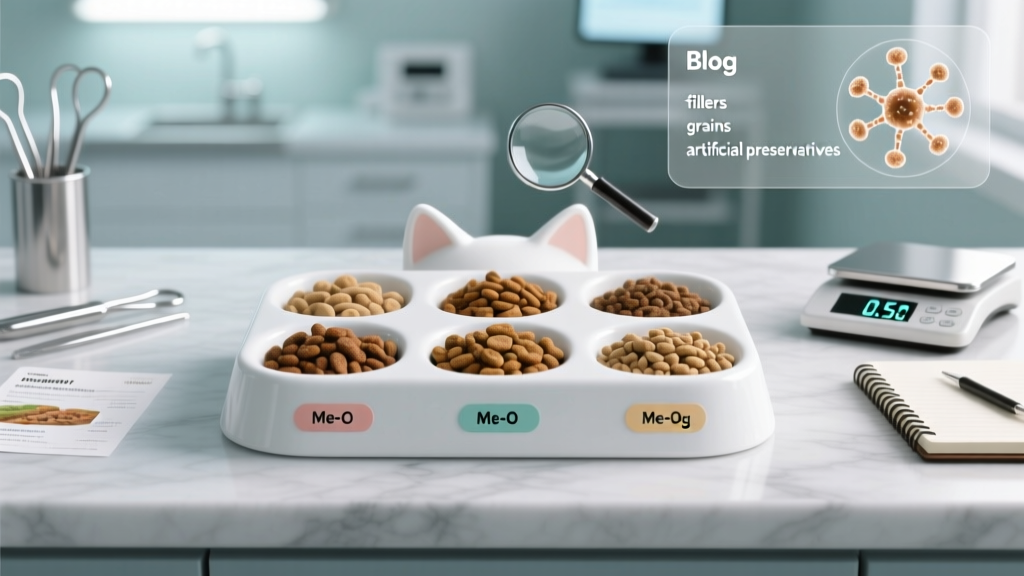
- Choose “complete and balanced” cat food (AAFCO/FEDIAF) for your cat’s life stage.
- Prioritize high digestibility (firmer stools, less gas, stable appetite).
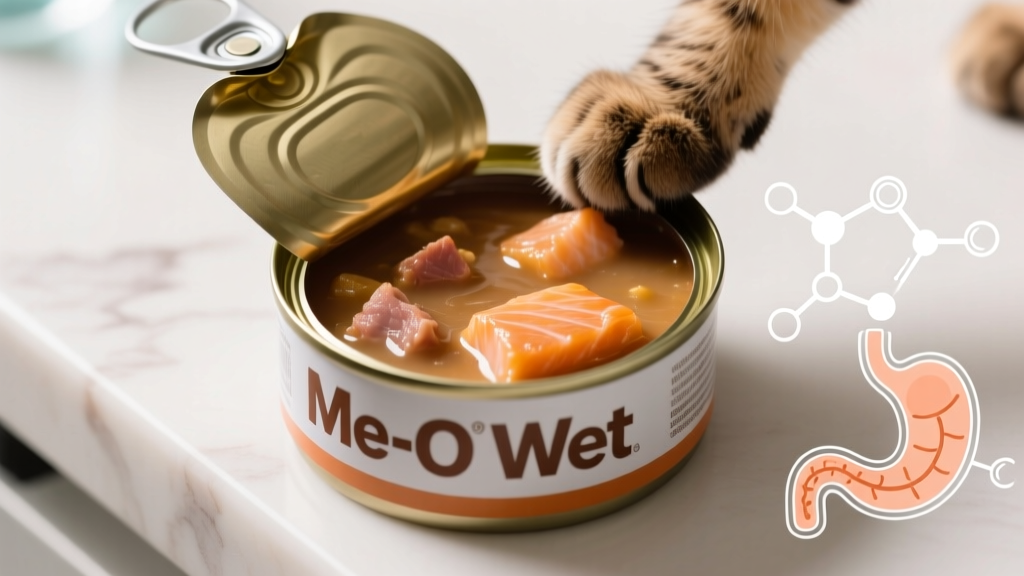
- Use wet food strategically to support hydration, urinary health, and appetite—especially for cats prone to urinary issues.
- Maintain ideal body condition: Obesity is linked to chronic low-grade inflammation; being too thin can reduce resilience.
Step 2: Decide if transfer factor is a reasonable add-on
- Consider transfer factor for cats with recurrent stress-related flare-ups (as part of a plan that addresses stress and environment).
- Discuss with your vet for cats with chronic viral infections (FIV/FeLV), IBD, allergic skin disease, or frequent upper respiratory signs—these cases require individualized medical guidance.
Step 3: Pick safer products
- Choose cat-specific products when possible.
- Look for quality indicators: clear labeling, batch/lot information, expiration date, and a company willing to provide testing/quality assurance details.
- Avoid “kitchen sink” blends with dozens of active ingredients unless your vet recommends them; multi-ingredient formulas make it harder to identify what helps or harms.
5) Comparing options: food-first vs supplements (and transfer factor vs other immune supports)
| Approach | Best for | Pros | Cons / cautions |
|---|---|---|---|
| Complete & balanced diet (food-first) | Every cat | Strongest evidence base; supports whole-body health; predictable nutrient delivery | Not “instant”; requires consistent feeding and monitoring |
| Transfer factor supplement | Select cats needing adjunct immune support (vet-guided) | May offer immunomodulatory support; generally easy to give (powder/chew) | Limited cat-specific evidence; product variability; potential GI upset; quality control varies |
| Omega-3 (EPA/DHA) | Inflammatory skin/joint issues, some chronic inflammatory conditions (vet-guided) | Better-established role in inflammation modulation | Calories; oxidation/rancidity risk; may interact with clotting at high doses |
| Probiotics / prebiotics | Some GI issues, stress-related stool changes (strain-specific) | Can support gut barrier and immune signaling | Effects are strain- and dose-dependent; may not help every cat |
| Antioxidants (e.g., vitamin E in balanced diets) | General support when provided at appropriate levels | Supports oxidative balance; typically included in complete diets | Supplementing fat-soluble vitamins without guidance can be risky |
Bottom line: If your cat’s diet is not complete and balanced, start there. Supplements can be considered after diet, lifestyle, parasite prevention, dental health, and stress reduction are addressed.
6) Common mistakes and misconceptions to avoid
- Myth: “Transfer factor replaces vaccines.”
Fact: Supplements do not create vaccine-level protective immunity. Vaccines train adaptive immunity in a targeted way; transfer factor products are not substitutes for vaccination decisions made with your veterinarian. - Mistake: Using immune supplements to self-treat chronic symptoms.
Recurrent sneezing, chronic diarrhea, weight loss, itching, or gum inflammation can signal infections, parasites, dental disease, IBD, endocrine disease, or other problems requiring diagnosis. - Myth: “If a little helps, more is better.”
Over-supplementation can cause GI upset, appetite changes, nutrient imbalances (especially when multiple supplements are stacked), and can complicate medical workups. - Mistake: Buying human products without checking ingredients.
Some human supplements include sweeteners, flavorings, botanicals, or xylitol-containing products (dangerous to pets). Always verify pet safety and dosing with your vet. - Myth: “Grain-free equals better immunity.”
Immunity is supported by adequate protein, essential fats, vitamins/minerals, and digestibility—not by avoiding grains. Many cats do well with or without grains; the formula’s overall nutrient profile matters more.
7) How to implement changes safely (transition tips)
Whether you’re introducing transfer factor or improving your cat’s diet, gradual change reduces GI upset and refusal.
- Introduce one change at a time: If you switch foods and add a supplement simultaneously, you won’t know what caused vomiting, itching, or diarrhea.
- Food transition schedule (typical):
- Days 1–3: 75% old food / 25% new food
- Days 4–6: 50/50
- Days 7–9: 25% old / 75% new
- Day 10+: 100% new food
- Supplement introduction: Start at half the label dose for 3–5 days (unless your vet directs otherwise), then increase if stools and appetite remain normal.
- Monitor objective metrics: appetite, stool consistency, vomiting, scratching/licking, energy, and body weight (weekly weigh-ins are helpful).
- Stop and call your vet if you see persistent vomiting, diarrhea lasting more than 24–48 hours, facial swelling, hives, severe lethargy, or refusal to eat.
8) Special considerations (age, health conditions, activity level)
| Cat type | Immune-nutrition priorities | Transfer factor considerations |
|---|---|---|
| Kittens | Growth-focused complete diet; parasite control; vaccination plan; stable calories and protein | Use caution; kittens have developing immune systems and specific nutrient needs—supplement only with veterinary guidance |
| Healthy adult cats | Maintain ideal body condition; dental care; consistent routine; hydration | Often unnecessary if diet and lifestyle are solid; consider short-term use during major stressors if your vet agrees |
| Seniors | Monitor kidney/thyroid status; maintain muscle mass; highly digestible protein; omega-3s when appropriate | May be considered as adjunct support, but seniors are more likely to have conditions and meds that warrant vet oversight |
| FIV/FeLV-positive cats | Prevent secondary infections; excellent nutrition; strict parasite control; minimize stress; regular vet monitoring | May be discussed as part of a broader plan; do not rely on supplements instead of medical care |
| IBD / chronic GI disease | Diet trials (novel/hydrolyzed protein), consistent feeding, targeted fiber and probiotics when indicated | Some cats may react to new proteins/ingredients; introduce cautiously and only after vet-directed diet strategy |
| Allergies / skin disease | Rule out fleas first; diet elimination trial if indicated; omega-3 support; environmental management | Not a substitute for flea control or elimination diets; potential role as adjunct, but evidence is variable |
Medication and immune conditions: If your cat is on steroids, chemotherapy, immunosuppressants, or has an immune-mediated disease, consult your veterinarian before adding transfer factor or any immune-modulating supplement.
9) FAQ: Transfer factor and cat immune nutrition
1) Is transfer factor safe for cats?
Many cats tolerate immune-support supplements well, but safety depends on the product, dose, and your cat’s health. The most common issues are GI upset (soft stool, gas, vomiting) or palatability problems. Cats with complex medical conditions or those on immunosuppressive medications should only use these products under veterinary guidance.
2) Can transfer factor help cats with FIV or FeLV?
It may be discussed as an adjunct, but it is not a cure and should not replace core management: excellent nutrition, parasite prevention, prompt treatment of infections, dental care, and stress reduction. Ask your veterinarian to weigh potential benefits against cost and the lack of robust cat-specific clinical evidence.
3) What should I look for on the label?
- Clear species direction (cats) or veterinary use guidance
- Full ingredient list (including flavorings)
- Lot number and expiration date
- Feeding directions with a measurable dose
- Manufacturer transparency about quality testing
4) Can I use transfer factor instead of probiotics?
They aren’t interchangeable. Probiotics/prebiotics primarily target gut microbial balance and intestinal barrier function (strain- and dose-dependent), while transfer factor products are marketed for broader immune signaling support. Your veterinarian can help decide which is more appropriate based on symptoms and goals.
5) How long does it take to see results?
If a cat responds, owners typically report changes over a few weeks rather than days. If there’s no measurable improvement after an appropriate trial period your veterinarian recommends, it may not be worth continuing—especially if cost is significant or stool quality worsens.
6) Will adding transfer factor let me feed a lower-quality diet?
No. Immune function depends on meeting core nutrient requirements consistently. A supplement cannot compensate for an incomplete or poorly balanced diet, nor can it fix chronic dehydration, obesity, dental disease, or unmanaged parasites.
Practical takeaways
- Immune nutrition starts with a complete and balanced, highly digestible diet formulated for cats.
- Transfer factor may be a reasonable adjunct for some cats, but product quality varies and cat-specific evidence is limited.
- Use realistic goals: support, not cure—and never as a substitute for vaccines or veterinary treatment.
- Introduce changes slowly, monitor stool/appetite/weight, and consult your veterinarian before making targeted immune-nutrition changes—especially for kittens, seniors, and cats with chronic disease.
If you want to keep improving your cat’s diet with confidence, explore more practical, vet-aligned nutrition guides on catloversbase.com.