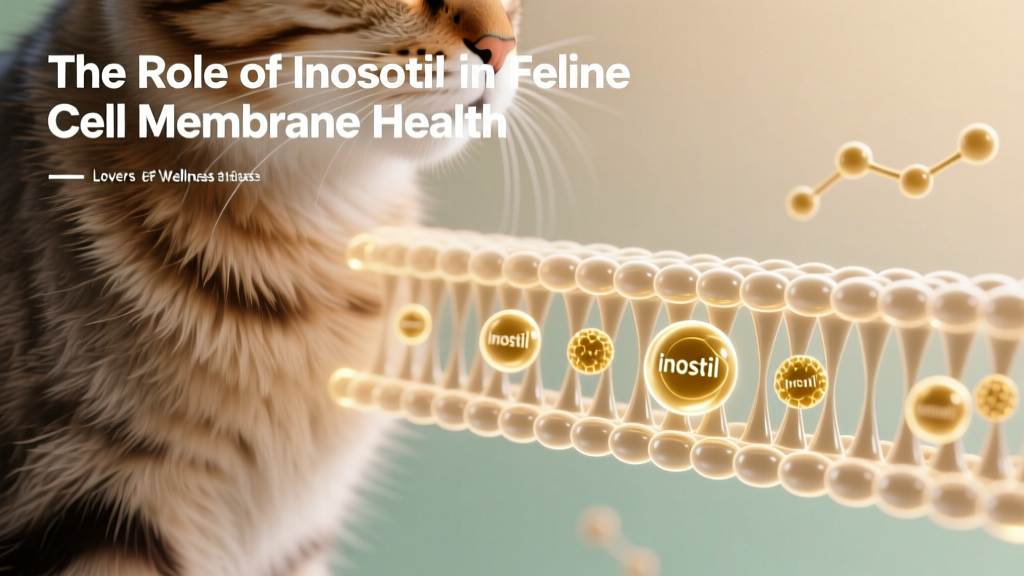
The Role of Inositol in Feline Cell Membrane Health
Is inositol essential for cats?
Inositol is a vitamin-like nutrient involved in membrane phospholipids and cell signaling. Most cats meet their needs through complete-and-balanced diets. The bigger risk is feeding patterns that dilute or omit key micronutrients. For any targeted supplementation, ask your veterinarian.
Will inositol supplements improve my cat’s skin and coat?
Not reliably. Skin and coat health depends more consistently on overall diet completeness, essential fatty acids, parasite control, and underlying medical issues. If your cat’s coat looks poor, a vet exam is the fastest route to the real cause.
Do wet foods have more inositol than dry foods?
Not necessarily. Both wet and dry foods can be complete and provide inositol through ingredients and vitamin premixes. Choose based on overall quality, your cat’s preferences, hydration needs, and your veterinarian’s guidance.
Can I get enough inositol by feeding meat and organs?
Meat and organs contain many nutrients, but homemade “meat-based” feeding commonly falls short on multiple vitamins/minerals and essential fatty acid balance unless a properly formulated recipe and supplement are used. If you want homemade, work with a veterinary nutritionist.
Are “calming” products with inositol safe for cats?
“Safe” depends on the full ingredient list, dose, and your cat’s health status and medications. Some products combine multiple active ingredients. Always check with your veterinarian before using calming supplements, especially for cats with chronic disease or those taking prescriptions.
What’s the simplest way to support cell membrane health through diet?
Feed a reputable complete-and-balanced diet appropriate for life stage, keep treats/toppers at 10% of calories or less, and prioritize essential fatty acids and overall nutrition consistency. For individualized advice, consult your veterinarian.
Veterinary reminder: Any significant dietary change—especially homemade diets or supplements—should be discussed with your veterinarian (and ideally a board-certified veterinary nutritionist) to match your cat’s age, body condition, and medical needs.
For more practical, science-based cat nutrition guides, explore the latest articles on catloversbase.com.