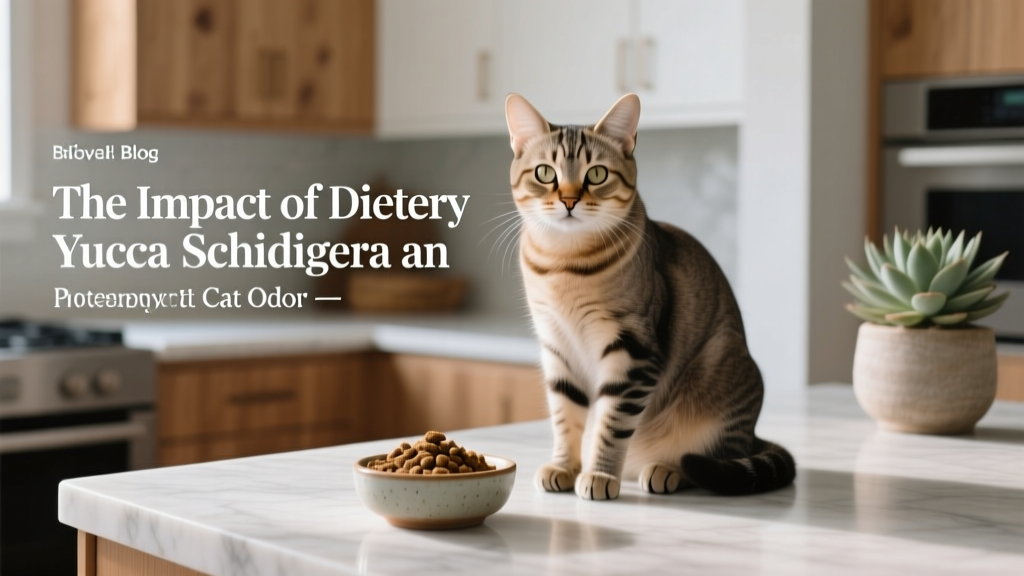
The Impact of Dietary Yucca Schidigera on Cat Odor
1) Will yucca make my cat’s poop smell less?
It can help in some cats, especially when included in a well-formulated, digestible diet. Results vary, and the biggest odor improvements usually come from overall diet quality, stool consistency, and gut health. If odor is sudden or severe, consult your veterinarian.
2) Does yucca help with urine odor too?
Yucca is primarily associated with reducing fecal odor compounds like ammonia. Urine odor is more strongly influenced by hydration, urine concentration, litter box maintenance, and urinary tract health. Increasing water intake (often via wet food) is typically more effective for urine odor.
3) Is Yucca schidigera safe for cats?
In the small amounts used in many commercial cat foods, it’s generally considered acceptable for healthy cats. Problems are more likely when using concentrated supplements or when a cat has GI sensitivity. Talk to your vet before adding yucca as a standalone supplement.
4) My cat’s gas is awful—should I look for yucca?
Yucca may help some odor, but frequent gas often points to ingredient intolerance, rapid diet changes, low digestibility, or gut disease. A more reliable approach is to choose a highly digestible diet, slow transitions, and ask your vet about parasites screening and appropriate probiotics.
5) How long does it take to see a difference after switching diets?
Allow at least 2–3 weeks after completing a gradual transition. The gut microbiome and stool characteristics need time to stabilize. If diarrhea develops, pause the change and consult your veterinarian.
6) Should I use an “odor control” supplement with yucca?
Use caution. Supplements vary in quality and dosing, and they can complicate sensitive GI systems. If you want to try a supplement, involve your veterinarian so you can choose a reputable product and monitor for side effects.
Bottom line: Dietary Yucca schidigera may modestly reduce stool odor for some cats, but it works best as part of a complete, highly digestible diet and good hydration habits—not as a shortcut around health issues. For any significant diet change, or if odor changes suddenly, consult your veterinarian for individualized guidance.
For more practical, science-based cat feeding help, explore the nutrition guides and ingredient deep-dives on catloversbase.com.