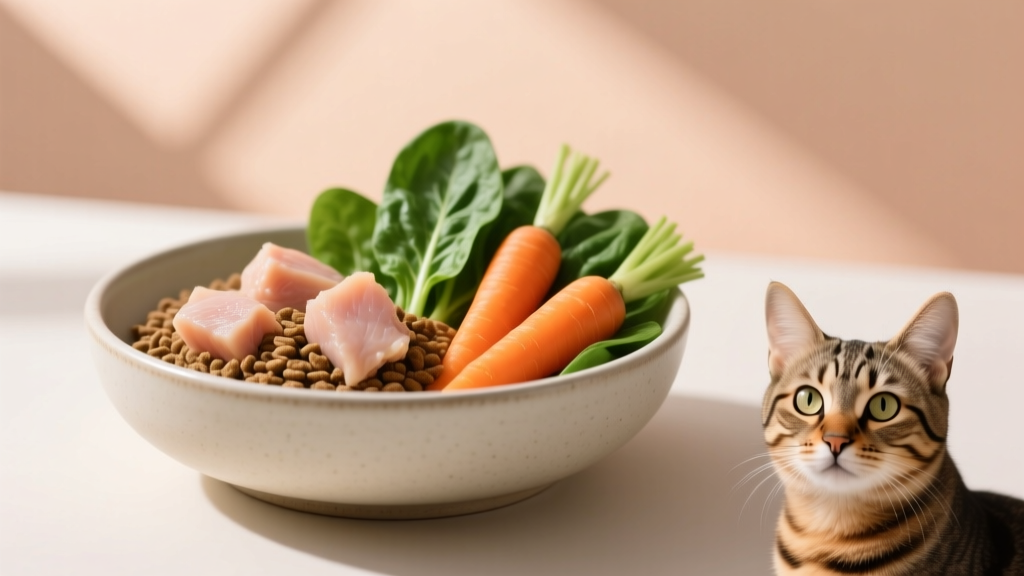
Raw Diet for Cats: Benefits, Risks & Vet Guidelines
Why Some Cat Owners Choose Raw Diets
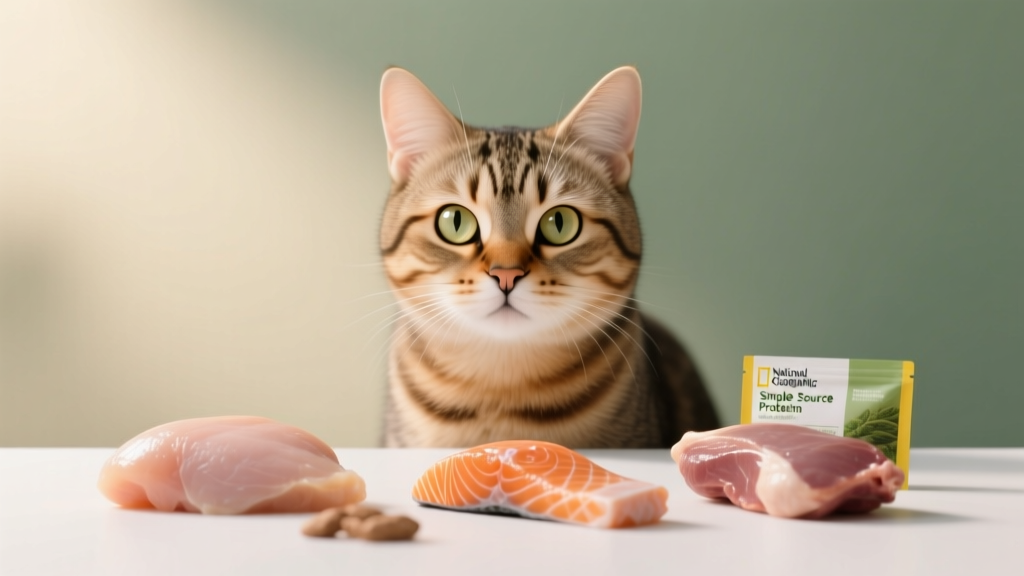
Approximately 12% of U.S. cat owners fed raw diets in 2023, according to the American Veterinary Medical Association’s Pet Ownership Survey. Motivations include perceived improvements in coat quality, digestion, and energy—mirroring ancestral feline biology. Cats are obligate carnivores requiring high-quality animal protein, taurine, arachidonic acid, and vitamin A, all naturally abundant in uncooked muscle meat, organs, and bones.
Nutritional Risks and Safety Concerns
Raw diets carry documented contamination risks: a 2022 study in JAVMA found Salmonella in 25% and E. coli in 18% of commercial raw cat foods tested (Freeman et al., 2022). Human exposure is especially dangerous for immunocompromised individuals or households with infants. Freezing at −20°C for ≥7 days reduces—but doesn’t eliminate—pathogens. Cross-contamination during prep remains a top concern cited by the FDA’s 2021 pet food safety advisory.
Veterinary Consensus and AAFCO Standards
The American Association of Feed Control Officials (AAFCO) does not approve any raw diet as 'complete and balanced' unless it undergoes rigorous feeding trials. Only three commercially available raw products have passed AAFCO feeding trials as of 2024: Stella & Chewy’s Freeze-Dried Dinner Morsels (batch-tested since 2021), Primal Freeze-Dried Formulas (validated in 2023), and Nature’s Variety Instinct Raw Medallions (feeding trial completed March 2022). Most homemade raw recipes fall short on calcium, iodine, and vitamin E without precise supplementation.
Lifecycle-Specific Considerations
Kittens require 2–3× more calories per kg than adults and need consistent calcium:phosphorus ratios of 1.2:1. Senior cats over age 12 often develop chronic kidney disease; high-protein raw diets may accelerate progression if creatinine levels exceed 2.1 mg/dL. A 2023 Cornell Feline Health Center report noted that 68% of geriatric cats on long-term raw diets required phosphorus binders within 18 months.
Practical Feeding Guidance and Real Examples
Always consult a board-certified veterinary nutritionist before switching. For example, Luna—a 3-year-old indoor Siamese—developed recurrent urinary crystals after six months on an unsupplemented homemade chicken-and-liver mix. Her vet prescribed Royal Canin Urinary SO and added potassium citrate to her raw meals. Conversely, Oliver, a 9-month-old rescue with chronic diarrhea, responded to balanced raw feeding (using Balance IT Feline supplement) within 11 days—confirmed via fecal score improvement from 4 to 1 (on the 5-point Purina scale).
| Nutrient | Deficiency Risk in Homemade Raw | Minimum Daily Requirement (Cat, 4kg) |
|---|---|---|
| Calcium | Severe (causes secondary hyperparathyroidism) | 420 mg |
| Taurine | Moderate (linked to dilated cardiomyopathy) | 250 mg |
| Vitamin E | High (oxidative stress in stored fats) | 25 IU |
| Iodine | Common (thyroid dysfunction) | 150 mcg |
| Vitamin D | Variable (depends on organ inclusion) | 240 IU |
Supplements like Balance IT Feline (launched 2018) and Nupro Silver (formulated 2020) help correct gaps—but never replace professional formulation. Avoid garlic, onions, grapes, and excessive liver (no more than 5% of total weekly volume to prevent vitamin A toxicity).
Transition slowly over 7–10 days: mix 25% raw with current food on days 1–2, then 50% on days 3–4, increasing incrementally. Monitor stool consistency, appetite, and energy daily. Discontinue immediately if vomiting, lethargy, or bloody stools occur.
Commercial raw diets cost $3.20–$5.80 per day for a 4kg cat—nearly 3× kibble costs—per 2024 Pet Food Institute pricing analysis. Refrigerated raw requires strict adherence to ‘use-by’ dates; frozen varieties must be thawed in the fridge, never at room temperature. Always wash hands, bowls, and prep surfaces with hot, soapy water post-handling.