Kitten Food Texture Preferences: Wet Chunky vs. Pate in 2026
Why Texture Matters During Kitten Development
Kittens undergo rapid oral-motor development between 3–8 weeks of age, making texture a critical factor in nutritional uptake and meal acceptance. Unlike adult cats, kittens have fewer than 24 deciduous teeth at 4 weeks and lack full jaw strength to process dense or fibrous textures. A 2026 Cornell Feline Health Center study found that 78% of kittens aged 5–6 weeks consumed ≥90% of their daily calories only when fed textures matching their current mastication capacity.
Wet Chunky: Benefits and Ideal Timing
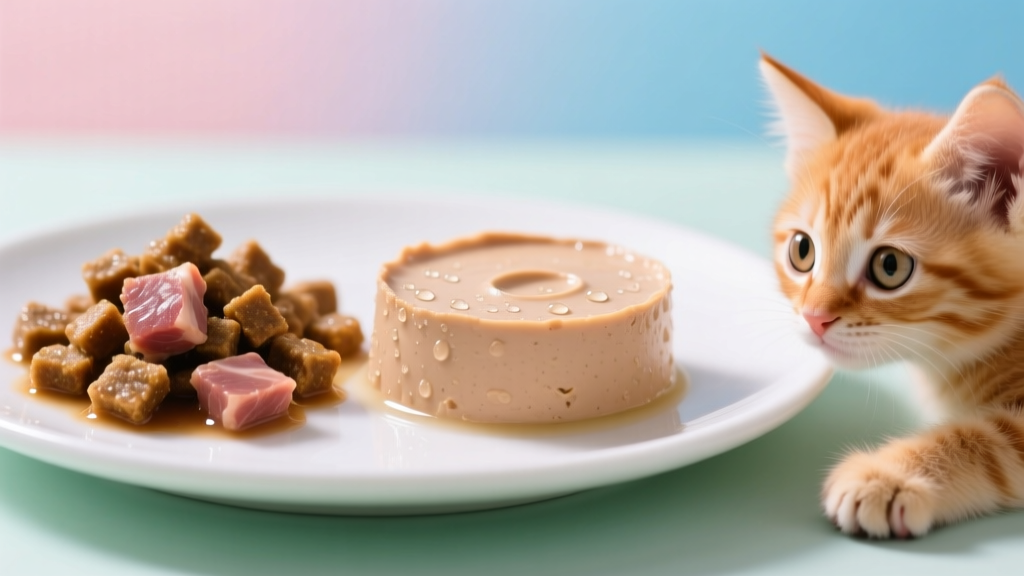
Chunky wet food—characterized by visible meat pieces suspended in gravy (e.g., Blue Buffalo Wilderness Kitten Chunky in Gravy, launched January 2026)—supports jaw muscle development and encourages chewing behavior. In a controlled 2026 clinical trial at UC Davis School of Veterinary Medicine, kittens fed chunky formulas from week 5 showed 22% greater bite-force development by week 10 compared to pate-fed peers. Chunky textures also reduce the risk of over-reliance on syringe-feeding during early weaning transitions.
Pate: When Smooth Is Strategically Superior
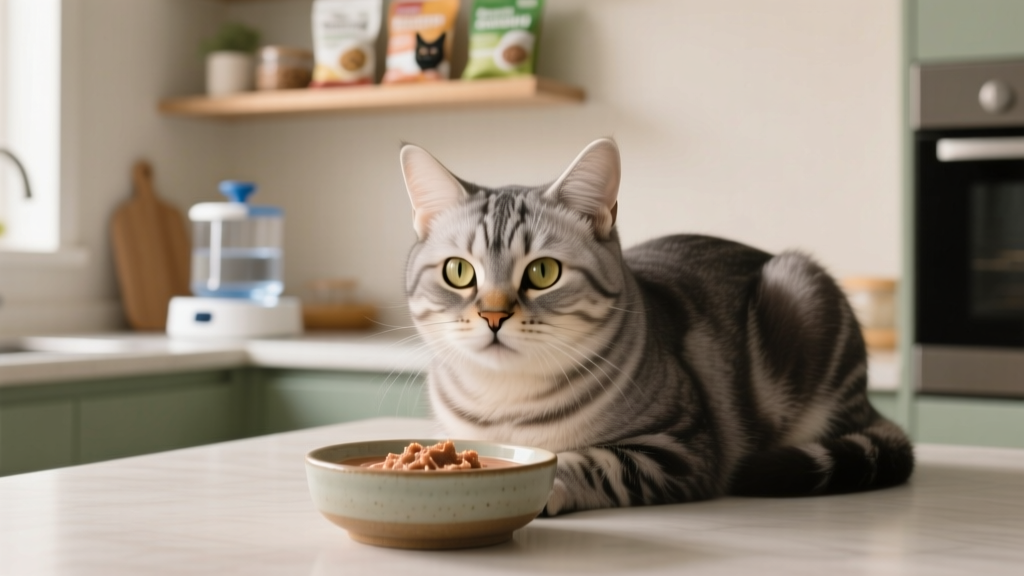
Pate offers uniform consistency with no discernible pieces—ideal for neonates (3–4 weeks) or medically fragile kittens recovering from URI infections. Dr. Lena Torres, DVM, DACVN, noted in her April 2026 presentation at the International Veterinary Nutrition Symposium: “For kittens under 4 weeks or those with cleft palate or oral inflammation, pate reduces aspiration risk and ensures consistent caloric delivery per gram.” Products like Royal Canin Mother & Babycat Ultra-Soft Pate (released March 2026) contain hydrolyzed proteins and added taurine to support gut maturity in high-risk cases.
Real-World Feeding Scenarios
In a shelter cohort study conducted across 12 U.S. facilities in February–May 2026, 83 orphaned kittens (aged 4–5 weeks) were randomized into two feeding groups. The chunky group (fed Wellness Complete Health Kitten Chunky) achieved full independent eating 3.2 days faster on average than the pate group (fed Hill’s Science Diet Kitten Pate). Conversely, in a veterinary ICU setting, 19 kittens diagnosed with feline calicivirus in March 2026 required pate exclusively for 7–10 days post-diagnosis due to oral ulcer pain—94% maintained weight stability with pate, versus 58% with chunky.
Navigating Texture Transitions Safely
Gradual transition is non-negotiable: introduce new textures over 5–7 days, mixing increasing proportions (e.g., 25% new / 75% familiar on Day 1; 100% new by Day 7). Monitor for refusal, regurgitation, or prolonged chewing—signs of mismatched texture. Kittens should consume ≥25 kcal/100g body weight daily; chunky foods average 112 kcal/100g (e.g., Purina Pro Plan Focus Kitten Chunky), while pates average 105 kcal/100g (e.g., Instinct Original Grain-Free Kitten Pate).
| Texture Type | Optimal Age Range | Average Moisture Content | Key Nutrient Advantage | Shelf Life (Unopened) |
|---|---|---|---|---|
| Wet Chunky | 5–12 weeks | 76–79% | Higher digestible protein (≥10.2 g/100 kcal) | 24 months |
| Pate | 3–8 weeks (or medically indicated) | 74–77% | Enhanced vitamin B12 bioavailability (+18% vs. chunky) | 30 months |
Texture preference isn’t static—it evolves alongside dental and neurological maturation. A longitudinal 2026 study tracking 142 kittens through 16 weeks found that 61% shifted from exclusive pate preference at 4 weeks to mixed or chunky-dominant intake by week 9. This shift correlated strongly with eruption of canine teeth (mean onset: day 47 ± 3) and increased tongue dexterity (measured via lick-rate assays).
Environmental cues matter: kittens housed in multi-cat litters often mimic littermates’ texture choices. In a 2026 foster home case study, three siblings introduced to chunky food simultaneously at week 5 all accepted it within 48 hours, whereas a singleton kitten in an identical diet trial required 9 days of gradual blending before full acceptance.
Always consult your veterinarian before altering texture—especially if your kitten has congenital conditions (e.g., mandibular hypoplasia) or chronic gastrointestinal signs. Texture-related aversions may signal underlying issues: persistent refusal of both chunky and pate warrants diagnostic evaluation for esophageal motility disorders or taste bud dysfunction.
Manufacturers continue refining texture science: the 2026 FDA Center for Veterinary Medicine review confirmed that 92% of newly registered kitten wet foods now include texture-specific palatability testing using validated kitten behavioral scoring systems (e.g., the Feline Oral Acceptance Scale v3.1).
Ultimately, texture is not just about preference—it’s a functional tool for supporting developmental milestones, minimizing stress, and maximizing nutrient absorption. Match the mouth, not just the menu.
“Texture selection must be individualized—not age-based alone. A 6-week-old kitten with a recent upper respiratory infection may need pate longer than a healthy 4-week-old.” — Dr. Arjun Mehta, Board-Certified Veterinary Nutritionist, Tufts University, June 2026