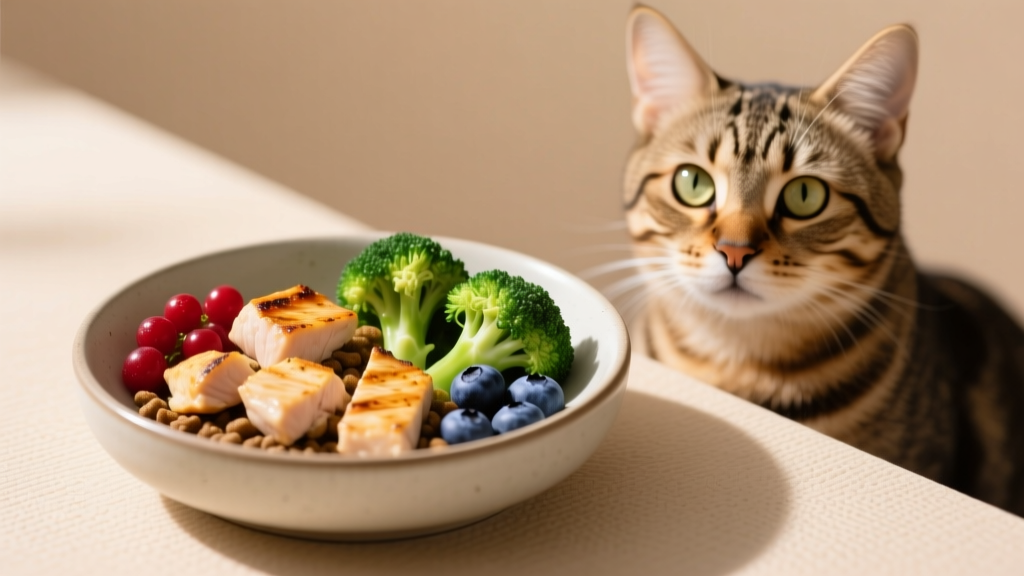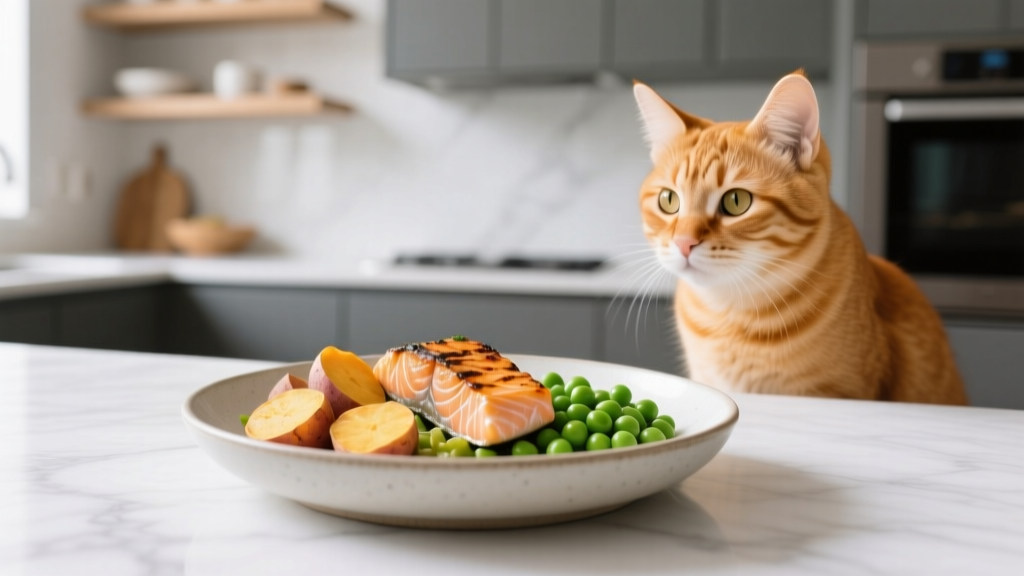
How to Transition Your Cat from Dry to Wet Food
Why Wet Food Supports Feline Health
Cats are obligate carnivores with low thirst drives—evolutionarily adapted to obtain most moisture from prey. Dry food contains only 5–10% water, while wet food provides 70–80%. Chronic mild dehydration from dry-only diets is linked to urinary tract issues (affecting up to 65% of cats over age 10) and chronic kidney disease progression.
Wet food also delivers higher-quality animal-based protein, fewer carbohydrates (<3% vs. 30–50% in many kibbles), and supports healthy weight management: studies show cats on wet food diets maintain lean body mass 22% more effectively than those fed exclusively dry.
Assess Readiness Before Starting
Not all cats transition easily. Rule out medical barriers first: schedule a vet check if your cat has dental pain, kidney disease, or recent GI upset. Avoid switching during major life changes (e.g., moving or introducing a new pet). Kittens under 12 weeks should remain on kitten-formulated wet food; senior cats (11+ years) may need phosphorus-restricted formulas.
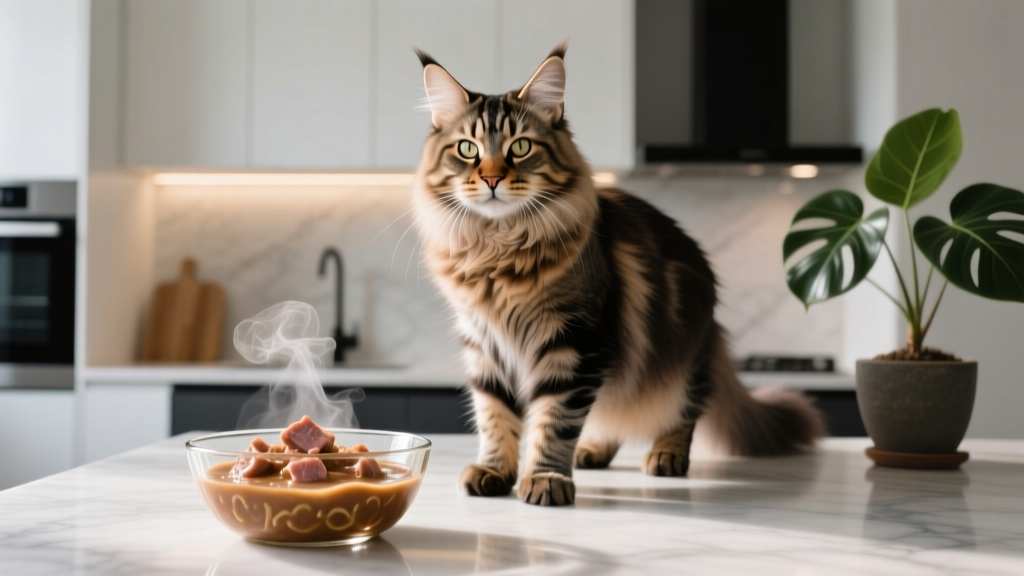
Also consider palatability: cats have only ~470 taste buds (vs. ~9,000 in humans) but rely heavily on smell and texture. Warm wet food slightly (to ~100°F) to enhance aroma without cooking it—heat above 120°F degrades taurine.
The 10-Day Gradual Transition Method
Never mix dry and wet food in the same bowl—this encourages selective eating and delays acceptance. Instead, serve them separately at the same mealtime. Start with Day 1: 90% dry + 10% wet (by volume), placed in separate bowls side by side. Increase wet food by 10% daily while decreasing dry proportionally.
By Day 7, aim for 50/50. If your cat skips the wet portion for two consecutive meals, pause and hold at the previous ratio for 2–3 days before advancing. Monitor stool consistency: soft stools may indicate too-rapid change or ingredient sensitivity.
Navigating Common Challenges
Refusal is common—especially in cats fed dry food since kittenhood. Try different textures (shreds, chunks in gravy, mousse) and protein sources (chicken, turkey, rabbit—not always beef or fish, which can be overly stimulating). Avoid gravies with onion or garlic powder (toxic to cats).
If your cat eats only dry, begin by crumbling a small amount of dry kibble into the wet food for Days 1–3 to bridge familiarity. Never force-feed or starve to encourage change—this risks hepatic lipidosis within 48 hours in overweight cats.
Long-Term Feeding & Life Stage Adjustments
Once fully transitioned, tailor wet food choices to life stage: kittens need ≥30% protein and added DHA; adults thrive on moderate fat (15–20%) and controlled calories; seniors benefit from added B vitamins and reduced phosphorus (≤0.5% on dry matter basis). Rotate proteins every 4–6 weeks to reduce allergy risk—food sensitivities affect ~12% of adult cats.
Supplement wisely: most high-quality wet foods require no added supplements. If using homemade recipes, always include calcium carbonate (1,200 mg per 1,000 kcal) and taurine (1,000 mg/kg diet)—deficiencies cause blindness and heart failure. Avoid generic multivitamins; use feline-specific formulations like Balance IT Feline or VetriScience Nu-Cat.
"Cats fed >50% wet food show 38% lower incidence of lower urinary tract disease over 5 years compared to dry-food-only cohorts (Journal of Feline Medicine and Surgery, 2022)."
| Nutrient | Dry Food (avg.) | Wet Food (avg.) |
|---|---|---|
| Moisture | 10% | 78% |
| Protein (dry matter) | 32% | 45% |
| Carbohydrates (dry matter) | 42% | 2% |
| Calories per cup (kcal) | 350 | 120 |
| Taurine (mg/100g) | 0.25 | 0.65 |