Feeding Cats With Sarcopenic Obesity: Protein-Calorie Balance
1. Why this topic matters for cat health
Sarcopenic obesity is a double hit: a cat carries excess body fat while also losing lean muscle. It’s most common in middle-aged to senior cats, especially indoor cats with low activity levels, but it can show up at any age after repeated dieting cycles, chronic illness, pain-related inactivity, or simply long-term overfeeding with calorie-dense foods.
This matters because muscle is not just “bulk.” Lean mass supports mobility, immune function, metabolic health, and quality of life. Cats with too much fat and too little muscle may look “round but fine,” yet they can be weaker, less resilient, and at higher risk for:
- Diabetes mellitus and insulin resistance
- Arthritis progression and reduced mobility
- Hepatic lipidosis risk during overly aggressive weight loss
- Poorer recovery from illness or surgery
- Frailty and reduced longevity in senior years
The nutrition goal is specific: reduce fat while protecting (and ideally rebuilding) muscle. That requires careful protein-to-calorie balance, not simply “feeding less.” Always work with your veterinarian (and ideally a board-certified veterinary nutritionist for complex cases) before making major diet changes, especially in older cats or cats with medical conditions.
2. Scientific background: feline nutritional needs and obligate carnivore biology
Cats are obligate carnivores with metabolic traits that shape how they use protein, fat, and carbohydrate:
- Higher baseline protein needs: Cats have limited ability to downregulate protein metabolism, so they rely on dietary protein consistently.
- Amino acid requirements: Taurine, arginine, methionine, cysteine, and others must be supplied reliably. Inadequate protein quality can quickly become a health problem.
- Efficient fat use: Dietary fat is energy-dense (more than twice the calories per gram compared to protein or carbs). High-fat diets can easily overshoot calorie needs.
- Carbohydrate handling: Cats can digest carbs, but high-carb, calorie-dense diets can promote weight gain in some cats, especially if portion control is loose.
For sarcopenic obesity, two nutrition principles matter most:
- Energy (calories) drives fat gain/loss. A sustained calorie deficit is needed for fat loss.
- Protein and resistance-like activity protect lean mass. Adequate high-quality protein, distributed across meals, supports muscle protein synthesis and reduces the risk of muscle loss during weight loss.
Muscle maintenance also depends on micronutrients (e.g., B vitamins), omega-3 fatty acids, hydration, and the cat’s overall health (pain control, endocrine disease, dental disease, gastrointestinal function).
3. Evidence-based analysis: protein-calorie balance for sarcopenic obesity
Many overweight cats are placed on “diet food” and simply fed less. If the diet is not sufficiently protein-dense, the cat may lose muscle along with fat, worsening sarcopenia. The better approach is to choose a diet that provides more protein per calorie while controlling total calories.
What “high protein” really means for a dieting cat
Label percentages can be misleading. A food can look “high protein” on an as-fed label, but still deliver modest protein per calorie if it is high in fat or very calorie-dense. What you want is:
- High-quality animal protein (named meat, poultry, fish, eggs) with complete amino acid profiles
- Lower to moderate fat so calories don’t climb quickly
- Moderate energy density so you can feed a satisfying portion while still reducing calories
Energy restriction: safe, slow fat loss
Safe feline weight loss is typically gradual. Rapid restriction increases the risk of hepatic lipidosis (fatty liver), especially in cats that stop eating or lose weight too quickly. Your veterinarian can calculate a target calorie intake and a weekly weight-loss goal. Common clinical targets are slow and steady (often around 0.5–2% body weight loss per week depending on the case), with close monitoring and adjustments.
Why meal timing and protein distribution matter
Cats tend to do better with multiple smaller meals. Distributing protein across the day can support muscle maintenance, and meal feeding helps portion accuracy. Free-feeding makes calorie control harder and can mask appetite changes that signal illness.
Role of omega-3s and other supportive nutrients
- Omega-3 fatty acids (EPA/DHA): May support joint comfort and help modulate inflammation, which matters for older cats and cats with osteoarthritis that limits activity.
- Fiber: Can improve satiety in some cats, but excessive fiber may dilute protein and reduce digestibility. Therapeutic weight-loss diets balance this.
- Moisture: Wet foods increase water intake and can lower calorie density per gram of food, helping cats feel fuller on fewer calories.
How to evaluate foods: protein-to-calorie mindset
Ask your veterinarian for guidance, but these general strategies help owners compare options:
- Prefer veterinary therapeutic weight-loss diets when a cat is obese or has sarcopenic obesity. They are designed to preserve lean mass during calorie restriction.
- Look for higher protein and controlled fat within an appropriate calorie budget.
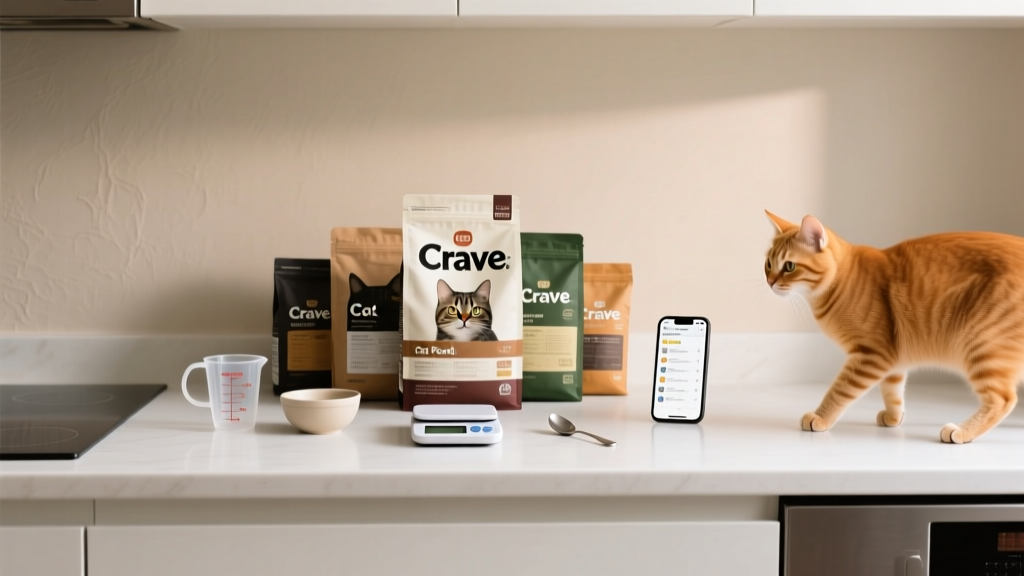
- Use measured feeding: grams on a kitchen scale are more accurate than cups.
| Diet feature | Helpful for sarcopenic obesity | Why | Watch-outs |
|---|---|---|---|
| High protein per calorie | Yes | Supports lean mass during weight loss | Not all “high protein” labels mean protein-dense per calorie |
| Controlled fat | Often yes | Fat is calorie-dense; easier to overshoot calories | Too low fat can reduce palatability in picky cats |
| Moderate fiber | Sometimes | Can increase satiety and help portion compliance | Excess fiber may lower protein digestibility |
| Wet food emphasis | Often yes | Lower calorie density; hydration support | Dental disease or preference issues may complicate |
| Precise calorie control | Essential | Fat loss requires consistent calorie deficit | Treats and “extras” commonly derail plans |
4. Practical recommendations for cat owners
Use this step-by-step framework with your veterinarian’s input:
A. Confirm sarcopenic obesity (not just “overweight”)
- Ask your vet for a Body Condition Score (BCS) and Muscle Condition Score (MCS).
- Take baseline measurements: weight, rib feel, waistline photos from above and side.
B. Choose a diet designed to preserve lean mass
- Best starting point: veterinary therapeutic weight-loss diets formulated for cats (your vet can recommend an appropriate one).
- Consider wet-first feeding if your cat tolerates it, to lower calorie density and improve satiety.
- Avoid unbalanced homemade diets unless formulated by a veterinary nutritionist.
C. Set calories and measure accurately
- Get a calorie target from your vet and recheck every 2–4 weeks.
- Weigh food in grams with a kitchen scale.
- Track everything: treats, dental chews, food used for pill pockets, lickable tubes.
D. Protect muscle with protein and smart activity
- Feed protein-forward meals (within vet-approved calories).
- Use short daily play sessions (wand toys, food puzzles, stairs if safe).
- Address pain: arthritis management can dramatically improve activity and muscle retention.
5. Comparison of options and approaches
| Approach | Pros | Cons / risks | Best for |
|---|---|---|---|
| Veterinary therapeutic weight-loss diet (wet and/or dry) | Designed for safe weight loss; higher protein per calorie; controlled nutrients; clear feeding guides | Cost; may require gradual transition; availability | Most cats with obesity or sarcopenic obesity |
| Over-the-counter “weight management” foods | Easier to obtain; sometimes helpful | Variable protein density; may be too calorie-dense; results less predictable | Mild overweight with close monitoring; not ideal for sarcopenic obesity without vet guidance |
| Wet-food focused plan (non-therapeutic) | Often lower calorie density; hydration benefits | May not be protein-dense enough; may not control fat; portion accuracy still required | Cats that do poorly on dry; constipation-prone cats (with vet oversight) |
| Homemade diet | Customizable; may help picky eaters | High risk of nutrient deficiencies without formulation; hard to balance protein/calories precisely | Only when formulated and monitored by a veterinary nutritionist |
6. Common mistakes and misconceptions to avoid
- Myth: “Just cut the portion in half.”
Reality: Unplanned calorie restriction can cause excessive hunger, nutrient shortfalls, and muscle loss—plus increases the risk of hepatic lipidosis if appetite drops. - Myth: “High protein automatically means weight loss.”
Reality: Calories still matter. A high-protein food that is also high-fat and calorie-dense can lead to weight gain. - Mistake: Ignoring treats and toppers.
Even small extras can erase the calorie deficit. Budget treats as a fixed percentage of daily calories (your vet can suggest a limit). - Mistake: Relying on the scale alone.
Weight loss without muscle scoring can hide worsening sarcopenia. Ask for periodic MCS checks. - Mistake: Switching diets too quickly.
Sudden changes can trigger food refusal or GI upset—dangerous for overweight cats.
7. How to implement changes safely (transition tips)
Use a slow, structured transition, and stop if your cat refuses food.
- Transition over 7–14 days (longer for picky cats): mix increasing amounts of new food with the old.
- Warm wet food slightly (not hot) to enhance aroma.
- Keep a routine: set meal times, quiet feeding location, consistent bowls.
- Monitor daily intake: if your cat eats significantly less than normal for 24 hours, contact your veterinarian promptly. Do not “wait it out” in an overweight cat.
- Recheck schedule: weigh-ins every 2–4 weeks; adjust calories based on rate of loss and MCS/BCS changes.
8. Special considerations (age, health conditions, activity level)
Senior cats
- Seniors can lose muscle more easily. Protein density becomes even more important.
- Dental disease can reduce chewing and appetite—treat oral pain to support nutrition.
- Ask your vet about screening labs (thyroid, kidney values, glucose) before a weight-loss plan.
Chronic kidney disease (CKD)
- Do not start a high-protein plan without veterinary guidance. CKD cats often need a specialized approach that balances protein quality, phosphorus control, appetite, and body condition goals.
Diabetes or prediabetes
- Weight loss and higher-protein, controlled-carbohydrate strategies may help, but insulin doses can need rapid adjustment as calories change. Vet supervision is essential.
Arthritis and chronic pain
- Pain reduces activity and accelerates muscle loss. Nutrition works best when paired with pain management, environmental modifications (ramps, lower-sided litter boxes), and gentle play.
Very inactive indoor cats
- Small calorie targets can make it challenging to provide enough protein and micronutrients using standard diets. Therapeutic weight-loss diets are especially useful because they are nutrient-dense per calorie.
9. FAQ: common questions from cat owners
1) How can I tell if my cat has sarcopenic obesity?
A veterinarian assesses BCS (fat stores) and MCS (muscle over spine, shoulders, hips). A cat can look “overweight” yet feel bony over the back or have reduced muscle at the temples or shoulders. Ask for both scores at checkups.
2) Is wet food always better for sarcopenic obesity?
Wet food often helps because it’s usually less calorie-dense and increases water intake. It’s not automatically higher protein per calorie, though. Some wet foods are high in fat, which can raise calories quickly. Compare options with your vet using calories and nutrient profiles, not just “wet vs. dry.”
3) Can I build muscle in an overweight cat without making them gain weight?
Often yes, with a controlled-calorie plan that is protein-dense, paired with gradual increases in activity (short play sessions, food puzzles, climbing opportunities) and pain control if needed. Muscle gain is slower than fat loss, so progress is measured over months, not days.
4) Are high-protein, grain-free diets best for this problem?
“Grain-free” does not equal “better” for weight or muscle. The key is protein-to-calorie balance and overall formulation. Some grain-free foods are very calorie-dense. Choose diets based on nutrient profile, clinical goals, and veterinary guidance.
5) How fast should my cat lose weight?
Your vet should set a target rate based on your cat’s starting weight, health conditions, and risk factors. Too rapid loss can be dangerous, especially if appetite drops. Regular weigh-ins and adjustments help keep weight loss safe and muscle-friendly.
6) Should I use supplements like L-carnitine or omega-3s?
Some therapeutic diets already include ingredients like L-carnitine, and omega-3s can be useful in certain cats (especially with arthritis). Supplements can also add calories or interact with conditions/medications. Ask your veterinarian before adding them.
Veterinary guidance is non-negotiable for sarcopenic obesity: your vet can confirm diagnosis, rule out underlying disease, set a safe calorie target, and monitor muscle condition during weight loss.
If you want more practical, cat-health-focused feeding help, explore our other feline nutrition guides on catloversbase.com.