Feeding Cats With Portosystemic Shunt: Protein Timing Diet
1) Why this topic matters for cat health
A portosystemic shunt (PSS) is a serious condition where blood from the intestines bypasses the liver instead of flowing through it for detoxification and nutrient processing. Because the liver plays a central role in metabolizing protein and filtering toxins, diet can strongly influence symptoms, quality of life, and long-term outcomes for cats with PSS. Many owners hear “low protein” and assume the solution is simple. It isn’t. Cats are obligate carnivores with unique protein requirements, and overly aggressive protein restriction can cause muscle loss, poor immune function, and slower healing.
The goal with nutrition is more specific: manage the byproducts of protein digestion (especially ammonia), support stable blood sugar, protect lean body mass, and reduce the chance of neurologic episodes (hepatic encephalopathy). Protein timing—how you spread protein across the day—can be as important as protein amount and protein type. Always work with your veterinarian (often alongside a board-certified veterinary nutritionist) before changing a PSS cat’s diet, especially if your cat has had seizures, significant lethargy, or vomiting.
2) Scientific background: feline nutritional needs and obligate carnivore biology
Cats are obligate carnivores, meaning their metabolism is adapted to a prey-based diet rich in animal protein and fat with minimal carbohydrate. Key biological points that shape feeding decisions for PSS cats:
- High baseline protein needs: Cats have higher protein requirements than many species because they continuously use amino acids for energy and maintain limited ability to down-regulate protein breakdown enzymes.
- Amino acids are essential for cats: Taurine, arginine, methionine, cysteine, and others must be supplied appropriately. Arginine is especially critical because it supports the urea cycle—one of the body’s main ways to handle ammonia.
- Liver workload and ammonia: Protein digestion produces nitrogenous waste. In healthy cats, the liver converts ammonia to urea. With PSS, ammonia can accumulate and contribute to neurologic signs.
- Meal patterns affect metabolism: Large meals can cause bigger post-meal spikes in gut-derived toxins and ammonia. Smaller, more frequent meals can smooth these peaks.
For PSS, nutrition must balance two truths: cats need adequate high-quality protein to thrive, but protein also increases nitrogen load. The practical solution is usually “right protein, right dose, right distribution,” rather than simply “low protein.”
3) Evidence-based analysis: protein timing, protein type, and overall diet strategy for PSS
How PSS affects nutrition
With PSS, the liver receives less blood flow, which can impair detoxification and nutrient processing. Common nutrition-related issues include:
- Hepatic encephalopathy (HE): Neurologic signs (staring, disorientation, drooling, seizures) often linked to ammonia and other toxins.
- Poor growth or weight loss: Many cats are underweight or fail to thrive, especially if congenital PSS is diagnosed young.
- GI upset: Vomiting, diarrhea, and appetite changes can occur.
- Urinary issues: Some cats develop ammonium biurate crystals/stones due to altered metabolism.
Why protein timing can help
After a meal, intestinal bacteria and digestion generate ammonia and other compounds. In PSS, the liver’s ability to process these is compromised because blood bypasses the liver. This is why cats may look worse after eating a large protein-heavy meal.
Protein timing aims to reduce post-meal “toxin peaks” by spreading protein intake into smaller, evenly spaced meals. This approach can:
- Reduce large swings in blood ammonia after meals
- Support steadier energy and appetite
- Make it easier to feed adequate protein without triggering HE episodes
Protein amount: restriction vs adequacy
Veterinary management typically uses the lowest protein level that controls clinical signs while maintaining lean body mass. The “right” amount varies widely based on whether the shunt is congenital vs acquired, whether surgery is planned or completed, and the cat’s current body condition and symptoms.
- If HE is uncontrolled: vets may temporarily reduce protein and address the gut (medications like lactulose and antibiotics are commonly used) while stabilizing the cat.
- For stable cats: many do best on a moderately protein-restricted plan with excellent protein quality and careful timing rather than severe restriction.
Do not implement severe protein restriction without veterinary oversight. In cats, insufficient protein can quickly lead to muscle loss, weakness, impaired immunity, and poorer surgical recovery.
Protein type: quality matters
Protein sources differ in digestibility and how much waste they generate.
- Highly digestible animal proteins (egg, poultry, certain fish) can deliver essential amino acids with less undigested residue reaching the colon.
- Lower-quality proteins or poorly digestible ingredients may increase colonic fermentation and ammonia production.
- Plant proteins are sometimes used in liver diets (more commonly in dogs) because they may produce different nitrogen byproducts and alter gut fermentation. Cats, however, have strict amino acid needs, so plant-heavy approaches must be formulated carefully to avoid deficiencies.
Fiber, gut microbiome, and ammonia control
Controlling ammonia is not only about protein. It’s also about what happens in the gut:
- Fermentable fiber can help shift gut bacteria and trap nitrogen in the colon, reducing ammonia absorption.
- Prebiotics and carefully chosen fiber sources may support a healthier microbiome.
This is one reason veterinary therapeutic hepatic diets can be helpful: they balance protein quality with targeted fiber and nutrient profiles.
Meal composition and schedule: why “small and steady” tends to win
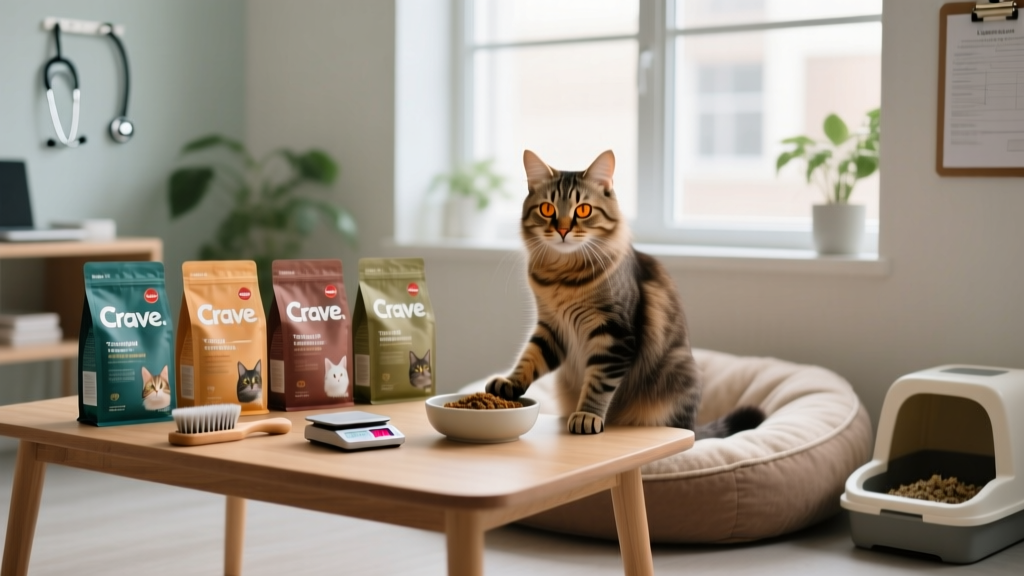
Many PSS cats do better with 3–6 small meals daily instead of 1–2 large meals. This can be achieved with scheduled feeding, timed feeders, or dividing canned food into multiple portions (refrigerated between meals).
| Feeding approach | Potential benefit for PSS cats | Potential downside |
|---|---|---|
| 1–2 large meals/day | Convenient | Higher post-meal ammonia/toxin peaks; may trigger HE signs |
| 3–4 meals/day | Better symptom control for many cats; manageable routine | Requires planning or feeder support |
| 5–6 small meals/day | Most even nutrient and nitrogen load; helpful for sensitive cats | Harder to maintain without automation |
Key nutrients and supplements: only with veterinary guidance
Some PSS cats require additional support beyond basic diet. Only use supplements recommended by your veterinarian, as dosing and product choice matter.
- Omega-3 fatty acids (EPA/DHA): may support anti-inflammatory effects and overall health; dosing should be vet-directed to avoid GI upset or excess calories.
- B vitamins: liver disease can increase needs; many therapeutic diets are fortified appropriately.
- Zinc, copper considerations: copper restriction is crucial in copper-associated liver diseases, which is a different issue than congenital PSS. Don’t assume “low copper” is always required unless your vet advises it.
- L-carnitine or SAMe/silybin: sometimes used for liver support in select cases; these are medical decisions.
4) Practical recommendations for cat owners
Use these as discussion points with your veterinarian rather than a DIY prescription.
- Feed smaller, more frequent meals: aim for 3–4 meals/day to start; increase frequency if your cat has post-meal neurologic signs.
- Choose highly digestible, complete-and-balanced food: prioritize veterinary therapeutic hepatic diets when recommended, or a veterinary nutritionist-formulated home-cooked diet.
- Keep protein consistent day to day: big fluctuations (high-protein treats one day, low the next) can destabilize symptoms.
- Control treats tightly: treats should be part of the plan; avoid high-protein meat treats unless your vet approves and accounts for them.
- Track response: keep a simple log of meals, timing, stool quality, appetite, and any neurologic signs.
5) Comparing options: therapeutic diets, over-the-counter foods, and home-cooked plans
| Option | Pros | Cons / Watch-outs | Best for |
|---|---|---|---|
| Veterinary therapeutic hepatic diet | Designed for liver support; controlled protein type/amount; balanced vitamins/minerals; often includes supportive fiber | May be less palatable for some cats; cost; limited flavors | Most cats needing medical nutrition support, especially with HE history |
| Carefully selected over-the-counter complete diet | More flavors/textures; easier to source | Protein level/type may be too high; nutrient profile not targeted for PSS; harder to control triggers | Mild cases only under vet guidance, or transitional use when therapeutic diet isn’t accepted |
| Home-cooked diet formulated by a veterinary nutritionist | Highly customizable; can optimize protein type, timing, texture, and calorie density | Must be precisely formulated; requires supplements; time and cost; recipe “drift” risk | Cats refusing commercial diets, complex cases, multi-condition cats |
Raw diets are generally a poor fit for PSS cats. They increase infectious risk (bacteria/parasites) in cats that may already be medically fragile, and raw formulations often have unpredictable nutrient profiles and high protein loads.
6) Common mistakes and misconceptions to avoid
- Myth: “All cats with PSS need ultra-low protein.”
Reality: Many cats need moderated protein, not extreme restriction. Too little protein can cause muscle wasting and worsen overall resilience. The correct level is the one that controls signs while maintaining body condition—your vet determines this using symptoms, labs, and body composition. - Mistake: Feeding one big meal for convenience.
Large meals can increase post-meal toxin peaks. Smaller, timed meals often reduce symptom flare-ups. - Mistake: Using high-protein treats “because cats need meat.”
Cats do need protein, but PSS changes how the body handles protein byproducts. Treats must be counted and chosen strategically. - Myth: “Grain-free automatically helps liver problems.”
Reality: “Grain-free” is marketing, not a medical strategy for PSS. What matters is digestibility, amino acid balance, controlled protein load, and overall formulation. - Mistake: Switching diets rapidly.
Sudden changes can trigger food refusal or GI upset, which is especially risky if your cat is underweight.
7) How to implement changes safely (transition tips)
Any diet change for a PSS cat should be supervised by a veterinarian. If your vet approves a transition, these steps reduce risk:
- Transition gradually over 7–14 days (or longer for picky cats): mix increasing amounts of the new food with the old.
- Prioritize intake: if your cat refuses the new food, don’t allow prolonged fasting. Call your vet for alternatives (different formulation, appetite support, nausea control).
- Use measured meals: weigh food portions or use a measuring system to keep protein and calories consistent.
- Set a meal schedule: start with 4 meals/day (morning, midday, evening, bedtime). Timed feeders can handle one or two meals if you’re away.
- Monitor for red flags: worsening lethargy, stumbling, head pressing, drooling, vomiting, seizures, or sudden behavior changes require urgent veterinary contact.
8) Special considerations: age, other health conditions, and activity level
- Kittens and young cats with congenital PSS: they need enough protein and calories for growth. Over-restricting protein can impair development. These cats require close veterinary monitoring and often benefit from specialist involvement.
- Senior cats: may have concurrent kidney disease, arthritis, or dental disease. Kidney disease can also change protein strategy, but the priorities differ. Your vet may need to balance competing needs carefully.
- Underweight or muscle loss: preserving lean body mass is a major goal. Protein timing (smaller, more frequent feedings) plus adequate calories can help without pushing large single-meal protein loads.
- Overweight cats: rapid weight loss is dangerous and can contribute to hepatic lipidosis. Weight management must be slow, deliberate, and vet-guided.
- Post-surgical cats: after shunt attenuation/closure, diet may be adjusted over time. Some cats can transition toward less restrictive diets if liver function improves, but this is not automatic and must be guided by follow-up exams and labs.
- Activity level and stress: stress can reduce appetite and destabilize routines. Stable feeding schedules and enrichment can support consistent intake.
FAQ
1) Should I feed wet or dry food for a cat with PSS?
Either can work if it’s complete and balanced and appropriate for liver support. Many cats benefit from wet food because it increases water intake and can be easier to portion into multiple small meals. The best choice is the one your cat reliably eats and your veterinarian recommends for symptom control and lab goals.
2) How many meals per day is best for protein timing?
Many PSS cats do well with 3–4 meals per day. If your cat shows signs after eating (spacing out, drooling, wobbliness), your vet may suggest 5–6 smaller meals. The ideal schedule is practical for your household and keeps your cat stable.
3) Can I use high-protein snacks like freeze-dried meat treats?
Often these are not ideal for PSS cats because they can significantly increase protein load quickly. If you want to use treats, ask your veterinarian to recommend options and an allowed daily amount, and keep treats consistent rather than random.
4) Is a home-cooked diet better than prescription food?
Home-cooked can be excellent when it’s formulated by a board-certified veterinary nutritionist for your cat’s exact medical situation. Improvised recipes from the internet are risky for PSS cats because even small nutrient imbalances (amino acids, vitamins, minerals) can have outsized health effects.
5) What signs suggest my cat’s diet isn’t working?
Call your veterinarian if you notice worsening disorientation, staring episodes, abnormal sleepiness, wobbliness, drooling, head pressing, seizures, vomiting, refusal to eat, or rapid weight loss. These can indicate hepatic encephalopathy flare-ups or other complications requiring medical treatment, not just a diet tweak.
6) If my cat has surgery to correct the shunt, will they still need a special diet?
Some cats can transition to a less restrictive diet over time after successful surgery, but it depends on liver recovery and follow-up testing. Never assume diet restrictions can stop immediately after surgery—your veterinarian will guide the timeline and meal plan.
Veterinary partnership matters: PSS is a medical condition where diet, medication, and monitoring work together. Ask your veterinarian for a feeding target (calories/day, grams of food/day, meal frequency) and whether a therapeutic hepatic diet or nutritionist-formulated home-cooked plan is best for your cat.
For more practical, evidence-based cat nutrition guides—covering therapeutic diets, meal timing, and ingredient quality—explore the resources on catloversbase.com.