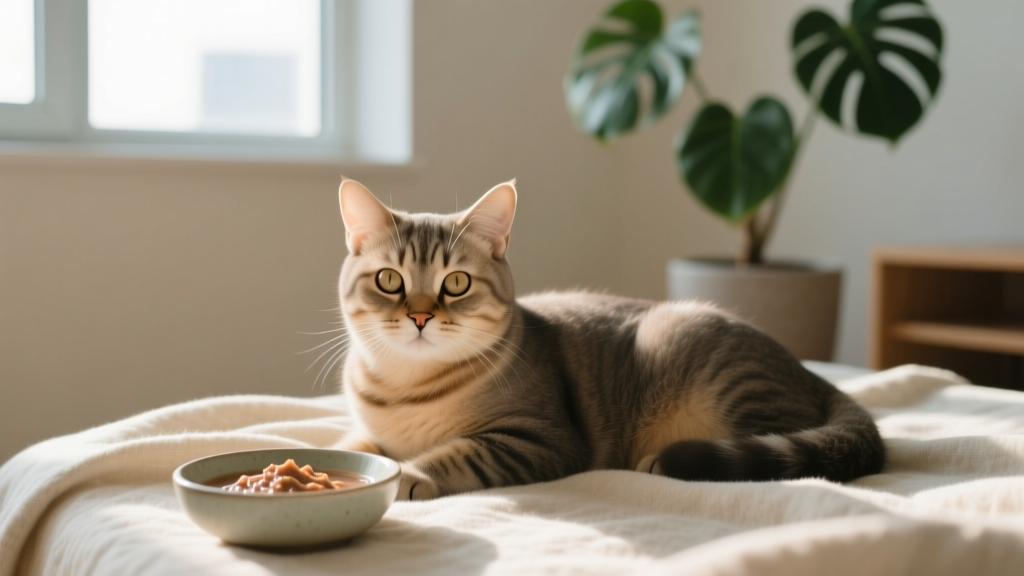
Feeding Cats With Gastrointestinal Lymphangiectasia: Low-Fat
1. Why this nutrition topic matters for cat health
Gastrointestinal lymphangiectasia (often shortened to “intestinal lymphangiectasia”) is an uncommon but serious disorder where intestinal lymphatic vessels become dilated and leaky. When those lymphatics leak, cats can lose protein, lymph fluid, fat, and fat-soluble vitamins into the gut. The result may be chronic diarrhea, weight loss, fluid buildup (ascites or pleural effusion), poor coat quality, weakness, and recurring gastrointestinal flare-ups.
Nutrition is a cornerstone of management because dietary fat is absorbed through intestinal lymphatics. When those lymphatics are diseased, higher-fat meals can worsen lymph flow and leakage, aggravating protein loss and intestinal inflammation. A well-designed low-fat diet can reduce stress on the lymphatic system, support stool quality, and help stabilize body condition and blood proteins. Diet alone rarely “cures” the condition, but it often makes medical therapy work better and reduces relapse risk.
Always work with your veterinarian (and ideally a board-certified veterinary nutritionist) when changing diets for lymphangiectasia. Many cats need medication (e.g., steroids, immunosuppressants, B12 supplementation) along with diet changes, and some require tailored nutrient targets based on lab results.
2. Scientific background: feline nutritional needs (obligate carnivore biology)
Cats are obligate carnivores, meaning their metabolism is adapted to nutrients found in animal tissues. This matters because “low-fat” should not accidentally become “low-protein” or overly carbohydrate-heavy.
- High protein requirement: Cats use amino acids continuously for energy and have limited ability to downregulate protein breakdown. Chronic GI disease plus inadequate protein intake can rapidly lead to muscle wasting.
- Essential nutrients from animal sources: Taurine, preformed vitamin A, arachidonic acid, and vitamin D are required and are naturally abundant in animal ingredients.
- Fat is still essential: Even when fat must be restricted, cats still need essential fatty acids (EFAs) and fat-soluble vitamins (A, D, E, K). The goal is fat restriction to reduce lymphatic load, not fat elimination.
- Limited fiber needs, but fiber can be strategic: Some cats benefit from moderate, fermentable fiber to support stool consistency and microbiome health, while others worsen with too much fiber.
- Hydration matters: Chronic diarrhea and poor intake can predispose to dehydration. Wet foods can help maintain hydration and support appetite.
3. Detailed analysis: what “low-fat” means for feline lymphangiectasia
Lymphangiectasia falls under a broader category of protein-losing enteropathy (PLE). Dietary goals focus on reducing intestinal lymph flow, improving nutrient absorption, and preventing deficiencies.
Key nutrition goals
- Lower dietary fat: Less fat reduces chylomicron transport through intestinal lymphatics, potentially lowering lymph pressure and leakage.
- Highly digestible protein: Helps maintain muscle mass and supports albumin production without adding excess residue that can worsen diarrhea.
- Controlled fiber (individualized): A small to moderate amount can help stool quality; excess can reduce digestibility and calorie density.
- Correct micronutrients: Monitor and supplement as needed: cobalamin (B12), folate, fat-soluble vitamins, and minerals.
- Calorie adequacy: Low-fat diets are often less calorie-dense. Some cats lose weight unless calories are carefully managed.
How low is “low-fat” for cats?
There is no single universal fat target that fits every cat with lymphangiectasia because severity varies, and many cats have concurrent inflammatory bowel disease (IBD), pancreatitis, or food sensitivities. That said, veterinary therapeutic “low-fat GI” diets generally aim for a clearly reduced fat level compared with typical adult maintenance foods.
Practical takeaway: Choose a veterinarian-recommended therapeutic GI diet labeled low fat, and let your vet interpret the product’s fat level in context of your cat’s labs, stool quality, body condition, and clinical response.
Protein-losing enteropathy risks: why supplementation is common
- Low albumin/total protein: Can lead to fluid accumulation and weakness; diet supports, but medication often needed.
- Vitamin B12 deficiency: Common in chronic small intestinal disease; low B12 worsens appetite, weight loss, and diarrhea.
- Fat-soluble vitamin deficiencies: Low-fat diets and fat malabsorption may reduce vitamins A, D, E, and K absorption. Supplementation should be guided by a veterinarian to avoid toxicity.
Evidence-based approach: diet as part of a multimodal plan
Current veterinary nutrition and internal medicine guidance supports dietary fat restriction and high digestibility as standard management tools for intestinal lymphangiectasia/PLE. Most cats do best when diet therapy is combined with diagnostic monitoring (body weight, body condition score, albumin/total protein, cholesterol, electrolytes, cobalamin) and medical management where appropriate.
4. Practical recommendations for cat owners
What to feed (core strategy)
- Start with a veterinary therapeutic low-fat gastrointestinal diet (wet, dry, or mixed as advised). These diets are formulated to be complete and balanced while restricting fat and optimizing digestibility.
- Prefer wet food when possible for hydration support and palatability, unless your cat’s plan specifically favors dry for calorie delivery or other reasons.
- Feed smaller, more frequent meals (e.g., 3–6 meals/day). This can reduce intestinal workload per meal and may improve tolerance.
- Use measured portions with a gram scale for consistent calorie delivery, especially if weight loss is a concern.
Lean treat strategy (only if your vet approves)
Treats can sabotage fat restriction. If treats are allowed, keep them to ≤10% of daily calories and choose very low-fat options.
| Treat approach | Pros | Cons / risks | Best use |
|---|---|---|---|
| Use the therapeutic diet as treats | Maintains fat target; nutritionally balanced | Less “exciting” for some cats | Most reliable option |
| Freeze-dried meats (small amounts) | High palatability | Many are not low-fat; can trigger relapse | Only with vet approval and label checking |
| Human foods (e.g., chicken breast) | Low fat if truly lean and plain | Unbalanced; hidden fats; seasoning risk | Occasional micro-treats if approved |
Foods and add-ons to avoid
- High-fat meats and fish: salmon, sardines, dark turkey, duck, lamb, bacon, sausage
- Oils and “calorie boosters”: fish oil, coconut oil, butter, cream, cheese (unless your vet specifically prescribes an EFA strategy)
- Rich toppers: gravy-heavy foods, fatty broths, “stew” pouches with high fat
- Unsupervised homemade diets: risk of nutrient deficiencies and accidental high fat
5. Comparing options: products and approaches
There are several evidence-based dietary routes, and the “best” choice depends on your cat’s response, preferences, and concurrent disease.
| Approach | What it is | When it can work well | Limitations |
|---|---|---|---|
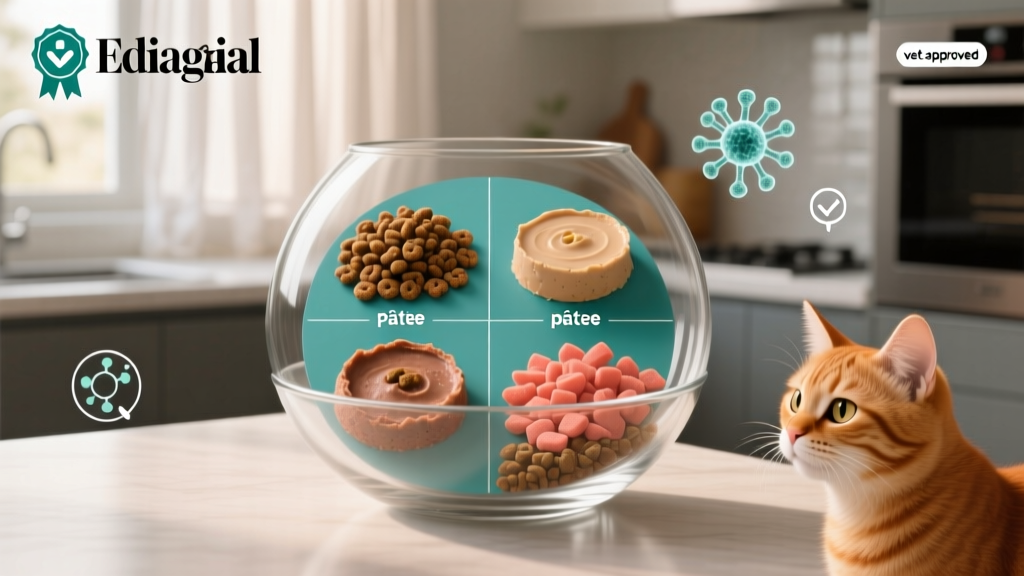
| Therapeutic veterinary low-fat GI diet | Commercial diet formulated for digestibility and fat restriction | First-line choice for most cats; easiest to keep balanced | Some cats dislike it; may require trialing wet vs dry or different textures |
| Hydrolyzed protein low-fat plan | Proteins broken down to reduce immune reactivity | If food-responsive enteropathy/IBD overlaps with lymphangiectasia | Not all hydrolyzed diets are low-fat; label details matter |
| Novel protein + low-fat strategy | Single, uncommon protein with controlled fat | If suspected food allergy and cat refuses hydrolyzed diets | Harder to keep truly low-fat and nutritionally complete without veterinary formulation |
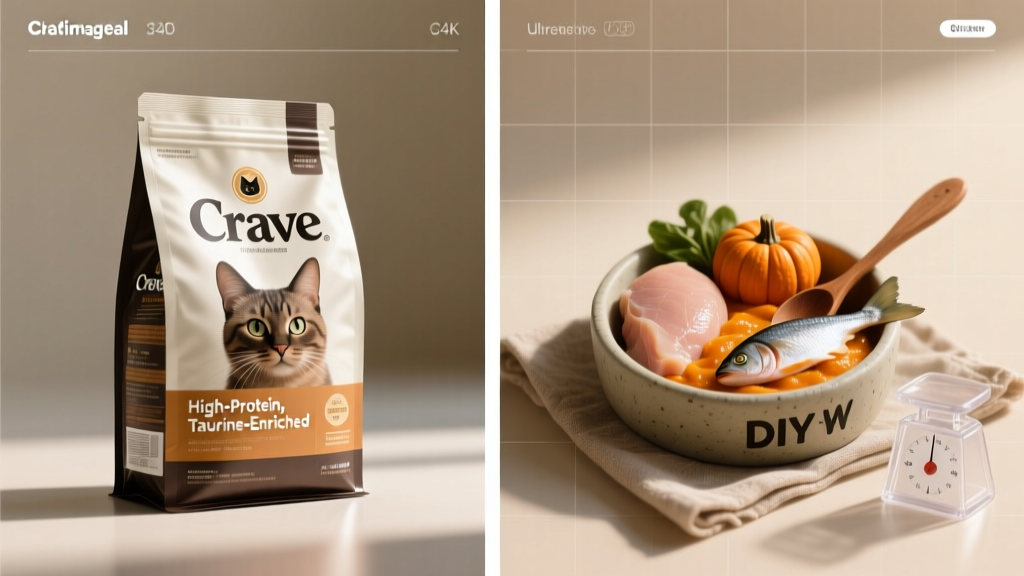
| Veterinary-formulated home-cooked low-fat diet | Recipe designed by a veterinary nutritionist | For cats with multiple intolerances or strong food aversions | Requires precision, supplements, and ongoing monitoring |
6. Common mistakes and misconceptions to avoid
- Myth: “Grain-free is better for GI disease.”
Fact: Grain-free does not mean low-fat, hypoallergenic, or more digestible. Some grain-free foods are very high in fat and can worsen lymphangiectasia. - Myth: “A raw diet is more ‘natural’ and easier to digest.”
Fact: Many raw diets are high-fat, variable in nutrient balance, and increase pathogen risk. Cats with GI disease may be more vulnerable to complications. - Mistake: Cutting fat so low that calories collapse.
Low-fat diets can be less calorie-dense. If portion sizes aren’t increased (or meal frequency isn’t adjusted), weight loss and muscle loss can accelerate. - Mistake: Using fish oil without guidance.
Omega-3s may help some inflammatory conditions, but oils add fat and calories and may trigger GI upset. Dose and need should be veterinarian-directed. - Mistake: Frequent diet hopping.
Constant changes make it hard to judge response and can worsen diarrhea. Most diet trials need consistency unless a cat deteriorates.
7. How to implement changes safely (transition tips)
Cats with lymphangiectasia may be sensitive to abrupt changes. Aim for a gradual transition unless your veterinarian recommends an immediate switch due to severity.
- Typical transition: 7–10 days (sometimes 14+ days for sensitive cats)
- Step plan:
- Days 1–3: 25% new diet, 75% old
- Days 4–6: 50% new, 50% old
- Days 7–9: 75% new, 25% old
- Day 10+: 100% new
- Stool and appetite rule: If diarrhea worsens or appetite drops for more than 24 hours, pause at the current step and contact your vet.
- Weigh weekly: Use a baby scale if possible. Rapid loss (or gain) should trigger a vet check-in.
- Reduce stress around meals: Quiet feeding location, predictable schedule, multiple small meals.
8. Special considerations (age, health conditions, activity level)
Kittens
Lymphangiectasia is rarer in kittens, but growth changes everything: kittens need higher calories, protein, and specific mineral balance. Do not use an adult low-fat plan without veterinary direction. If a kitten is affected, your veterinarian may prioritize growth while still controlling fat, often with specialist input.
Seniors
Senior cats are more prone to muscle loss. A low-fat diet must still deliver adequate high-quality protein and enough calories to maintain lean mass. Arthritis, dental disease, and reduced smell can reduce intake, making palatability and meal frequency especially important.
Concurrent pancreatitis
Some cats with chronic enteropathies also have pancreatitis. Fat restriction may be helpful, but management is individualized. If vomiting, abdominal pain, or anorexia occur, contact your veterinarian promptly.
IBD or food sensitivity overlap
If lymphangiectasia coexists with IBD, the diet may need to be both low-fat and limited ingredient/hydrolyzed. This is where therapeutic diets often outperform over-the-counter choices.
Low appetite or nausea
Many cats need anti-nausea medication, appetite support, or B12 injections. Pushing diet changes without addressing nausea often fails. Tell your vet if your cat sniffs food and walks away, drools, or lip-smacks.
Activity level and indoor lifestyle
Less active cats need fewer calories, but with lymphangiectasia you still need enough intake to maintain muscle and normal labs. Portion control should be precise, not based on guesswork.
FAQ: Feeding cats with gastrointestinal lymphangiectasia
1) Can my cat ever eat a normal-fat diet again?
Some cats can tolerate modest increases after long-term stability, but many relapse with higher fat. Decisions should be based on clinical signs, body weight, and repeat lab values (albumin/total protein, cholesterol, cobalamin). Make changes only with veterinary guidance.
2) Is wet food always better than dry for lymphangiectasia?
Not always. Wet food can improve hydration and may be more palatable, but what matters most is the diet’s fat level, digestibility, and nutritional completeness. Some cats do best on a mixed plan or a specific texture. Your vet can help you choose the best format.
3) Should I add pumpkin or fiber to firm up stools?
Sometimes small amounts of appropriate fiber help stool consistency, but fiber can also reduce digestibility and calorie density. Never add large amounts without guidance. If your cat has persistent diarrhea, ask your vet about targeted fiber types, probiotics, and whether infection/parasites have been ruled out.
4) Are probiotics helpful?
Some cats benefit from specific veterinary probiotics, particularly as part of chronic enteropathy management. Effects are strain- and product-dependent. Choose a veterinary-recommended product and monitor response for 3–4 weeks.
5) Can I home-cook a low-fat diet for this condition?
Yes, but it should be formulated by a veterinary nutritionist to avoid deficiencies (taurine, calcium/phosphorus balance, essential fatty acids, vitamins). “Lean chicken and rice” is not complete and can worsen malnutrition over time.
6) What warning signs mean the diet isn’t working?
- Worsening diarrhea or vomiting
- Refusal to eat or eating significantly less for >24 hours
- Rapid weight loss, muscle wasting, or lethargy
- Fluid-filled belly, labored breathing, or sudden weakness
These require prompt veterinary attention.
Practical checklist to discuss with your veterinarian
- Which therapeutic low-fat diet (wet/dry) best fits my cat’s case and preferences?
- What daily calorie target should I feed to maintain weight and muscle?
- Should we test and supplement cobalamin (B12)?
- Do we need to monitor fat-soluble vitamins or coagulation (vitamin K status)?
- How often should we recheck albumin/total protein and body weight?
- What treats (if any) are allowed?
If your cat has been diagnosed with gastrointestinal lymphangiectasia, a carefully chosen veterinary low-fat diet plus consistent monitoring can be a major step toward better stools, steadier weight, and improved quality of life. For more practical, science-based feeding guides tailored to real-life cat households, explore the nutrition articles at catloversbase.com.