Cat Food Storage Container Materials: BPA and Leaching Risk
1) Should I stop using plastic containers for cat food?
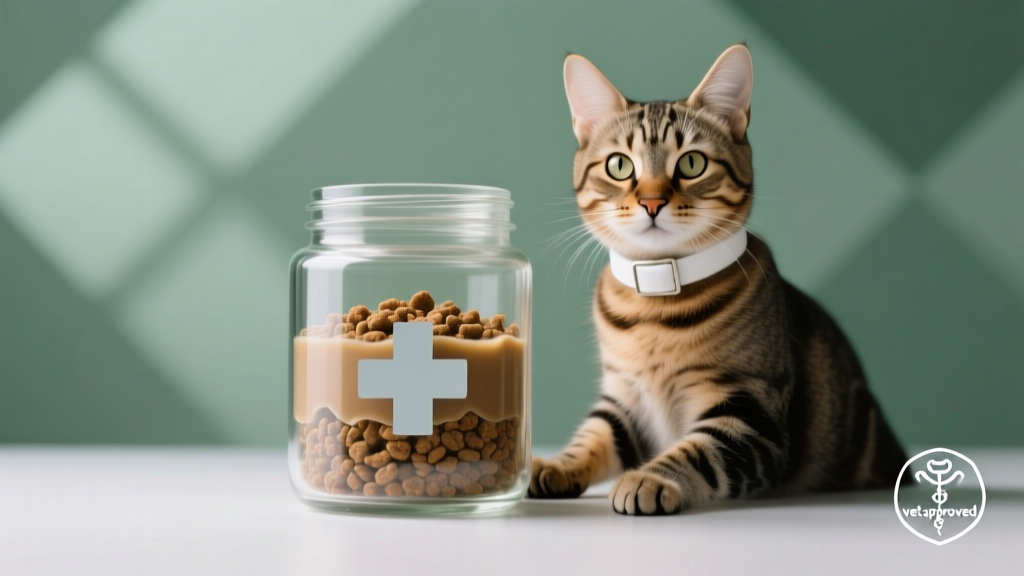
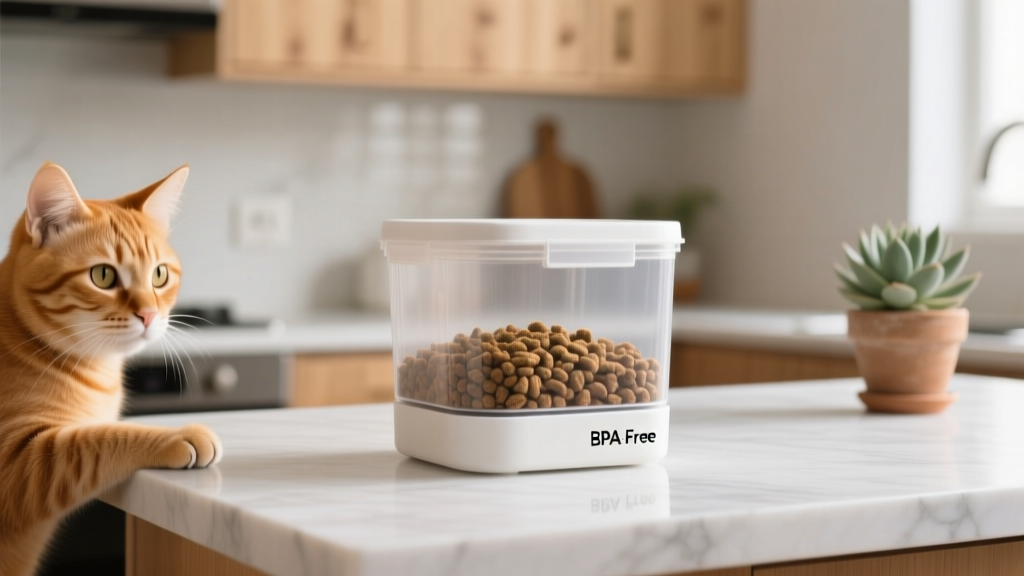
Not necessarily. If you want to minimize leaching risk, glass or stainless steel are the most straightforward upgrades. If you keep using plastic, reduce risk by storing the kibble in its original bag inside the container, keeping it cool, avoiding scratches, and replacing the container when it’s worn or retains odors.
2) Is BPA mainly a concern for dry food containers or canned food?
BPA discussions often focus on can linings (epoxy resins) more than home storage bins. For dry food at home, the bigger day-to-day issue is usually freshness (oxidation) rather than BPA specifically—but choosing stable storage materials and avoiding heat still makes sense.
3) Does freezing kibble reduce oxidation or chemical migration?
Freezing can slow oxidation, but it can introduce moisture/condensation issues when you remove portions repeatedly. If you freeze kibble, portion it into airtight bags or containers so you thaw only what you’ll use in a short period. Let it reach room temperature before opening to reduce condensation.
4) What’s the safest way to store leftover canned food?
Transfer leftovers to a clean glass or stainless-steel container with a tight lid and refrigerate promptly. Alternatively, use a well-fitting silicone can cover for short storage. Warm servings using a warm-water bath or mix with warm water—avoid heating in plastic.
5) Can rancid kibble make my cat sick?
Rancid fats can reduce palatability and may contribute to GI upset in some cats. It also signals nutrient degradation. If kibble smells “off,” looks oily beyond normal, or your cat suddenly refuses it, discard it and start fresh. If vomiting, diarrhea, or appetite loss persists, consult your veterinarian.
6) Are “pet-specific” containers better than regular food containers?
Not automatically. What matters is food-grade construction, an effective airtight seal, ease of cleaning, and durability. Many excellent options are standard kitchen-grade glass or stainless steel containers. Look for materials that resist odors and scratches, and choose a size that matches how quickly your household uses the food.
Bottom line: Choose storage that keeps food fresh and minimizes chemical exposure opportunities: cool, dark, airtight, and made from stable materials like glass or stainless steel when possible. For cats with medical conditions or special diets, ask your veterinarian for guidance on the best feeding and storage routine for your cat’s specific needs.
If you want more practical, vet-aligned nutrition tips—hydration strategies, label-reading guides, and meal planning for different life stages—explore more cat nutrition resources on catloversbase.com.