Cat Food Phosphorus Levels and Chronic Kidney Disease
1) How do I know if my cat needs a low-phosphorus diet?
A veterinarian determines this based on bloodwork (kidney values and phosphorus), urinalysis (including urine concentration and protein), blood pressure, and often imaging. If your cat is diagnosed with CKD or has elevated phosphorus or early markers of kidney stress, your vet may recommend phosphorus control.
2) Is wet food always better for CKD cats?
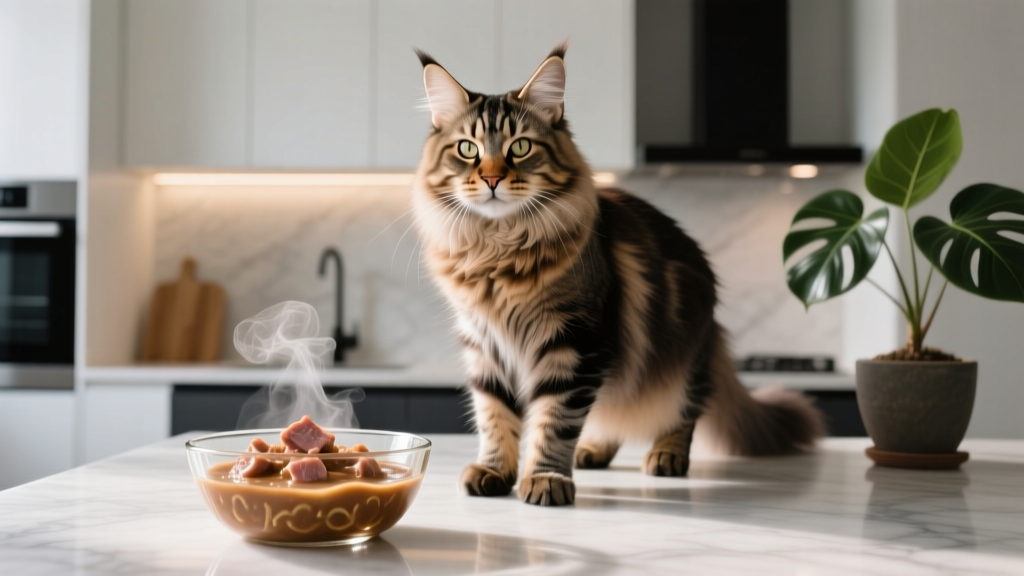
Wet food helps increase water intake, which can support hydration in many CKD cats. The best choice is the one your cat consistently eats that also meets your veterinarian’s nutrition goals (especially phosphorus targets). Some cats do well on a combination plan (mostly wet, some dry) depending on appetite and household logistics.
3) Can I just pick a “low phosphorus” food from an online list?
Use lists as a starting point, not a final answer. Formulas change, reporting methods differ, and your cat’s needs are individual. Whenever possible, confirm phosphorus as mg/100 kcal with the manufacturer and review choices with your veterinarian.
4) Are fish-based foods good or bad for CKD?
Fish can be highly palatable, but many fish-forward diets are higher in phosphorus and may include phosphate additives. Some CKD cats also become “stuck” on fish flavors and refuse other foods. If fish helps your cat eat, talk to your vet about rotating proteins and selecting options that meet phosphorus targets.
5) Do phosphate binders replace the need for a renal diet?
Usually no. Binders are often used with a kidney-support diet when phosphorus remains high. A renal diet addresses more than phosphorus (calories, sodium, potassium balance, omega-3s, buffering capacity). Your veterinarian will decide if binders are appropriate based on lab results and what your cat will eat.
6) My cat has early kidney disease but still seems fine—should I change diet now?
Early CKD is often silent. Nutrition changes can still be beneficial, but timing depends on staging, phosphorus trends, body condition, and appetite. Ask your vet about early intervention options, including gradual phosphorus reduction, hydration strategies, and monitoring frequency.
Veterinary reminder: CKD nutrition is highly individualized. Always consult your veterinarian before making significant dietary changes, adding supplements, or using phosphate binders.
If you found this guide helpful, explore more practical cat nutrition and feeding guides on catloversbase.com to build a diet plan that supports your cat’s health at every life stage.