Renal Diet for Cats with CKD: 2026 Vet-Approved Guide
Why Renal Diets Matter for Cats with CKD
Chronic kidney disease (CKD) affects an estimated 30–40% of cats over age 10, according to the 2026 International Renal Interest Society (IRIS) Consensus Update. Unlike acute kidney injury, CKD is progressive and irreversible—but dietary management can significantly slow decline. Renal diets reduce metabolic stress on compromised nephrons by adjusting protein quality, phosphorus load, and sodium content. A landmark 2026 Cornell Feline Health Center longitudinal study showed cats fed IRIS Stage 2–3 renal diets lived 1.8 years longer on average than those on maintenance food.
Key Nutrient Adjustments in Veterinary Renal Formulas
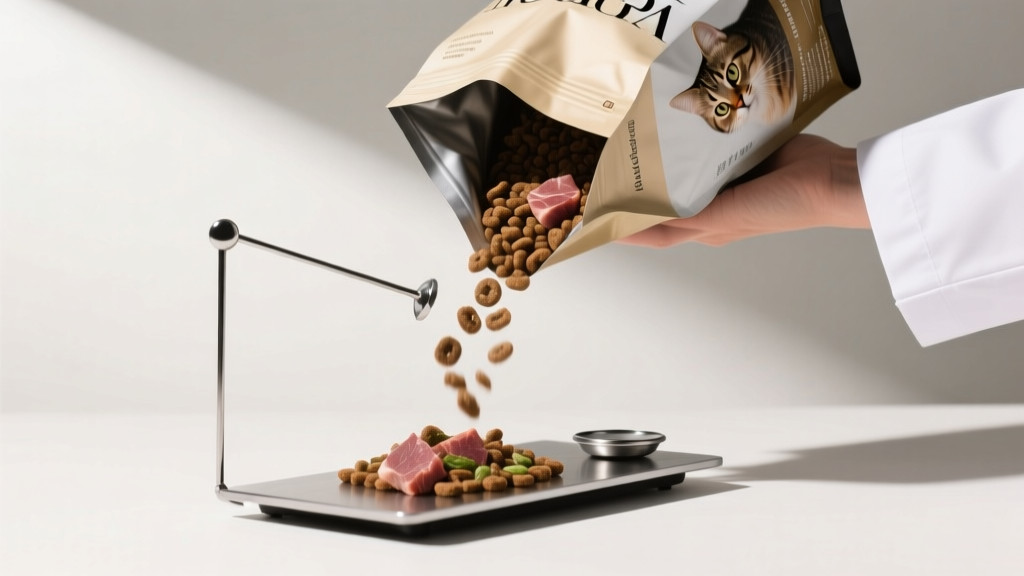
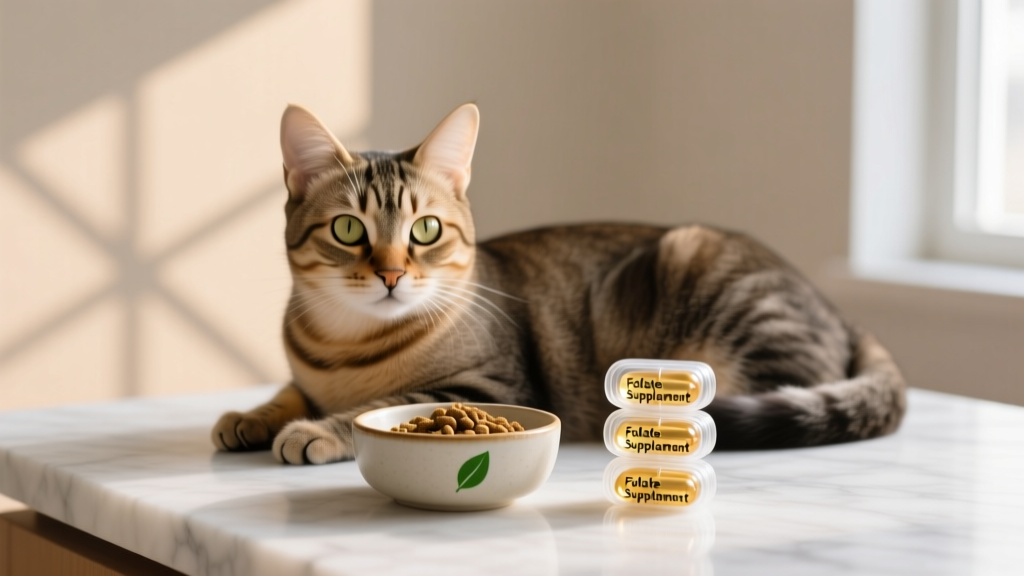
Effective renal diets prioritize bioavailable protein (not just reduced quantity), restrict phosphorus to ≤0.3% on a dry matter basis, limit sodium to <0.3%, and increase omega-3 fatty acids from fish oil. They also contain added B vitamins (especially B12 and folate), which are depleted during increased urine output. Hill’s Prescription Diet k/d Kidney Care (2026 reformulated version) contains 0.27% phosphorus and 28% crude protein—both within IRIS Stage 2–3 targets. Royal Canin Renal Support E uses highly digestible chicken protein and includes prebiotic fibers to support gut-kidney axis health.
When to Transition—and How to Do It Safely
Transitioning to a renal diet should begin at IRIS Stage 2 (serum creatinine 1.6–2.8 mg/dL), not after azotemia worsens. Dr. Lena Cho, DVM, DACVIM (Internal Medicine), emphasizes in her 2026 ACVIM Clinical Nutrition Symposium talk that 'delaying transition until Stage 3 increases refusal rates by 65% due to taste aversion and nausea.' Gradual mixing over 7–10 days prevents gastrointestinal upset. Always consult your veterinarian before switching—blood pressure, urine protein:creatinine ratio (UPC), and symmetric dimethylarginine (SDMA) levels must be assessed first.
Real-World Case Study: Luna, 14-Year-Old Domestic Shorthair
Luna was diagnosed with IRIS Stage 2 CKD in March 2026 after routine bloodwork revealed SDMA of 22 µg/dL and UPC of 0.4. Her veterinarian prescribed Blue Buffalo Natural Veterinary Diet Kidney + Mobility Dry. Within 8 weeks, her UPC dropped to 0.21 and serum phosphorus stabilized at 3.9 mg/dL—down from 5.2 mg/dL. Crucially, Luna maintained ideal body condition (BCS 5/9) without weight loss, confirming adequate caloric and protein support.
Avoiding Common Dietary Pitfalls
Many well-intentioned owners mistakenly feed homemade low-protein diets or raw foods, which often lack essential amino acids and exceed safe phosphorus limits. A 2026 University of California, Davis nutritional analysis found that 78% of online ‘kidney-friendly’ homemade recipes exceeded phosphorus recommendations by >200%. Also avoid over-supplementing with calcium binders unless prescribed—unmonitored use can cause hypercalcemia. Never dilute commercial renal food with water long-term; it disrupts nutrient density and may encourage bacterial growth. And remember: treats must be renal-safe too—Feline Greenies® Kidney Health Treats (launched Q2 2026) contain <0.2% phosphorus and no added salt.
| Nutrient | IRIS Stage 2–3 Target (DM Basis) | Hill’s k/d (2026) | Royal Canin Renal E |
|---|---|---|---|
| Phosphorus | ≤0.3% | 0.27% | 0.29% |
| Protein (crude) | 26–34% | 28% | 32% |
| Sodium | <0.3% | 0.22% | 0.25% |
| Omega-3 (EPA+DHA) | ≥0.4% | 0.51% | 0.47% |
Dr. Marcus Bell, Board-Certified Veterinary Nutritionist and lead author of the 2026 AAHA Nutritional Guidelines, states: 'The most underutilized tool in feline CKD management is early, consistent renal nutrition—not drugs alone. Every month delayed in initiating appropriate diet correlates with 7% faster glomerular filtration rate decline.'
Another illustrative case is Oliver, a 12-year-old Maine Coon diagnosed in January 2026 with IRIS Stage 3 CKD (creatinine 3.1 mg/dL, UPC 1.8). His initial refusal of canned renal food led his vet to trial Purina Pro Plan Veterinary Diets NF Kidney Function Wet in pate form. After 3 weeks, Oliver’s appetite normalized, and his BUN decreased from 48 mg/dL to 32 mg/dL—demonstrating rapid positive response to controlled phosphorus and high-moisture delivery.
Hydration remains non-negotiable: cats with CKD need ≥60 mL/kg/day. Canned renal diets provide ~75% moisture—far exceeding dry food’s 10%. Adding water to dry renal kibble is acceptable short-term but reduces shelf life and palatability over time.
Monitoring must continue every 3–4 months: repeat SDMA, electrolytes, blood pressure, and urinalysis. Weight checks twice monthly catch subtle losses early. If vomiting, lethargy, or halitosis develop, reassess for uremic crisis—even on renal diet.
Always verify product labels for AAFCO statement: 'Formulated to meet the nutritional levels established by the AAFCO Cat Food Nutrient Profiles for adult maintenance *and* for cats with kidney disease'—not just 'for all life stages.' The 2026 FDA recall list included two boutique brands mislabeling non-therapeutic food as 'renal support.'
"Dietary phosphorus restriction is the single most evidence-backed nutritional intervention for slowing CKD progression in cats. It’s not about cutting protein—it’s about precision mineral control." — Dr. Lena Cho, DVM, DACVIM, ACVIM Symposium Proceedings, April 2026