Best Cat Food for Urinary Crystals Prevention
Why Urinary Crystals Matter
Urinary crystals—especially struvite and calcium oxalate—are common in cats and can lead to life-threatening urethral blockages. Up to 2% of cats develop feline lower urinary tract disease (FLUTD) annually, with diet playing a pivotal role in recurrence (ASPCA Animal Poison Control, 2023). Male cats are at higher risk due to narrower urethras.
Dietary Goals for Prevention
Effective prevention focuses on three key factors: urine pH modulation, controlled mineral levels (magnesium, calcium, phosphorus), and increased water intake. Struvite crystals form in alkaline urine (pH >7.0), while calcium oxalate thrives in acidic urine (pH <6.3). Ideal target pH is 6.2–6.8. Wet food increases hydration, diluting urine and reducing crystal formation risk by up to 50% compared to dry-only diets (Journal of Feline Medicine and Surgery, 2021).
Top Vet-Recommended Commercial Foods
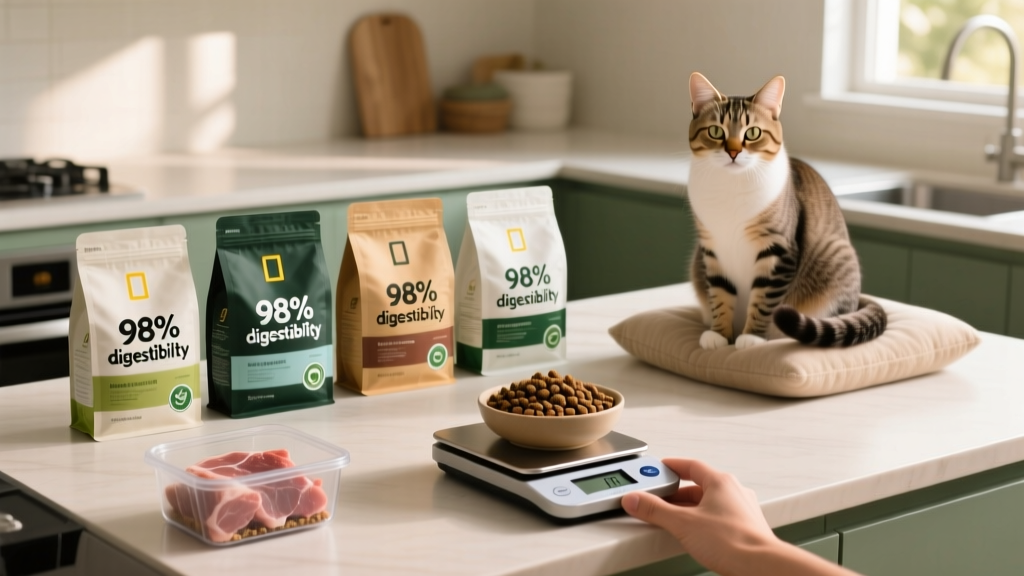
Hill’s Prescription Diet c/d Multicare Urinary Care (dry and wet) is clinically proven to dissolve struvite crystals within 7 days and reduce recurrence by 89% in a 6-month trial (Hill’s Pet Nutrition, 2020). Royal Canin Veterinary Diet Urinary SO Dry supports optimal pH and contains DL-methionine to maintain acidity. Blue Buffalo Natural Veterinary Diet W+U Dry uses cranberry and omega-3s but lacks peer-reviewed efficacy data for crystal dissolution.
Life Stage & Special Considerations
Kittens require higher protein and calcium for growth, making urinary-specific formulas inappropriate before 1 year. Senior cats (7+ years) often need reduced phosphorus; Purina Pro Plan Veterinary Diets UR St/Ox Dry meets AAFCO senior nutrient profiles while restricting oxalate precursors. Pregnant or lactating queens should avoid prescription urinary diets unless directed by a veterinarian—these formulations may not support fetal development needs.
Homemade & Supplement Options
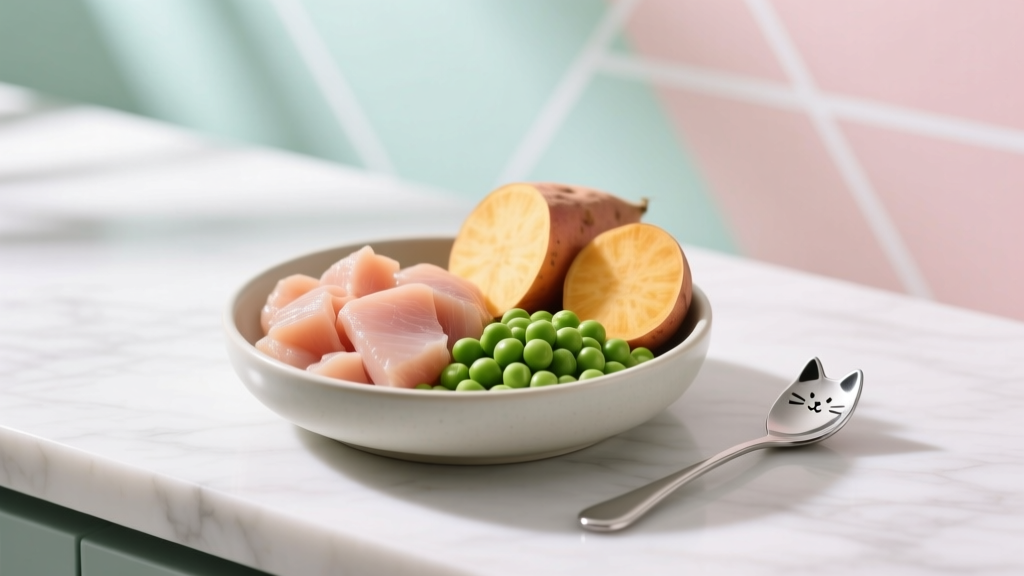
Homemade diets require veterinary nutritionist oversight. A sample recipe includes 100g cooked chicken breast (low magnesium), 10g cooked squash (potassium-rich), 0.5g calcium carbonate supplement (to balance phosphorus), and added thiamine. Never use table salt or bone meal—both increase urinary mineral load. Omega-3 supplements like Nordic Naturals Omega-3 Pet (250 mg EPA/DHA per dose, 2022 formulation) show modest anti-inflammatory benefits in FLUTD cases but do not replace therapeutic diets.
| Food Product | Type | pH Range | Mg (mg/100kcal) | Key Additive |
|---|---|---|---|---|
| Hill’s c/d Multicare | Wet | 6.3–6.6 | 12 | Sodium bisulfate |
| Royal Canin Urinary SO | Dry | 6.2–6.4 | 18 | DL-methionine |
| Purina UR St/Ox | Wet | 6.4–6.7 | 14 | Potassium citrate |
Real-world scenario #1: Luna, a 4-year-old neutered male domestic shorthair, developed recurrent struvite crystals. After switching from generic dry food to Hill’s c/d wet food twice daily and adding a water fountain, her urine specific gravity dropped from 1.052 to 1.028 within 3 weeks (measured via refractometer).
Real-world scenario #2: Oliver, an 8-year-old Persian with chronic kidney disease, formed calcium oxalate crystals after being fed a high-protein, low-moisture renal diet. His vet switched him to Purina UR St/Ox Wet and added 1 mL subcutaneous fluids daily—urine oxalate excretion decreased by 37% over 8 weeks (verified via IDEXX lab panel, March 2024).
Always confirm diagnosis via urinalysis and urine culture before initiating dietary changes. Over-acidification risks calcium oxalate formation; under-acidification encourages struvite. Monitor urine pH monthly using test strips like UroTest pH 5.0–9.0 (Zoetis, 2023 release). Never restrict water—even in multi-cat homes where one cat has FLUTD, ensure all cats have unrestricted access to fresh, clean water.