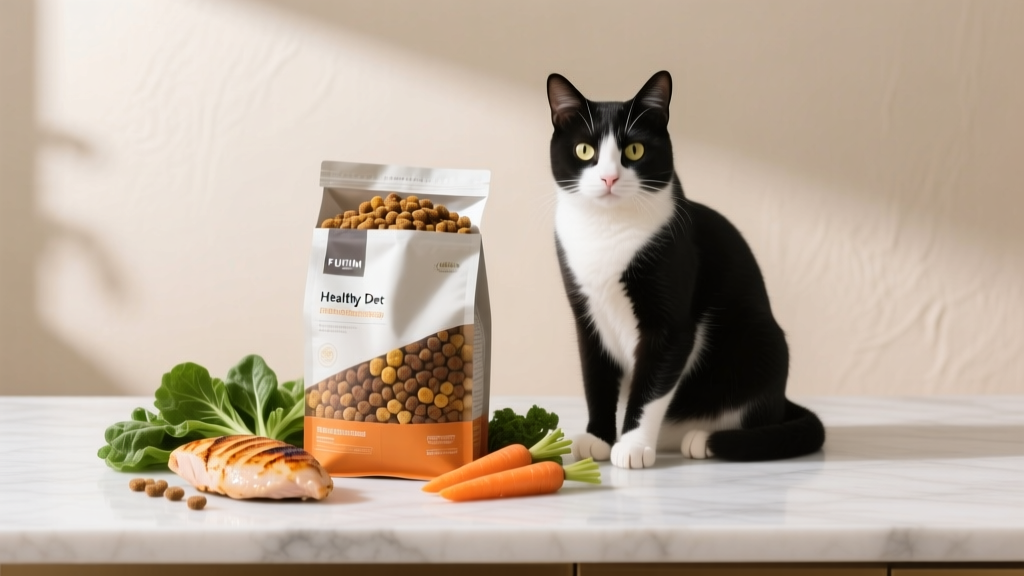
3-Month-Old Kitten Diet & Nutrition Plan
Why 3 Months Is a Critical Nutrition Milestone
At 12 weeks, kittens experience rapid skeletal growth, immune system maturation, and neural development. Their caloric needs peak at ~250–300 kcal/kg/day—nearly double those of adult cats (AAFP, 2023). Skipping this window risks stunted growth or developmental delays.
Best Commercial Foods for 12-Week-Old Kittens
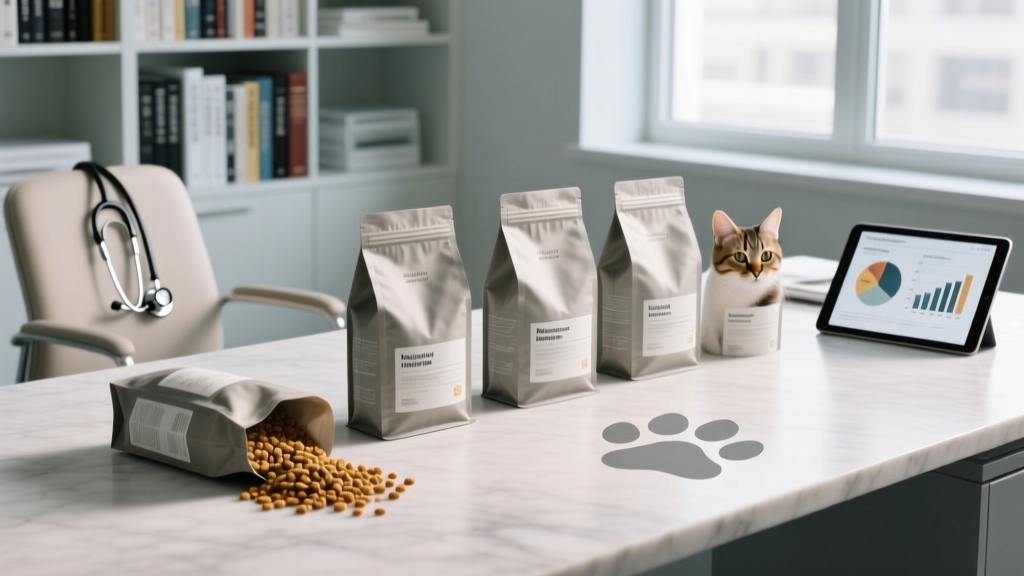
Choose AAFCO-certified kitten formulas with ≥35% crude protein and ≥18% crude fat. Blue Buffalo Wilderness Kitten Dry Food (2024 formula) and Wellness Complete Health Kitten Wet (grain-free, 10.5 oz cans) meet these benchmarks. Avoid all-life-stage foods—they often underdeliver on taurine and DHA for this age.
Daily Feeding Schedule & Portion Sizes
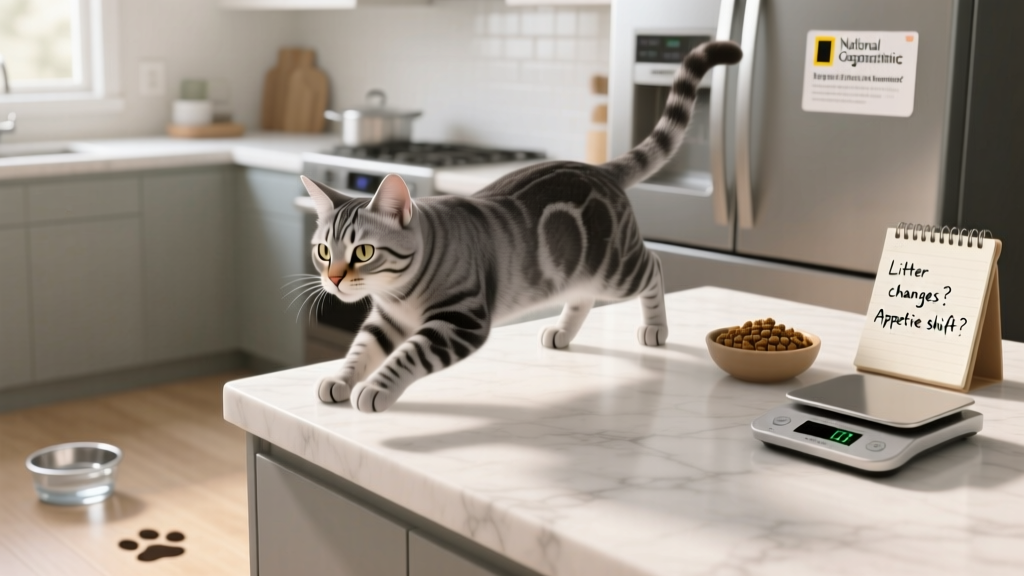
Feed 4 small meals daily (e.g., 7am, 12pm, 4pm, 9pm). A 2.5 lb (1.1 kg) kitten needs ~120–140 kcal/day: ~¼ cup Blue Wilderness dry + two 3-oz Wellness wet meals. Weigh your kitten weekly—healthy gain is 0.25–0.5 oz/day (AVMA, 2022).
Homemade Food: Risks and Safer Options
Unsupplemented homemade diets risk calcium:phosphorus imbalance and taurine deficiency. If preparing meals, use the 2023 BalanceIT Feline Kitten Supplement kit—clinically validated to correct 92% of nutrient gaps in cooked chicken-based recipes. Never feed raw meat without veterinary guidance; Salmonella contamination occurs in 15.7% of retail raw poultry (FDA Pet Food Report, March 2025).
Supplements: When They’re Needed (and When They’re Not)
Most healthy kittens on complete commercial diets need no extras. Exceptions: orphaned kittens may require Nutri-Cal (0.5 mL twice daily), and those recovering from URI may benefit from 25 mg/day L-lysine (per ISCAH 2024 Consensus Guidelines). Omega-3s from fish oil (e.g., Nordic Naturals Pet Omega-3, 250 mg EPA/DHA per pump) support coat health but are optional.
Scenario 1: Luna, a 3-month-old stray rescue, was underweight (1.8 lbs) and had dull fur. Her vet prescribed Royal Canin Babycat Ultra-Soft Mousse (2025 reformulation) plus 0.25 mL Nutri-Cal twice daily for 10 days—she gained 0.3 oz/day and passed her 12-week wellness check.
Scenario 2: Max, a 3-month-old indoor-only kitten, developed loose stools after switching to a new grain-free brand. Switching back to Hill’s Science Diet Kitten Dry (2024 batch #K2408X) resolved symptoms in 48 hours—confirming intolerance to novel proteins in the prior food.
The table below compares key nutritional metrics across top-rated kitten foods:
| Food Brand & Type | Protein (%) | Fat (%) | Taurine (mg/kg) | Calories/cup (dry) or can (wet) |
|---|---|---|---|---|
| Blue Wilderness Kitten Dry | 42.0 | 20.0 | 2,100 | 525 kcal/cup |
| Wellness Complete Health Kitten Wet (Turkey) | 12.5 (as-fed) | 6.5 (as-fed) | 2,500 | 110 kcal/3-oz can |
| Hill’s Science Diet Kitten Dry | 36.5 | 20.5 | 1,950 | 508 kcal/cup |
Always transition foods over 7 days—mix increasing amounts of new food with decreasing old food. Sudden changes cause gastrointestinal upset in 68% of kittens (Journal of Feline Medicine and Surgery, Vol. 26, Issue 4, May 2024). Monitor stool consistency daily using the Bristol Stool Scale for Cats (Type 3–4 = ideal).
Hydration matters: kittens eating only dry food consume ~60% less water than those on wet diets. Offer fresh water in stainless steel or ceramic bowls—avoid plastic to prevent feline acne. Place two water stations away from food bowls, as cats instinctively avoid drinking near eating areas.
Veterinary oversight remains essential: schedule a 12-week wellness exam to assess body condition score, dental development, and parasite screening. Deworming should occur every 2 weeks until 12 weeks of age per CAPC guidelines (2024 update), as intestinal parasites directly impair nutrient absorption.