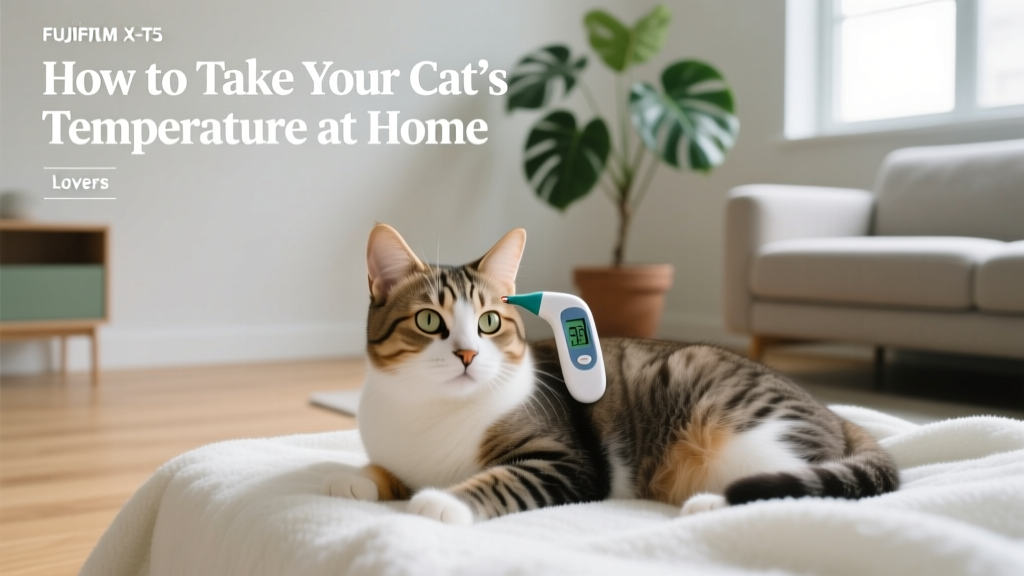
How to Take Your Cat's Temperature at Home
1. Why this topic matters to cat owners
A cat’s temperature is one of the most useful clues you can gather when your cat seems “off.” Cats are experts at hiding illness and pain, so changes in appetite, energy, or behavior may be subtle. Checking your cat’s temperature at home can help you:
- Decide whether your cat needs urgent veterinary care
- Track recovery after illness or surgery (with your veterinarian’s guidance)
- Provide accurate information to your vet, which can speed up diagnosis and treatment
That said, taking a cat’s temperature can be stressful for both of you. The goal is to do it safely, calmly, and only when it’s truly helpful. If your cat is struggling, painful, or you’re worried about getting bitten or scratched, stop and call your veterinarian. A temperature reading is never worth an injury.
2. Overview: what “temperature” tells you (in plain language)
Body temperature reflects how well the body is balancing heat production and heat loss. In cats, temperature can rise with fever (often from infection or inflammation) or drop with hypothermia (dangerously low body temperature). Either extreme can be serious.
Normal temperature range for most adult cats: about 100.4°F to 102.5°F (38.0°C to 39.2°C).
Small variations happen based on stress, recent activity, the room temperature, and your cat’s age and health status. A mildly elevated temperature can occur from stress (even a car ride), while a truly sick cat may have a fever along with other symptoms.
Why rectal temperature is the standard: Rectal temperature is generally the most accurate home method for cats. Ear (tympanic) thermometers are tempting, but many are inconsistent in cats because of ear canal anatomy, fur, positioning challenges, and device quality. Your veterinarian may use more advanced equipment or techniques in-clinic.
3. Symptoms and warning signs that suggest checking temperature
Consider checking your cat’s temperature (or calling your vet) if you notice:
- Hiding more than usual, acting withdrawn, or seeming “not themselves”
- Low appetite or refusing food for more than 12–24 hours (kittens and cats with medical issues may need faster care)
- Lethargy, weakness, or reduced play
- Shivering, trembling, or seeking heat sources
- Warm ears/paws or a hot body (not a reliable fever test, but can be a clue)
- Vomiting or diarrhea, especially if persistent
- Coughing, sneezing, nasal discharge, or labored breathing
- Pain signs: hunched posture, growling, reluctance to move, hiding, sensitivity to touch
- After surgery: decreased appetite, unusual sleepiness, or poor comfort level (only take temperature if your vet advised)
Remember: A normal temperature does not guarantee your cat is okay. Cats can be very sick with a normal reading, especially early in an illness.
4. Causes and risk factors for abnormal temperature
Temperature changes are a sign, not a diagnosis. Common causes include:
Causes of fever (high temperature)
- Infections: upper respiratory infections, dental infections, abscesses from bites, urinary tract infections, pneumonia
- Inflammation: pancreatitis, inflammatory bowel disease, immune-mediated conditions
- Post-vaccine immune response: mild fever can occur after vaccination (usually short-lived)
- Toxins: some toxic exposures can cause fever, tremors, or systemic illness
- Heat-related illness: less common in cats than dogs, but possible in hot environments with poor ventilation
Causes of low temperature (hypothermia)
- Cold exposure: outdoor cats, cats trapped in cold garages or basements
- Shock: severe infection (sepsis), blood loss, trauma
- Critical illness: late-stage disease, severe dehydration
- Very young kittens: kittens cannot regulate temperature well
Risk factors
- Kittens, seniors, or cats with chronic diseases (kidney disease, diabetes, hyperthyroidism, cancer)
- Unvaccinated cats or those exposed to new cats (shelters, boarding, multi-cat households)
- Outdoor access (higher risk of infections, wounds, parasites, toxins)
- Recent surgery or dental procedures
5. How to take your cat’s temperature at home (step-by-step)
Best option for most homes: a digital rectal thermometer (preferably one dedicated to your cat). Some pet thermometers have a flexible tip and faster read times, which can reduce stress.
What you’ll need
- Digital thermometer (rectal)
- Water-based lubricant (e.g., KY Jelly) or petroleum jelly
- Clean tissue or gauze
- Rubbing alcohol or soap and water for cleaning the thermometer afterward
- A towel (for a gentle “purrito” wrap)
- Treats (if your cat is interested) for positive reinforcement
Safety first
- If your cat is painful, panicky, or aggressive, don’t force it—call your vet for guidance.
- Have a second person help if possible: one to gently hold, one to take the temperature.
- Never use a glass mercury thermometer.
Step-by-step method (rectal temperature)
- Choose a calm space. Quiet room, door closed, non-slip surface. Speak softly and move slowly.
- Prepare the thermometer. Turn it on and confirm it’s ready. Apply a small amount of lubricant to the tip.
- Position your cat. Many cats do best standing with their front end supported (on a table or counter with a towel). Another option is side-lying in a towel wrap. Your helper should gently hold the front half and keep the head safely away from your hands.
- Lift the tail gently. Don’t yank—just raise it enough to see the anus.
- Insert the thermometer carefully. Aim slightly forward (toward the head), not straight up. Insert about 1/2 to 1 inch for most adult cats (less for kittens). Stop if you feel resistance or your cat reacts sharply.
- Hold steady until it beeps. Keep your hand steady and your body close to prevent sudden movement.
- Remove and read. Praise your cat, offer a treat if appropriate, and let them move away.
- Clean the thermometer. Wash with soap and warm water, then wipe with alcohol. Store it in a clean case.
Helpful tips for a smoother experience
- Practice gentle handling on healthy days: brief tail lifts, touching paws, short towel wraps, then treat and release.
- Keep sessions short. If it’s not working within a minute or two, pause and reassess.
- Avoid escalating stress. Stress can raise temperature slightly and makes handling harder.
What about ear thermometers?
Some pet-specific ear thermometers can work, but user technique matters and readings may be inconsistent. If you choose an ear thermometer:
- Use a pet-calibrated model (not a human forehead scanner)
- Follow the manufacturer’s positioning instructions exactly
- Take multiple readings and use the average
If an ear reading suggests fever or hypothermia, confirm with your veterinarian. When accuracy matters, rectal temperature is usually the most dependable at home.
6. Diagnosis methods and what to expect at the vet
If your cat has an abnormal temperature or is acting ill, your veterinarian will look for the underlying cause. Expect some combination of:
- Physical exam: hydration status, gum color, heart and lung sounds, abdominal palpation, lymph nodes, mouth/teeth, ears, skin, wounds
- Temperature confirmation using clinic equipment
- Bloodwork: complete blood count (CBC) and chemistry panel to assess infection, inflammation, organ function
- Urinalysis (especially for urinary issues or unexplained fever)
- Fecal testing if diarrhea is present
- Imaging: X-rays or ultrasound for pneumonia, foreign bodies, organ issues, or internal inflammation
- Testing for infectious diseases if indicated (e.g., FeLV/FIV, respiratory panels)
Bring notes to your appointment: when signs started, appetite changes, vomiting/diarrhea frequency, medications/supplements, toxin exposures, and your temperature readings (with time of day).
7. Treatment options (medical, surgical, home care)
Treatment depends on why the temperature is abnormal. Managing fever or hypothermia is often supportive while diagnosing the root cause.
Medical treatment
- Fluids: for dehydration, shock, kidney support, and temperature regulation
- Antibiotics: only when infection is suspected or confirmed (not all fevers require antibiotics)
- Pain relief: critical for comfort and recovery when pain is present
- Anti-nausea or GI medications for vomiting and appetite support
- Hospitalization: for oxygen support, IV fluids, warming/cooling measures, and close monitoring
Surgical or procedural treatment
- Abscess treatment: draining and cleaning infected bite wounds
- Dental procedures: if a tooth root infection is causing fever
- Foreign body removal if imaging suggests an obstruction
Home care (only with veterinary guidance)
- Comfortable resting space: quiet, warm, easy access to litter and water
- Encourage hydration: fresh water, water fountains, vet-approved wet food strategies
- Monitor appetite and litter box output
- Recheck temperature only as advised (over-checking can increase stress)
Important warning: Do not give human fever reducers or pain medications (such as acetaminophen, ibuprofen, naproxen, aspirin) unless specifically prescribed by a veterinarian. Many are toxic to cats.
8. Prevention strategies and early detection tips
You can’t prevent every illness, but you can reduce risk and catch problems earlier:
- Annual or twice-yearly veterinary exams (twice-yearly is especially helpful for seniors)
- Keep vaccines current based on your cat’s lifestyle and vet recommendations
- Parasite prevention (fleas, ticks, intestinal parasites) tailored to your area
- Dental care (professional cleanings and home dental routines if your cat tolerates it)
- Limit outdoor roaming to reduce fights, abscesses, and toxin exposure
- Know your cat’s baseline: normal appetite, energy, sleeping patterns, and litter box habits
Practical early-detection habit: keep a simple “sick day checklist” on your phone—appetite, water intake, vomiting/diarrhea, urination/defecation, energy, and temperature if needed. Trends matter.
9. Prognosis and quality of life considerations
The outlook depends on the cause. Many fevers from minor viral infections resolve with supportive care, while serious infections, toxin exposures, or immune-mediated diseases may require intensive treatment.
Quality of life is strongly influenced by:
- How quickly treatment begins
- Your cat’s age and underlying health
- Hydration and nutrition during recovery
- Pain control and stress reduction
If your cat is ill, your veterinarian can help you set realistic expectations: what improvement should look like day-by-day, when to recheck, and which signs mean the plan should change.
10. When to seek emergency veterinary care
Contact an emergency vet right away if any of the following occur:
- Temperature over 104°F (40°C) or below 99°F (37.2°C)
- Difficulty breathing, open-mouth breathing, or blue/gray gums
- Collapse, extreme weakness, inability to stand, or unresponsiveness
- Repeated vomiting, vomiting with blood, or suspected toxin ingestion
- Signs of severe pain (crying out, hiding and refusing to move, aggression when touched)
- Seizures, severe tremors, or sudden disorientation
- Kittens that feel cool, are not nursing, or are unusually quiet
If your cat’s temperature is mildly high (for example, 103°F) but they are acting very sick, that still warrants prompt veterinary advice. Trust your instincts—if something feels wrong, call.
FAQ: Common questions about taking a cat’s temperature
What is a normal temperature for a cat?
Most cats fall between 100.4°F and 102.5°F (38.0°C to 39.2°C). Individual cats can vary slightly. A single borderline reading should be interpreted alongside behavior and other symptoms.
Can I tell if my cat has a fever by touching their ears or nose?
Not reliably. Warm ears, a dry nose, or a warm belly can happen for many non-medical reasons. A thermometer is the only dependable way to confirm fever at home.
My cat won’t let me take a rectal temperature. What should I do?
Stop if your cat is struggling. Stress and injury risks are real. Call your veterinarian for advice—your vet may recommend an in-clinic check, or in some situations a pet-specific ear thermometer technique. If your cat is showing significant illness signs, don’t delay care just to get a number.
How often should I check my sick cat’s temperature?
Only as often as your veterinarian recommends. For many cats, checking once can help decide next steps, but repeated checks can increase stress. If your vet wants monitoring, ask for a specific schedule and thresholds that should trigger a call.
Should I give fever medication at home?
No—unless your veterinarian has prescribed a cat-safe medication at a specific dose. Many human medications are dangerous or fatal to cats. The safest step is to contact your vet for guidance.
What if my cat’s temperature is normal but they still seem ill?
A normal reading doesn’t rule out illness. Cats can have pain, dehydration, urinary blockages, GI problems, or early infection with a normal temperature. If appetite is poor, energy is low, breathing seems abnormal, or you’re concerned, schedule a veterinary exam.
If you’d like more caring, practical cat health guidance, visit catloversbase.com for additional resources on monitoring, prevention, and when to contact your veterinarian.