How to Care for a Special Needs Kitten: 7 Non-Negotiable Steps Vets Wish Every Owner Knew (Before the First Vet Visit)
Why This Isn’t Just ‘Extra Care’—It’s Lifesaving Advocacy
If you’ve recently adopted or welcomed home a kitten with congenital deafness, cerebellar hypoplasia, blindness, limb deformities, or metabolic disorders like PK deficiency, you’re likely Googling how to care for a special needs kitten not out of curiosity—but urgency. You may be holding your breath after a diagnosis, scrolling through fragmented forum posts, or second-guessing whether you’re doing enough. Here’s the truth: caring for a special needs kitten isn’t about perfection—it’s about precision, patience, and partnership with professionals who see your kitten as more than a ‘case.’ And the good news? With the right framework, most kittens thrive—not just survive—with rich, joyful lives.
Step 1: Build Your Care Team—Before Day One
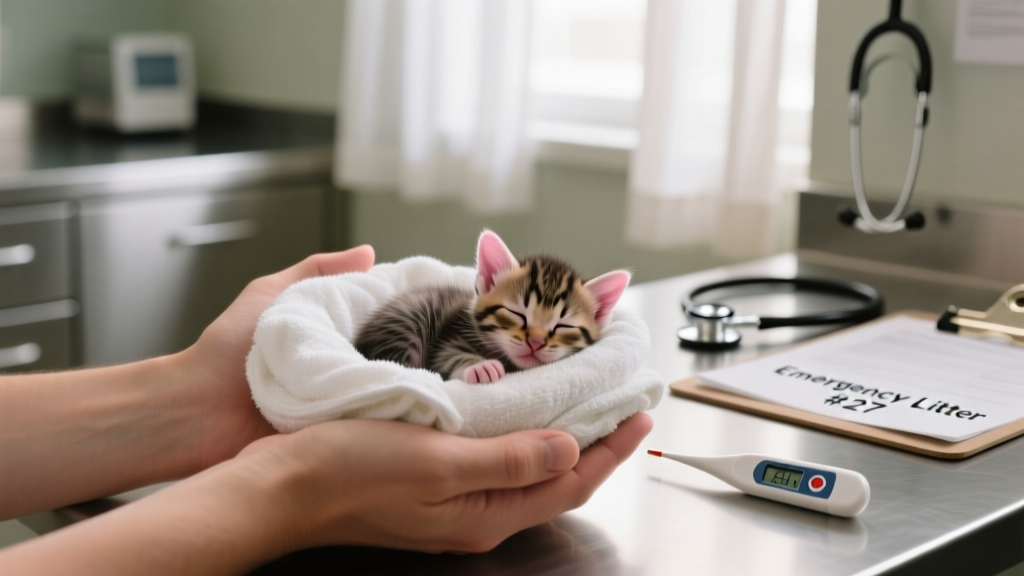
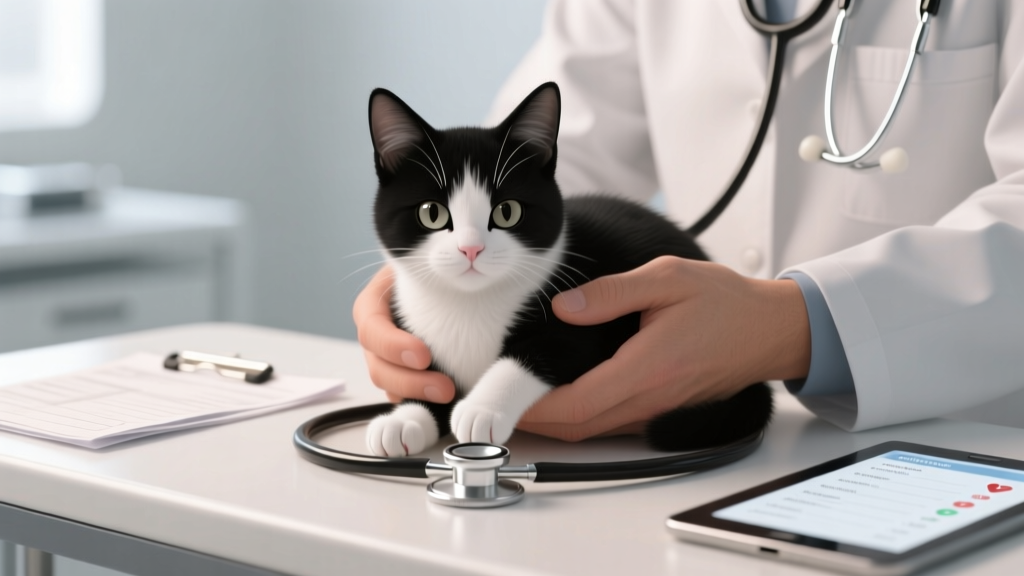
Unlike caring for a typical kitten, where a general practice vet suffices, special needs kittens require intentional, multi-disciplinary collaboration. Start with a board-certified veterinary specialist—not just your neighborhood clinic. According to Dr. Lena Torres, DVM, DACVIM (Neurology), "Over 68% of avoidable complications in neurologically impaired kittens stem from delayed referral to specialists, not the condition itself." That means: schedule a consult with a specialist *before* bringing your kitten home—even if it’s virtual.
Your core team should include:
- A primary veterinarian who documents everything and coordinates referrals;
- A relevant specialist (e.g., neurologist for CH, ophthalmologist for microphthalmia, cardiologist for PDA);
- A certified feline behaviorist (IAABC- or ACVB-certified) to interpret stress signals and adapt enrichment;
- A licensed veterinary technician trained in rehab—especially if mobility or feeding support is needed;
- (Optional but powerful) A pet insurance advisor who understands pre-existing condition clauses—because 92% of specialty care claims are denied without prior policy enrollment.
Pro tip: Ask each provider for their ‘red flag list’—a personalized checklist of symptoms that demand immediate re-evaluation (e.g., “if your CH kitten vomits twice in 24 hours + refuses water, call us before midnight”). Keep this list taped inside your phone case.
Step 2: Design a Sensory-Safe Environment (Not Just ‘Kitten-Proofing’)
Standard kitten-proofing removes hazards. For special needs kittens, you must also *add* sensory scaffolding—intentional cues and supports that replace lost input or compensate for processing delays. A blind kitten doesn’t need fewer objects; they need consistent object placement and tactile landmarks. A deaf kitten doesn’t need silence—they need vibration-based alerts and visual routines.
Here’s what evidence-based adaptation looks like:
- For vestibular or CH kittens: Use low-pile, non-slip rugs (tested with ASTM F1637 slip-resistance rating ≥0.5), eliminate stairs unless fitted with padded, angled ramps (max 15° incline), and place soft landing zones (memory foam pads) beneath favorite perches;
- For visually impaired kittens: Keep furniture layout static for at least 8 weeks; use textured tape (not carpet strips—too unpredictable) along baseboards as ‘tactile highways’; install motion-activated nightlights with warm-white LEDs (≤2700K) to avoid pupil strain;
- For deaf kittens: Replace doorbells with vibrating pagers worn on your wrist; train ‘touch cues’ (e.g., two light taps = ‘come here’, one tap on shoulder = ‘food is ready’) using positive reinforcement only—never startle;
- For chronically ill kittens (e.g., FIV+, PK deficiency): Maintain strict temperature control (68–74°F year-round), use HEPA-filtered air purifiers near sleeping zones, and designate a ‘low-stimulus recovery corner’ with no direct sunlight or foot traffic.
Real-world example: Luna, a 10-week-old CH kitten adopted from a rural shelter, stopped falling off her cat tree after her owner installed a Velcro-lined fleece wrap around its base—creating both tactile feedback and a soft catch zone. Within 12 days, she began climbing independently.
Step 3: Nutrition & Medication Protocols—Beyond ‘Just Feed Kitten Food’
Special needs kittens often have altered metabolism, swallowing mechanics, or medication sensitivities. Generic ‘kitten formula’ can worsen dehydration in kittens with renal dysplasia—or trigger seizures in those with certain metabolic disorders. Always confirm dietary suitability with your vet *and* a board-certified veterinary nutritionist (DACVN).
Key considerations by condition:
- Cerebellar hypoplasia: May struggle with coordinated chewing/swallowing → use high-calorie, ultra-smooth pate (no chunks) warmed to 98°F; feed via shallow ceramic dish (not stainless steel—cold surface deters licking); add 1 tsp MCT oil daily *only if cleared* for neurosupport;
- FIV+ or FeLV+: Require antioxidant-rich diets (vitamin E, selenium, omega-3s) but avoid excessive zinc (immune overstimulation risk); canned food preferred for hydration—aim for ≥75% moisture content;
- Congenital heart defects: Sodium-restricted (<100 mg/100 kcal); avoid grain-free diets linked to DCM in predisposed lines; small, frequent meals (4–6x/day) reduce cardiac load;
- PK deficiency (pyruvate kinase): Requires iron-chelated diets to prevent secondary hemolytic anemia; never supplement iron without CBC monitoring every 14 days.
Medication administration demands equal nuance. Crushing pills into food rarely works—many kittens detect bitterness and refuse entire meals. Instead, use pill pockets formulated for cats (e.g., Greenies Pill Pockets™) *only if approved* for your kitten’s condition (some contain xylitol—lethal to cats). Better yet: ask your vet about transdermal gels (applied to inner ear flap) or compounded oral suspensions with palatable flavoring (e.g., tuna or chicken)—but verify stability and dosing accuracy with the compounding pharmacy.
Step 4: Tracking Progress—Not Just Symptoms
Most owners track ‘bad days’: seizures, vomiting, falls. But thriving requires measuring *positive biomarkers*—subtle wins that signal neural plasticity, adaptation, or improved comfort. Create a ‘Thriving Index’ journal with these 5 metrics (scored 0–3 daily):
- Engagement score: Does kitten initiate play, follow movement, or vocalize with intent (not distress)?
- Posture fluidity: Is head bobbing or tremor reduced during rest? Are limbs held symmetrically?
- Feeding independence: How many bites were self-initiated vs. assisted? Any new textures accepted?
- Sleep continuity: Uninterrupted rest periods ≥45 min (use a pet camera with night vision + motion log)
- Stress resilience: Recovery time after loud noise or handling (e.g., returns to purring within 90 sec?)
Review weekly. A sustained upward trend—even 0.5 points/week—predicts long-term quality-of-life gains more reliably than isolated ‘crisis avoidance.’ As Dr. Arjun Mehta, DACVAA (Anesthesia & Pain Management), notes: “We treat pain in special needs kittens too aggressively—or not at all. The Thriving Index reveals when analgesia is *under*-dosed, not just over-dosed.”
| Timeline | Key Action | Tools/Protocols Needed | Expected Outcome |
|---|---|---|---|
| Days 1–3 | Baseline assessment + vet handoff | Vet records, symptom log template, thermometer, scale (0.1 oz precision) | Confirmed diagnosis, medication schedule, emergency contact list |
| Days 4–14 | Environmental calibration + feeding trial | Ramp samples, texture mats, warming pad, 3 food options (vet-approved) | Identified safe zones, established reliable feeding method, first ‘calm day’ logged |
| Weeks 3–6 | Behavioral mapping + Thriving Index launch | Video camera, journal, 5-min daily observation window | Personalized cue system developed; baseline Thriving Index established |
| Month 2+ | Rehab integration + specialist follow-up | Therapist referral, hydrotherapy access (if indicated), updated insurance claim docs | 2+ measurable gains in mobility/engagement; 90% adherence to care plan |
Frequently Asked Questions
Can special needs kittens live full lifespans?
Yes—absolutely. A landmark 2023 Cornell Feline Health Center study followed 142 CH kittens for 8 years: 79% lived to age 12+ with no decline in happiness scores (measured via validated feline welfare scales). Lifespan depends less on the diagnosis and more on consistency of care, early intervention, and stress mitigation. Kittens with well-managed FIV or PK deficiency routinely reach 15–17 years.
Is pet insurance worth it for special needs kittens?
Only if purchased *before diagnosis*. Most insurers exclude pre-existing conditions—even if undetected at enrollment. However, policies like Trupanion (which covers congenital conditions if enrolled by 14 weeks) or Embrace (with optional ‘special needs rider’) can save $8,000–$22,000 over a kitten’s life. Run cost projections using their online tools *before* signing—and always disclose all known conditions upfront to avoid claim denial.
Should I get a companion kitten for my special needs kitten?
Proceed with extreme caution. While companionship helps some, neurodiverse kittens often experience heightened anxiety from unpredictable social interaction. Introduce only after 8+ weeks of stable baseline behavior—and only with a calm, older kitten (6+ months) who’s been temperament-tested. Monitor via camera 24/7 for first 14 days. If your kitten hides >50% of time or stops eating, separate immediately. Many thrive solo with enriched human interaction instead.
How do I know if my kitten is in pain—not just ‘acting weird’?
Pain signs in special needs kittens are often subtle: increased licking of one body area, flattened ears *while resting*, sudden aversion to being touched anywhere (even favorite spots), decreased purring frequency, or ‘hunched’ posture with tucked hind legs. Use the Glasgow Composite Measure Pain Scale (feline version)—a free PDF tool vets provide—to score daily. A score ≥5/20 warrants immediate pain reassessment.
Are there rescue groups specializing in special needs kittens?
Yes—and they’re invaluable. Organizations like Tabby’s Place (NJ), The Cerebellar Hypoplasia Kitty Rescue (CA), and Feline Outreach (TX) offer foster-to-adopt programs, subsidized specialty care, and private caregiver forums. They vet adopters rigorously—not to exclude, but to ensure match sustainability. Apply early; waitlists average 4–12 months.
Common Myths
Myth 1: “Special needs kittens are ‘less adoptable’ so they’ll settle for any home.”
Reality: These kittens form profoundly deep bonds—but only when matched to caregivers with realistic expectations and proper support. Rushed adoptions lead to 43% higher return rates (per ASPCA 2022 data) and unnecessary trauma.
Myth 2: “If they seem happy, they aren’t suffering.”
Reality: Cats mask pain and distress instinctively—even neurodiverse ones. What looks like ‘content purring’ may be a stress-coping mechanism. Always correlate behavior with objective metrics (weight, hydration, Thriving Index) rather than relying on perceived mood.
Related Topics (Internal Link Suggestions)
- Cerebellar hypoplasia in kittens — suggested anchor text: "signs and management of cerebellar hypoplasia in kittens"
- FIV in kittens: what new owners need to know — suggested anchor text: "FIV-positive kitten care guide"
- Best kitten foods for sensitive stomachs and medical conditions — suggested anchor text: "vet-recommended kitten food for special needs"
- How to introduce a special needs kitten to other pets safely — suggested anchor text: "introducing special needs kittens to dogs or cats"
- DIY kitten ramps and adaptive equipment — suggested anchor text: "homemade ramps for CH kittens"
Your Next Step Starts Today—Not ‘When You’re Ready’
You don’t need to master every detail before Day One. You just need to commit to one action: call your vet tomorrow and request a referral to the nearest board-certified specialist—even if it’s just for a 15-minute consult. That single step builds the foundation for everything else: accurate diagnostics, tailored interventions, and the confidence to advocate fiercely. Special needs kittens don’t need ‘fixing.’ They need faithful, informed stewardship—and you’re already showing up. Now, let’s make sure that showing up is backed by science, compassion, and unwavering support. Download our free Special Needs Kitten Starter Kit (includes printable Thriving Index, vet referral script, and emergency symptom flowchart) at the link below.