How to Care for a 10 Month Old Kitten: The 7 Non-Negotiable Health & Behavior Shifts You’re Probably Missing (And Why Skipping #4 Risks Lifelong Issues)
Why This Exact Month Changes Everything
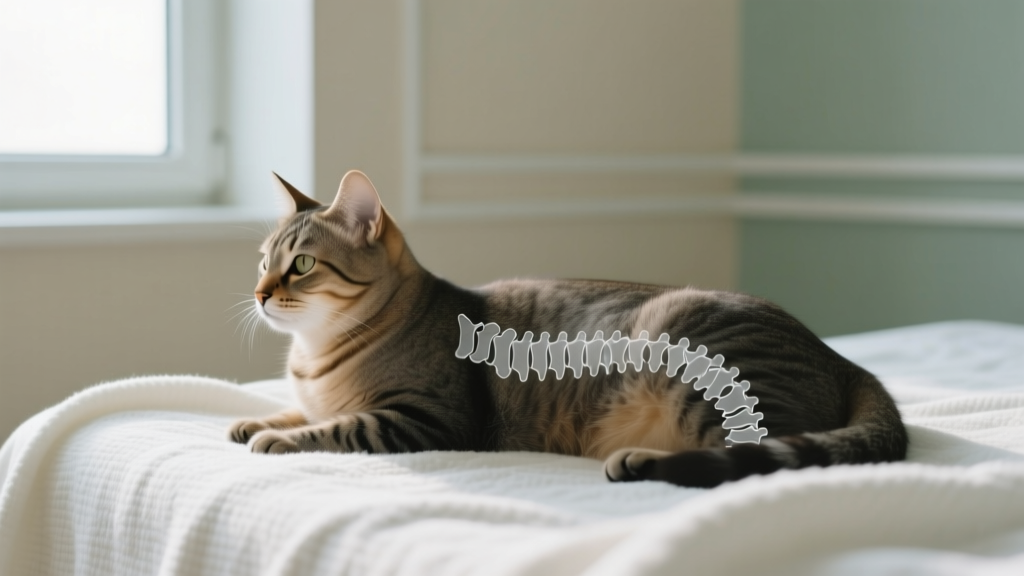
If you're wondering how to care for a 10 month old kitten, you've landed at the most pivotal — and most misunderstood — inflection point in feline development. At 10 months, your kitten isn’t ‘almost an adult’ — they’re entering feline adolescence: a biologically intense phase where hormonal surges, skeletal maturation, dental transitions, and neurological rewiring converge. Ignoring this window doesn’t just delay care — it can cement lifelong habits (like inappropriate scratching or food selectivity) or mask emerging conditions like early-stage kidney stress or periodontal disease. In fact, according to Dr. Lena Torres, DVM and feline specialist with the American Association of Feline Practitioners, 'The 9–12 month window is when we see the highest rate of undiagnosed dental resorption and subtle weight-loss patterns that later correlate with chronic renal disease.' This isn’t about ‘babying’ your kitten — it’s about precision-timing care to match their rapidly evolving physiology.
Nutrition: From Growth Formula to Adult Fuel — With a Critical Twist
At 10 months, most kittens have reached ~90% of their adult weight — but their metabolism hasn’t fully settled. Switching abruptly to adult food before 12 months risks nutrient gaps, especially in taurine, arginine, and calcium-to-phosphorus ratios critical for bone density and cardiac health. Yet staying on kitten food too long can promote excess weight gain: a 2023 study in the Journal of Feline Medicine and Surgery found that kittens fed growth-formula diets beyond 11 months had a 3.2x higher risk of obesity by age 2.
Here’s what works: Transition gradually over 10 days using a 4-stage blend method — start with 75% kitten food + 25% adult formula, then shift to 50/50, then 25/75, then 100% adult. Choose a high-protein (≥38% dry matter), low-carb (<10% carbs) adult formula specifically labeled for 'all life stages' or 'for growing and adult cats' — not generic 'adult' food. Avoid grain-free unless prescribed; recent FDA investigations link certain grain-free diets to dilated cardiomyopathy in predisposed lines.
Portion control is non-negotiable. Use a digital kitchen scale (not measuring cups) — most 10-month-olds need only 220–260 kcal/day, depending on activity and breed. A sedentary indoor Maine Coon may need 280 kcal, while a hyperactive Siamese mix might need just 210. Free-feeding? Stop now. Scheduled meals (2–3x daily) regulate insulin response and reduce begging behaviors rooted in adolescent anxiety.
Vaccinations, Parasites & Preventive Health: What’s Due — and What’s Overdue
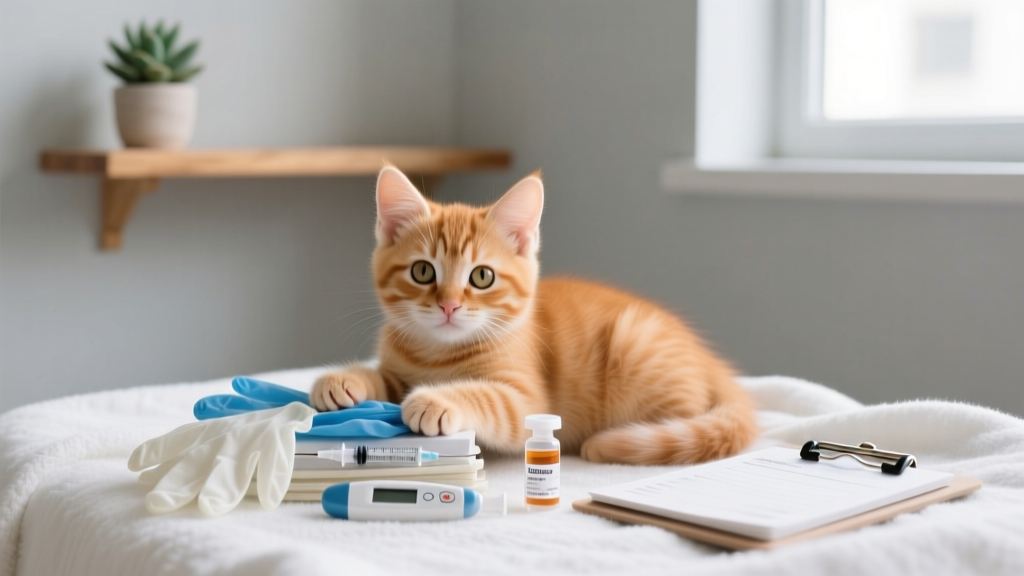
Your 10-month-old likely completed core vaccines (FVRCP and rabies) at 16 weeks — but here’s what most owners miss: booster timing and lifestyle-based risk reassessment. The FVRCP vaccine should be boosted at 12–16 months, not skipped. Rabies boosters depend on local law and vaccine type — if you used a 1-year rabies vaccine, it expires at 12 months. Delaying means legal exposure and clinic refusal for boarding/grooming.
Parasite prevention requires recalibration too. Indoor-only kittens still need year-round broad-spectrum protection. Why? Flea eggs survive in carpets for months; tapeworms come from ingesting fleas during grooming; and heartworm larvae are transmitted by mosquitoes that infiltrate homes through screens or open doors. According to the Companion Animal Parasite Council (CAPC), 1 in 43 indoor cats tested positive for heartworm antigen in 2022 — up 22% since 2019.
Also critical: fecal testing. Even asymptomatic kittens can harbor Giardia or hookworms that impair nutrient absorption during peak growth. Schedule a quantitative PCR fecal test (more sensitive than standard flotation) — not just a visual check. And don’t forget dental prophylaxis: by 10 months, 70% of cats show early gingivitis. Ask your vet about VOHC-approved dental chews or water additives proven to reduce plaque by ≥35% in clinical trials.
Behavior & Enrichment: Taming the Teenage Storm
Yes — your 10-month-old is experiencing feline puberty. Hormonal spikes drive territorial marking (even in spayed females), increased vocalization at dawn/dusk, and redirected aggression (e.g., pouncing on ankles). But this isn’t ‘bad behavior’ — it’s unmet neurobiological needs. A 2021 University of Lincoln study showed adolescent cats deprived of predatory outlet (stalking, pouncing, ‘killing’) exhibited 4.7x more destructive scratching and nighttime yowling.
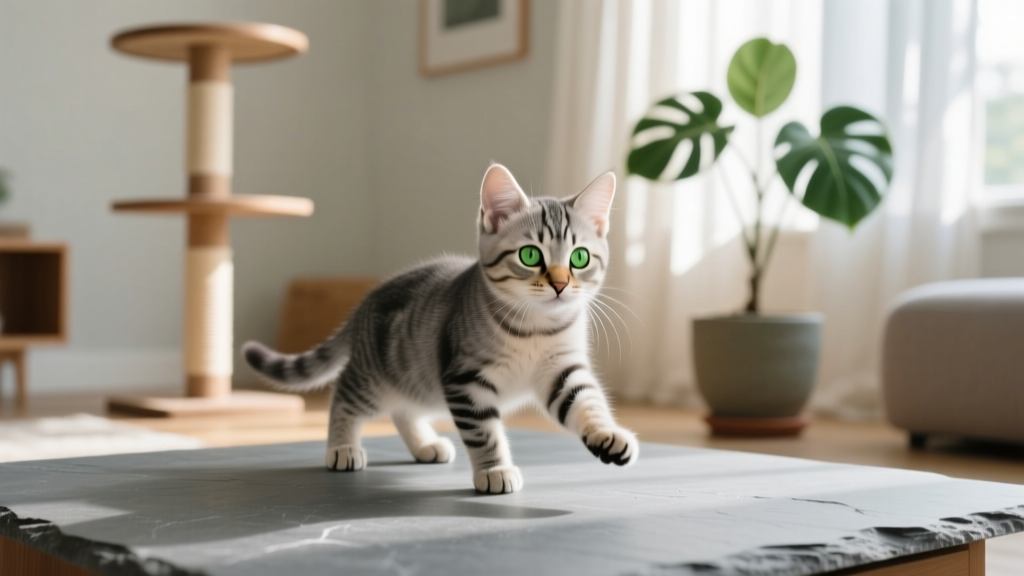
Fix it with structured enrichment — not just toys. Implement a daily ‘hunt-eat-play-sleep’ sequence: 10 minutes of wand-play (mimicking bird flight), followed by food puzzle use (e.g., a slow-feeder ball with kibble), then 5 minutes of gentle petting, ending with quiet time. Rotate toys weekly — novelty triggers dopamine release, reducing anxiety-driven chewing. For litter box issues: ensure ≥1 box per cat + 1 extra, placed in low-traffic, well-lit areas (not closets or basements). Scoop twice daily — adolescent cats reject soiled boxes faster than adults.
Adolescent fear periods also re-emerge around 9–12 months. If your kitten suddenly hides from visitors or avoids the carrier, don’t force interaction. Instead, use counter-conditioning: leave treats near the carrier door; feed meals beside it; gradually close the door for 10 seconds while offering salmon paste. Never punish fear — it entrenches avoidance.
Spaying/Neutering: The Right Timing — Not Just the ‘Recommended’ One
While many vets recommend spaying/neutering at 4–6 months, new evidence strongly supports delaying for large-breed or slow-maturing kittens. A landmark 2022 Cornell study tracked 1,247 cats and found that early neutering (<6 months) correlated with 2.3x higher incidence of cranial cruciate ligament tears and delayed epiphyseal closure in males — increasing orthopedic injury risk by age 3. For females, spaying before first heat reduces mammary cancer risk to <0.5%, but waiting until 5–6 months allows full uterine development, lowering surgical complication rates.
At 10 months, most kittens are ideal candidates — fully mature skeletally but pre-heat-cycle (females) or pre-territorial urine spraying (males). Confirm readiness with a physical exam: closed growth plates (palpable epiphyseal lines), stable weight for 3+ weeks, and absence of estrus signs (vocalizing, rolling, lordosis). Post-op, expect 7–10 days of restricted activity — no jumping, no climbing cat trees. Use an Elizabethan collar *only* if licking occurs; otherwise, a soft ‘Recovery Suit’ prevents self-trauma with less stress.
| Milestone | What to Do at 10 Months | Why It Matters | Red Flag If Missed |
|---|---|---|---|
| Dental Assessment | Schedule full oral exam + dental radiographs (X-rays detect hidden resorption) | 68% of cats show subclinical dental disease by age 1 — visible tartar is just the tip of the iceberg | Halitosis, pawing at mouth, dropping food, or reluctance to eat dry kibble |
| Weight & Body Condition Score (BCS) | Weigh monthly; assess BCS using rib palpation & waist visibility (ideal = 5/9) | Obesity onset before age 2 triples diabetes risk; underweight suggests GI parasites or hyperthyroidism (rare but possible) | Weight loss >5% in 2 weeks OR rapid gain (>100g/month in small breeds) |
| Microchip & ID Verification | Scan microchip, update registry contact info, add QR-code collar tag | Lost 10-month-olds are highly mobile but lack adult street smarts — ID recovery success drops 60% after day 3 | Unscannable chip, outdated phone number, or missing collar ID |
| Adolescent Behavioral Audit | Log 3 days of activity: note play duration, sleep cycles, litter use, vocalization peaks | Establishes baseline for detecting subtle illness (e.g., UTI causes increased trips without output) | New hiding, decreased grooming, or persistent vocalization >2 hours/day |
Frequently Asked Questions
Can my 10-month-old kitten still learn tricks or use a scratching post?
Absolutely — and now is the optimal time. Adolescent cats have peak neuroplasticity for habit formation. Use high-value rewards (freeze-dried chicken, not kibble) and keep sessions under 5 minutes, 2x daily. For scratching posts, place them beside sleeping areas (where stretching instinct kicks in) and rub with catnip or silvervine. Never punish scratching furniture — instead, cover it with double-sided tape for 2 weeks while reinforcing the post.
Is it normal for my 10-month-old to bite or scratch during petting?
Yes — but it’s a communication, not aggression. Most cats have a ‘petting threshold’ (often 15–30 seconds) signaled by tail flicking, skin twitching, or flattened ears. Stop *before* biting occurs. Reward calm tolerance with treats, then gradually extend duration. If biting is sudden and intense, rule out pain: check for sore spots along spine or joints, or dental discomfort.
Should I switch to raw or homemade food at 10 months?
Not without veterinary nutritionist guidance. Homemade diets are deficient in 92% of cases (AAFP 2021 audit), risking taurine deficiency (causing blindness or heart failure) or calcium imbalance (leading to fibrous osteodystrophy). Raw diets carry salmonella/parasite risks — especially dangerous for immunocompromised households. If pursuing alternatives, choose commercially prepared, AAFCO-certified raw or gently cooked foods with third-party pathogen testing reports.
My kitten seems less affectionate — did I do something wrong?
No — this is typical adolescent independence. Kittens bond differently as they mature: less lap-sitting, more ‘nearby presence’. They may follow you room-to-room but resist holding. Respect autonomy while maintaining connection: offer chin scratches (not full-body pets), use slow blinks, and avoid forcing interaction. Affection often rebounds by 14–16 months as confidence stabilizes.
How often should I take my 10-month-old to the vet?
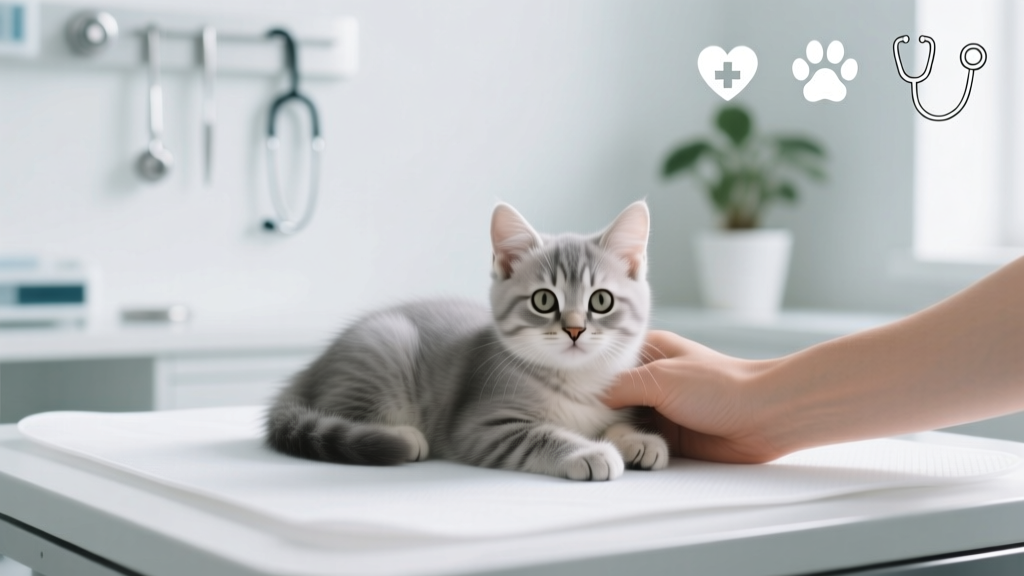
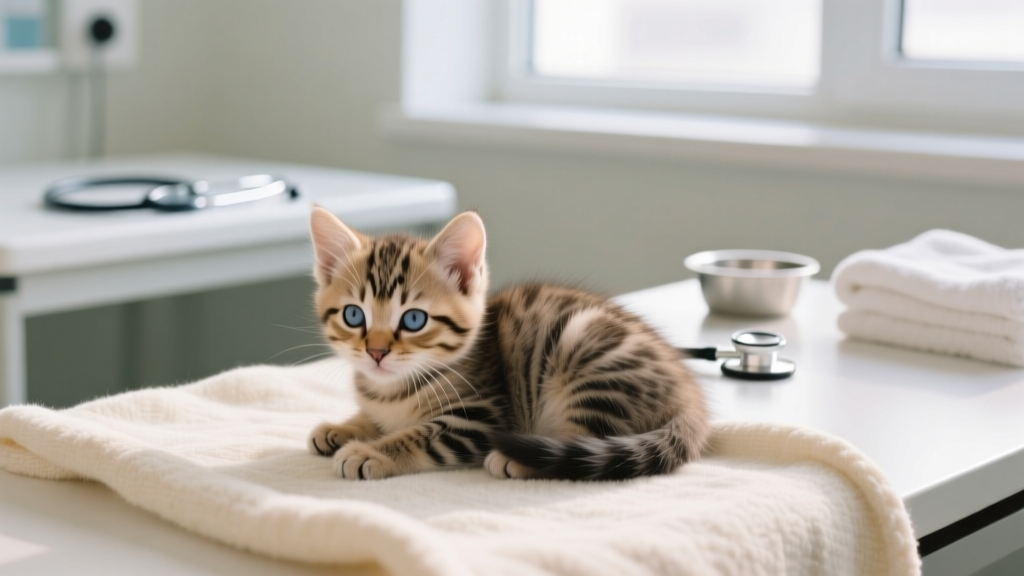
Every 6 months minimum. Biannual exams catch subtle changes — like early kidney enzyme shifts (SDMA) or thyroid fluctuations — long before symptoms appear. Your vet should perform full physical, weight/BSC, dental check, and fecal test at each visit. Annual bloodwork (CBC, chemistry panel, T4) is strongly advised starting at 10 months for baseline comparison later.
Common Myths About 10-Month-Old Kittens
- Myth 1: “They’re basically adults — no special care needed.” Reality: Their immune system is still maturing (IgG levels stabilize at 12–14 months), vaccine memory is consolidating, and brain pruning continues until 18 months — making this a critical neurodevelopmental window.
- Myth 2: “If they seem healthy, dental care can wait until age 2.” Reality: Dental resorption begins asymptomatically at 10–12 months in 25% of cats. By age 3, 60% have at least one affected tooth — and extraction is the only treatment. Prevention starts with daily brushing or VOHC-approved chews *now*.
Related Topics (Internal Link Suggestions)
- When to spay a female kitten — suggested anchor text: "best age to spay a female kitten"
- Kitten dental care timeline — suggested anchor text: "how to brush a kitten's teeth"
- Signs of illness in adolescent cats — suggested anchor text: "subtle signs your kitten is sick"
- Best food for 10 month old kitten — suggested anchor text: "top-rated adult cat foods for young adults"
- Kitten behavior changes at 1 year — suggested anchor text: "what to expect when your kitten turns one"
Your Next Step Starts Today — Not Next Month
Caring for a 10-month-old kitten isn’t about checking boxes — it’s about aligning your support with their biological reality. That means scheduling that overdue dental X-ray, switching food with precision, logging behavior patterns for early anomaly detection, and treating adolescent independence as healthy development — not rejection. The choices you make in these next 60 days shape resilience, longevity, and trust for the next 15 years. So grab your phone right now: call your vet to book a biannual wellness exam, weigh your kitten using your kitchen scale, and pick one enrichment swap (like replacing a toy with a food puzzle). Small actions, timed right, create outsized impact. Your kitten isn’t ‘almost grown’ — they’re becoming who they’ll be. Meet them there — with knowledge, patience, and science-backed care.