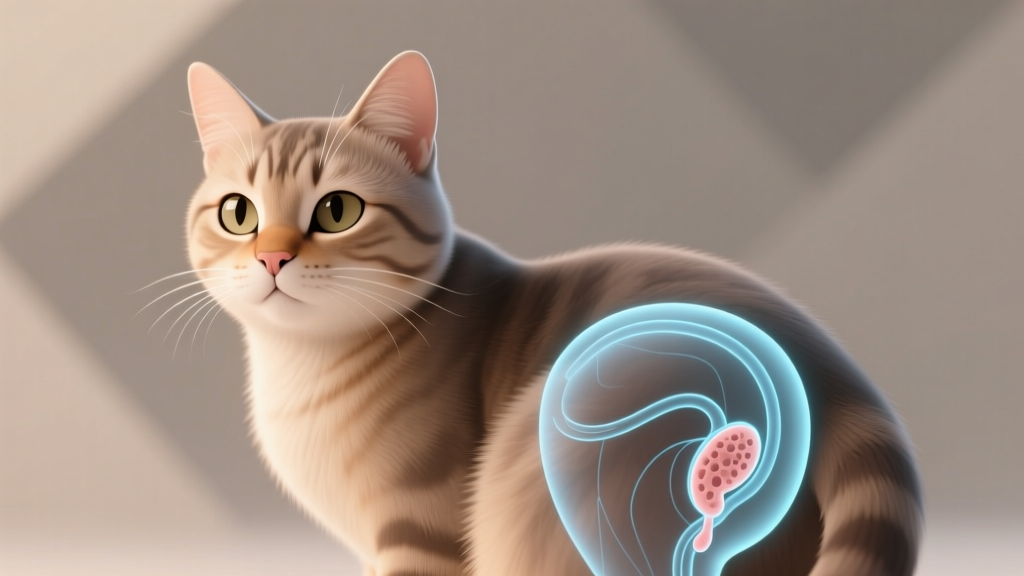
Cat Perianal Adenoma: Hormone-Driven Tail Gland Tumor
1. Introduction: Why this topic matters for cat owners
Finding a new lump near your cat’s tail or anus can be alarming. Many cat parents worry about cancer, infection, or painful bowel problems—and those concerns are valid. One possible cause is a perianal (circumanal) adenoma, a type of tumor associated with glands in the skin around the anus and tail base. These growths are often influenced by hormones, which means the right treatment plan can make a big difference in both comfort and long-term outcome.
This article explains what perianal adenomas are, what signs to watch for, how your veterinarian diagnoses them, and what treatment and home care typically look like. If you’re seeing any swelling, bleeding, or changes in bathroom habits, schedule a veterinary visit—early evaluation is the safest approach.
2. Overview: What is a perianal adenoma in cats?
A perianal adenoma is a usually benign (non-spreading) tumor that develops from specialized skin glands located around the anus and sometimes near the tail base. These glands are sometimes described as “hepatoid” glands because their cells can resemble liver cells under the microscope. In casual conversation, you may also hear people reference “tail gland tumors,” since the tail base has hormone-responsive glands too. The anatomy is slightly different, but the concept is similar: hormone-influenced glands can grow into nodules or masses.
In cats, perianal adenomas are less common than in dogs, but they do occur. Because several different conditions can look similar—abscesses, anal sac disease, benign skin growths, or malignant tumors—any new mass near the anus should be checked by a veterinarian.
Perianal area problems can affect essential daily functions:
- Comfort (sitting, grooming, being handled)
- Hygiene (fecal contamination of fur, skin infections)
- Normal bathroom habits (pain with defecation, constipation)
3. Symptoms and warning signs to watch for
Perianal adenomas may start small and slow-growing, or they may become noticeable quickly if they ulcerate (open up) or get infected. Contact your vet if you notice any of the following:
Visible changes near the anus or tail base
- A firm or soft lump near the anus
- A raised, wart-like, or nodular growth
- Redness, swelling, or irritation of the surrounding skin
- Bleeding or a sore that doesn’t heal
- Discharge (clear, yellow, bloody, or foul-smelling)
Behavior and comfort changes
- Scooting (dragging rear end on the floor)
- Excessive licking or biting at the rear end
- Pain when being picked up or petted near the tail
- Reluctance to sit, hiding, or irritability
Bathroom-related signs
- Straining to defecate (tenesmus)
- Constipation or smaller-than-usual stool amounts
- Vocalizing in the litter box
- Stool streaked with blood (this can also come from many other causes)
Practical tip you can do today: If your cat will tolerate it, gently lift the tail during a calm moment and visually check the skin around the anus. You’re looking for new lumps, asymmetry, sores, or discharge. If you see anything unusual, take a clear photo to show your vet (this helps track size and changes over time).
4. Causes and risk factors
Perianal adenomas are often described as hormone-driven, meaning sex hormones can influence growth of these gland cells. While the exact triggers in cats aren’t always clear, veterinarians commonly consider these factors:
- Intact (not neutered) male cats: In many species, these tumors are more associated with male hormones. In cats, they are uncommon overall, but an intact male may have higher risk of hormone-influenced gland growth.
- Age: Middle-aged to older cats are more likely to develop skin tumors in general.
- Chronic irritation or inflammation: Repeated skin inflammation around the anus (diarrhea, fecal contamination, allergies) may contribute to local tissue changes.
- Other look-alike conditions: Anal sac issues, infections, or different tumor types can mimic adenomas. This matters because treatment depends on the true diagnosis.
Perianal adenomas are typically considered benign, but there are malignant tumors in the same region (for example, perianal adenocarcinoma or other skin cancers). That’s why a veterinary exam and sampling are so valuable—even if the lump looks “small.”
5. Diagnosis: What to expect at the vet
At the appointment, your veterinarian’s goal is to answer three questions: What is it? Is it infected or painful right now? What’s the best way to treat it and prevent recurrence?
Common diagnostic steps
- History and physical exam: Your vet will ask about onset, changes in size, scooting/licking, stool changes, appetite, and energy. They’ll examine the mass and surrounding skin.
- Rectal exam: Often recommended to assess deeper tissue involvement, anal sacs, and whether the mass is affecting the rectum. Some cats need mild sedation to reduce stress and pain.
- Fine needle aspirate (FNA): A small needle collects cells for microscope review. This can sometimes identify tumor type or infection. Not all masses yield clear answers with FNA, but it’s a helpful first step.
- Biopsy: If the FNA isn’t definitive, or if the mass looks ulcerated or aggressive, your vet may recommend a biopsy (a small tissue sample) or complete surgical removal with lab testing.
- Bloodwork: May be recommended, especially in older cats or before anesthesia, to evaluate overall health (kidneys, liver, blood counts).
- Imaging (as needed): Ultrasound or X-rays may be suggested if your vet is concerned about deeper involvement or other conditions.
Practical tip: Bring notes about your cat’s litter box habits (frequency, stool firmness, straining) and any photos of the area. This speeds up accurate decision-making.
6. Treatment options: medical, surgical, and home care
Treatment depends on the diagnosis (adenoma vs. infection vs. malignant tumor), the mass size, whether it’s ulcerated, and your cat’s overall health.
Surgical removal (often the main treatment)
For confirmed or strongly suspected perianal adenomas, surgical excision is commonly recommended. Benefits include:
- Removes the mass that is causing irritation, bleeding, or obstruction
- Provides tissue for histopathology (lab confirmation)
- Can be curative if the tumor is fully removed
The perianal region can be sensitive, and cats may lick at incisions. Your vet may send your cat home with an e-collar (cone) or soft recovery collar and pain control.
Hormonal management (when appropriate)
Because these tumors can be hormone-responsive, your vet may discuss neutering for intact males as part of the long-term plan to reduce hormonal stimulation and recurrence risk. If your cat is already neutered, your veterinarian will consider other causes or tumor types and may focus on surgery and monitoring.
Medications and supportive care
Depending on the condition of the skin and mass, your cat may need:
- Pain relief (never give human pain meds unless specifically prescribed—many are toxic to cats)
- Antibiotics if there’s infection, ulceration, or abscessing
- Anti-inflammatory medications when appropriate and safe
- Stool softeners or diet changes if straining is present
Home care after treatment
- Prevent licking: Use the cone/recovery collar exactly as directed. Licking is one of the most common reasons incisions become infected or reopen.
- Keep the area clean: Follow your vet’s instructions. Do not apply ointments or disinfectants unless prescribed—some products irritate tissue or are unsafe if licked.
- Litter box support: Keep litter clean and consider a low-dust, unscented litter during healing.
- Monitor stool: Report constipation, straining, or no bowel movement for more than 48 hours, especially after anesthesia or pain meds.
- Recheck visits: Attend all follow-ups to assess healing and review lab results.
Actionable comfort tip: If your cat is constipated or straining, don’t wait it out. Call your vet the same day—pain near the anus can quickly turn into a cycle of stool holding, constipation, and worsening discomfort.
7. Prevention strategies and early detection tips
You can’t prevent every tumor, but you can reduce risk and catch issues earlier.
- Consider spay/neuter: If your cat is intact, discuss neutering with your veterinarian. It has multiple health and behavioral benefits and may reduce risk of hormone-influenced growths.
- Monthly “tail-to-toes” checks: Gently check the tail base, perianal skin, and overall coat/skin for lumps, scabs, or odor.
- Address chronic diarrhea promptly: Ongoing loose stool irritates the perianal skin and makes infections more likely. If diarrhea lasts more than 24–48 hours, consult your vet.
- Weight management: Overweight cats may have more difficulty grooming and keeping the area clean. Ask your vet for a safe weight-loss plan if needed.
- Watch grooming changes: A cat that suddenly stops grooming the rear end—or obsessively grooms it—may be telling you something hurts.
8. Prognosis and quality of life considerations
If the mass is truly a benign perianal adenoma and it’s removed completely, the prognosis is often good. Many cats return to normal routines once discomfort is resolved.
Quality of life is strongly tied to:
- Pain control during recovery
- Preventing infection and self-trauma (licking)
- Normal bowel movements (avoiding constipation and straining)
- Accurate diagnosis (benign vs. malignant look-alikes)
If lab testing identifies a malignant tumor or incomplete margins (not all tumor cells removed), your vet may recommend additional surgery, referral to a veterinary oncologist, or other therapies. Even then, supportive care and thoughtful treatment choices can keep many cats comfortable for a long time.
9. When to seek emergency veterinary care
Perianal tumors are not always emergencies, but certain signs should be treated urgently. Seek emergency care or an urgent veterinary appointment if you notice:
- Heavy bleeding from the mass or anus
- Rapid swelling, severe redness, or a hot, painful lump (possible abscess)
- Straining without producing stool, crying in the litter box, or signs of severe constipation
- Not urinating (can be life-threatening and may coincide with straining behaviors)
- Lethargy, collapse, fever, or refusing food for more than 24 hours
- A wound that has opened after surgery or has a bad odor/discharge
If you’re unsure whether it’s urgent, call your veterinarian’s office or an emergency clinic and describe the symptoms. They can help you decide the safest next step.
10. FAQ: Common questions cat owners ask
Is a perianal adenoma cancer in cats?
A perianal adenoma is typically considered benign, meaning it usually doesn’t spread to distant organs. That said, other malignant tumors can occur in the same area and may look similar. The safest way to know is through cytology (FNA) and/or biopsy.
Can I treat a perianal lump at home?
Home care can support comfort (prevent licking, keep litter clean), but you should not try to treat the lump itself with topical creams or by “watching it” long-term without veterinary guidance. Masses near the anus can ulcerate, become infected, or interfere with bowel movements. A vet exam is the right first step.
Will neutering make the tumor go away?
If the mass is hormone-responsive and your cat is intact, neutering may reduce hormonal stimulation and lower recurrence risk. However, many masses still require surgical removal and lab testing to confirm what they are. Your veterinarian will recommend the best combination of treatments for your cat.
How long does recovery take after surgery?
Many cats feel noticeably better within a few days as pain and irritation improve, but incision healing commonly takes around 10–14 days. Your vet will advise on activity restriction, cone use, and recheck timing.
Could this be an anal sac problem instead of a tumor?
Yes. Anal sac impaction, infection, or abscess can cause swelling and discomfort near the anus. These conditions can look similar at home, which is why a veterinary exam (often including a rectal exam) is so helpful.
What should I monitor after treatment?
Monitor for:
- Redness, swelling, discharge, or odor at the incision site
- Licking or chewing at the area
- Straining, constipation, or no stool for more than 48 hours
- Return of a lump near the original site
Contact your veterinarian promptly if any of these appear.
If your cat has a new lump or sore near the anus or tail base, a veterinary appointment is the kindest next step—many causes are treatable, and early care prevents discomfort. For more practical cat health guides, behavior tips, and wellness resources, visit catloversbase.com.