Cat Pasteurella: Bite Wound Infection Pathogen
1. Introduction: Why Pasteurella Matters to Cat Owners
Cats are quick, athletic, and independent—traits that can sometimes lead to scuffles with other cats, puncture wounds from play that got too rough, or injuries from outdoor adventures. One of the most common and medically significant bacteria involved in cat bite wound infections is Pasteurella, especially Pasteurella multocida.
This topic matters because cat bites and puncture wounds often look small on the surface, yet they can seal over quickly and trap bacteria underneath the skin. That creates the perfect environment for infection, abscesses, pain, fever, and in some cases more serious complications. The good news: with prompt veterinary care, most cats recover well. Knowing what to watch for—and acting quickly—can protect your cat’s comfort, safety, and long-term health.
2. Overview: What Is Pasteurella in Cats?
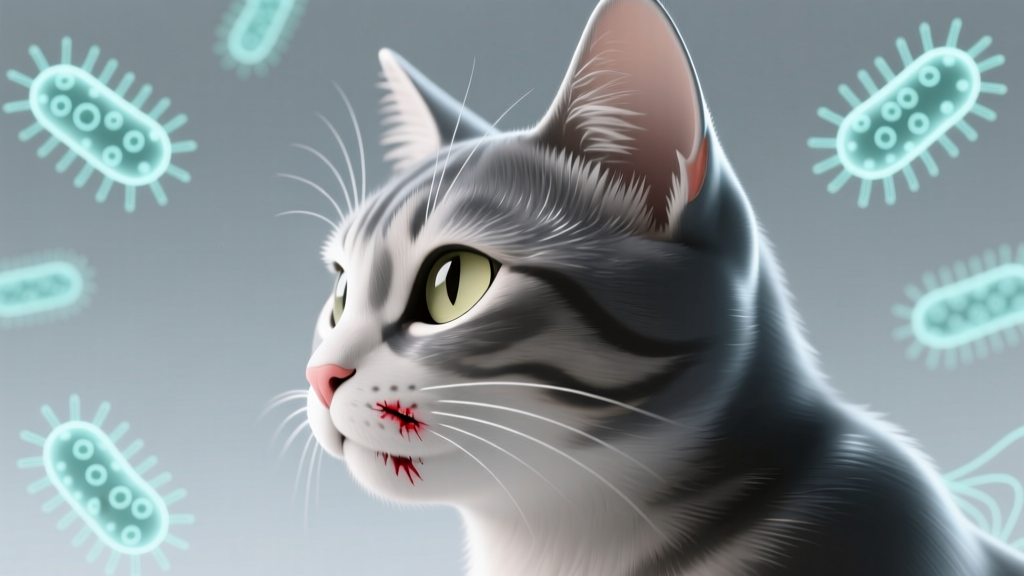
Pasteurella is a group of bacteria that commonly live in the mouths and upper respiratory tracts of many animals, including cats. In many cases, it doesn’t cause any problems when it stays where it belongs. The issue happens when it gets introduced under the skin through:
- Cat bites (from another cat or sometimes from a dog)
- Puncture wounds (claws, sharp objects)
- Scratches that break the skin
Once Pasteurella is pushed into deeper tissues, it can multiply quickly. Cat teeth create deep, narrow punctures that close rapidly at the surface, trapping bacteria inside. This often leads to:
- Cellulitis (infection of the skin and soft tissue)
- Abscesses (pockets of pus)
- Draining wounds (when an abscess opens and leaks fluid)
Most Pasteurella infections in cats are localized to the wound area, but in some situations—especially in kittens, seniors, or immunocompromised cats—bacteria can spread more widely and make a cat systemically ill.
3. Symptoms and Warning Signs to Watch For
A cat may not show obvious signs right after a bite. Many owners only notice a problem 1–3 days later when swelling and pain set in. Contact your veterinarian if you see any of the following:
Common local signs (near the wound)
- Swelling or a firm lump under the skin
- Warmth or redness in one area
- Pain when touched or when your cat moves
- Limping (especially with bites to legs/paws)
- A small scab with a larger swollen area underneath
- Hair loss over a tender spot
- Drainage: pus, bloody fluid, or a foul smell
General signs of infection
- Decreased appetite or refusing food
- Low energy, hiding, less social behavior
- Fever (may feel warm; often confirmed at the vet)
- Dehydration (dry gums, less drinking)
Hard-to-spot clues
- Your cat suddenly resists being picked up
- Unusual irritability or “don’t touch me” behavior
- Overgrooming one spot
Practical tip: If your cat has been in a fight or came home with torn fur, take 2 minutes to gently run your hands over their body (if safe to do so). Feel for tender, warm swelling—especially around the head, neck, base of tail, and legs, which are common bite locations.
4. Causes and Risk Factors
Pasteurella wound infections are most often linked to cat-to-cat bites. Risk rises with situations that increase the chance of puncture wounds and delayed treatment.
Common causes
- Territorial fights (especially in intact or roaming cats)
- Outdoor exposure to other cats, wildlife, or dogs
- Household cat conflicts (resource guarding, poor introductions)
- Accidental punctures from sharp objects
Risk factors for more severe infection
- Delayed veterinary care (waiting for swelling to “go away”)
- Bites on the paws/legs (tissues are tight; infection pressure builds quickly)
- Bites near joints or the chest/abdomen
- Kittens and senior cats
- Cats with weakened immunity (FIV/FeLV, diabetes, steroid therapy, chronic illness)
Practical tip: If you know your cat was bitten, assume infection is possible even if you can’t find a wound. Many punctures hide under fur and close fast.
5. Diagnosis: What to Expect at the Vet
Your veterinarian will focus on two goals: confirming infection and finding out how deep it goes. A typical visit may include:
- History and timeline: recent outdoor activity, fights, sudden hiding, appetite changes
- Physical exam: checking for punctures, swelling, pain, fever, dehydration
- Wound evaluation: shaving fur to locate punctures and assess tissue damage
- Cytology: looking at a sample of fluid/pus under a microscope to confirm infection
- Bacterial culture and sensitivity: sometimes recommended for severe, recurrent, or non-healing infections to choose the best antibiotic
- Bloodwork: for sick cats to evaluate inflammation, organ function, hydration status
- Imaging: X-rays or ultrasound if a deep abscess, foreign body, bone involvement, or chest/abdominal injury is suspected
Many Pasteurella infections respond well to standard therapies, but your vet may still recommend a culture if the infection is extensive, your cat is immunocompromised, or antibiotics have already been tried without improvement.
6. Treatment Options (Medical, Surgical, Home Care)
Treatment depends on whether the infection is early cellulitis, a mature abscess, or something deeper. Your veterinarian will tailor care to your cat’s comfort and the seriousness of the wound.
Medical treatment
- Antibiotics: often started right away for bite wounds and infections; the exact choice and duration depend on severity and your cat’s health
- Pain relief/anti-inflammatory medication: to improve comfort and encourage eating and normal movement
- E-collar (cone): to prevent licking, chewing, and reopening the wound
Surgical and procedural treatment
- Abscess lancing and drainage: if a pus pocket has formed, the vet may open it to release pressure and remove infected material
- Flushing and debridement: cleaning the wound and removing unhealthy tissue
- Drain placement: sometimes a small drain is left in place for a few days to keep the site open and draining properly
- Sedation: many cats need mild sedation for thorough wound care because abscesses are painful
Home care (what owners can do safely)
Always follow your veterinarian’s instructions. Helpful at-home steps often include:
- Give all medications exactly as prescribed (finishing antibiotics matters, even if your cat seems better)
- Keep your cat indoors during healing to prevent reinjury and reduce contamination
- Check the wound twice daily for swelling, heat, increased redness, or new drainage
- Use the cone if recommended—licking can spread bacteria and delay healing
- Encourage eating and hydration: offer smelly, palatable food; ask your vet about appetite support if needed
- Warm compresses only if your vet approves: sometimes used to promote drainage and comfort, but not appropriate for every wound
Avoid at-home wound “treatments” unless your vet specifically tells you to:
- Don’t use hydrogen peroxide or alcohol (can damage healing tissue)
- Don’t give human pain meds (many are toxic to cats)
- Don’t squeeze a lump or abscess (painful and can push infection deeper)
7. Prevention Strategies and Early Detection Tips
Many Pasteurella infections are preventable by reducing bite risks and catching wounds early.
Prevention steps you can take today
- Keep cats indoors or use safe outdoor options (catio, leash walks, secure yard enclosure)
- Spay/neuter to reduce roaming and fighting behaviors
- Improve multi-cat harmony: multiple litter boxes, separate feeding stations, vertical spaces, slow introductions, and calming routines
- Break up fights safely: use a loud noise or barrier—never put hands between fighting cats
- Schedule regular wellness visits so your vet can catch subtle issues early
Early detection checklist
- After any suspected fight, do a gentle full-body check within 24 hours
- Watch for limping, hiding, or reduced appetite over the next 2–3 days
- If you find puncture wounds, call your vet the same day—early antibiotics may prevent an abscess
8. Prognosis and Quality of Life Considerations
For most cats, the prognosis for Pasteurella bite wound infections is good with timely treatment. Many cats feel noticeably better within 24–72 hours of appropriate antibiotics and pain control, especially after an abscess is drained.
Quality of life during recovery is usually excellent when pain is controlled and the wound is managed properly. Healing time varies:
- Mild infections: may improve quickly with antibiotics
- Abscesses with drains: often require several days of active wound care and 1–2+ weeks of full healing
- Complicated cases: deeper infections, delayed treatment, or underlying illness can prolong recovery
Cats with immune compromise (such as FIV/FeLV) can still do well, but they may need closer monitoring, longer treatment, and earlier follow-up.
9. When to Seek Emergency Veterinary Care
Many bite wounds can wait for a same-day or next-day appointment, but some situations require urgent evaluation. Seek emergency veterinary care if your cat has:
- Difficulty breathing, open-mouth breathing, or rapid breathing
- Extreme lethargy, collapse, or unresponsiveness
- Very pale gums, weakness, or signs of shock
- A rapidly expanding swelling (especially on the face/neck) or severe pain
- A bite or puncture to the chest or abdomen
- High fever, vomiting, or refusal to eat for more than 24 hours (sooner for kittens)
- Signs of a limb emergency: non-weight-bearing lameness, a very swollen paw, or intense pain
If you’re unsure, call your veterinary clinic or an emergency hospital and describe the location of the wound and your cat’s behavior. It’s always appropriate to ask whether your cat should be seen immediately.
10. FAQ: Common Questions About Pasteurella and Cat Bite Infections
Is Pasteurella contagious from cat to cat?
Pasteurella commonly lives in cats’ mouths and noses. It’s not usually a “caught” infection like a cold. The main issue is inoculation into tissues through a bite or puncture. Preventing fights and treating wounds quickly are the best ways to reduce problems.
My cat has a small scab—do I really need a vet visit?
If the scab is from a suspected bite or puncture, a vet visit is strongly recommended. Puncture wounds can seal over and hide infection underneath. Early treatment can prevent an abscess and reduce pain.
How fast do symptoms show up after a bite?
Many cats develop swelling, pain, and fever within 24–72 hours. Sometimes it takes a bit longer, especially if the wound is small but deep.
Will an abscess “burst and heal on its own”?
Some abscesses do rupture, but that doesn’t mean the infection is resolved. Cats often still need antibiotics, pain relief, and proper cleaning/drainage to prevent recurrence and promote safe healing. A veterinarian should assess any draining wound.
Can I clean the wound at home and skip antibiotics?
Surface cleaning won’t reach bacteria trapped deep under the skin after a puncture wound. Antibiotics and pain control are commonly needed, and your vet will decide the safest plan. Avoid using peroxide, alcohol, or leftover medications.
Can Pasteurella infections become serious?
Most are localized and respond well to treatment, but complications can occur—especially with deep wounds, delayed care, or immune compromise. That’s why prompt veterinary evaluation is the safest approach whenever a bite is suspected.
If your cat may have been bitten, trust your instincts and call your veterinarian. Quick action often means simpler treatment and faster comfort for your cat. For more practical cat health guides, behavior tips, and wellness resources, visit catloversbase.com.