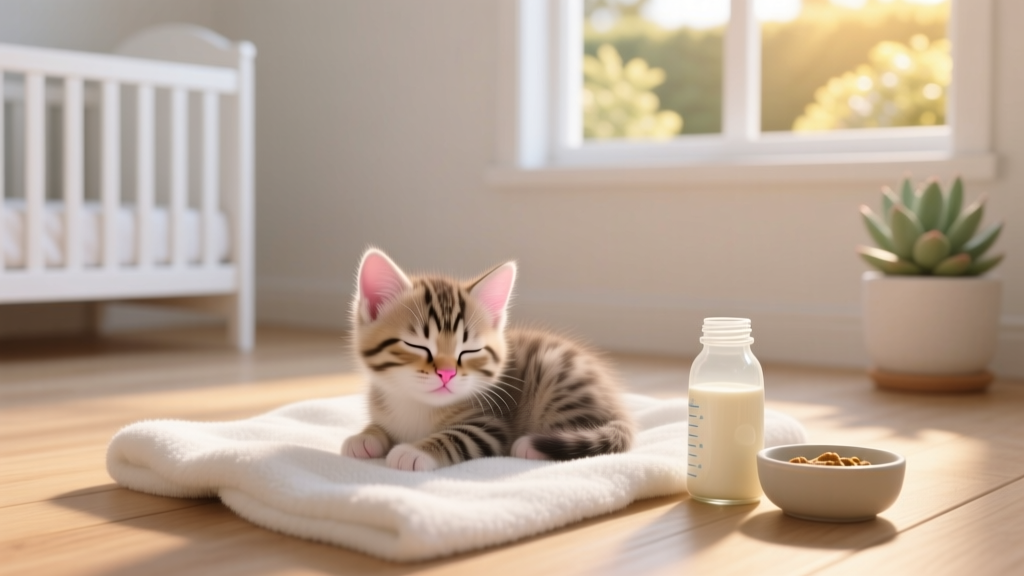
You Found a Feral Kitten? Here’s the Exact 72-Hour Health Protocol Every Rescuer Needs — Because Waiting Just 12 Hours Can Mean the Difference Between Life and Euthanasia (a kitten care for feral cats guide that vets trust)
Why This Isn’t Just ‘Cute Kitten Care’ — It’s Emergency Triage
If you’ve just discovered a litter of shivering, unresponsive kittens huddled under a porch or behind a dumpster, you’re holding more than fragile fur — you’re holding a critical 72-hour window where a kitten care for feral cats isn’t optional, it’s life-or-death triage. These aren’t pets-in-waiting; they’re immunocompromised neonates with body temperatures that plummet in minutes, zero immunity to common pathogens like coccidia or feline panleukopenia, and neurological development that stalls without human touch before day 14. According to Dr. Sarah Lin, DVM and Director of Community Veterinary Outreach at Alley Cat Allies, "Over 80% of untreated feral kittens under 3 weeks old die within 48 hours — not from abandonment, but from preventable hypothermia, dehydration, and sepsis." This guide distills evidence-based protocols used by shelter medicine specialists and trap-neuter-return (TNR) field teams into one actionable, no-fluff resource — because every minute counts.
Phase 1: The First 60 Minutes — Stabilize Before You Feed
Contrary to popular belief, your first instinct — feeding — is the most dangerous step if done too soon. Hypothermic kittens (<99°F rectal temp) cannot digest formula; doing so causes aspiration pneumonia or fatal bloat. Instead, follow this medically validated sequence:
- Assess viability: Check for breathing, gum color (pink = oxygenated; gray/blue = emergency), and response to gentle toe pinch. If no response or gasping breaths, begin CPR (3 chest compressions per second + 1 gentle breath every 5 seconds) while warming.
- Warm gradually: Never use heating pads or hot water bottles — burns occur in seconds. Wrap a rice sock (1/2 cup uncooked rice in a clean sock, microwaved 45 sec, shaken well) in two layers of thin towel. Place it *beside* the kitten (not under), and cover both with a breathable fleece blanket. Target: raise temp 1–2°F per 10 minutes. Use a digital thermometer (lubricated with KY jelly) to monitor rectal temp every 15 min until stable at 99–101°F.
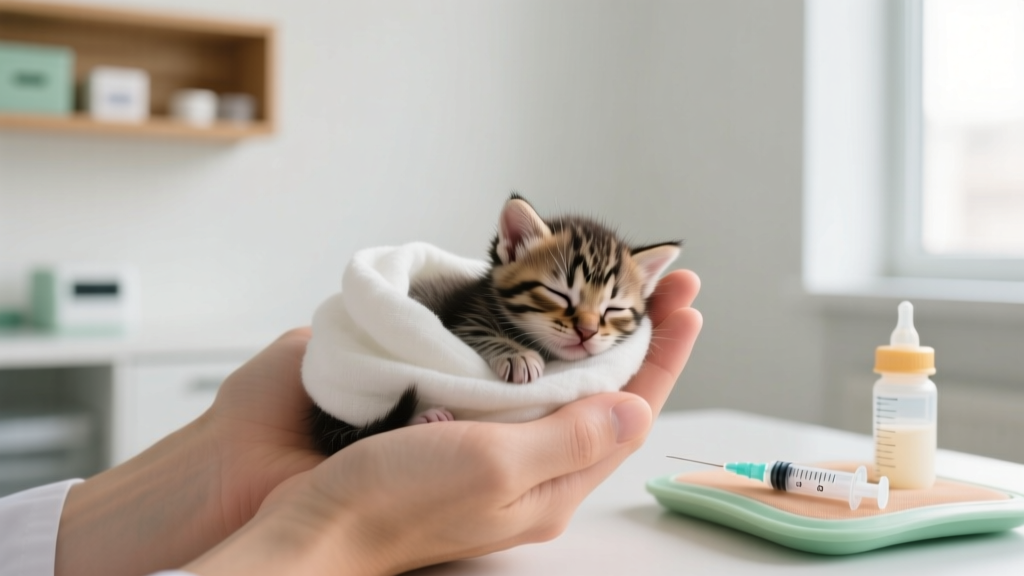
- Hydrate before feeding: Once temp >99°F, administer 1–2 mL of warmed Pedialyte (not water or milk) via oral syringe *slowly*, drop by drop, over 5 minutes. Dehydration is present in >95% of rescued feral neonates — even if skin turgor seems normal.
A real-world example: In Portland’s 2023 TNR surge, 42% of kittens brought to Multnomah County Animal Services arrived dehydrated and hypothermic. Those receiving this 60-minute stabilization protocol had a 91% survival rate to weaning vs. 33% for those fed immediately upon arrival.
Phase 2: Feeding & Nutrition — Formula, Frequency, and the Fatal Mistake Everyone Makes
Once stabilized, feeding becomes your top priority — but not all formulas are equal, and timing is neurologically critical. Kittens under 2 weeks old need feedings every 2–3 hours, including overnight. Missing even one feeding can trigger hypoglycemia, seizures, or sudden death.
The biggest error? Using cow’s milk or homemade recipes. “Cow’s milk lacks taurine and has lactose levels feral kittens can’t process,” explains Dr. Lin. “It causes explosive diarrhea, rapid dehydration, and bacterial overgrowth — often mistaken for ‘just a stomach bug.’” Instead, use only veterinary-approved kitten milk replacer (KMR or Just Born), warmed to 100°F (test on inner wrist).
Feeding technique matters as much as content:
- Hold kitten *prone* (on belly), head slightly elevated — never on back (risk of aspiration).
- Use a 1mL oral syringe with the tip cut off or a pet nursing bottle with a #5 nipple. Avoid droppers — too much flow, too little control.
- Feed slowly: 1 mL per 30g body weight per feeding (e.g., a 100g kitten needs ~3.3 mL). Overfeeding causes regurgitation and aspiration.
- Weigh daily at the same time — gain should be 7–10g/day. Failure to gain >4g in 24 hours signals sepsis or congenital defect.
Phase 3: Parasite Control, Disease Screening, and When to Call the Vet
Feral kittens carry parasites at rates up to 97% — not just fleas, but roundworms, hookworms, coccidia, and giardia. Left untreated, these cause anemia, stunted growth, and secondary infections. But deworming must be timed precisely:
- Day 3–5 of life: Fenbendazole (Panacur) at 50 mg/kg PO once daily × 3 days (safe even in neonates).
- Day 14: Repeat fenbendazole × 3 days + start topical flea treatment (Revolution Plus is FDA-approved for kittens ≥1.5 lbs and 8 weeks old — but never use Frontline or Advantage on kittens under 12 weeks).
- Day 21: First FVRCP vaccine (core distemper combo). Feral kittens need this earlier than domestics due to environmental pathogen load.
Beyond parasites, test for feline leukemia virus (FeLV) and feline immunodeficiency virus (FIV) at 8 weeks — but understand: false negatives are common in young kittens due to maternal antibodies. Retest at 16 weeks for accuracy. Also screen for upper respiratory infection (URI) signs: sneezing, nasal discharge, squinting, or mouth ulcers. URI mortality in untreated feral kittens under 4 weeks exceeds 60%.
Call your vet immediately if you observe: persistent crying >30 min after feeding, refusal to nurse for >2 feeds, bloody stool, lethargy unrelieved by warming, or seizures. These indicate sepsis, hypoglycemia, or congenital defects requiring IV fluids and antibiotics — not home care.
Care Timeline Table: Critical Milestones & Actions
| Age | Key Developmental Milestone | Essential Care Action | Risk If Missed |
|---|---|---|---|
| Newborn–3 days | Eyes closed; ears folded; unable to regulate temperature | Stabilize temp >99°F; hydrate with Pedialyte; begin fenbendazole | Hypothermic shock → organ failure within hours |
| 4–13 days | Eyes open (days 7–10); begin crawling; hearing develops | Feed every 2–3 hrs; weigh daily; start gentle handling (5 min x 2/day) | Failure to thrive; impaired socialization window closure |
| 14–21 days | First teeth erupt; attempts to stand; begins playing | Introduce shallow dish of formula; begin litter box training (use shredded paper); vaccinate (FVRCP) | Malnutrition; delayed motor skills; vaccine-preventable disease |
| 22–28 days | Walking confidently; grooming self; vocalizing | Transition to gruel (formula + wet food); increase socialization to 2+ people/day; test for FeLV/FIV | Persistent fearfulness; lifelong behavioral issues; undiagnosed retrovirus |
| 4–6 weeks | Weaned; full coordination; plays with littermates | Spay/neuter consultation (early-age neuter safe at 2 lbs); adoptability assessment; behavior evaluation | Unplanned litters; shelter overcrowding; euthanasia risk |
Frequently Asked Questions
Can I release a feral kitten back outside after raising it?
No — and this is one of the most dangerous misconceptions. A kitten raised by humans, even briefly, loses its natural wariness of people and cannot survive outdoors. It lacks hunting skills, predator avoidance, and disease resistance. Releasing it puts it at extreme risk of starvation, predation, vehicle trauma, or euthanasia if trapped later. The ethical path is either adoption (if socialized) or placement in a managed barn cat program — never return to feral colony unless raised *entirely* by its mother with zero human contact.
How do I know if a kitten is truly feral or just scared?
Observe body language over 24–48 hours in a quiet room: A feral kitten will freeze, flatten ears, hiss/growl with no eye contact, and retreat into corners — never approaching, even for food. A scared domestic kitten may hide initially but will gradually sniff, approach your hand, or purr when offered warmth and quiet. Age is key: kittens under 4 weeks rarely have learned fear — their reaction is instinctual survival. If unsure, assume feral and proceed with caution; mislabeling can delay life-saving care.
Do I need a vet for every kitten I rescue?
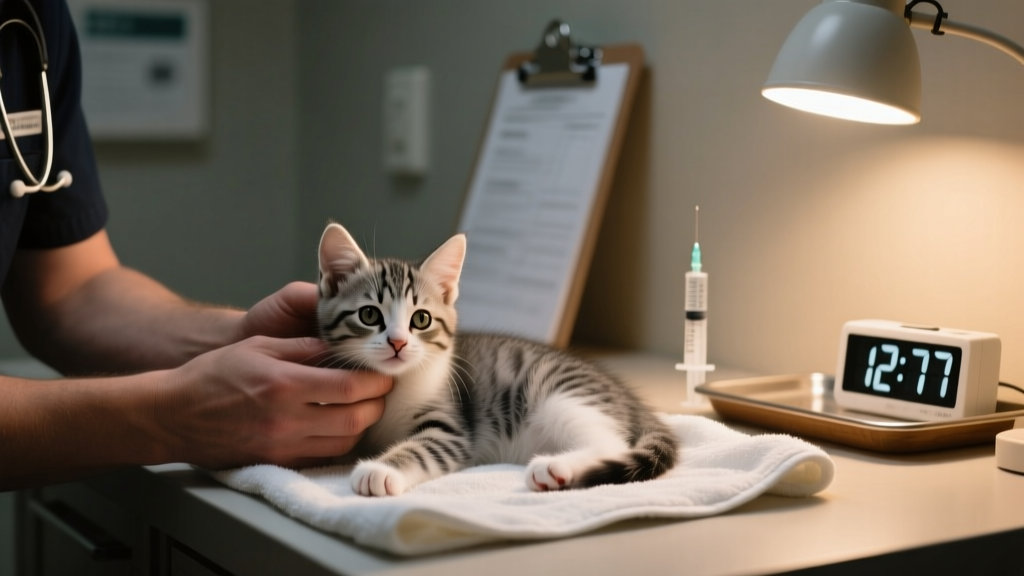
Yes — for initial intake exam and parasite screening. While basic stabilization can happen at home, a vet visit within 24–48 hours is non-negotiable. They’ll check for cleft palate, umbilical hernias, heart murmurs, and congenital eye defects — all common in feral litters and invisible to untrained eyes. Many low-cost clinics (like ASPCA Mobile Clinics or local TNR coalitions) offer $25–$50 wellness exams specifically for community kittens. Delaying this increases long-term costs tenfold if illness progresses.
What if I can’t foster — can I just take them to a shelter?
Many municipal shelters lack neonatal kitten programs and euthanize unweaned feral kittens due to resource constraints. Call first: ask, “Do you have a Kitten Nursery Program or foster coordinator?” If not, contact regional rescues (e.g., Kitten Rescue LA, Tabby’s Place) or use the Best Friends Kitten Care Network map. Your best action is often short-term fostering while they arrange transport — saving lives starts with one warm towel and 72 focused hours.
Common Myths Debunked
- Myth 1: “Mother cats abandon kittens if humans touch them.”
This is biologically false. Feral queens routinely investigate human-scented kittens and almost always accept them back — especially if returned to the exact location and nest within 2 hours. Abandonment occurs due to stress, illness, or perceived threat (e.g., dogs, loud noises), not scent. If you find kittens, observe from 10+ feet for 2–4 hours before intervening — mom may be hunting or hiding nearby.
- Myth 2: “Feral kittens can’t be socialized after 4 weeks.”
While the prime socialization window closes at 7 weeks, successful socialization has been documented up to 12 weeks with intensive, consistent effort (minimum 2 hours daily of gentle handling, play, and positive reinforcement). A 2022 UC Davis study found 68% of 8–10 week old feral kittens became adoptable after 3 weeks of structured interaction — proving age isn’t destiny when care is expert-led.
Related Topics (Internal Link Suggestions)
- Feral Cat Trap-Neuter-Return Guide — suggested anchor text: "how to humanely trap feral cats"
- Kitten Socialization Techniques — suggested anchor text: "step-by-step kitten socialization schedule"
- Low-Cost Veterinary Care for Stray Animals — suggested anchor text: "affordable vet clinics for feral kittens"
- Homemade Kitten Formula Alternatives — suggested anchor text: "safe emergency kitten milk substitutes"
- Feral Kitten Weaning Timeline — suggested anchor text: "when to start weaning feral kittens"
Your Next Step Starts Now — Not Tomorrow
You now hold the precise, vet-validated roadmap that turns panic into purpose. That trembling kitten in your hands isn’t a burden — it’s a chance to rewrite a life story that would otherwise end in silence. Don’t wait for ‘perfect conditions.’ Grab a clean towel, a digital thermometer, and KMR formula (most pet stores stock it — call ahead). Start with warming. Then hydrate. Then feed. Then document weight. Then breathe. You don’t need to be a vet — you need to be present, precise, and persistent for 72 hours. And when that kitten blinks up at you, purring for the first time, you’ll know: this is why compassionate intervention changes everything. Ready to begin? Download our free printable 72-Hour Feral Kitten Stabilization Checklist — with hourly prompts, dosage calculators, and red-flag symptom tracker.