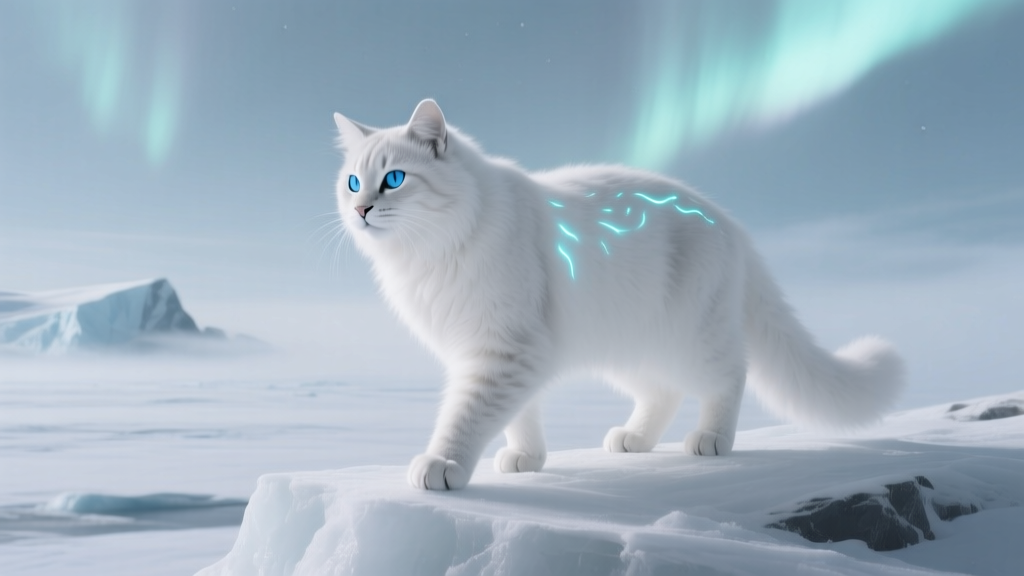
Yeti Cat: Arctic White Breed Development
Imagine a cat that looks like it strolled out of a snowstorm—glowing white coat, plush “cold-weather” texture, and a calm, watchful gaze that makes you think it knows exactly where you hid the treats. That’s the charm people are reaching for when they search for a “Yeti Cat”: an arctic-white, heavy-coated cat type that has been talked about online as if it’s a newly minted breed.
Here’s the exciting (and honest) truth for cat lovers and breed researchers: the Yeti Cat is not a widely recognized, standardized cat breed with established registry status like a Maine Coon, Siberian, or Norwegian Forest Cat. Instead, “Yeti Cat” is best understood as a breed-development concept—a nickname used for selectively bred, arctic-white, longhaired cats (often with forest-cat ancestry) that aim for a dramatic, snow-beast look: thick coat, substantial body, and a friendly, confident temperament.
If you’re drawn to the idea of a Yeti Cat, you’re in great company. White, plush-coated cats have a special kind of magic. Let’s break down what “Yeti Cat: Arctic White Breed Development” usually means, where the look comes from, what traits to expect, and how to care for a cat bred (or chosen) for that snowy, luxurious vibe.
Breed History and Origin
Unlike established breeds with a documented foundation program and formal acceptance by major registries (such as CFA, TICA, or FIFe), the “Yeti Cat” label is commonly used to describe:
- Arctic-white longhaired cats developed through careful selection for coat density, length, and a rounder, “teddy-bear” silhouette.
- Forest-type cats (or forest-type mixes) that naturally carry thick undercoats and big ruffs—traits seen in Siberians, Norwegian Forest Cats, and Maine Coons.
- Color-selected lines focusing on solid white or near-white expressions, sometimes with “silver” influence in the background (though silver is genetically different from true white).
Historically, the “arctic cat” look has always existed in colder regions: cats with denser coats survived better, and humans often favored fluffier, friendlier cats that thrived around homes and barns. Modern “Yeti Cat” talk tends to be a blend of:
- Social media aesthetics (the dramatic snow-cat look photographs beautifully)
- Selective breeding goals (big coat, big personality, sturdy body)
- Real breed influence from longhaired, cold-adapted breeds
If you’re researching a Yeti Cat as a “breed,” treat it like a developing type. Ask for documentation, health testing, lineage details, and clarity on whether the cat is a purebred (of an established breed) or a cross/selection line being marketed under a nickname.
Physical Characteristics
Because “Yeti Cat” is not a single standardized breed, appearance can vary. Still, cats described this way typically share a strong set of “arctic white” traits: a plush coat, substantial fluff around the neck and chest, and a sturdy build that looks made for winter—even if it’s lounging in your sunbeam.
| Trait | Typical “Yeti Cat” Look |
|---|---|
| Size | Medium to large |
| Weight | Females: ~8–12 lb; Males: ~12–18 lb (varies by lineage) |
| Coat length | Medium-long to long; heavy plume tail common |
| Coat texture | Plush with undercoat; can be water-resistant in forest-cat types |
| Color | Solid white is the signature; some may have subtle shading in kittenhood |
| Eyes | Gold/amber/green common; blue possible in white cats (and odd-eyes can occur) |
| Distinctive features | Big ruff, fluffy cheeks, toe tufts, thick tail, “snowball” silhouette |
Coat and Color: What “Arctic White” Really Means
The iconic Yeti Cat coat is typically solid white. Genetically, solid white can be caused by a dominant white gene that masks other colors. That’s why a white cat can sometimes have colored kittens (depending on genetics), and why some white kittens show faint “ghost” shading that fades as they mature.
Heads-up for researchers and buyers: white is not the same as “silver.” Silver cats often have pale undercoats with darker tipping, while true white is a masking color. If someone is selling a “silver Yeti,” ask whether they mean solid white or silver—they’re different.
Personality and Temperament Traits
People who love the Yeti Cat concept usually want more than a gorgeous coat—they want a cat that feels like a gentle companion with a touch of wilderness confidence. Temperament will depend heavily on the foundation breed(s) and early socialization, but the most commonly described Yeti Cat personality traits include:
- Affectionate but not clingy: happy to be near you, often following from room to room
- Calm confidence: not easily rattled, tends to adapt well to new routines
- Playful “soft hunter” energy: loves wand toys, puzzle feeders, and ambush games
- Social with familiar people: warms up steadily, especially when treated gently
- Chatty varies: some lines are talkers; others are quietly expressive
If your dream is a snow-white lap cat, focus less on the nickname and more on the individual cat’s temperament. A well-socialized longhaired cat of forest-type ancestry can be an absolute joy—sweet, sturdy, and wonderfully interactive.
Health Considerations and Common Issues
Health profiles vary because “Yeti Cat” isn’t a single standardized breed. Still, there are a few reliable health topics to discuss any time you’re looking at a large, longhaired, white-coated cat.
Potential concerns seen in white and/or longhaired cats
- Deafness in white cats: White cats—especially those with blue eyes—have an increased risk of congenital deafness. Not all white cats are deaf, but it’s common enough that responsible breeders and adopters should screen for hearing.
- Polycystic Kidney Disease (PKD): More associated with Persian-related lines, but any longhair line with unknown background should be assessed carefully.
- Hypertrophic cardiomyopathy (HCM): Seen across many breeds and mixed cats; reputable programs screen breeding cats via cardiac ultrasound.
- Dental disease: Very common in cats overall. Fluffy cheeks don’t protect teeth—regular dental care matters.
- Obesity: Big coats can hide weight gain. Large-framed cats still need portion control.
- Skin sensitivity and sun risk: White cats can be more prone to sun damage (especially ears and nose) if they sunbathe in intense sunlight.
Health questions to ask (especially if buying from a breeder)
- Do you screen for HCM (echocardiogram) in breeding cats?
- Any history of PKD or kidney issues?
- Have kittens been evaluated for hearing (behavioral response or BAER testing where available)?
- What is the typical adult size and body condition in your lines?
- Can I see veterinary records, vaccination status, and deworming schedule?
Care Requirements (Grooming, Exercise, Diet)
The “arctic white” wow-factor comes with real maintenance. If you love grooming time, you’ll be in heaven. If you don’t, you’ll want to choose a cat with a lower-maintenance coat type—or commit to professional grooming support.
Grooming
- Brushing: 2–4 times per week for most longhaired coats; daily during seasonal shedding
- Tools: wide-tooth comb for the undercoat, slicker brush for topcoat, and a gentle de-matting tool only when needed
- Focus areas: behind ears, armpits, belly, and the “pants” (hind legs)
- Bathing: occasional baths can keep white coats bright; use cat-safe shampoo and rinse thoroughly
- Sanitary trims: helpful for very fluffy cats to reduce litter cling
White coats show everything—dust, litter, and food smudges. Keep pet-safe wipes handy for quick cleanups, especially around the mouth and paws.
Exercise and enrichment
- Daily play: 15–30 minutes split into sessions (wand toys, chase games)
- Climbing: sturdy cat trees suit larger, fluffier bodies
- Brain work: puzzle feeders and treat balls help prevent boredom
- Window time: bird feeders outside a window = premium cat entertainment
Diet
A Yeti Cat type often has a hearty appetite—especially if it’s a bigger-framed, forest-influenced cat. Choose a complete, high-quality diet and measure portions. Many owners do well with a mix of wet and dry, with wet food supporting hydration.
- Protein-forward nutrition supports muscle and coat condition
- Omega-3s (vet-approved sources) can help coat shine and skin comfort
- Weight monitoring: feel ribs gently under the fluff; don’t guess by silhouette alone
Compatibility with Families, Children, and Other Pets
When developed from friendly, social lines, Yeti Cat types can be wonderful family cats—big softies with big coats. Compatibility depends on early handling and your home’s energy level.
- Families with children: often a great match with respectful kids who don’t grab fur or tail. Supervise early interactions and teach “gentle hands.”
- Dogs: typically does well with calm, cat-savvy dogs and slow introductions. Confident longhair cats often hold their ground politely.
- Other cats: usually fine with proper introductions; many enjoy having a feline companion.
- Busy households: can adapt if they have vertical space, predictable routines, and a quiet retreat area.
If you’re adopting, look for a cat that already shows the temperament you want: curious, relaxed posture, willing to engage, and comfortable with handling.
Pros and Cons of Owning This Breed (or Breed Type)
| Pros | Cons |
|---|---|
| Stunning arctic-white, plush “snow creature” look | High grooming needs; matting can happen quickly |
| Often calm, affectionate, and family-friendly with good socialization | Not a standardized, widely recognized breed—lineage varies |
| Big, fluffy presence—many people love the sturdy forest-cat vibe | Health screening can be inconsistent if marketed as a novelty “Yeti Cat” |
| Playful and interactive; enjoys enrichment | White cats may have higher risk of deafness (especially blue-eyed) |
| Coat can be incredibly soft and luxurious | White fur shows dirt and tear staining more easily |
FAQ: Yeti Cat (Arctic White Breed Development)
Is the Yeti Cat an official cat breed?
“Yeti Cat” is not commonly recognized as an official breed by major cat registries. It’s usually a nickname for arctic-white, longhaired cats—often from forest-type lines—or a developing look-focused breeding project. If someone claims official status, ask which registry and request documentation.
Are Yeti Cats hypoallergenic?
No cat is truly hypoallergenic. Some individuals may trigger fewer allergies, but fluffy longhaired cats can carry allergens on coat and dander. If allergies are a concern, spend time with the cat first and talk to your allergist.
Do white Yeti Cats have hearing problems?
Some white cats—especially those with blue eyes—have a higher risk of congenital deafness. Many white cats hear perfectly well, but it’s smart to ask about hearing screening and observe response to sound during visits.
How big does a Yeti Cat get?
Many cats marketed as Yeti Cats are medium-large to large. Adults commonly range from about 8–18 lb depending on sex, ancestry, and overall body type. Always ask about parental size if you’re buying from a breeder.
How much grooming does an arctic-white longhaired cat need?
Plan on brushing several times per week, plus extra during shedding seasons. Long coats mat most easily behind the ears, under the arms, and around the hindquarters. Regular combing is far easier than dealing with mats later.
What breeds are most similar to the Yeti Cat look?
If you love the “snowy forest cat” vibe, look into established breeds like the Siberian, Norwegian Forest Cat, and Maine Coon. Solid white individuals exist in several breeds, and many domestic longhairs can also have that full, plush look.
Final Thoughts for Yeti Cat Fans
The Yeti Cat idea captures something cat people understand instantly: the joy of a magnificent, cloud-soft companion with a winter-ready coat and a warm heart. If you’re searching for a “Yeti Cat: arctic white breed development,” the best approach is to focus on what truly matters—healthy lines (or a healthy rescue), solid socialization, and a coat you’re excited to maintain.
If your perfect match turns out to be a purebred Siberian in solid white, a big domestic longhair with a lion’s ruff, or a carefully developed arctic-white line from a responsible breeder, the real magic is the bond you build together.
Want to keep exploring? Browse more cat breed profiles and deep-dive guides at catloversbase.com—your next feline favorite might be waiting there.