Vivid Cat: High-Contrast Pattern Breeding
If you’ve ever caught yourself staring at a cat’s coat like it’s living artwork—bold edges, crisp contrast, dramatic markings that look “painted on”—you already understand the appeal behind the Vivid Cat concept. “Vivid Cat” isn’t a single universally recognized pedigree like the Maine Coon or Siamese. Instead, it’s a modern, enthusiast-driven high-contrast pattern breeding goal that shows up across several established breeds and breeder programs: cats intentionally selected for striking contrast, clean pattern boundaries, and coat clarity that reads beautifully even from across the room.
For cat lovers, the appeal is obvious: a companion animal with the cuddly warmth of a house cat and the visual punch of a miniature wildcat. For researchers and serious fanciers, the Vivid Cat trend is a fascinating window into how selective breeding shapes pattern expression—without sacrificing temperament, health, or day-to-day livability.
This guide breaks down what people mean by “Vivid Cat,” where these high-contrast lines come from, what they typically look like, and what you should know before bringing a bold-patterned beauty home.
Breed history and origin
The “Vivid Cat” label is best understood as a breeding style rather than a registry-defined breed. High-contrast pattern breeding has deep roots in cat fancy history—long before the term “vivid” became popular in online cat communities. Breeders have long selected for:
- Pattern clarity (clean edges to spots, rosettes, marbling, or classic tabby swirls)
- Contrast (dark markings against a bright, warm, or pale background)
- Coat sheen (especially in Bengals and Egyptian Maus, where glitter or sheen can enhance “pop”)
Several established breeds strongly influenced today’s vivid, high-contrast look:
- Bengal: Famous for rosettes, marbling, and high-contrast coats. Many “vivid” cats you see online are Bengals or Bengal mixes, intentionally bred for crisp pattern and rich ground color.
- Egyptian Mau: Naturally spotted with strong contrast; prized for clear spots and distinctive “mascara” facial lines.
- Ocicat: A domestic breed created to resemble a wild spotted cat, often with bold, well-defined spotting.
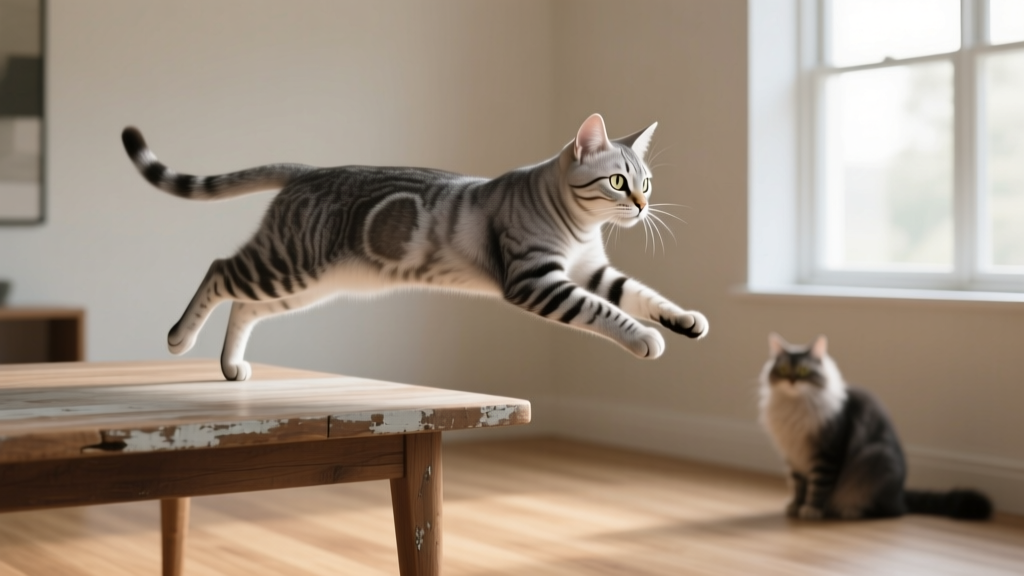
- American Shorthair and other classic tabby lines: Especially the silver classic tabby pattern, where contrast can be dramatic when bred for clarity.
- Oriental Shorthair (tabby variants): Sleek coats can make contrast patterns look extra sharp.
Because “Vivid Cat” is not a single formal breed standard, you’ll see it used in different ways: a breeder’s program name, a descriptive term in listings, or shorthand among enthusiasts for cats with high-contrast tabby, spotted, or rosetted patterns.
Physical characteristics
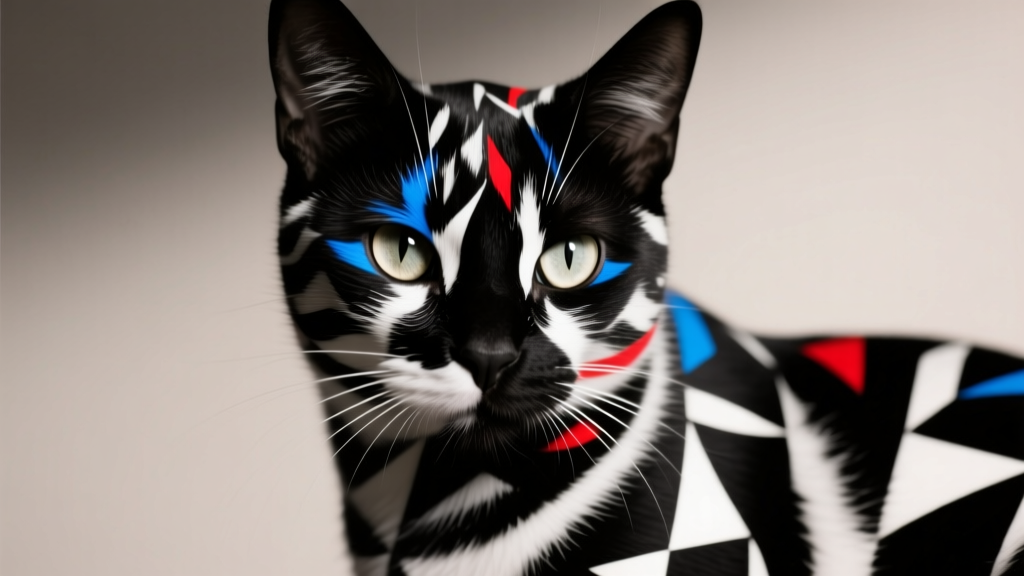
Vivid Cats vary in shape and size depending on the underlying breed(s). Still, high-contrast pattern lines often share a few visual goals: strong contrast, clean pattern definition, and a coat that looks “inked” against the background.
| Trait | Common Vivid Cat Range | Notes |
|---|---|---|
| Size | Medium to large | Many come from athletic, active breeds like Bengal or Ocicat. |
| Weight | 8–15 lb (3.6–6.8 kg) | Males often heavier; lean, muscular builds are common. |
| Coat length | Short to medium | Short coats showcase crisp pattern edges and contrast best. |
| Coat feel | Sleek, dense, plush | Some lines emphasize a satin feel or “polished” look. |
| Markings | Spotted, rosetted, marbled, classic tabby | High-contrast pattern clarity is the signature goal. |
Colors and patterns you’ll see
When people search for Vivid Cat high-contrast patterns, they’re usually drawn to these looks:
- Brown/black spotted or rosetted: Dark markings over a warm golden, bronze, or tan ground color.
- Silver spotted/classic tabby: Inky black markings over a pale silver background—often extremely dramatic.
- Charcoal or melanistic-leaning contrast (seen in some Bengal lines): A darker mask/cape effect can add intensity.
- Marble patterns: Flowing swirls with strong negative space and crisp edges.
Distinctive features
- Crisp “edge definition” on markings (less blurry shading, fewer muddy transitions)
- High contrast between ground color and pattern
- Facial detailing such as bold eyeliner lines, nose “brick” outlines, and strong cheek stripes (common in tabby-based patterns)
- Athletic silhouette in many lines—longer body, strong shoulders, agile movement
Personality and temperament traits
Temperament depends heavily on the breed foundation and the individual cat, but many vivid-pattern programs draw from active, people-engaged breeds. A well-bred, well-socialized Vivid Cat is often:
- Confident and curious—the kind of cat who wants to be in the middle of everything
- Playful and energetic, with a love for chase games and interactive toys
- Social, frequently following favorite humans from room to room
- Bright and trainable—many learn tricks, leash walking, or puzzle feeders quickly
Some high-energy lines (especially Bengal-influenced) may be less of a “lap cat” and more of a “hang out nearby and supervise your life” cat. That said, plenty of vivid-pattern cats are affectionate snugglers once their activity needs are met.
Health considerations and common issues
Because “Vivid Cat” isn’t a single standardized breed, health risks vary with lineage. Ethical breeding should prioritize health, temperament, and genetic diversity—not just contrast. If your Vivid Cat comes from Bengal, Ocicat, Egyptian Mau, or other patterned lines, discuss breed-specific screening with the breeder or rescue.
Potential concerns that may appear in some vivid-pattern lineages include:
- Hypertrophic cardiomyopathy (HCM): A heart condition seen across multiple breeds. Ask about heart screening and veterinary cardiology checks in the breeding lines.
- Progressive retinal atrophy (PRA): Genetic eye diseases occur in some pedigreed lines; responsible programs test when relevant.
- Patellar luxation: More common in some lines than others; watch for skipping gait or hind-leg lameness.
- Digestive sensitivity: Some active, high-metabolism cats can be picky or prone to loose stool if diet changes too quickly.
- Dental disease: Common in domestic cats overall—regular dental care matters regardless of pattern.
What to ask for when evaluating a breeder:
- Veterinary records and vaccination/deworming schedule
- Genetic test results relevant to the underlying breed(s)
- HCM screening practices (if applicable in that lineage)
- Clear explanation of how kittens are socialized in the home
Care requirements (grooming, exercise, diet)
Grooming
Most vivid-pattern cats have short coats that are wonderfully low maintenance. The goal isn’t volume—it’s shine and clarity.
- Brushing: 1–2 times per week with a soft brush or grooming mitt to remove loose hair and enhance sheen.
- Bathing: Rarely needed, unless your cat gets into mischief. If you do bathe, use a cat-safe shampoo and keep it gentle.
- Nails, ears, teeth: Trim nails every 2–4 weeks, check ears weekly, and aim for regular tooth brushing (even a few times a week helps).
Exercise and enrichment
High-contrast cats often come from athletic lines, and an under-stimulated smart cat will invent hobbies you won’t love—like redecorating your shelves at 3 a.m.
- Daily interactive play: 15–30 minutes (split into sessions) with wand toys, feather teasers, or chase toys.
- Vertical territory: Cat trees, wall shelves, and window perches.
- Puzzle feeders: Great for brain work and slowing fast eaters.
- Training: Clicker training, leash/harness work, and “find it” games suit many vivid-pattern cats.
Diet
Feed the cat in front of you: age, activity level, and metabolism matter more than aesthetics. Many owners do well with a high-protein wet food base plus measured dry food if needed.
- Protein-forward nutrition supports lean muscle in active cats.
- Consistent feeding routines help prevent begging and reduce stress.
- Slow transitions (7–10 days) reduce tummy upsets, especially in sensitive cats.
Compatibility with families, children, and other pets
A well-socialized Vivid Cat can be a fantastic family companion. Many thrive in busy homes because they enjoy interaction—just make sure everyone understands respectful handling.
- With children: Often excellent with gentle kids who play appropriately. These cats tend to love interactive play, but they don’t enjoy being grabbed or carried incorrectly.
- With other cats: Usually fine with proper introductions. Confident cats can be socially bold, so slow, scent-based intros are still the best path.
- With dogs: Many do well with calm, cat-savvy dogs. High-energy cats may even enjoy a playful dog companion if both animals are respectful.
- With small pets: Use caution. Strong prey drive is common in spotted/tabby lines; secure housing is essential for birds, rodents, and reptiles.
Pros and cons of owning this breed style
| Pros | Cons |
|---|---|
| Show-stopping high-contrast coat that turns heads | Some lines are high-energy and need daily enrichment |
| Often intelligent, interactive, and trainable | Can become bored or mischievous without structure |
| Short coat is usually easy to groom | May have strong prey drive around small pets |
| Confident personality; great “fun companion” cat | Quality breeding and health testing can be expensive |
| Many do well with families and other pets when socialized | Not every vivid-pattern cat is a lap cat (varies by individual) |
FAQ: Vivid Cat high-contrast pattern breeding
Is the Vivid Cat an official cat breed?
No. “Vivid Cat” is commonly used as a descriptive term for high-contrast patterned cats or for breeder programs focused on pattern clarity. The cat may be a Bengal, Ocicat, Egyptian Mau, American Shorthair tabby, or a mix with vivid markings.
What patterns count as “vivid”?
Most people mean spotted, rosetted, marbled, or classic tabby patterns with crisp edges and strong contrast. Silver tabbies and high-quality rosetted Bengals are classic examples of the vivid look.
Do vivid-pattern cats shed a lot?
Many are shorthaired and shed a moderate amount—less dramatic than longhaired breeds, but still normal cat shedding. Weekly brushing helps keep coats glossy and reduces loose hair.
Are Vivid Cats good for first-time cat owners?
They can be, especially if you choose a calm individual and commit to daily play. If the cat is Bengal-influenced or particularly energetic, first-time owners should plan for extra enrichment, climbing space, and interactive routines.
How do I find a responsibly bred high-contrast kitten?
Look for transparent health practices, clean living conditions, strong socialization, and documentation of relevant genetic testing for the underlying breed(s). A good breeder will happily discuss temperament, not just coat “wow factor.”
Do high-contrast patterns affect health?
Pattern and contrast themselves don’t inherently cause health problems. The key is avoiding irresponsible breeding that prioritizes looks over genetic diversity and health screening.
A warm signoff for fellow pattern-lovers
A Vivid Cat—whether it’s a rosetted Bengal, a sharply defined silver tabby, or a beautifully spotted domestic line—brings a special kind of joy. You get the everyday sweetness of a companion animal paired with a coat that looks like nature’s own graphic design: bold, crisp, and full of personality.
If you’re considering a high-contrast patterned cat, aim for the complete package: ethical breeding (or thoughtful rescue), a confident temperament, and a home that offers play, climbing, and connection. When those pieces come together, vivid-pattern cats don’t just look stunning—they thrive.
Want to compare more gorgeous coats and temperaments? Explore more breed profiles on catloversbase.com and find the cat that fits your heart and your home.