Scottish Straight: Fold's Straight-Eared Sibling
Meet the Scottish Straight: the cat that looks like a plush toy come to life—round face, big sweet eyes, and that famously soft “teddy bear” vibe—just with upright ears. If you’ve ever fallen for the Scottish Fold’s adorable owl-like look but prefer a more classic ear shape, the Scottish Straight may be your perfect match.
Scottish Straights are often described as the Fold’s straight-eared sibling, and that’s not just a cute nickname—it’s literally how the breed works genetically. Within Scottish Fold breeding programs, kittens can be born with folded ears or straight ears, and the straight-eared kittens are Scottish Straights. They share the same charming personality reputation: affectionate without being clingy, playful without being chaotic, and wonderfully people-focused.
Whether you’re researching cat breeds, looking for a family companion, or simply curious about what makes this breed special, this guide covers everything from Scottish Straight history to health, care, and day-to-day life with these round-faced sweethearts.
Breed History and Origin
The Scottish Straight’s story is inseparable from the Scottish Fold. The Fold trait first appeared in Scotland in the early 1960s, when a white barn cat named Susie was discovered with naturally folded ears. Breeders were captivated by this unique look and began developing a breed around it. As breeding progressed, it became clear that not all kittens from Fold lines would have folded ears—many were born with normal, upright ears. These kittens are what we now call Scottish Straights.
In many registries and breeding programs, Scottish Straights are recognized as part of the broader Scottish-type family because they share the same body style, head shape, coat types, and temperament—just without the folded ear cartilage. In responsible breeding, straight-eared cats play a major role because the folded-ear gene is associated with cartilage and bone issues when mishandled in breeding programs.
Today, Scottish Straights are cherished both as companions and as essential outcross partners in ethically managed Scottish breeding lines. You may also see them described as:
- Scottish Straight Shorthair
- Scottish Straight Longhair (sometimes called Highland Straight in some circles)
- Scottish breed type with straight ears (registry terminology varies)
Physical Characteristics
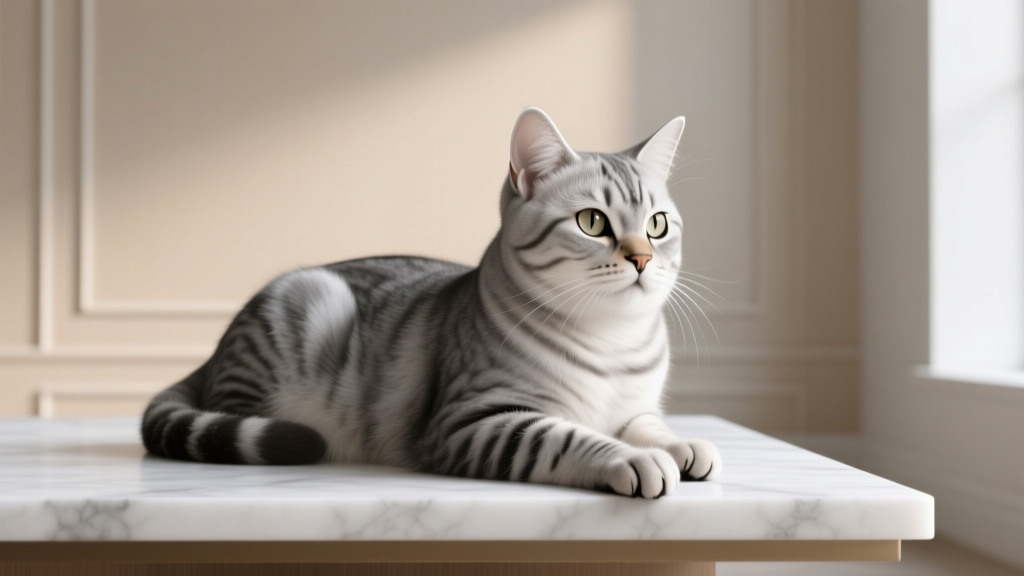
The Scottish Straight is all about roundness and softness. Think rounded head, rounded eyes, rounded paws—paired with a sturdy, medium build. They tend to look “neat,” compact, and plush rather than lanky or angular.
| Feature | Typical Scottish Straight Traits |
|---|---|
| Size | Medium (some can lean small-medium or medium-large depending on lineage) |
| Weight | Females: ~6–10 lb (2.7–4.5 kg); Males: ~9–13 lb (4–5.9 kg) |
| Body Type | Rounded, sturdy, well-boned; not extreme |
| Head & Face | Very round head, full cheeks, short-to-medium nose |
| Ears | Upright, medium size, slightly rounded tips; set wide apart |
| Eyes | Large, round, open expression; color varies with coat color |
| Coat Types | Shorthair (dense, plush) or Longhair (silky, fuller ruff and tail) |
Coat Texture and Colors
Scottish Straight cats come in a wide range of colors and patterns, which is part of their appeal. Their coat is often described as dense and “springy” to the touch in shorthairs, while longhairs can have a soft, flowing look with a fluffy tail.
Common coat colors and patterns include:
- Solid: blue (gray), black, white, cream, red
- Tabby: classic, mackerel, spotted (in many color variations)
- Bicolor and van patterns
- Tortoiseshell and calico
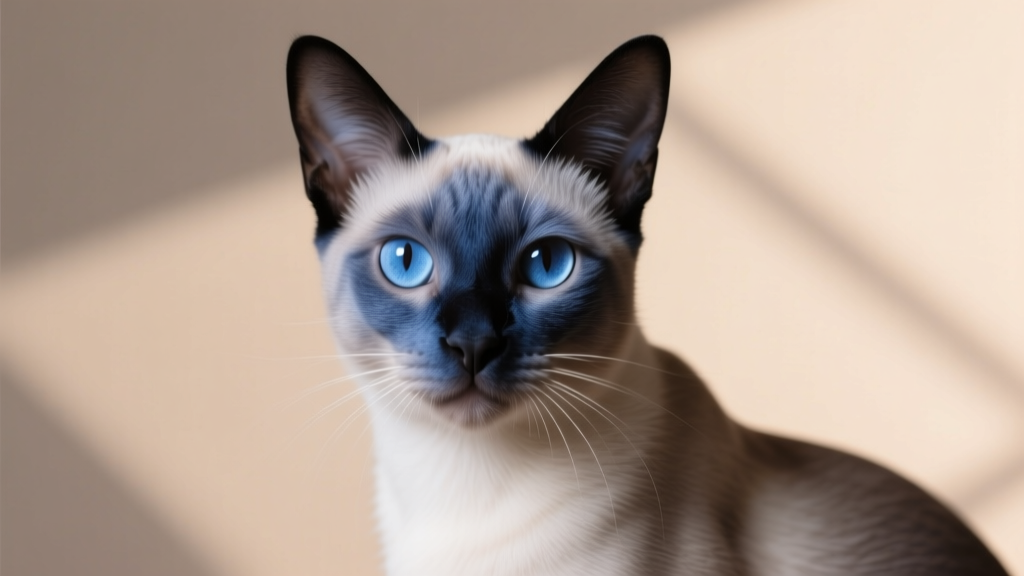
- Colorpoint (in some lines; often with striking blue eyes)
Distinctive features you’ll notice right away:
- A sweet, “smiling” expression created by full cheeks and round eyes
- A plush, well-padded body that feels solid when you pick them up
- Upright ears that keep the classic Scottish head shape without the fold
Personality and Temperament Traits
If you want a cat that enjoys your company but doesn’t demand attention every second, the Scottish Straight is often a wonderful fit. Many Scottish Straights are affectionate, gentle, and socially tuned-in. They tend to follow their favorite human from room to room—not necessarily to be held constantly, but to be part of the action.
Typical Scottish Straight temperament traits include:
- People-oriented: likes being near you, often chooses the same room you’re in
- Sweet and calm: generally not high-strung or hyperactive
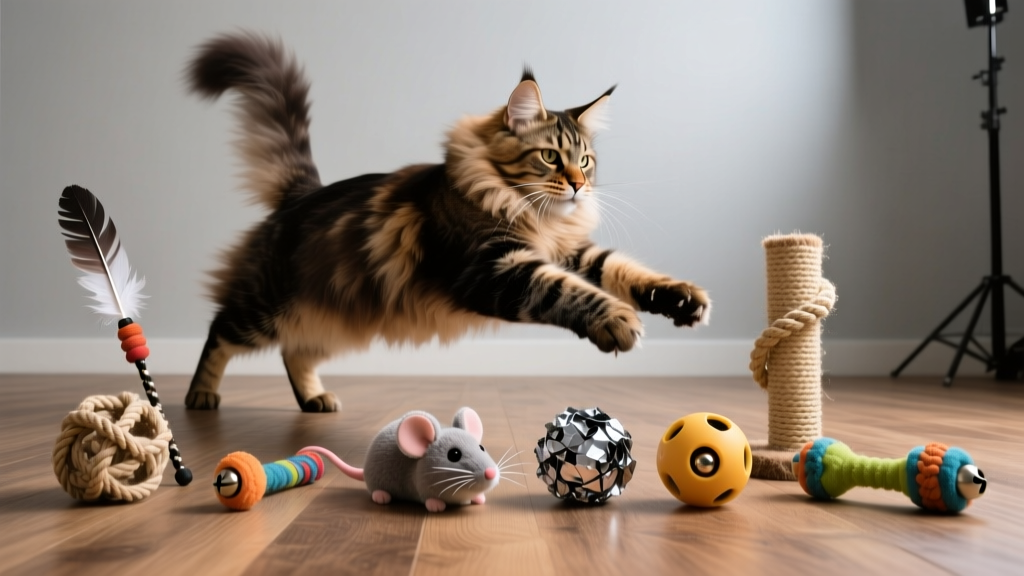
- Playful: enjoys wand toys, puzzle feeders, and short bursts of zoomies
- Adaptable: often handles routine household noise better than more sensitive breeds
- Soft voice: many are not overly vocal, but will “chat” in gentle tones
They’re often excellent “best friend” cats: present, cuddly on their terms, and happy to lounge nearby while you work or relax. Many also do well with respectful visitors once properly introduced.
Health Considerations and Common Issues
Scottish Straights can be healthy, robust companions, but because they’re connected to Scottish Fold lines, health deserves thoughtful attention. The major concern in Scottish Fold breeding is osteochondrodysplasia (OCD), a cartilage and bone development disorder linked to the folded-ear gene. Scottish Straights do not have folded ears and typically do not carry the same level of risk as folded-ear cats, but they may still be related to lines where orthopedic issues appear.
Potential health considerations seen in Scottish Straight or Scottish-type cats include:
- Joint and mobility concerns: stiffness in tail, limping, or reluctance to jump can signal orthopedic issues
- Obesity: their sturdy build can hide weight gain; extra pounds stress joints
- Dental disease: common in many breeds; regular dental care helps
- Hypertrophic cardiomyopathy (HCM): occurs in many cat populations; reputable breeders may screen
- Ear health: upright ears are generally easier than folded ears, but routine checks still matter
When choosing a kitten or adult Scottish Straight, look for a breeder or rescue that prioritizes health and transparency. Ask about orthopedic history in the line, veterinary checks, and any screening practices (such as heart evaluations). A great Scottish Straight should move comfortably, play willingly, and have a flexible tail without obvious stiffness.
Care Requirements (Grooming, Exercise, Diet)
Grooming
Scottish Straight grooming is usually simple, but the plush coat benefits from consistency.
- Shorthair: brush 1–2 times per week to remove loose hair and reduce shedding
- Longhair: brush 3–4 times per week (more during seasonal shedding) to prevent tangles
- Nails: trim every 2–4 weeks
- Ears: check weekly; clean gently if waxy (ask your vet for safe cleaner recommendations)
- Teeth: ideally brush several times per week; dental treats and vet cleanings help too
Exercise and Enrichment
Scottish Straights love play, but most don’t need nonstop activity. Aim for short interactive sessions throughout the day to keep them fit and mentally satisfied.
- Two or three 10–15 minute play sessions daily (wand toys are usually a hit)
- Puzzle feeders to slow eating and prevent boredom
- Cat trees and window perches for climbing and bird-watching
- Gentle fetch games—some Scottish Straights really get into it
Diet
A Scottish Straight’s diet should support lean muscle and protect joints by maintaining a healthy weight. Choose a high-quality, complete and balanced food suited to your cat’s life stage (kitten, adult, senior). Many do well with a mix of wet and dry food, with wet food helping hydration.
- Portion control: measure meals instead of free-feeding if weight creeps up
- Protein-forward: cats thrive on animal-based protein
- Weight monitoring: you should be able to feel ribs under a light layer of padding
- Joint support: ask your vet about omega-3s if your cat is prone to stiffness
Compatibility with Families, Children, and Other Pets
The Scottish Straight often shines as a family cat. Their gentle nature and social flexibility make them good candidates for many households—quiet apartments, busier family homes, and multi-pet settings—so long as introductions are handled thoughtfully.
- With children: usually excellent with kids who are taught to be gentle and respectful
- With other cats: often friendly, especially if paired with another calm, social cat
- With dogs: can do well with cat-savvy dogs after slow, positive introductions
- With seniors: their calm companionship and moderate exercise needs can be a great match
They tend to prefer harmony over chaos. If your home is loud or unpredictable, provide cozy “safe zones” (covered beds, quiet rooms, high perches) where your Scottish Straight can decompress.
Pros and Cons of Owning This Breed
| Pros | Cons |
|---|---|
| Affectionate, loyal companion with a sweet, gentle vibe | Some lines may carry increased orthopedic risk due to Fold ancestry |
| Plush, adorable “teddy bear” look with upright ears | Can gain weight easily if overfed or under-stimulated |
| Generally adaptable to apartments and family homes | Longhair variety needs more frequent grooming |
| Often friendly with kids and other pets when introduced well | May dislike being left alone all day without enrichment |
| Moderate energy—playful but not exhausting | Finding a truly responsible breeder may take extra research |
FAQ: Scottish Straight Cats
Are Scottish Straight cats the same as Scottish Folds?
They’re closely related but not the same. Scottish Straights have upright ears and come from Scottish Fold lines. They share a similar body type and personality style, but they don’t have the folded-ear appearance.
Do Scottish Straights have the same health problems as Scottish Folds?
Scottish Straights generally have lower risk of the cartilage and bone disorder linked to the folded-ear gene, since they don’t have folded ears. Still, because they can come from Fold-related lines, it’s wise to choose ethically bred cats and watch for joint stiffness or mobility changes.
How big does a Scottish Straight get?
Most Scottish Straight cats are medium-sized. Females commonly range from about 6–10 lb, while males are often 9–13 lb, though individual size varies with genetics, diet, and activity.
Are Scottish Straights cuddly lap cats?
Many are affectionate and enjoy cuddles, but they often show love by staying close rather than insisting on being held. Some become dedicated lap cats, while others prefer to lean against you or nap nearby.
Do Scottish Straight cats shed a lot?
They can shed moderately, especially during seasonal coat changes. Weekly brushing for shorthairs (and more frequent brushing for longhairs) helps keep shedding manageable and reduces hairballs.
Is a Scottish Straight good for first-time cat owners?
Often, yes. Their typically easygoing nature, moderate exercise needs, and people-friendly temperament can make them a nice match for first-time owners—especially those willing to keep up with playtime, weight management, and routine vet care.
A Warm Sendoff
The Scottish Straight is proof that you don’t need folded ears to steal hearts. With their round, plush look, gentle personality, and steady companionship, these cats fit beautifully into many homes—especially with families or anyone who wants a sweet-natured buddy who’s happy to share the couch and the daily routine.
If you’re considering a Scottish Straight, take your time researching breeders or rescues, ask thoughtful health questions, and choose a cat who moves comfortably and interacts with relaxed curiosity. Give them cozy spots, interactive play, and a healthy diet, and you’ll likely have a devoted little shadow for years to come.
Want to meet more amazing felines? Explore more breed profiles on catloversbase.com and find the cat that feels like home.