Ragamuffin: Ragdoll's Bigger, Fluffier Cousin
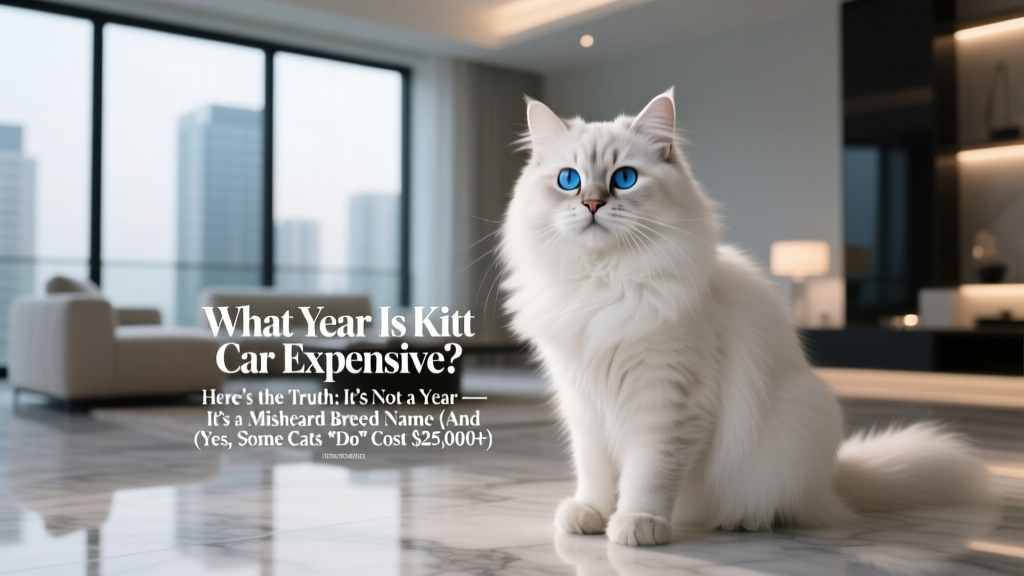
If you love the laid-back sweetness of a Ragdoll but find yourself daydreaming about an even bigger teddy-bear cat with a plush, cloud-like coat, you’re going to have a soft spot for the Ragamuffin. This breed has a way of turning “I’m just browsing” into “How soon can I meet one?”—because Ragamuffins combine a gentle, people-focused personality with a truly huggable look.
Ragamuffin cats are famously affectionate and often described as “dog-like” in their devotion. They tend to follow their favorite humans from room to room, greet at the door, and happily melt into a cuddle the moment you sit down. Add in their wide range of colors and their big, expressive eyes, and you’ve got a breed that feels custom-made for cat lovers who want a calm, friendly companion with maximum fluff.
This guide covers everything you need to know—Ragamuffin history, size and coat details, temperament, health, care, and what it’s really like to live with one of these gentle giants.
Breed History and Origin
The Ragamuffin is closely connected to the Ragdoll, and that’s not just a cute comparison—it’s part of the breed’s real story. In the 1990s, a group of breeders who had been involved with early Ragdoll lines chose to develop a separate breed with a slightly different approach to standards and breeding goals. Their aim was to preserve the famously loving, mellow temperament while expanding accepted colors and patterns and maintaining a robust, healthy gene pool.
To accomplish this, Ragamuffin breeding programs allowed carefully selected outcrosses (historically including cats with Persian/Himalayan-type influence and other domestic longhairs). The result was a cat with a similar “floppy,” affectionate nature to the Ragdoll, but with a distinct identity: often larger, with a plusher, more “teddy bear” coat, and a wider palette of coat colors and patterns recognized in breed standards.
Today, the Ragamuffin is recognized by several cat registries and has a growing fan base among people who want an easygoing, family-friendly longhaired cat with an extra dose of cuddle factor.
Physical Characteristics
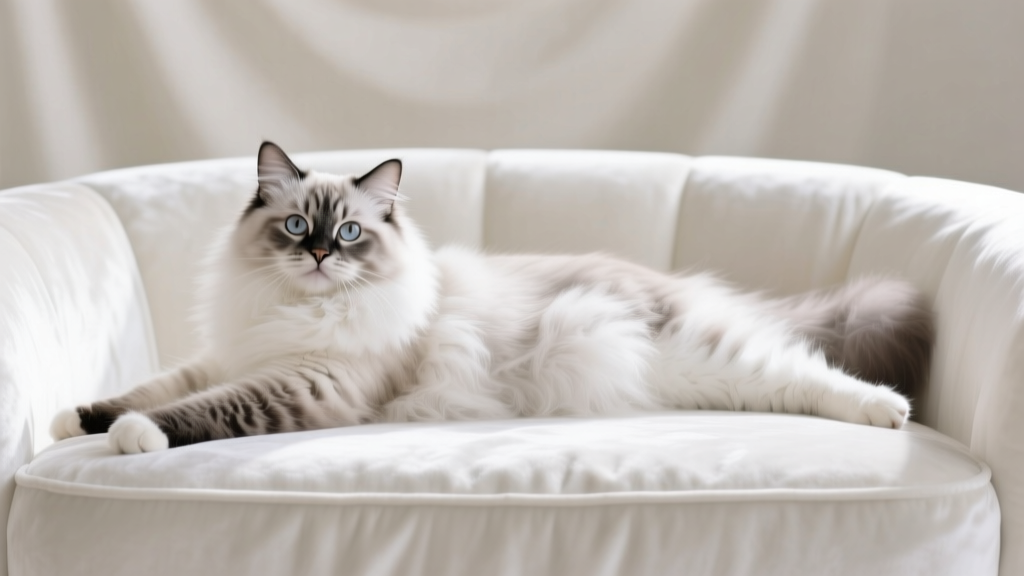
Ragamuffins are large, heavily boned cats with a solid, plush feel when you pick them up. They’re not “fine-boned” or delicate; they’re the kind of cat that makes you say, “Wow, you’re a big one,” while they blink slowly back at you like it’s the most normal thing in the world.
| Trait | Typical Ragamuffin Details |
|---|---|
| Size | Large, sturdy, substantial build |
| Weight | Males often 12–20+ lbs; females commonly 8–15 lbs (some individuals fall outside these ranges) |
| Body type | Muscular, broad chest, heavy bone; slightly rectangular overall |
| Coat | Medium-long to long, very plush and dense with a soft, “rabbit-like” texture; less prone to severe matting than some longhair coats, but still needs regular grooming |
| Colors & patterns | Many colors and patterns accepted (including solids, tabbies, tortoiseshell, bicolor, and more depending on registry) |
| Eyes | Large, expressive, often walnut/oval-shaped; many eye colors seen |
| Distinctive features | Sweet facial expression, full cheeks, plush coat, and a “cuddly” overall look |
Coat and Colors: A Fluffy Variety Pack
One of the most exciting things about the Ragamuffin cat breed is variety. Unlike some breeds with strict color limitations, Ragamuffins can come in a wide range of coat colors and patterns. You may see:
- Solid coats (black, white, blue/gray, cream, and more)
- Tabby patterns (classic, mackerel, spotted)
- Tortoiseshell and torbie combinations
- Bicolor and other white-marked patterns
Many Ragamuffins also have a noticeable ruff around the neck and extra fluff on the belly and britches (the back legs). They often take a while to fully mature—both in size and coat—so a young Ragamuffin may “grow into” their full plushness over time.
Personality and Temperament Traits
If you’re looking for a cat that actually enjoys human company—and shows it—Ragamuffins are famous for being exceptionally people-oriented. They’re generally calm, gentle, and affectionate, with a strong desire to be near their family.
Common Ragamuffin personality traits include:
- Cuddle-loving: Many happily relax in your lap or lean into hugs and petting sessions.
- Social and friendly: Often welcoming with visitors once they’ve had a moment to assess the vibe.
- Gentle playfulness: They enjoy interactive play but usually aren’t hyper or frantic.
- Adaptable: Many do well in a variety of homes, including apartments, as long as they get attention.
- “Follow-you” energy: It’s common for them to trail you like a fluffy shadow.
They’re often compared to the Ragdoll temperament—sweet and easygoing—but Ragamuffins can have their own flavor of confidence and curiosity. Individual personalities vary, of course, but the breed reputation for affectionate steadiness is well-earned.
Health Considerations and Common Issues
Ragamuffins are generally considered a robust breed, especially when responsibly bred with health in mind. That said, no cat breed is immune to genetic risks or common feline health problems. If you’re researching the Ragamuffin breed, it helps to go in with eyes open and choose a breeder who prioritizes testing, veterinary care, and good early socialization.
Potential health considerations may include:
- Hypertrophic cardiomyopathy (HCM): A heart condition seen in many breeds; reputable breeders often screen lines where possible.
- Polycystic kidney disease (PKD): Historically associated with Persian-type lines; responsible programs work to avoid and test for it when relevant.
- Obesity: Their calm nature and big build can make weight gain easy if portions aren’t managed.
- Dental disease: Like many cats, they benefit from dental-friendly routines and regular checkups.
Ask breeders about health screening in their lines, veterinary records, and how they select breeding cats. For pet owners, the best health “insurance” is a mix of routine vet visits, good nutrition, weight management, and daily observation—because early changes in appetite, behavior, or litter box habits are often the first clue something’s off.
Care Requirements
Grooming
That luxurious Ragamuffin coat is a huge part of the appeal—and it’s also a commitment. The good news: many Ragamuffins have a plush coat that’s less prone to extreme matting than some longhaired breeds, but regular grooming is still a must for comfort and skin health.
- Brushing: 2–4 times per week is a great baseline; daily is ideal during seasonal shedding.
- Tools: A quality stainless-steel comb plus a slicker brush works well for most coats.
- Focus areas: Behind the ears, under the armpits, and around the hindquarters where tangles can form.
- Bathing: Occasional baths can help reduce loose hair, especially for cats who tolerate it calmly.
- Nails and ears: Trim nails every couple of weeks; check ears for wax buildup.
Exercise and Enrichment
Ragamuffins aren’t typically wild acrobats, but they still need daily activity to stay fit and happy—especially because the breed can be prone to weight gain. Aim for short, consistent play sessions rather than one big “marathon.”
- Interactive wand toys and feather teasers
- Gentle fetch (some Ragamuffins actually play along!)
- Puzzle feeders to add mental stimulation
- Cat trees and sturdy scratching posts (go sturdy—these are big cats)
Diet
A balanced, high-quality diet supports coat health, muscle tone, and long-term well-being. Because Ragamuffins can be large and mellow, portion control matters.
- Choose protein-forward foods suited for your cat’s life stage (kitten, adult, senior).
- Measure meals rather than free-feeding if your cat starts gaining weight.
- Support hydration with wet food, water fountains, and fresh bowls.
- Monitor body condition: You should be able to feel ribs with light pressure, not a thick padding layer.
Compatibility with Families, Children, and Other Pets
Ragamuffins are often a dream match for families because they tend to be patient, gentle, and people-focused. In many homes, they thrive on the steady companionship of multiple family members and enjoy being part of everyday routines.
- With children: Usually excellent when kids are taught respectful handling (no chasing, no tail pulling, and give the cat space).
- With dogs: Often do well with calm, cat-savvy dogs and slow introductions.
- With other cats: Typically social, especially if introduced thoughtfully and given separate resources at first.
Because Ragamuffins can be very attached to their people, they may not love being alone for long stretches every day. If your household is frequently empty, consider a compatible pet companion or plan on enriching their environment with window perches, toys, and predictable interaction time.
Pros and Cons of Owning a Ragamuffin
| Pros | Cons |
|---|---|
| Exceptionally affectionate, sweet temperament | Needs regular grooming to keep the coat in good shape |
| Great family companion; typically gentle with kids | Can gain weight easily without portion control and daily play |
| Often adaptable to apartments and quieter homes | May crave companionship and dislike long periods alone |
| Beautiful plush coat and wide range of colors/patterns | Large size means bigger litter boxes, sturdier cat furniture, and potentially higher food costs |
| Usually friendly with other pets when introduced properly | As with many purebreds, health screening and ethical breeding matter—do your homework |
FAQ: Ragamuffin Cats
Are Ragamuffins the same as Ragdolls?
No—though they’re closely related in history and share a similar gentle vibe. The Ragamuffin is its own breed with distinct standards and a broader range of accepted colors and patterns. Many people also find Ragamuffins have an extra plush, “teddy bear” coat and a very substantial build.
How big do Ragamuffin cats get?
Ragamuffins are large cats. Many males fall around 12–20+ pounds, with females commonly around 8–15 pounds. They mature slowly, so full size and coat development can take several years.
Do Ragamuffin cats shed a lot?
They can shed, especially seasonally. Regular brushing (a few times per week, or daily during heavy shed periods) helps manage loose hair and keeps the coat comfortable and tangle-free.
Are Ragamuffins good for first-time cat owners?
Often, yes. Their affectionate, easygoing personality can make them a wonderful choice for first-time owners—especially those who want a social cat. Just be ready for routine grooming and mindful feeding to prevent weight gain.
Do Ragamuffins like being held?
Many do! Ragamuffins are known for enjoying cuddles and close contact, though every cat has personal preferences. Gentle handling from kittenhood and respecting boundaries go a long way.
What’s the difference between a Ragamuffin and a Maine Coon?
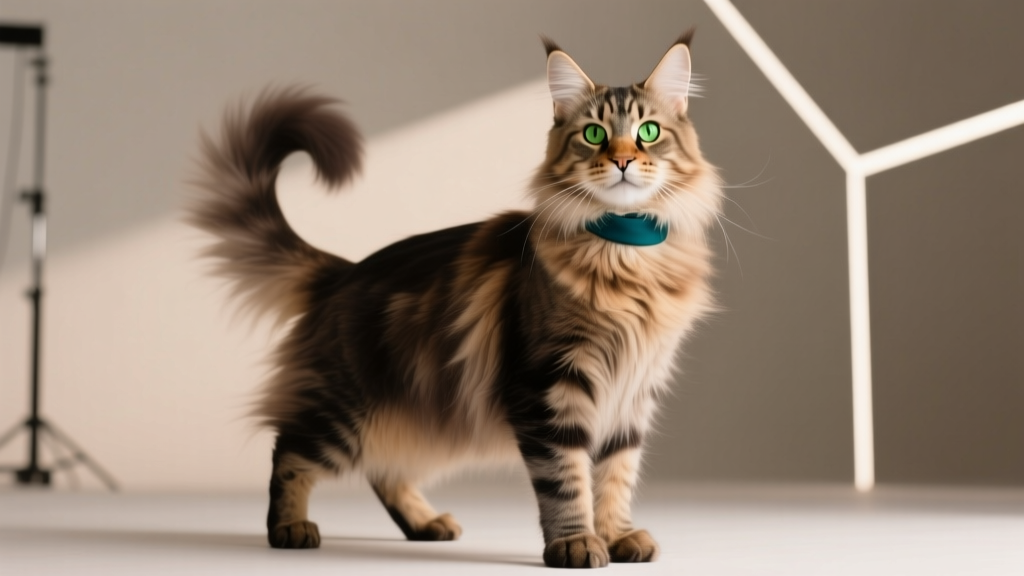
Both can be large, friendly cats, but they’re very different breeds. Maine Coons are often more athletic and “wild-looking” with tufted ears and a rugged coat texture. Ragamuffins tend to have an extra plush, soft coat and a notably mellow, snuggly, “teddy bear” presence.
Life with a Ragamuffin: Big Heart, Bigger Fluff
A Ragamuffin doesn’t just share your home—they settle into your life like they’ve always belonged there. If you want a cat that greets you with bright eyes, happily joins couch time, and brings a calm, loving energy to the household, this “bigger, fluffier cousin” of the Ragdoll may be exactly your match.
Thinking about adding a Ragamuffin to your family? Take your time finding an ethical breeder or rescue, ask plenty of questions, and plan for the grooming and companionship these cats thrive on. The reward is a deeply affectionate companion with a plush coat and a personality that makes ordinary days feel a little softer.
Want to meet more amazing cats like the Ragamuffin? Explore more breed profiles on catloversbase.com.