Ozark Lynx: Missouri Breed Development
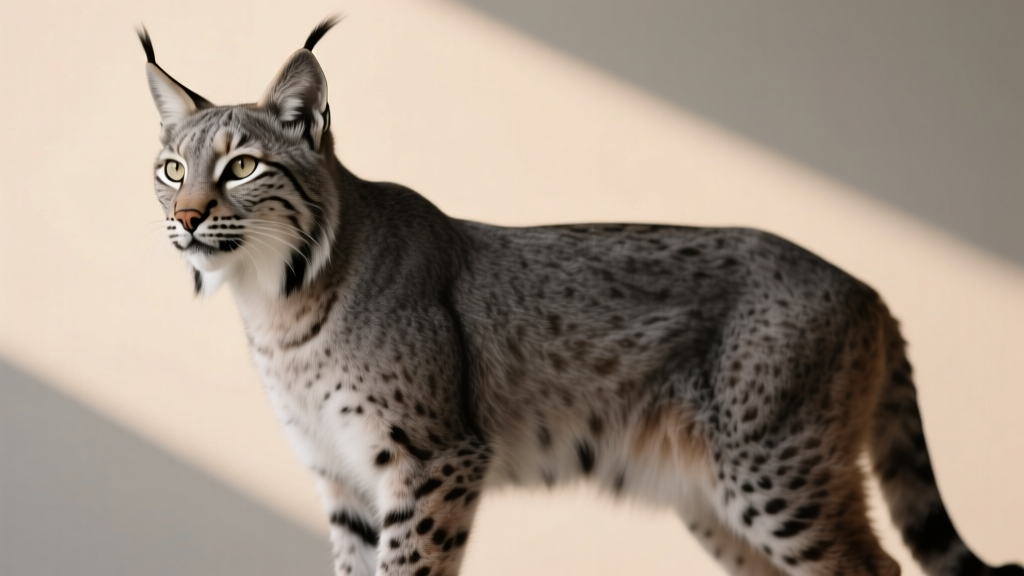
If you’ve ever wished for a cat that looks a little wild—like it just stepped out of the forest—but acts like a devoted, people-loving companion, the Ozark Lynx is exactly the kind of breed story that grabs your imagination. Often described as a “bobcat-look” domestic, this eye-catching cat is known for its tufted ears, spotted coat, and sturdy, athletic build.
Even better? The Ozark Lynx has a uniquely American, heartland-flavored origin story tied to the Ozarks region and breed development efforts in Missouri. While not widely recognized by major cat registries, the Ozark Lynx has developed a loyal following among cat enthusiasts who appreciate rare breeds, regional breeding projects, and cats with standout features.
Let’s walk through what makes this breed so memorable—from its beginnings and signature look to temperament, care needs, and whether an Ozark Lynx is the right match for your home.
Breed History and Origin
The Ozark Lynx is a rare domestic cat breed associated with the Ozarks area and, most notably, Missouri breed development. Accounts vary by cattery and enthusiast group, but the breed is generally described as having been developed in the United States in the late 20th century, with breeders aiming for a cat that:
- Resembled a wild lynx or bobcat (tufted ears, spotted coat, rugged build)
- Maintained a friendly, domestic temperament suitable for family life
- Often expressed distinctive traits like polydactyl feet and bobbed tails
You’ll sometimes see Ozark Lynx cats discussed alongside other “American regional” or “bobcat-style” domestic breeding efforts. Some lines have reportedly used domestic cats with naturally occurring traits (such as ear tufts, short tails, or extra toes), while other accounts mention outcrosses to established breeds. What remains consistent is the goal: a dramatic, outdoorsy look paired with a companionable, home-loving personality.
Registry status: The Ozark Lynx is not commonly recognized by the largest international cat registries. Because standards and documentation can differ between breeders, anyone researching this breed should ask detailed questions about lineage, health testing, and the specific traits being produced in that line.
Physical Characteristics
The Ozark Lynx is all about “wildcat vibes” in a fully domestic package. These cats tend to look sturdy and athletic rather than refined or delicate, with coats that often feature spots, broken stripes, or marbled patterning.
| Feature | Typical Ozark Lynx Traits |
|---|---|
| Size | Medium to large |
| Weight | Often ~10–20 lbs (males usually larger than females) |
| Build | Muscular, solid, athletic; substantial bone |
| Coat length | Usually short to medium; some lines may produce longer coats |
| Coat patterns | Spotted, rosetted, broken tabby, marbled; “wild-type” looks are common |
| Colors | Often brown/black tabby tones; may include silvers, reds, or other tabby-based colors depending on lineage |
| Distinctive features | Ear tufts, pronounced facial “ruff,” large paws; polydactyl feet and bobbed tails may appear in some lines |
Signature “Ozark Lynx” Look
- Ear tufts: One of the most beloved features—those little lynx-like tips add instant drama.
- Bold patterning: Spots and high-contrast tabby markings are a big part of the breed’s appeal.
- Powerful stance: Many Ozark Lynx cats carry themselves like mini athletes—confident and ready to pounce.
- Polydactyl paws (in some lines): Extra toes can give the feet a “snowshoe” look and may increase dexterity.
- Short/bobbed tail (in some lines): Tail length can vary widely depending on breeding goals.
Because the Ozark Lynx is not standardized through a single widely enforced registry standard, appearance can differ from one breeder line to another. If a consistent look matters to you, request photos of parents and prior litters.
Personality and Temperament Traits
Here’s where the Ozark Lynx tends to win hearts: for a cat that looks so striking, many are described as affectionate, social, and interactive. Think “adventurous cuddlebug” rather than aloof wild child.
Common Ozark Lynx temperament traits reported by owners include:
- People-oriented: Many enjoy following their favorite humans from room to room.
- Playful and energetic: Expect bursts of athletic zoomies and enthusiastic play sessions.
- Confident: Often comfortable exploring new spaces—especially when properly socialized.
- Smart: Puzzle toys, clicker training, and new games tend to go over well.
- Chatty (varies): Some lines are more vocal than others—many will “talk” when excited or seeking attention.
Temperament is shaped heavily by early handling, environment, and the parents’ personalities. A well-socialized Ozark Lynx can be a fantastic companion for households that enjoy an engaged, interactive cat.
Health Considerations and Common Issues
Because the Ozark Lynx is rare and not broadly standardized, there isn’t one single, universally agreed list of breed-specific medical concerns. That said, a few health considerations come up more often due to the traits sometimes seen in the breed (like polydactylism or short tails) and because any developing breed needs careful, ethical selection.
Potential Health Topics to Discuss With a Breeder
- Polydactylism: Extra toes are often harmless, but nails can overgrow or curve if not trimmed routinely. Ask how the breeder manages paw/nail care and whether any cats have had gait issues.
- Tail genetics (if bobtails are present): In some cat populations, certain tail-shortening genes can be associated with spinal issues. A responsible breeder should prioritize sound structure and mobility.
- Hip and joint health: Athletic, heavier cats benefit from good joint structure and maintaining a lean body condition.
- Dental health: Like many domestic cats, they can be prone to tartar buildup without dental care.
- General hereditary screening: Ask what testing is done in the breeding program (and request documentation).
Best practice: Choose breeders who provide veterinary records, clear health guarantees, and transparent information about lineage and any known issues.
Care Requirements (Grooming, Exercise, Diet)
Ozark Lynx care is usually very manageable—especially compared to some high-maintenance longhaired breeds. The main goals are keeping that gorgeous coat sleek, providing enough activity for an athletic mind and body, and feeding for lean muscle.
Grooming
- Brushing: 1–2 times per week for short to medium coats; more if the coat is longer or sheds heavily seasonally.
- Nail trims: Every 2–4 weeks. This can be extra important for polydactyl cats, since they may have additional nails that don’t wear down evenly.
- Ear checks: Weekly quick checks—especially if the ears are tufted and collect debris.
- Dental care: Brush when possible; otherwise use vet-approved dental treats and schedule regular cleanings as recommended.
Exercise and Enrichment
This is a breed type that thrives on having “jobs” to do—hunting toys, climbing, exploring, learning.
- Daily play: Aim for 2–3 play sessions of 10–15 minutes.
- Climbing space: Tall cat trees and shelves are a big win for athletic cats.
- Puzzle feeders: Great for smart cats who like to work for rewards.
- Leash training: Many confident cats can learn harness manners with patience and positive reinforcement.
Diet
- High-quality, protein-forward food: Supports muscle and energy needs.
- Portion control: Large-framed cats can still gain excess weight; keep an eye on body condition.
- Wet food benefits: Often helpful for hydration, especially for cats not drinking much water.
- Fresh water access: Many cats drink more with a fountain.
Compatibility With Families, Children, and Other Pets
When socialized well, the Ozark Lynx can be an absolute joy in a busy home. Their confident, playful nature often makes them a fun match for families who want a cat that will actually participate in daily life.
With Children
- Often does well with respectful kids who enjoy interactive play.
- Teach children to avoid tail grabbing, rough handling, and overstimulation.
- Provide a quiet “cat zone” so the cat can retreat when it wants downtime.
With Other Cats
- Many integrate well with other friendly cats when introductions are slow and structured.
- Because they can be confident, ensure the resident cat isn’t easily intimidated.
With Dogs
- Can do well with cat-savvy dogs, especially when raised together.
- Use baby gates, scent swapping, and supervised introductions for best results.
With Small Pets
Like most cats, Ozark Lynx cats can have strong prey drive. Homes with birds, hamsters, or reptiles need secure enclosures and strict separation.
Pros and Cons of Owning an Ozark Lynx
| Pros | Cons |
|---|---|
|
|
FAQ: Ozark Lynx Cats
Is the Ozark Lynx a real lynx or a hybrid wildcat?
No—Ozark Lynx cats are domestic cats. The name refers to their lynx-like appearance (ear tufts, spotted patterns), not to being a wild species or a wildcat hybrid.
Are Ozark Lynx cats recognized by major cat registries?
They are generally considered a rare, developing breed and are not widely recognized by the largest international registries. Recognition and standards can vary, so always verify what “registered” means in a specific breeding program.
Do Ozark Lynx cats always have extra toes (polydactyl paws)?
Not always. Polydactylism may appear in some lines, while others breed for standard paws. If you love the mitten-foot look, ask the breeder whether polydactyl kittens are expected and how nail care is handled.
How big does an Ozark Lynx get?
Many are medium to large cats. It’s common to see adults in the neighborhood of 10–20 pounds, with males frequently larger. Exact size depends on lineage, diet, and activity level.
Is the Ozark Lynx a good indoor cat?
Yes—these cats can thrive indoors as long as they get enough enrichment: tall climbing options, daily play, and puzzle toys. If you want outdoor time, consider leash walks or a secure catio for safety.
What should I ask a breeder before buying an Ozark Lynx kitten?
- What health testing is done on the parents?
- Are polydactyl feet or bobbed tails present, and how are related risks managed?
- Can I see veterinary records and a written contract/health guarantee?
- How are kittens socialized (people, handling, noises, other pets)?
- Can I see photos of past litters and adult cats from the line?
Warm Signoff
The Ozark Lynx is the kind of cat that makes people stop and stare—then wins them over with a playful, affectionate personality. If you’re drawn to rare American breed development stories, love a bold spotted coat, and want an energetic companion who enjoys being part of the action, this Missouri-rooted “lynx look” cat may be your perfect match.
If you enjoyed learning about the Ozark Lynx, you’ll find plenty more feline favorites waiting for you—explore more breed profiles right here on catloversbase.com.