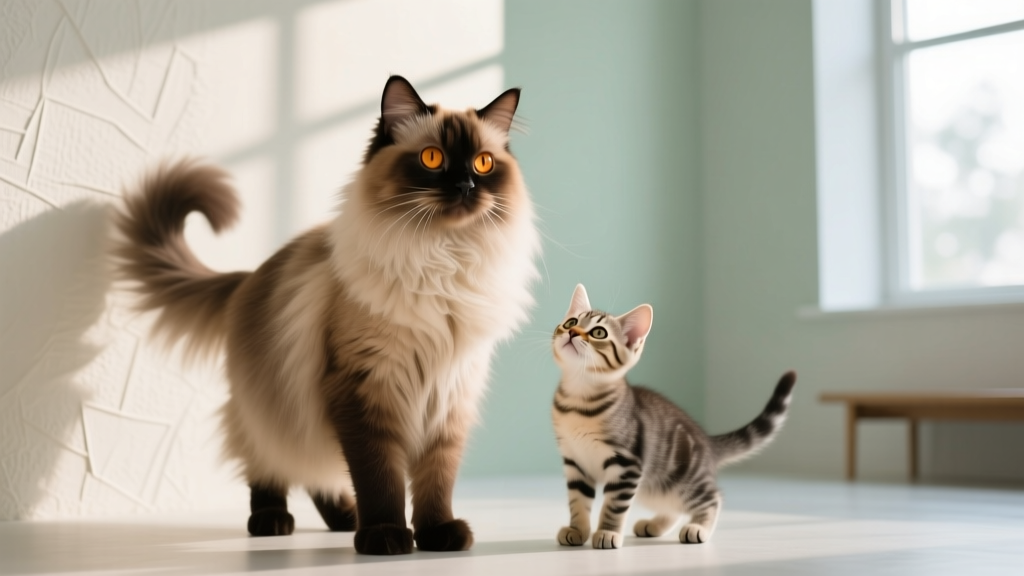
Napoleon (Minuet): Persian Meets Munchkin
If you’ve ever wished for a cat with the plush, doll-like sweetness of a Persian and the low-to-the-ground charm of a Munchkin, you’re already imagining the Napoleon—now widely known as the Minuet. This breed is famous for its round face, soft expression, and a compact body that often sits closer to the floor than most cats… without sacrificing any of the cuddly elegance people love in Persian-type cats.
The Minuet isn’t just “cute” (though it absolutely is). It’s also a companion-focused breed that tends to thrive in homes where it can be included in daily life—lounging near you while you work, following you from room to room, or curling up for a nap that turns into an all-afternoon snuggle session.
Whether you’re researching cat breeds, considering a Minuet kitten, or simply enjoying learning about unique feline combos, here’s everything you need to know about the Napoleon/Minuet cat breed: history, appearance, temperament, health, care, and what life is really like with one of these pint-sized charmers.
Breed History and Origin
The breed began in the United States in the 1990s, inspired by the idea of blending the sweet, round “Persian look” with the short-legged Munchkin body type. Early development involved crossing Munchkins with Persians (and Persian-related lines such as Exotic Shorthairs) to create a cat with a plush coat, round features, and a friendly, people-centered personality.
The name “Napoleon” was used early on, but today the breed is most often referred to as the Minuet. (You may still see “Napoleon cat” used in older listings or casual conversations.) Breed recognition varies by registry, and standards can differ slightly, but the core identity remains the same: a compact companion cat with a Persian-style face and either short or standard-length legs.
- Origin: United States
- Foundation breeds: Munchkin + Persian/Exotic-type cats
- Also known as: Minuet (more common modern name)
- Key goal of the breed: A sweet-natured, round-featured cat with a plush coat and shorter stature
Physical Characteristics
The Minuet (Napoleon) is best described as “teddy bear meets fairytale cat.” They’re small-to-medium in size, sturdy in build, and typically very round in the face and body. Many have short legs, though some lines produce cats with standard leg length; both can appear in breeding programs depending on the registry and breeding strategy.
| Feature | Typical Minuet (Napoleon) Traits |
|---|---|
| Size | Small to medium; compact and sturdy |
| Weight | Often 5–9 lbs (some may be slightly outside this range) |
| Leg length | Short-legged and standard-legged varieties exist |
| Head/face | Round head, short nose; some have a more “doll face,” others a flatter Persian-type profile |
| Eyes | Large, round, expressive; many appear “wide-eyed” and sweet |
| Coat length | Short or long coat depending on lineage; always plush |
| Colors/patterns | Many colors and patterns (solid, tabby, bicolor, pointed, and more) |
Coat, Colors, and Texture
Minuets can be longhaired (often dramatically fluffy like a Persian) or shorthaired (more like an Exotic Shorthair in texture—dense and plush). Color and pattern variety is wide, which is part of the appeal for many breed fans.
- Common coat textures: Thick, soft, plush; long coats may be silky with a heavy undercoat
- Possible patterns: Solid, tabby, tortoiseshell, calico, bicolor, colorpoint (depending on lines)
- Distinctive “look”: Round face + big eyes + compact body = signature Minuet charm
Personality and Temperament Traits
If the Minuet has a superpower, it’s companionship. Most Minuets are affectionate, gentle, and happy to be near their people. They often strike a lovely balance: calmer than many high-energy breeds, but still playful enough to keep life fun.
Many owners describe them as:
- Sweet and people-oriented (they like being included, not ignored)
- Gentle and patient, especially with respectful kids
- Playful in short bursts—think wand toys, balls, feather teasers
- Adaptable to apartment life when provided enrichment
- Quiet to moderately vocal (usually not constant talkers)
Because the breed’s personality can reflect both Persian and Munchkin influences, you’ll see some variation from cat to cat. The best way to predict temperament is to meet the kitten’s parents when possible and choose a reputable breeder who socializes kittens in a busy, loving home environment.
Health Considerations and Common Issues
The Minuet/Napoleon cat’s health profile is closely tied to its foundation breeds. A responsible breeder should screen for known issues and avoid extreme features that can affect quality of life (such as overly flat faces that compromise breathing).
Common health topics to discuss with a breeder or veterinarian include:
- Polycystic Kidney Disease (PKD): Seen in Persian-related lines. Ethical breeders use genetic testing to reduce risk.
- Brachycephalic airway concerns: Cats with very flat faces can have noisy breathing, heat intolerance, and tear overflow. Many Minuets have a moderate “doll face,” which can be easier on breathing.
- Eye tearing and staining: Round faces and shorter noses can lead to watery eyes; gentle cleaning may be needed.
- Dental crowding: Shorter facial structure can contribute to dental issues—regular dental care matters.
- Spine/joint considerations: The short-legged trait is associated with altered limb structure. While many cats live normal, happy lives, it’s wise to keep them at a healthy weight and monitor mobility.
- Obesity risk: Their compact build plus a love of lounging can make weight gain easy if portions aren’t managed.
Tip for potential owners: Ask for proof of health testing (especially PKD screening where relevant), veterinary records, and details on the breeder’s approach to selecting moderate facial structure and sound mobility.
Care Requirements (Grooming, Exercise, Diet)
Grooming
Grooming needs depend heavily on coat length. Longhaired Minuets can mat quickly, while shorthaired Minuets still benefit from routine brushing to manage shedding and keep the coat plush.
- Longhaired Minuet: Brush daily or at least 4–5 times per week to prevent tangles and mats.
- Shorthaired Minuet: Brush 1–2 times per week; more during seasonal shedding.
- Eye care: Check for tear staining; wipe gently with a soft, damp cloth as needed.
- Nails: Trim every 2–4 weeks.
- Dental care: Ideally brush teeth several times a week; dental treats and vet cleanings help too.
Exercise and Enrichment
Minuets are not usually extreme athletes, but they do need play to stay fit and mentally satisfied. Short-legged cats can still climb and jump, though they may prefer lower “step-up” routes rather than towering leaps.
- Short, fun play sessions: 10–15 minutes, 1–2 times daily
- Wand toys, crinkle balls, puzzle feeders
- Cat trees with ramps/steps or staggered platforms
- Window perches for “cat TV”
Diet
A high-quality, portion-controlled diet is your best friend for keeping a Minuet healthy—especially because extra weight can put more strain on joints and reduce overall mobility.
- Protein-forward food (wet, dry, or mixed) from reputable brands
- Measured portions rather than free-feeding for most adults
- Hydration support: Many cats drink more with wet food or a pet fountain
- Weight monitoring: Aim to keep a visible waist and easy-to-feel ribs with light pressure
Compatibility with Families, Children, and Other Pets
The Minuet’s gentle, affectionate nature often makes it a wonderful family cat—especially in homes that prefer a calmer companion over a constant whirlwind. Many do well with respectful children who understand how to hold and pet a cat kindly.
They can also fit nicely into multi-pet households when introductions are handled slowly:
- With children: Usually excellent with calm, gentle handling. Teach kids not to pick up cats abruptly and to respect “no thanks” signals.
- With cats: Often sociable; best with similarly friendly cats.
- With dogs: Can coexist well with cat-savvy, non-chasing dogs. Use baby gates and gradual scent-based introductions.
Because many Minuets are people-focused, they may not love being left alone for long stretches every day. If you work long hours, consider a second pet companion or plan extra enrichment and quality time.
Pros and Cons of Owning a Minuet (Napoleon) Cat
| Pros | Cons |
|---|---|
| Adorable, round “Persian-type” look with compact build | Grooming can be time-consuming, especially for longhaired cats |
| Affectionate, friendly, and typically easygoing | Potential for tear staining and facial care needs |
| Great apartment cat when enriched properly | Health screening is essential (PKD risk in Persian-related lines) |
| Playful without being overwhelming | Short-legged structure may require weight management and mobility awareness |
| Often good with kids and other pets when introduced well | Not ideal for people who want a very independent, “hands-off” cat |
FAQ: Napoleon (Minuet) Cats
Are Napoleon cats and Minuet cats the same breed?
Yes—“Napoleon cat” is an earlier name, while “Minuet” is the more common modern name. Some people still use “Napoleon” in casual conversation, but many registries and breeders prefer “Minuet.”
Do Minuet cats always have short legs?
No. Some Minuets have the signature short legs, while others have standard leg length. Both can appear depending on breeding lines and registry standards.
Do Minuets have the same grooming needs as Persians?
Longhaired Minuets can have grooming needs similar to Persians (frequent brushing to prevent mats). Shorthaired Minuets are easier but still benefit from regular brushing to keep the coat healthy and reduce shedding.
Are Minuet cats healthy?
Many live happy, normal lives, but health depends on careful breeding and good care. Look for breeders who screen for PKD, prioritize moderate facial structure, and raise kittens with strong overall vitality.
Are Minuets good for first-time cat owners?
They can be a lovely choice for first-time owners who are comfortable with routine grooming and who want a friendly, affectionate cat. If you prefer a very low-maintenance coat, consider a shorthaired Minuet.
How active are Minuet (Napoleon) cats?
Most are moderately playful—happy to chase toys and explore, then settle in for cuddle time. They’re usually not as high-energy as some athletic breeds, but they still need daily play for fitness and mental stimulation.
Life with a Minuet: A Small Cat with a Big Heart
The Napoleon/Minuet cat breed is a delightful blend of plush beauty and friendly companionship. You’re getting a cat that often looks like it stepped out of a storybook—round eyes, soft coat, and a cozy presence that makes any home feel warmer. With thoughtful grooming, smart weight management, and breeder-selected health screening, Minuets can be deeply rewarding pets for families, singles, and multi-pet households alike.
If you’re smitten with the Minuet’s charming look and loving personality, you’re not alone. Stay curious, ask great questions, and enjoy the process of finding the right feline match.
Want to meet more wonderful cats (and maybe discover your next favorite breed)? Explore more breed profiles on catloversbase.com.