Lykoi: The Werewolf Cat Mutation
If you’ve ever looked at a cat and thought, “That little face belongs in a fantasy novel,” you’re probably ready to meet the Lykoi. Nicknamed the Werewolf Cat for its roan, patchy coat and intense, wolfish expression, the Lykoi is one of the most fascinating modern cat breeds—equal parts mysterious, charming, and surprisingly cuddly.
What makes this breed so captivating isn’t just the unusual look. Lykoi cats tend to bond deeply with their people, follow you from room to room, and switch between playful “hunter mode” and lap-cat sweetness like they’re flipping a switch. They’re rare, they’re unforgettable, and they have a true genetic story behind that “werewolf” vibe.
Whether you’re a breed researcher, a curious cat enthusiast, or a future Lykoi owner, this guide covers the breed’s origin, appearance, temperament, care, and what life is really like with a cat that looks like it just stepped out of the moonlight.
Breed History and Origin
The Lykoi is a naturally occurring mutation—meaning it wasn’t created by mixing established breeds to achieve a look. The story begins in the early 2010s, when unusual, partially hairless kittens began appearing in feral cat populations in the United States. These cats weren’t Sphynx mixes; they had a distinctive coat pattern and texture all their own.
Breeders and veterinarians investigated and found that the cats had a unique genetic mutation affecting the hair coat. The mutation causes the signature roan pattern (a mix of colored and white hairs) and periodic shedding that can leave parts of the body more sparsely coated. The name “Lykoi” comes from the Greek word for wolf, a nod to the breed’s wild, werewolf-like look.
Early breeding programs focused on preserving the mutation while maintaining strong health by using carefully selected domestic shorthair outcrosses. Today’s Lykoi lines trace back to those original naturally occurring cats, with ethical breeders continuing to prioritize genetic diversity.
- Origin: United States (natural mutation in domestic cats)
- Developed: Early 2010s onward
- Breed name meaning: “Wolf” (Greek)
- Breed status: Recognized by some cat registries (status and acceptance can vary by organization and region)
Physical Characteristics
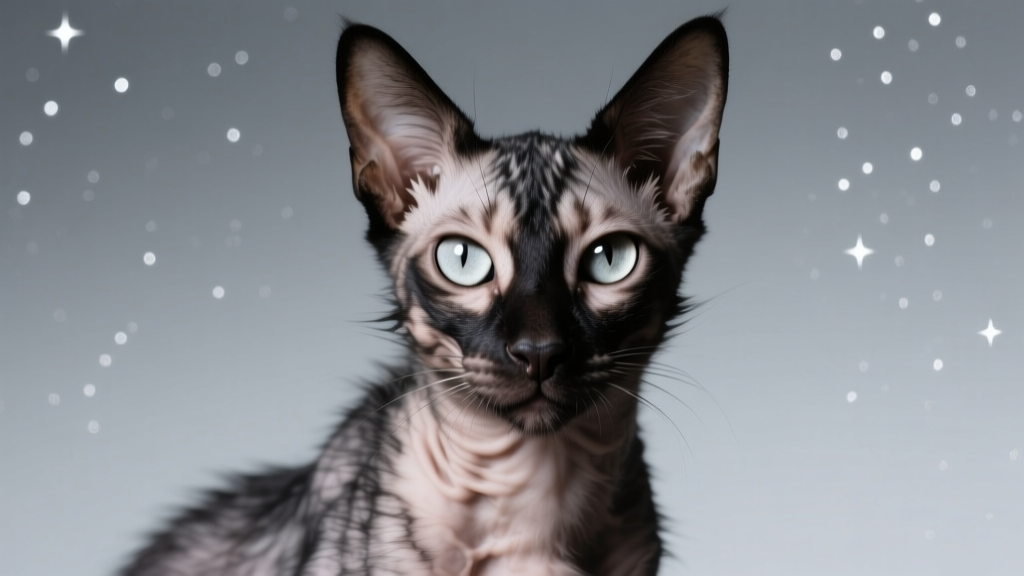
The Lykoi’s appearance is the headline, and yes—people will stop you to ask about your “tiny werewolf.” But there’s more going on than a spooky coat. The body is athletic and lean, the face is expressive, and the coat is unlike that of any other breed.
| Feature | What to Expect |
|---|---|
| Size | Medium |
| Weight | Typically 6–12 lbs (females often smaller than males) |
| Body type | Lean, muscular, athletic |
| Coat | Partial hair coat with roaning; can be sparse in areas; may shed heavily at times |
| Colors | Most known for black roan (“black/white mix” effect); other colors may exist depending on lines |
| Eyes | Large, alert, often giving an intense expression |
| Distinctive features | Mask-like facial fur pattern, sparse coat around eyes/muzzle, roan body coat, “werewolf” look |
That “Werewolf” Coat: Roan, Sparse, and Always Changing
When people hear “mutation,” they sometimes assume “hairless,” but the Lykoi is not a Sphynx. Lykoi cats have hair—just not a full, uniform coat. The mutation affects hair follicles, resulting in:
- Roaning: colored hairs mixed with white hairs, creating a salt-and-pepper look
- Variable coat density: some areas appear thin or bare (often around the face, legs, or belly)
- Seasonal or cyclical shedding: many Lykoi “blow coat” and can look more nude for a period before fur grows back
Because the coat can shift over time, two photos of the same Lykoi taken months apart can look like entirely different cats—one more furry, one more “wolfy.”
Personality and Temperament Traits
The Lykoi personality is a huge part of why people fall in love with the breed. Many owners describe them as highly interactive, people-focused, and smart. They often have an alert, observant way of moving through the house—like they’re assessing everything (and maybe planning a sneak attack on a toy mouse).
Common temperament traits include:
- Playful and energetic: they love chasing, pouncing, and stalking toys
- Affectionate with “their” people: many bond strongly and follow you around
- Curious and brave: more likely to investigate than hide
- Smart and trainable: some learn fetch, harness training, or simple cues
- Moderately talkative: varies by individual, but many communicate with chirps and meows
While they’re often social, many Lykoi cats prefer to decide the pace of introductions—especially with visitors. Once comfortable, they tend to be delightfully engaged companions.
Health Considerations and Common Issues
Lykoi cats are generally considered a healthy, naturally occurring mutation breed, especially when produced by responsible breeders who outcross to maintain genetic diversity. That said, their unique coat comes with a few practical health and care considerations.
- Skin sensitivity: with less fur coverage, some Lykoi can be more prone to dry skin or irritation
- Sun sensitivity: sparse-coated areas may burn if exposed to direct sunlight for long periods
- Temperature sensitivity: they may get chilly more easily than fully coated cats
- Oil buildup: some individuals may need occasional bathing if the skin becomes oily
Reputable breeders typically screen breeding cats and keep detailed health records. As with any cat, routine veterinary care is the foundation: vaccines as recommended, parasite prevention, dental care, and weight monitoring.
Care Requirements (Grooming, Exercise, Diet)
Grooming
Despite the “low-fur” look, the Lykoi isn’t always a zero-maintenance cat. Their coat and skin can require a little trial-and-error to find what works for your individual cat.
- Brushing: 1–2 times weekly with a soft brush or grooming glove; during heavy shedding, increase as needed
- Bathing: occasional baths may help if oils build up; use a gentle, cat-safe shampoo
- Ear care: check weekly; some cats accumulate wax faster
- Nail trims: every 2–4 weeks
Because the coat can thin dramatically during shedding cycles, you may notice more skin showing at certain times of year. Keep an eye out for redness, flaking, or itchiness and consult your vet if anything seems off.
Exercise and Enrichment
Lykoi cats often have a strong play drive and do best with daily enrichment.
- Interactive play: wand toys, feather teasers, and chasing games (10–20 minutes daily)
- Puzzle feeders: great for mental stimulation and slowing fast eaters
- Vertical space: cat trees, shelves, and window perches
- Safe exploration: some enjoy harness training with patience and positive reinforcement
Diet
There’s no “special Lykoi diet,” but their lean, athletic build benefits from high-quality nutrition.
- Protein-forward food: look for a named animal protein as the first ingredient
- Portion control: keep them sleek, not skinny—ask your vet about ideal body condition
- Hydration: wet food and/or a cat water fountain can support urinary health
If your Lykoi is very active, you may notice a bigger appetite. Adjust portions gradually and track weight monthly.
Compatibility with Families, Children, and Other Pets
Lykoi cats can be wonderful family companions when their energy and sensitivity are respected. They often thrive in homes that treat them like a full participant in daily life—talk to them, play with them, and include them in routines.
- With children: often good with cat-savvy kids who handle gently; supervise young children
- With other cats: many do well, especially with proper introductions and enough space/resources
- With dogs: can coexist nicely with calm, cat-friendly dogs; early socialization helps
Because the Lykoi can be bold and curious, they may approach other pets confidently. Still, slow introductions and safe zones (baby gates, separate rooms, vertical escapes) make a big difference.
Pros and Cons of Owning a Lykoi
| Pros | Cons |
|---|---|
| Truly unique “werewolf cat” look and roan coat | Rare breed; kittens can be difficult to find and may be expensive |
| Playful, clever, and highly engaging personality | Needs daily play and enrichment to stay happy |
| Often affectionate and loyal with their people | May be cautious with strangers at first |
| Generally healthy when responsibly bred with genetic diversity | Skin/coat can require extra attention (oils, shedding cycles, sun/temperature sensitivity) |
| Medium size fits many homes and lifestyles | Not ideal for owners wanting a “set-and-forget” low-interaction pet |
FAQ About the Lykoi Cat Breed
Are Lykoi cats actually hairless?
No. The Lykoi is not a hairless breed like the Sphynx. They have a partial coat with roaning and may go through periods of heavier shedding where they look much barer.
Do Lykoi cats shed?
Yes—often dramatically. Many Lykoi cats “blow” their coat and then regrow it, so shedding can come in cycles rather than being steady year-round.
Are Lykoi cats hypoallergenic?
No cat breed is truly hypoallergenic. Some people may react less to certain individuals, but Lykoi cats still produce allergens (especially in saliva and skin oils). If allergies are a concern, spend time with the breed before committing.
How much does a Lykoi kitten cost?
Prices vary widely by region, breeder, pedigree, and availability. Because the Lykoi is rare, expect a higher price than many common breeds, and be prepared for waitlists. Always choose a breeder who prioritizes health and responsible practices.
Do Lykoi cats need baths?
Some do. Because their coat can be sparse, oils may build up on the skin more than you’d expect. Many do well with occasional baths, while others only need light wiping or periodic grooming. Your cat’s skin and lifestyle will guide the routine.
Is the Lykoi a good indoor cat?
Yes—indoor life is often ideal due to sun sensitivity and the risks that come with outdoor roaming. Provide climbing space, hunting-style play, and window views for a rich indoor environment.
Living with a Little Legend
The Lykoi cat breed is a dream for people who love the unusual: a naturally occurring mutation that created a roan-coated, mask-faced cat with an unmistakable werewolf vibe. But the best part is what happens after the double-take—when you realize this striking creature is also a playful, loyal companion who wants to be involved in your life.
If you’re drawn to rare cat breeds, enjoy an energetic and interactive pet, and don’t mind a little extra skin-and-coat upkeep, the Lykoi might be your perfect match. Give them toys to “hunt,” cozy warm spots to nap, and a family that appreciates their one-of-a-kind style—and they’ll repay you with endless entertainment and devotion.
Want to meet more remarkable felines? Explore more breed profiles on catloversbase.com and find the cat that fits your home and heart.