LaPerm: The Perm-Looking Cat Breed
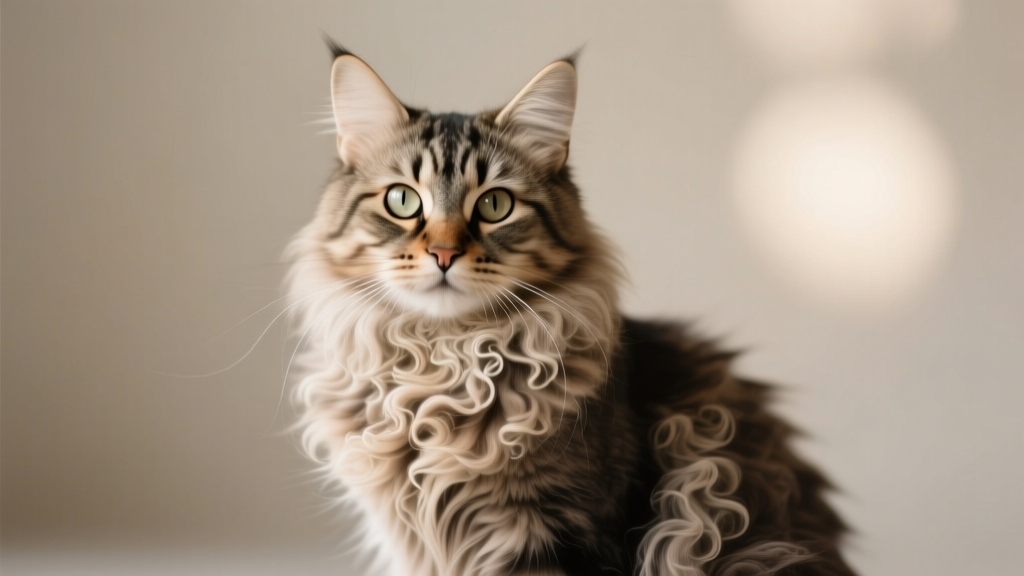
If you’ve ever wished a cat could look like it just stepped out of a salon—soft curls, tousled ringlets, and a perfectly “undone” vibe—the LaPerm might be your dream breed. This is the perm-looking cat breed that turns heads without even trying, thanks to a coat that can range from loose waves to tight corkscrews.
But the LaPerm isn’t just a pretty set of curls. These cats are famous for being affectionate, people-focused companions with a curious, playful streak. They’ll happily follow you from room to room, “help” with chores, and then settle in close for a cozy cuddle—often purring the whole time.
For cat lovers who want a distinctive look paired with an easy-to-love personality, the LaPerm cat breed offers the best of both worlds: a unique, curly coat and a warm, engaging temperament that fits beautifully into many households.
Breed History and Origin
The LaPerm’s story begins on a farm in Oregon in the early 1980s. In 1982, a kitten was born nearly bald to a barn cat on a cherry farm owned by Linda Koehl. As the kitten matured, she developed a soft, curly coat—something completely unexpected and naturally occurring. That curly-coated cat was named Curly, and she became the foundation of the breed.
Over time, more curly-coated kittens appeared, and Koehl realized this wasn’t a one-off fluke. The curl gene proved to be dominant, meaning even one copy of the gene can produce the signature wavy or curly coat. Breeders began carefully developing the LaPerm while keeping the breed’s robust, naturally healthy roots and friendly demeanor.
Today, the LaPerm is recognized by major cat registries (including TICA) and cherished worldwide as a truly unique curly-haired cat breed—one that still carries a bit of its farm-cat practicality alongside its show-stopping looks.
Physical Characteristics
The LaPerm is a medium-sized cat with a balanced, athletic build and an expressive face. Their coat steals the spotlight, but it’s the overall package—gentle wedge-shaped head, bright eyes, and a surprisingly light feel when picked up—that makes them so memorable.
| Feature | Typical LaPerm Traits |
|---|---|
| Size | Medium |
| Weight | Females: ~5–8 lb (2.3–3.6 kg); Males: ~7–10+ lb (3.2–4.5+ kg) |
| Body Type | Balanced, slightly longer than tall, athletic but not bulky |
| Coat Length | Short or long; both exist within the breed |
| Coat Texture | Soft, springy curls or waves; often with a “messy-chic” look |
| Colors & Patterns | Many colors and patterns (including tabby, solid, tortie, bicolor, and more) |
| Distinctive Features | Curly whiskers possible, ringlets around neck/ruff, curled tail plume (in longhairs) |
Coat: The Signature “Perm” Look
LaPerm coats can vary quite a bit:
- Shorthaired LaPerm: Often has more texture and spring; curls can look plush and crinkled.
- Longhaired LaPerm: Typically shows flowing waves and ringlets, especially around the neck, belly, and tail.
One charming quirk: some LaPerm kittens may be born with little to no hair, then develop curls later. Their coat can also change through kittenhood and adolescence before settling into the adult curl pattern.
Personality and Temperament Traits
The LaPerm is often described as a “people cat,” and that’s not an exaggeration. They tend to bond strongly with their humans and enjoy being involved in everyday life. If you want a cat who’s affectionate without being clingy 24/7, a LaPerm often strikes that sweet spot.
- Affectionate and gentle: Many LaPerms love cuddles, shoulder rides, and lap time.
- Playful and curious: They’re eager explorers and enjoy interactive toys and games.
- Social: Typically friendly with visitors once they feel safe.
- Smart: Many learn routines quickly and can be taught simple tricks or manners.
- Moderately talkative: Not usually the loudest breed, but they will “chat” when engaged.
They also tend to have a lovely balance of energy: playful bursts followed by contented downtime. For many households, that makes the LaPerm cat breed easy to live with day to day.
Health Considerations and Common Issues
Because the LaPerm developed from a natural mutation and retains a relatively broad gene pool compared to some rarer breeds, it’s generally considered a healthy cat breed. Still, no cat is immune to health concerns, and responsible breeders prioritize screening and strong lines.
Potential health considerations include:
- General feline issues: Dental disease, obesity, and age-related kidney changes can affect any breed.
- Skin and coat sensitivity: Some individuals may have more sensitive skin; harsh grooming or frequent bathing can dry them out.
- Hairball management: Longhaired LaPerms can develop hairballs if grooming is ignored (though their coat often mats less than you’d expect).
Your best health “insurance” is a combination of good breeding practices, routine vet care, dental hygiene, and maintaining a lean body condition. Ask breeders for veterinary records, any available genetic screening information, and details on how kittens are raised and socialized.
Care Requirements (Grooming, Exercise, Diet)
Grooming
The LaPerm’s curls may look high-maintenance, but many owners find grooming pleasantly manageable. The goal is to keep the coat clean, tangle-free, and springy—without overdoing it.
- Brushing frequency: 1–2 times per week for many cats; longhairs may need more during shedding seasons.
- Tools: A wide-tooth comb is often better than aggressive slicker brushing that can frizz curls.
- Bathing: Occasionally, if needed. Use a gentle cat shampoo; avoid heavy conditioners that can weigh curls down.
- Drying tip: Air-drying often helps curls bounce back; excessive brushing after a bath can puff the coat.
Don’t forget the basics: nail trims every couple of weeks, regular ear checks, and dental care. Many LaPerms tolerate grooming well—especially if they’re introduced to it gently as kittens.
Exercise and Enrichment
LaPerm cats enjoy play and mental stimulation. They aren’t usually hyper to the point of chaos, but they do best with daily engagement.
- Interactive play: Wand toys, feather teasers, and small “hunt” games.
- Climbing: Cat trees and window perches are a big hit.
- Puzzle feeders: Great for smart cats who like to work for treats.
- Rotation of toys: Keeps boredom away and encourages healthy activity.
Diet
There’s no special “LaPerm-only” diet, but a high-quality, protein-forward cat food and sensible portions go a long way. Aim for steady weight and strong muscle tone.
- Portion control: Especially if your LaPerm is an enthusiastic snacker.
- Wet food benefits: Can support hydration, especially in cats that don’t drink much.
- Treats: Keep them limited and use them for training or enrichment.
Compatibility with Families, Children, and Other Pets
The LaPerm’s affectionate and adaptable nature often makes them a strong match for families. They tend to enjoy company and are frequently described as gentle with respectful children.
- With children: Often excellent, especially if kids learn appropriate handling (no tail pulling, no forced cuddles).
- With other cats: Usually friendly with proper introductions; many enjoy feline companionship.
- With dogs: Can do well with cat-savvy dogs that respect boundaries.
As always, successful multi-pet life depends on introductions, giving everyone safe spaces, and letting relationships develop at a comfortable pace.
Pros and Cons of Owning This Breed
| Pros | Cons |
|---|---|
| Striking curly coat and unique “permed” look | Coat can be unpredictable in kittens and may change as they mature |
| Affectionate, people-oriented, and often cuddly | May become lonely or bored without attention and enrichment |
| Generally healthy, naturally developed breed | Still needs routine vet care and dental maintenance like any cat |
| Usually good with families, kids, and other pets | Some individuals may be shy at first and need gentle socialization |
| Moderate grooming for many cats despite the curls | Longhaired LaPerms can need more frequent combing during shedding seasons |
FAQ: LaPerm Cats
Are LaPerm cats hypoallergenic?
No cat breed is truly hypoallergenic. LaPerm cats may work better for some allergy sufferers because shedding can be lighter in some individuals, but allergies are usually triggered by proteins (like Fel d 1) rather than hair length or curl. If allergies are a concern, spend time with the breed before committing.
Do LaPerm cats shed a lot?
Many LaPerms shed less than you might expect, but shedding varies by individual, coat length, and season. Regular combing helps remove loose hair and keeps curls tidy.
How much grooming does a LaPerm need?
Often 1–2 grooming sessions per week is enough, especially for shorthaired LaPerms. Longhaired LaPerms may need a bit more, particularly during seasonal coat changes. A wide-tooth comb is usually your best friend.
What is the typical LaPerm cat lifespan?
LaPerm cats commonly live into their mid-teens, and some can live longer with excellent care, indoor living, a balanced diet, and regular veterinary checkups.
Are LaPerm cats good lap cats?
Many are! LaPerms are known for being affectionate and often enjoy lap time, cuddling, and staying close to their people—though each cat will have its own preferences.
Do LaPerm kittens start out curly?
Not always. Some LaPerm kittens are born with curls, some are born nearly bald or with straight-ish coats, and many develop more defined curls as they grow. Coat changes during kittenhood are part of the breed’s charm.
A Warm Goodbye (for Now)
The LaPerm is the kind of cat that wins you over twice—first with those delightful curls and then with a personality that’s affectionate, curious, and wonderfully companionable. If you’re looking for a curly-haired cat breed that feels both unique and down-to-earth, the LaPerm deserves a spot at the top of your list.
Wishing you many purrs, happy headbutts, and perfect little ringlets—and if you’re exploring which feline friend fits your life best, take a stroll through more breed profiles on catloversbase.com.