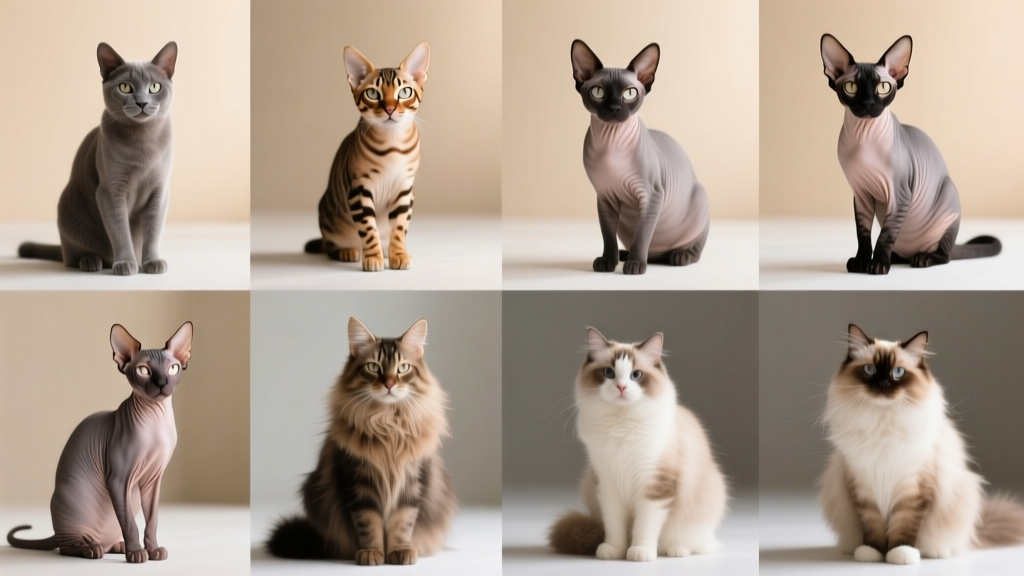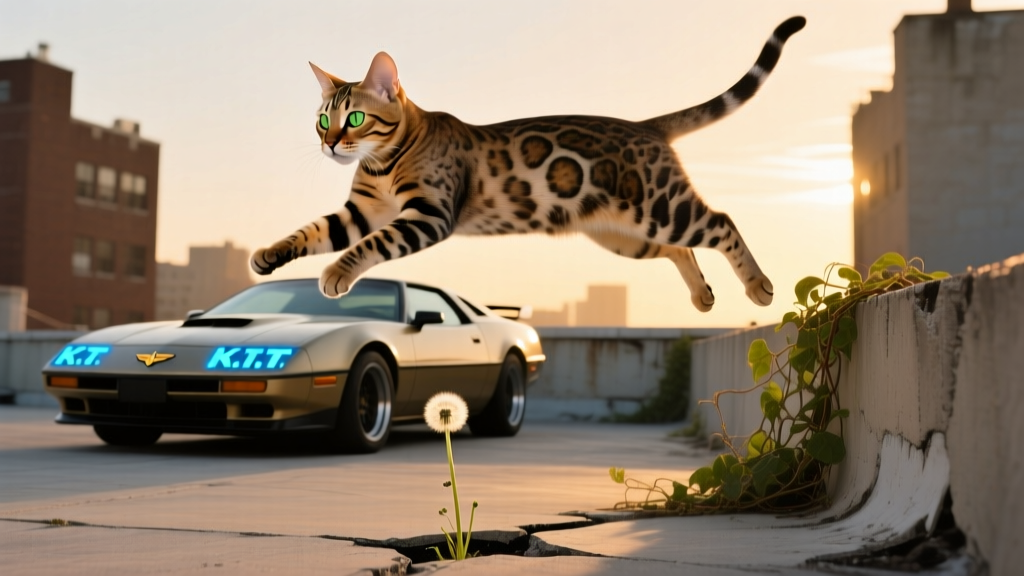
Kite Cat: Aerial-Play Loving Breed Type
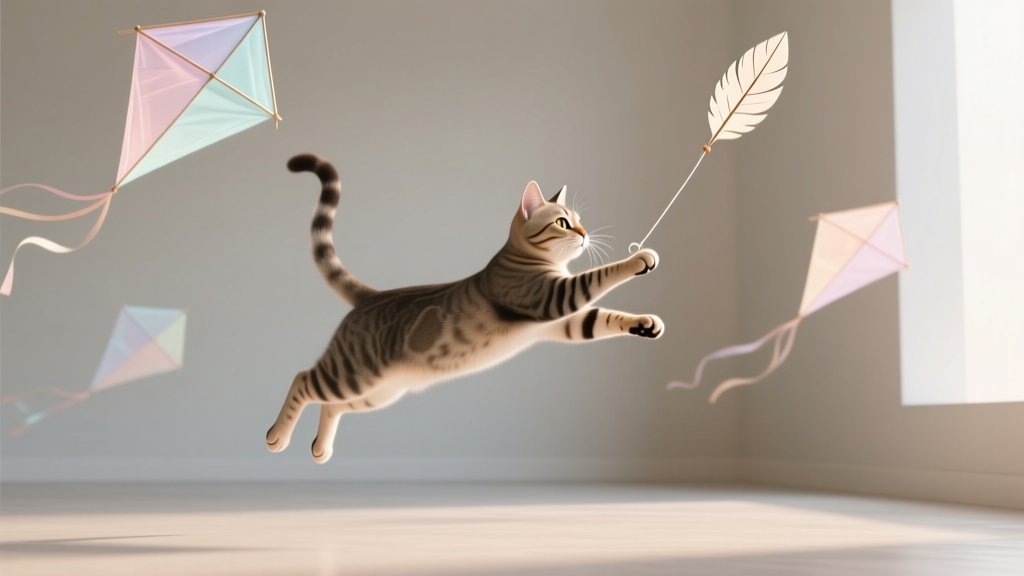
If you’ve ever watched a cat launch after a wand toy like it’s trying to catch a bird mid-flight, you already understand the magic behind the Kite Cat vibe. This “breed type” is all about air time—big leaps, twisting jumps, and the kind of athletic play that makes you laugh out loud (and quietly double-check that the shelves are stable).
Here’s the fun twist: the Kite Cat isn’t a formally recognized pedigree breed with a registry standard like the Maine Coon or Siamese. Instead, it’s a distinct style of cat that cat lovers and rescuers often describe—a highly agile, aerial-play-obsessed cat that seems built for pouncing and parkour. You’ll most often see Kite Cat traits in certain athletic breeds and mixes, but plenty of spirited domestic cats fit the “Kite” profile too.
If you’re looking for a companion who will chase, leap, fetch, climb, and turn your home into an obstacle course (in the best way), this guide will help you recognize Kite Cat traits, understand their needs, and decide whether a high-flying feline fits your lifestyle.
Breed History and Origin
Because the Kite Cat is a breed type rather than a registered breed, there isn’t a single origin story, founding cattery, or official timeline. The term is commonly used by enthusiasts to describe cats that share:
- Exceptional athleticism (vertical jumps, fast sprints, mid-air turns)
- Strong prey drive and toy focus
- High intelligence and curiosity
- Play that happens “in the air”—leaping to catch toys, scaling cat trees, springing off furniture
These traits show up frequently in lines that historically developed around hunting skill and agility. Breeds commonly associated with a “Kite Cat” temperament and build include:
- Abyssinian (legendary energy and curiosity)
- Bengal (athletic, driven, loves interactive play)
- Oriental Shorthair (long-limbed, busy, clever)
- Ocicat (sporty, social, game for fetch)
- Japanese Bobtail (springy, playful, interactive)
- Domestic Shorthair/Longhair mixes with high-drive personalities
In shelters and rescues, you may even see cats labeled informally as “Kite type” or “high-energy aerial player,” especially when volunteers notice consistent jumping and chase play patterns. Think of it like calling a dog a “retriever type” even if they’re a mix—useful, descriptive, and very real in day-to-day life.
Physical Characteristics
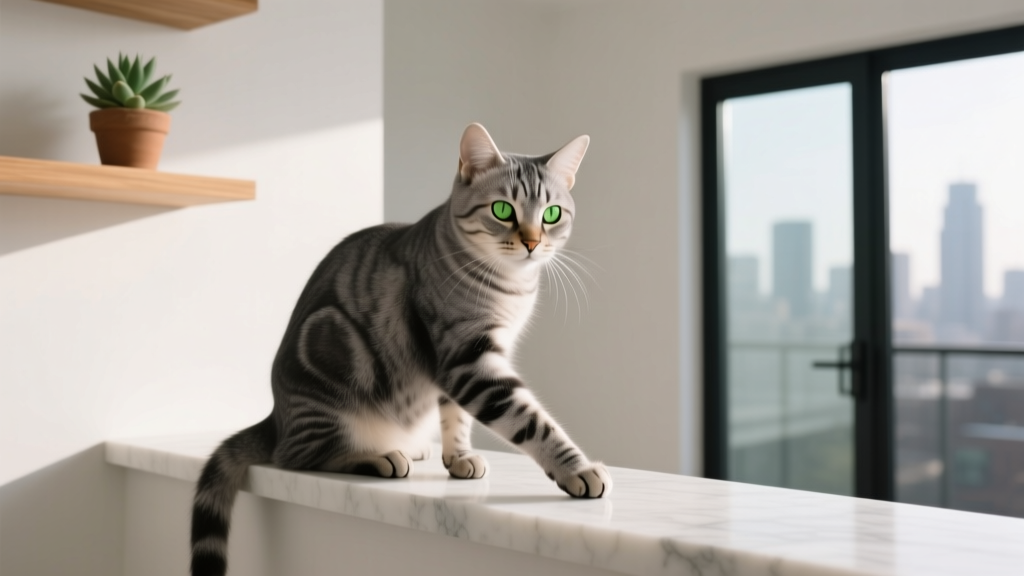
Kite Cats come in a wide range of looks, but many share a similar “athlete’s silhouette.” They often appear lean, springy, and well-muscled, with long legs or a long torso that helps power their jumps.
| Feature | Typical “Kite Cat” Traits |
|---|---|
| Size | Small to medium, sometimes medium-large in athletic breeds like Bengals |
| Weight | Usually 6–12 lbs (2.7–5.4 kg), though some individuals run larger |
| Build | Lean, muscular, agile; “runner” body rather than cobby |
| Coat | Any length; short coats are common in high-energy breeds |
| Colors & patterns | Any—solid, tabby, bicolor, spotted, ticked, pointed |
| Distinctive features | Long legs, tucked waist, expressive eyes, quick reflexes; a “ready to launch” posture |
Coat and colors: Since “Kite Cat” describes behavior and athletic type, you’ll find every color and pattern. Don’t be surprised if the cat who plays like a tiny acrobat is a classic brown tabby from your local shelter.
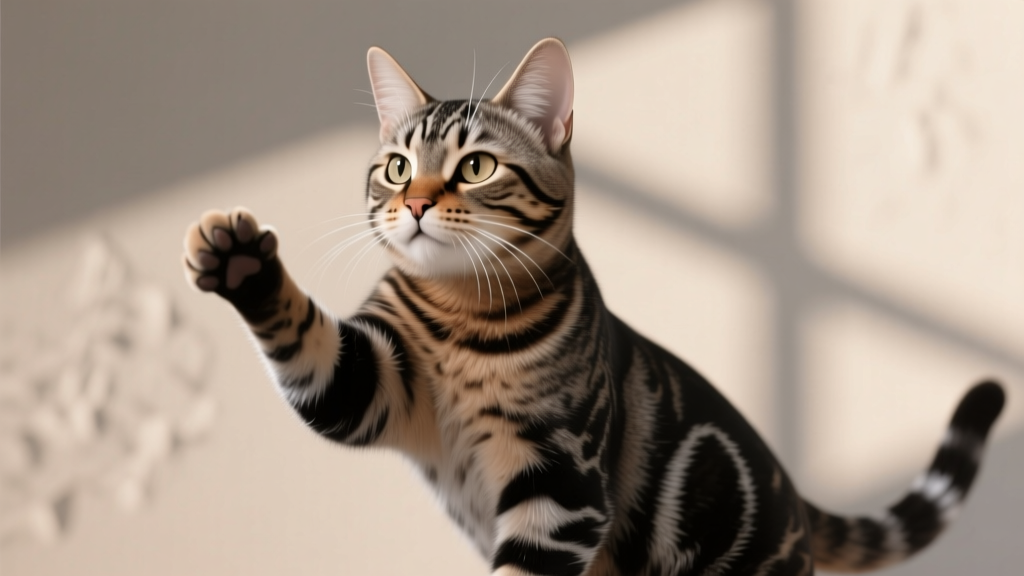
Movement tells the story: The best way to spot a Kite Cat is to watch them move. They’ll often:
- Jump vertically with ease (especially after feather toys)
- “Stall” mid-leap and twist to adjust their landing
- Run in fast, clean arcs with sudden direction changes
- Climb quickly and perch confidently
Personality and Temperament Traits
The keyword with a Kite Cat is engagement. These cats don’t just want toys; they want interactive play, problem-solving, and a bit of daily excitement. Many are famously devoted to their people, but they can also be mischievous if they’re bored.
- Play-driven: Wand toys, springs, balls, and anything that “flies” is irresistible.
- Smart and curious: Expect them to investigate cabinets, learn routines, and “help” with chores.
- Confident: Many Kite Cats are bold explorers who like vertical territory.
- Social (often): A lot of aerial-play cats enjoy being where the action is.
- Vocal (sometimes): Some “Kite type” breeds, like Orientals, are known chatterboxes.
If you love a cat who participates—who shows up when you shake a toy bag, who learns that the treat puzzle means business, who trots over like “What’s the plan?”—you’ll probably adore this breed type.
Health Considerations and Common Issues
Since Kite Cat is not a single pedigree, health risks depend on the individual cat’s genetics, whether they come from a specific breed line, and overall lifestyle. That said, highly athletic cats do have a few predictable considerations.
- Joint and soft-tissue strains: Frequent high jumps can lead to minor sprains, especially in older cats or cats with prior injuries.
- Nail and paw care: Fast climbers can snag nails on carpet or scratch posts if claws aren’t maintained.
- Dental disease: Common in many cats; regular dental care helps keep a high-energy cat feeling great.
- Stress-related issues if under-stimulated: Boredom can contribute to overgrooming, house-soiling, or nighttime zoomies.
If your Kite Cat resembles a known breed, ask your veterinarian about that breed’s typical inherited risks. For example:
- Bengal-type lines: Some lines have higher risk of hypertrophic cardiomyopathy (HCM); screening matters.
- Abyssinian-type lines: Some lines are associated with dental issues and certain genetic conditions; reputable breeding and testing help.
For all Kite Cats, a good preventive routine is the real win: annual exams, vaccines as recommended, parasite control, dental support, and early attention to any limping or changes in jumping confidence.
Care Requirements (Grooming, Exercise, Diet)
Grooming
Grooming needs vary by coat length, but most athletic, short-coated Kite Cats are fairly low maintenance.
- Short coat: Brush once a week to reduce shedding and hairballs.
- Medium/long coat: Brush 2–4 times weekly to prevent mats (especially behind the legs and under the collar area).
- Nails: Trim every 2–4 weeks—especially helpful for cats that climb and launch a lot.
- Teeth: Brush several times a week if possible; dental treats can help, but brushing is gold.
Exercise and Enrichment
This is where the Kite Cat truly shines—and where owners need to lean in. These cats thrive with daily interactive play and plenty of “approved” climbing zones.
Best enrichment for an aerial-play loving cat:
- Wand toys (feathers, streamers, “moths,” anything fluttery)
- Treat puzzles and food-dispensing toys
- Cat trees with stable platforms and tall vertical space
- Wall shelves/perches (securely installed)
- Fetch-friendly toys (soft balls, springs, crinkle toys)
- Clicker training (sit, high-five, jump to a target perch)
A good goal for many Kite Cats is two play sessions per day (10–20 minutes each), plus “ambient enrichment” like window perches and puzzle feeders.
Diet
Kite Cats burn energy, but they still benefit from a balanced, portion-aware diet. Look for a high-quality cat food with animal-based protein as the main ingredient.
- Protein-forward nutrition: Supports lean muscle and activity.
- Measured meals: Helps prevent weight gain, which can stress joints and reduce jumping comfort.
- Hydration: Wet food, water fountains, and multiple water stations can help.
If your Kite Cat is constantly “on the go,” your vet can help you fine-tune calories so your cat stays sleek and strong without getting too thin.
Compatibility with Families, Children, and Other Pets
Kite Cats often make wonderful family companions—especially in homes that enjoy play and interaction.
- With children: Usually great with respectful kids who like to play gently using wand toys (hands are not toys). Their energy can match a busy household.
- With other cats: Often fine if introduced properly. Many do best with a similarly playful cat who enjoys chase games.
- With dogs: Can do well with cat-savvy dogs. Confident Kite Cats may even initiate play, but always supervise early interactions.
- With small pets (birds, rodents): Caution. Their prey drive can be strong, so secure housing and separate spaces are essential.
One heads-up: a bored Kite Cat may invent their own fun—like scaling curtains, stealing sponges, or launching surprise “attacks” on passing ankles. The fix isn’t punishment; it’s more structured play, more vertical territory, and more brain games.
Pros and Cons of Owning a Kite Cat
| Pros | Cons |
|---|---|
|
|
FAQ: Kite Cat Breed Type
Is the Kite Cat a real cat breed?
The Kite Cat is a descriptive breed type, not an officially recognized pedigree. It refers to cats with consistent aerial-play behavior and athletic traits—found in some purebreds, many mixes, and plenty of domestic cats.
What breeds are most like a Kite Cat?
Cats commonly associated with Kite Cat energy and athleticism include Abyssinian, Bengal, Oriental Shorthair, Ocicat, and Japanese Bobtail. Individual personality matters a lot, so you’ll also find “Kite Cats” in domestic shorthairs and longhairs.
Do Kite Cats calm down with age?
Many do mellow somewhat after 2–4 years, but lots of Kite-type cats remain playful well into adulthood. The bigger change is often that their play becomes more “scheduled” and less constant—especially when they have reliable routines and enrichment.
Are Kite Cats good indoor cats?
Yes—often excellent indoor companions—provided they get vertical space, daily interactive play, and mental enrichment. If you want safe outdoor time, consider a secure catio or harness training.
How do I keep a Kite Cat from jumping on counters?
Give them a better “yes” option: tall cat trees, wall shelves, and perches near where you spend time. Pair that with interactive play (especially before meal times) and reward them for using approved high spots.
What toys do Kite Cats love most?
Most Kite Cats go wild for wand toys with fluttery attachments, springs, lightweight balls, and treat puzzles. Rotate toys weekly to keep things exciting.
Closing Thoughts
The Kite Cat is for cat lovers who grin at a soaring leap and don’t mind rearranging the living room to include a “launch pad” cat tree. If you want a companion who actively plays with you, learns quickly, and fills your home with lively, acrobatic joy, this aerial-play loving breed type may be your perfect match.
Thanks for spending time with us—and if you’re curious about specific athletic breeds that often fit the Kite Cat profile, explore more breed profiles on catloversbase.com.