Jungle Lynx: Tropical Domestic Experiment
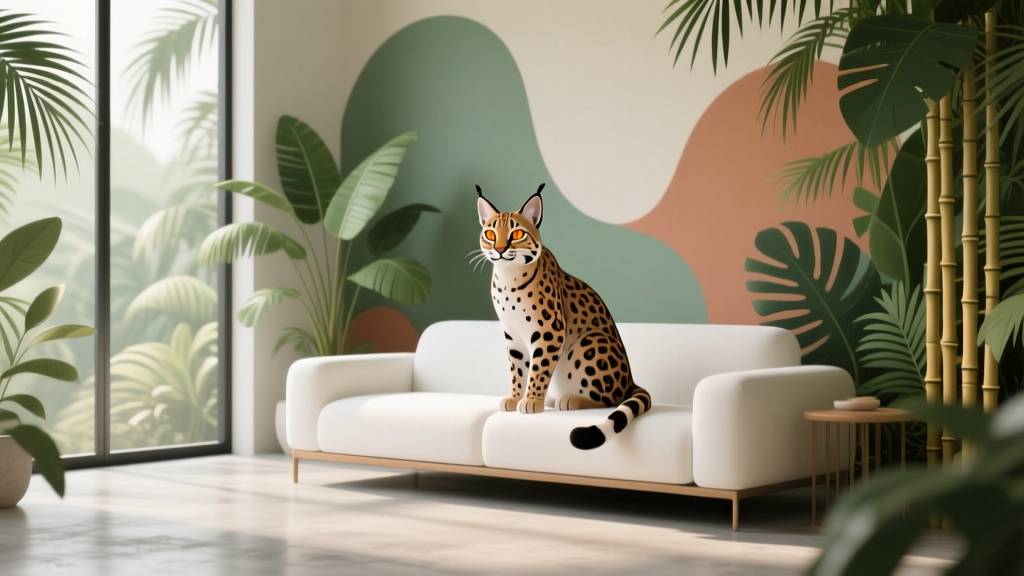
If you’ve ever wished your house cat looked like it just stepped out of a steamy rainforest—tufted ears, wildcat vibes, and an “I belong in the jungle” attitude—the Jungle Lynx probably caught your eye. Photos of these dramatic, bobtailed-looking cats circulate online with captions that promise a “mini lynx” companion, and it’s easy to see why cat lovers get curious.
Here’s the honest, cat-nerd truth: Jungle Lynx isn’t a standardized, universally recognized cat breed in the way Maine Coons, Bengals, or Siamese are. It’s best understood as a domestic cat type or marketing label—often used for cats bred (or claimed to be bred) for a “wild” look: ear tufts, larger frames, spotted or marbled coats, and sometimes short tails. That doesn’t make them any less lovable or fascinating; it just means that what you get can vary a lot depending on the breeder, lineage, and individual cat.
This guide walks you through what the Jungle Lynx is (and isn’t), what they tend to look and act like, how to care for one, and how to make a smart decision if you’re considering bringing a “tropical domestic experiment” into your home.
Breed History and Origin
The term Jungle Lynx has been used for decades in parts of North America, especially in the pet trade and among some specialty breeders. Unlike cats registered in major associations like TICA (The International Cat Association) or CFA (Cat Fanciers’ Association), Jungle Lynx cats typically do not have an agreed-upon written breed standard, closed studbooks, or consistent registry recognition.
So where did the idea come from? Most Jungle Lynx cats trace back to the general concept of a “designer” domestic cat with a wild appearance. Sellers may describe them as crosses involving:
- Domestic longhair and domestic shorthair cats selected for tufted ears and heavier bone
- Bobtailed domestic cats (natural short tail genes exist in domestic populations)
- Occasionally, claims of wildcat ancestry (like lynx or bobcat)
Reality check: documented wildcat hybridization (with species like bobcat or lynx) is exceptionally rare, legally complicated, and not supported by mainstream cat registry frameworks for household pets. Most cats sold as Jungle Lynx are fully domestic, bred for a look rather than a verified wild lineage.
Because “Jungle Lynx” is more of a label than a regulated breed, you’ll also see it overlap with cats marketed as Highlander, “Desert Lynx,” “Lynx cat,” or other wild-styled names. For buyers and researchers, the key is to evaluate the individual cat—its temperament, health, and ethical breeding background—rather than relying on the name alone.
Physical Characteristics
Jungle Lynx cats are loved for their bold, outdoorsy look. Since they aren’t standardized, appearances range from “big, fluffy tabby with tufts” to cats with more dramatic traits like short tails and curled ears.
| Trait | Typical Jungle Lynx Look |
|---|---|
| Size | Medium to large (varies widely by line) |
| Weight | Often 10–20 lb; some individuals smaller or larger |
| Coat length | Short to long; many are medium/long with plush texture |
| Coat patterns | Tabby (classic/mackerel/spotted), marbled; sometimes solid or bicolor |
| Common colors | Brown tabby, silver tabby, black, red/orange, cream; color range depends on ancestry |
| Distinctive features | Ear tufts, prominent ruff, large paws; sometimes a naturally short tail |
Distinctive Features You May See
- Ear tufts (“lynx tips”): Longer hair at the ear tips that adds that wildcat silhouette.
- Ruff/neck fluff: A mane-like collar is common in fluffier individuals.
- Bobtail or shorter tail: Not guaranteed—some are full-tailed; some have naturally shortened tails.
- Big-cat expression: Strong brow line, wide-set eyes, and heavier muzzle in some lines.
If you’re researching Jungle Lynx kittens, ask for photos of both parents, and remember that kittens can change dramatically as they mature—especially coat length and ruff development.
Personality and Temperament Traits
Most Jungle Lynx cats are, at heart, domestic cats—and that’s good news. They tend to be social, playful, and very bonded to their people when well-raised and properly socialized. Because the “breed” label covers a wide range of backgrounds, temperament can vary more than it would in a tightly standardized breed.
That said, owners often describe Jungle Lynx cats as:
- Confident and outgoing: Curious explorers who want to supervise everything.
- Play-driven: Many stay kittenish for years and love interactive toys.
- People-oriented: Often follow you room to room like a fluffy shadow.
- Smart and busy: They enjoy puzzle feeders, climbing, and learning routines.
- Talkative (sometimes): Not always loud, but many have opinions to share.
If you want a cat who looks wild but behaves like a friendly house companion, a well-bred, well-socialized Jungle Lynx-type cat can fit the bill beautifully.
Health Considerations and Common Issues
Because Jungle Lynx cats aren’t a single standardized breed, there isn’t one definitive health profile. Their health risks usually reflect a mix of:
- General domestic cat health concerns
- Any inherited issues present in the contributing bloodlines
- Breeding practices (ethical programs vs. backyard breeding)
Potential Health Concerns to Watch
- Hypertrophic cardiomyopathy (HCM): A heart condition seen in many cat populations. Responsible breeders screen breeding cats when possible.
- Hip/joint issues: Larger-bodied cats can be more prone to joint wear; good weight management helps.
- Dental disease: Extremely common in domestic cats—regular dental care matters.
- Ear care needs: Heavier ear furnishings can trap debris; check ears weekly.
- Tail/spine concerns (if bobtailed): Naturally short-tailed cats should be assessed by a vet to ensure no spinal issues, especially if the tail is extremely short or kinked.
Best practice for owners: schedule a new-cat exam within the first week, keep up with vaccines and parasite prevention, and discuss whether any screening makes sense based on your cat’s build and family history.
Care Requirements (Grooming, Exercise, Diet)
Jungle Lynx care depends heavily on coat length and energy level. Many are fairly low-maintenance—until shedding season hits and your couch starts growing its own “fur blanket.”
Grooming
- Short-coated: Brush 1x per week to reduce shedding and hairballs.
- Medium/long-coated: Brush 2–4x per week; daily during seasonal coat blows.
- Ruff and “pants” (hind leg fluff): These areas tangle easily—use a wide-tooth comb.
- Nails: Trim every 2–4 weeks.
- Hairball support: Regular brushing, hydration, and vet-approved hairball strategies if needed.
Exercise and Enrichment
Many Jungle Lynx cats act like athletic generalists: they climb, leap, sprint, then sprawl dramatically as if they’ve conquered the rainforest.
- Cat trees and wall shelves: Prioritize vertical space.
- Interactive play: 10–20 minutes daily with wand toys or fetch games.
- Puzzle feeders: Great for smart, food-motivated cats.
- Harness training: Many take to it well with patient training (start young, go slow).
Diet
- High-quality, protein-forward food: Wet food can help hydration.
- Portion control: Bigger-framed cats can gain weight quietly—monitor body condition, not just the scale.
- Fresh water access: Consider a fountain if your cat loves running water.
| Care Category | What Works Best |
|---|---|
| Shedding control | Consistent brushing + occasional deshedding comb (gentle use) |
| Energy outlet | Daily play sessions + climbing opportunities |
| Weight management | Measured meals, treats under 10% of calories |
| Mental stimulation | Puzzle toys, training, window perches |
Compatibility with Families, Children, and Other Pets
A well-socialized Jungle Lynx cat can be a wonderful family companion—especially for households that enjoy interactive pets. Their success with kids and other animals comes down to temperament, early experiences, and proper introductions.
- With children: Often good with respectful kids who don’t chase or grab. Teach children “petting, not pinning.” Provide a safe retreat space the cat can always access.
- With dogs: Many do well with cat-savvy dogs, especially if introduced gradually and the dog is calm.
- With other cats: Frequently social, though confident cats may want slow introductions to avoid territorial drama.
- With small pets (birds/rodents): High prey drive is possible. Use secure enclosures and never allow unsupervised access.
If your home is busy, aim for a Jungle Lynx kitten from a home environment where kittens are handled gently, exposed to normal household sounds, and raised with thoughtful socialization.
Pros and Cons of Owning a Jungle Lynx
| Pros | Cons |
|---|---|
| Striking “wild” look (ear tufts, bold tabby patterns, sometimes bobtail) | Not a standardized, widely recognized breed—appearance and temperament can vary |
| Often people-oriented and playful | May need more enrichment than a low-energy lap cat |
| Can be great for active families who enjoy interaction | Long coats can mean frequent grooming and hairballs |
| Smart and trainable (puzzles, harness work, routines) | Marketing claims can be misleading—requires careful breeder/rescue screening |
| Domestic-cat practicality with a “jungle” aesthetic | Large size in some lines can increase food costs and make weight control crucial |
FAQ: Jungle Lynx Cats
1) Is the Jungle Lynx a real breed?
Jungle Lynx is most commonly used as a cat type/label rather than a consistently standardized, widely recognized breed. Individual cats may have documented pedigrees within smaller programs, but you’ll want to verify any registration claims and focus on the cat’s health and temperament.
2) Are Jungle Lynx cats part wild (lynx or bobcat)?
Most Jungle Lynx cats are fully domestic. Claims of lynx/bobcat ancestry are often unverified and can be legally complicated. If someone is advertising wildcat heritage, ask for documentation and consult local laws—then consider whether that’s truly what you want in a household pet.
3) How big do Jungle Lynx cats get?
Many are medium to large, commonly around 10–20 pounds, though size varies widely. Males are often heavier than females, and nutrition plus genetics play a big role.
4) Do they shed a lot?
If they have a medium or long coat, yes—expect seasonal shedding and regular brushing. Short-coated Jungle Lynx-type cats shed less but still benefit from weekly grooming.
5) Are Jungle Lynx cats good with kids and dogs?
Many can be excellent with kids and dogs when raised with good socialization and introduced properly. Look for a confident, people-friendly kitten or adult cat, and set up calm, gradual introductions.
6) What should I ask a breeder or rescue before adopting one?
- Can I meet the parents (or learn about the cat’s background if rescued)?
- What health screening has been done (heart, joints, fecal testing, vaccines)?
- Is the cat litter-trained and well-socialized in a home setting?
- What adult coat length and size do you expect based on the line?
- Do you offer a health guarantee/return policy (for breeders)?
Warm Final Thoughts
The Jungle Lynx “tropical domestic experiment” mystique is part of the appeal: you may get a cat with dramatic ear tufts, a plush coat, and a bold tabby pattern that looks straight out of the wild—paired with a sweet, silly, thoroughly domestic personality. The biggest win comes when you treat the label as a starting point, not a guarantee, and choose your cat based on ethical sourcing, health support, and that unmistakable click of companionship.
May your home be filled with purrs, feather-toy victories, and the occasional jungle-worthy leap onto the highest shelf. If you loved this profile, come explore more cat breed guides and favorites at catloversbase.com.