Jade Cat: Green-Eyed Breed Development
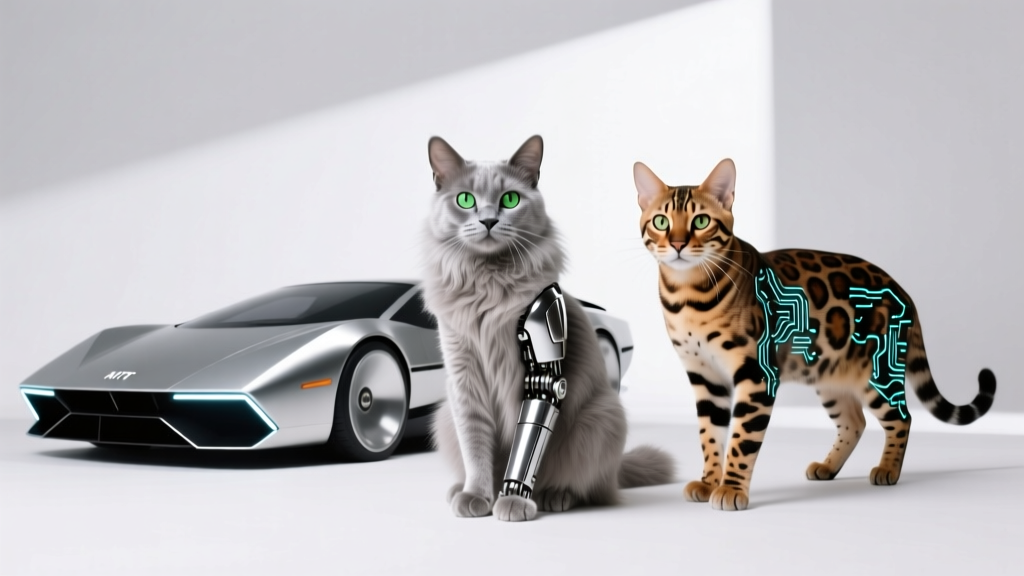
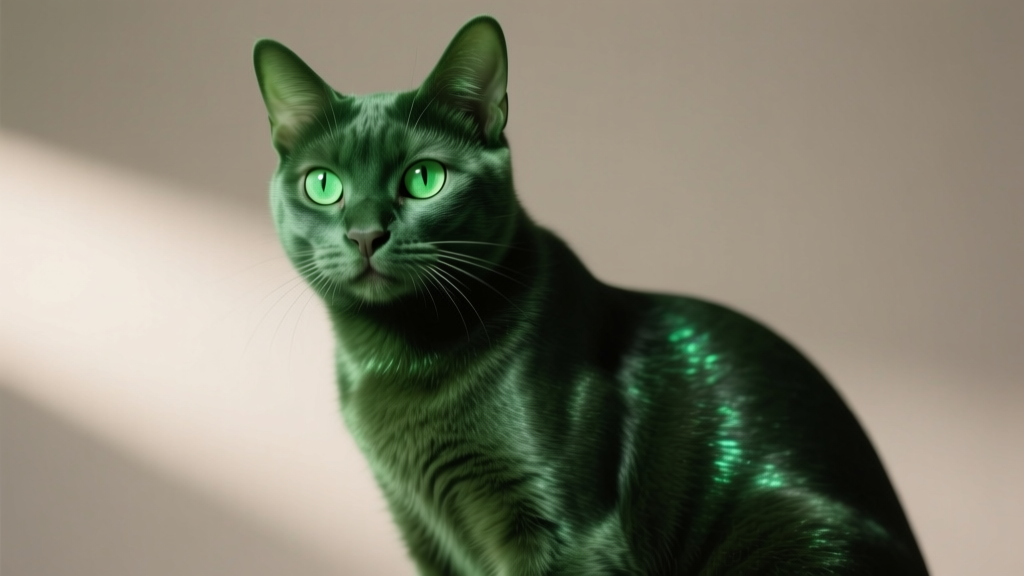
Some cats stop you in your tracks with a single look—and the Jade Cat is built around that moment. The hallmark of this rare, still-developing breed is a striking set of green eyes: not just “green-ish,” but a clear, jewel-toned green that breeders aim to preserve and strengthen over generations. Pair that gaze with a sleek, athletic body and a soft, shimmering coat, and you get a cat that feels equal parts elegant and warmly companionable.
Cat lovers often ask if the Jade Cat is “real” or simply a nickname for green-eyed cats. The answer is wonderfully specific: the Jade Cat is an emerging, selective-breeding project rather than a long-established, widely recognized pedigree. Think of it as a breed in development—an intentional effort to create predictable traits (especially vivid green eyes) while maintaining health, temperament, and type consistency.
If you’re a cat enthusiast who loves following breed development, a potential owner looking for a rare companion, or a researcher tracking how modern breeding programs evolve, the Jade Cat is a fascinating case study—and a truly charming cat to live with when produced responsibly.
Breed History and Origin
The Jade Cat’s story begins with a simple goal: develop a cat with reliably vivid green eyes and a balanced, people-friendly temperament. While naturally green-eyed cats appear in many populations—especially among certain coat colors and lines—consistent, saturated green eye color is not guaranteed. Breeders working on the Jade Cat focus on selecting cats that repeatedly produce:
- Bright, clear green irises (often described as “jade,” “emerald,” or “peridot” tones)
- A sleek, medium build with athletic lines
- Short, glossy coats that highlight the eyes and facial structure
- Stable, affectionate personalities suited to modern households
Because the Jade Cat is still in development, you’ll see variation between catteries and regions. Some programs started with green-eyed domestic shorthairs and outcrossed carefully to cats with complementary traits (such as refined head type, coat texture, and confident temperament). This approach is common in new breed development: maintain genetic diversity, track health, and tighten consistency gradually.
Registry status: At the time of writing, the Jade Cat is generally considered a developing or experimental breed rather than a universally recognized championship breed across major registries. If you’re researching a specific cattery, ask which registry (if any) they work with, what standards they follow, and how they document lineage and health testing.
Physical Characteristics
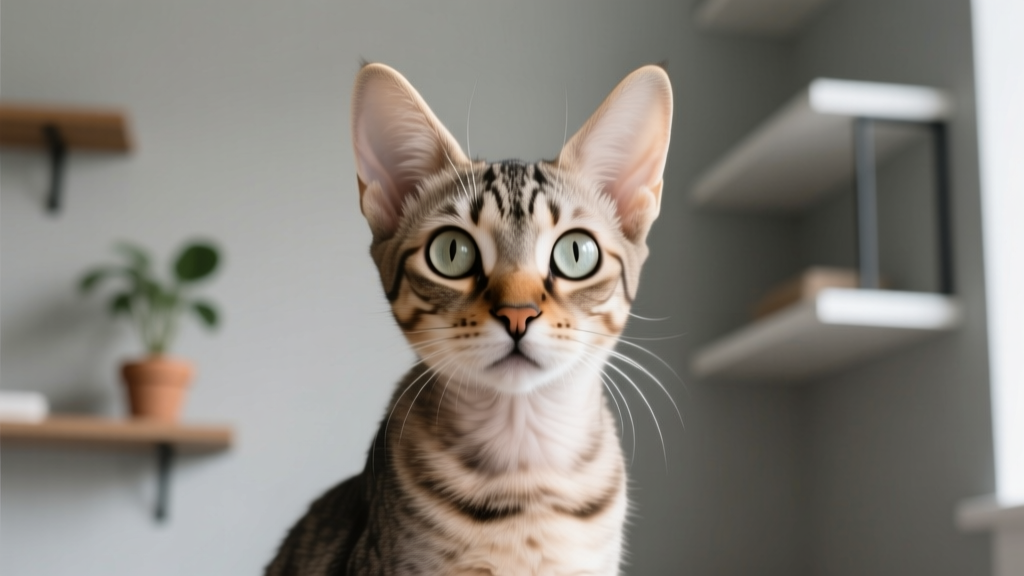
The Jade Cat is typically a medium-sized, short-haired cat with a polished, “clean” silhouette—neither cobby nor ultra-svelte. Their overall look is refined but approachable, with the green eyes acting as the star feature.
| Feature | Typical Jade Cat Traits |
|---|---|
| Size | Medium; athletic and balanced |
| Weight | Approx. 7–12 lb (3.2–5.4 kg); males often larger |
| Body Type | Lean to moderate musculature; graceful legs; agile movement |
| Head | Soft wedge to rounded wedge; defined but not extreme |
| Ears | Medium to moderately large; alert set |
| Coat | Short, close-lying, glossy; often described as “silk-like” |
| Eyes | Signature vivid green; large, expressive, and clear in color |
Coat Colors and Patterns
Because the Jade Cat is a breed development project, coat colors can vary depending on the breeding program. Many breeders prefer colors that visually “frame” green eyes and enhance contrast. Commonly seen coats include:
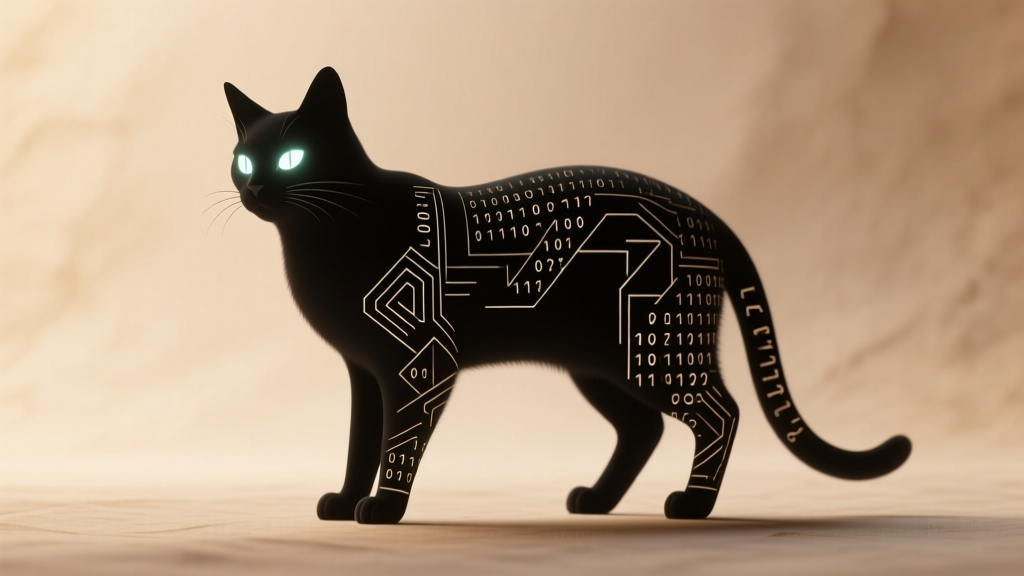
- Solid black (dramatic contrast with green eyes)
- Blue/gray (soft, misty look with jewel-toned eyes)
- Chocolate or cinnamon tones (warmer palette; less common)
- Tabby patterns (especially classic or mackerel in darker shades)
- Solid white may appear in some lines, though breeders track eye color outcomes carefully because white coats can be associated with hearing concerns in some genetic contexts
Distinctive feature: The defining trait is the eye color. In well-bred adults, the green is vivid and even, rather than muddy, yellow-green, or shifting toward amber. Kittens often start with baby-blue eyes that transition over months; final eye color may not fully settle until adulthood.
Personality and Temperament Traits
The ideal Jade Cat temperament is confident, affectionate, and engaged—friendly without being clingy, playful without being frantic. Many owners describe them as “present” cats: they like to be near you, watch what you’re doing, and join in when invited.
- People-oriented: Enjoys companionship and tends to bond closely with their favorite humans.
- Playful and bright: Often learns routines quickly and responds well to interactive games.
- Moderate vocalization: Usually communicates with soft chirps or meows rather than constant talk.
- Adaptable: With good socialization, many adjust well to apartment life or busy households.
- Gentle curiosity: Likes to explore, perch, and observe from a “command center” cat tree.
As with any developing breed, temperament can vary depending on selection priorities and early life experiences. A reputable breeder will socialize kittens thoughtfully—handling, household sounds, and gentle exposure to new experiences—so the adult cat is as steady as it is stunning.
Health Considerations and Common Issues
A developing breed has a unique health story: responsible programs prioritize genetic diversity and careful screening. The Jade Cat does not have a single universally documented “breed disease profile” in the way some long-established breeds do, but there are still important considerations for owners and researchers.
General Health Outlook
In well-managed lines, Jade Cats are typically robust, athletic cats with good longevity. Many live into their mid-to-late teens with proper care.
Potential Health Topics to Discuss with Breeders
- Cardiac screening: Ask whether parent cats receive heart evaluations (such as echocardiograms) based on the lines used.
- Dental health: Like many cats, they can be prone to tartar or gingivitis without routine care.
- Weight management: Their sleek build can hide creeping weight gain—monitor body condition regularly.
- Hearing checks in white-coated lines: If a program includes white cats, ask about hearing testing and careful genetic planning.
- Eye clarity: The emphasis on eye color should never come at the expense of eye health; reputable breeders track overall ocular wellness, not color alone.
Best practice: Choose breeders who provide veterinary records, health testing details relevant to their lines, and a clear contract with return-to-breeder policies. A gorgeous pair of green eyes should come with a healthy body and a stable temperament.
Care Requirements (Grooming, Exercise, Diet)
Living with a Jade Cat is usually refreshingly straightforward. Their short coat and athletic nature make them low-maintenance in grooming and high-reward in everyday companionship.
Grooming
- Brushing: 1–2 times per week with a soft bristle brush or grooming glove to remove loose hair and boost shine.
- Nails: Trim every 2–4 weeks, depending on growth and scratching habits.
- Ears: Check weekly; clean gently if waxy buildup appears (use cat-safe ear cleaner).
- Teeth: Ideally brush several times a week; dental treats and water additives can help but don’t replace brushing.
Exercise and Enrichment
Jade Cats tend to thrive with interactive play and vertical space. They’re not usually “bounce off the walls” cats, but they do best when their brains and bodies get daily outlets.
- Daily play: 15–30 minutes split into sessions (wand toys, feather teasers, chasing games).
- Climbing: A sturdy cat tree, wall shelves, or window perches.
- Puzzle feeding: Snuffle mats or treat puzzles to satisfy hunting instincts.
- Training: Many enjoy clicker training, target touches, sit, or carrier games.
Diet
Feed for lean muscle and long-term health. A Jade Cat’s athletic frame looks best—and feels best—when supported by high-quality nutrition.
- Protein-forward food: Choose a well-formulated diet with animal protein as a main ingredient.
- Wet food benefits: Many cats do well with wet food as part of the diet to support hydration.
- Measured portions: Use a measuring cup or scale; adjust based on body condition, not just label directions.
- Fresh water: Consider a fountain to encourage drinking.
Compatibility with Families, Children, and Other Pets
The Jade Cat’s “sweet spot” is family life where they’re treated as a true companion. They tend to do well with gentle kids and respectful pets, especially when introduced thoughtfully.
- With children: Often excellent with calm, cat-savvy kids who understand “no grabbing” and let the cat choose interaction. Supervise toddlers closely.
- With dogs: Many can coexist happily with cat-friendly dogs. Slow introductions and safe escape routes (vertical space) are key.
- With other cats: Typically social when properly introduced. A confident, playful companion can be a great match.
- Home environment: Can adapt to apartments if provided climbing space and daily play; also enjoys larger homes with more exploration options.
If you’re considering two cats, ask the breeder about pairing temperaments—some Jade Cats are “people-first” and prefer being the center of attention, while others bloom with a feline buddy.
Pros and Cons of Owning a Jade Cat
| Pros | Cons |
|---|---|
| Stunning, signature green eyes with a refined look | Rare and developing—availability can be limited |
| Short, glossy coat that’s easy to maintain | Variation between lines; you must research breeders carefully |
| Affectionate, companionable temperament in well-bred lines | May get lonely without enough interaction or enrichment |
| Playful and bright—often enjoys training and puzzle toys | Some individuals can be sensitive to chaotic environments |
| Athletic build; fun to watch climb and explore | Needs regular playtime to prevent boredom and weight gain |
FAQ: Jade Cat Breed Development
Are Jade Cats officially recognized by major cat registries?
Most Jade Cats are part of a breed development program rather than a widely recognized championship breed. Recognition varies by region and organization. If a cattery claims registry status, ask for documentation and which registry they work with.
Do Jade Cats always have green eyes?
Green eyes are the defining goal, but because the breed is still developing, not every kitten will mature into a vivid jade-green. Eye color can shift as kittens grow, and final color may take many months to settle.
How much do Jade Cats shed?
They’re typically moderate shedders with short coats. Weekly brushing usually keeps shedding manageable and helps maintain that glossy finish.
Are Jade Cats good for first-time cat owners?
Often, yes—especially if you choose a well-socialized kitten from a reputable breeder and you’re ready to provide daily play and companionship. Their easy grooming and friendly nature can be a great match for beginners.
What should I ask a breeder before buying a Jade Cat kitten?
- What health testing is done on the parents (and why those tests)?
- How do they socialize kittens?
- What traits are they selecting for besides green eyes (temperament, structure, coat)?
- Do they offer a contract, health guarantee, and lifetime take-back policy?
- Can they provide veterinary records and lineage information?
Do Jade Cats need special eye care because of their color?
Not specifically due to color. Normal cat eye care applies: keep the face clean, watch for redness or discharge, and see a vet if anything looks unusual. Ethical programs prioritize healthy eyes, not just eye color.
Warm Signoff
The Jade Cat is a love letter to one of the most mesmerizing feline features: green eyes that look like polished stone in the sunlight. When developed responsibly, this breed-in-progress offers far more than a pretty gaze—think bright companionship, playful athleticism, and a sleek coat that feels like velvet under your hand.
If you’re considering adding a Jade Cat to your home, take your time, ask thoughtful questions, and choose breeders who put health and temperament on the same pedestal as those iconic jade-green eyes. Your future best friend is worth the extra care in the search.
Want to meet more incredible cats—both established breeds and fascinating newcomers? Explore more breed profiles on catloversbase.com.