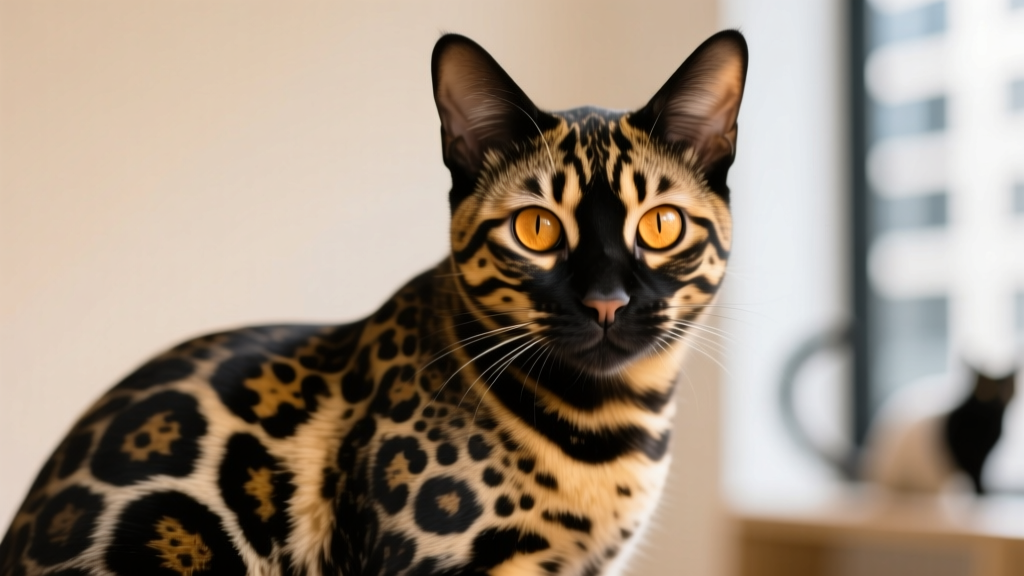
Cheetoh: Bengal Meets Ocicat Hybrid
If you’ve ever wished you could share your home with a mini “wild cat” who also happens to be affectionate, people-focused, and eager to play, the Cheetoh might stop you in your tracks. This striking hybrid breed blends the glittering, athletic look of the Bengal with the bold, spotted charm and outgoing nature of the Ocicat. The result? A big-hearted, big-bodied companion with a coat that turns heads and a personality that keeps life lively.
Cheetoh cats are often described as “dog-like” in the best ways—smart, interactive, and ready to follow you from room to room. They tend to thrive in homes where they get plenty of attention and enrichment. If your idea of a perfect cat is one that plays fetch, learns tricks, greets guests, and still enjoys cuddling on the couch, keep reading.
This guide covers Cheetoh history, appearance, temperament, health, care, and what it’s really like to live with this Bengal-Ocicat hybrid—so you can decide whether this spotted sweetheart belongs in your family.
Breed History and Origin
The Cheetoh cat is a relatively new hybrid breed developed in the United States. The goal was to create a domestic cat with a dramatic, exotic look—large size, bold spotting, and a “wild” vibe—while maintaining a friendly, stable temperament suited to family life.
Cheetohs were developed by crossing Bengals (known for their athletic build, high intelligence, and famously beautiful coats) with Ocicats (a spotted domestic breed with a confident, social personality). Unlike some hybrid lines that involve more recent wild ancestry, the Cheetoh’s mix focuses on domestic-friendly traits while preserving that jaw-dropping “jungle cat” aesthetic.
Because the Cheetoh is still an emerging breed, recognition can vary by registry, and type may differ somewhat between breeding programs. If you’re researching kittens, choosing a reputable breeder who prioritizes health testing, sound temperament, and clear lineage documentation makes all the difference.
Physical Characteristics
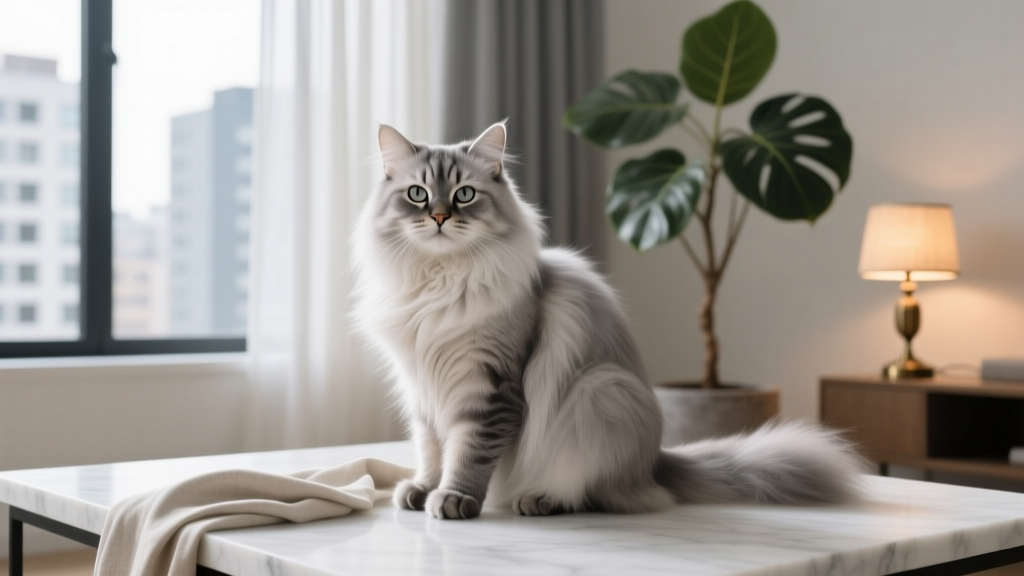
Cheetohs are built to impress. They’re generally large, muscular, and athletic, with long lines, powerful legs, and a confident stance. Many owners describe them as “substantial” cats—solid, not delicate—often heavier and larger than the average household feline.
| Feature | Typical Cheetoh Traits |
|---|---|
| Size | Medium-large to large |
| Weight | Often 12–20+ lbs (males typically larger) |
| Body Type | Muscular, athletic, long-bodied |
| Coat Length | Short to medium-short, sleek |
| Coat Pattern | Spotted or rosetted (high-contrast often prized) |
| Common Colors | Brown spotted, gold/bronze tones, silver, and other spotted variations depending on lineage |
| Eyes | Often large and expressive; color varies |
Coat, Colors, and That “Wild” Look
The hallmark of the Cheetoh is its bold spotting—large, clearly defined spots across the sides, back, and belly. Some lines lean more Bengal-like with rosettes and a shimmering “glitter” effect, while others show Ocicat-style spotting with crisp contrast.
- Patterns: Spots and rosettes are most common; the goal is a dramatic, big-cat appearance.
- Texture: The coat is typically dense and soft, often with a satiny feel.
- Distinctive features: Strong, athletic frame; confident posture; striking, spotted coat; alert expression.
Because Cheetoh cats are a hybrid of Bengal and Ocicat, appearance can vary. If you’re set on a specific look (big rosettes, warmer gold tone, high-contrast silver), ask breeders for photos of parents and prior litters.
Personality and Temperament Traits
Cheetohs are known for being social, intelligent, and highly interactive. They’re the type of cat who wants to be involved—whether you’re folding laundry, working on a laptop, or welcoming friends at the door.
Many Cheetoh owners report a delightful mix of traits:
- People-oriented: Often bonds strongly with family members and likes being near you.
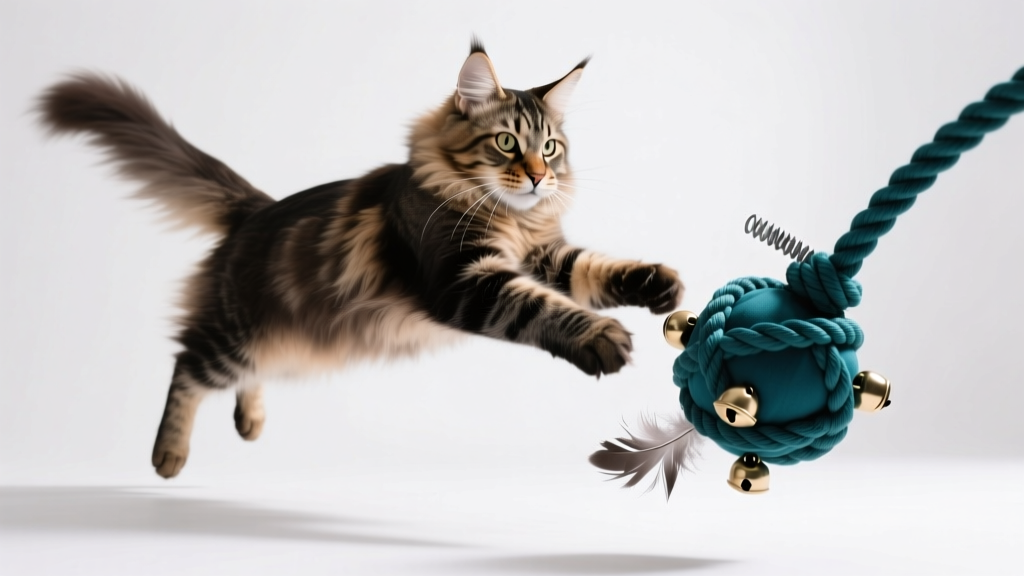
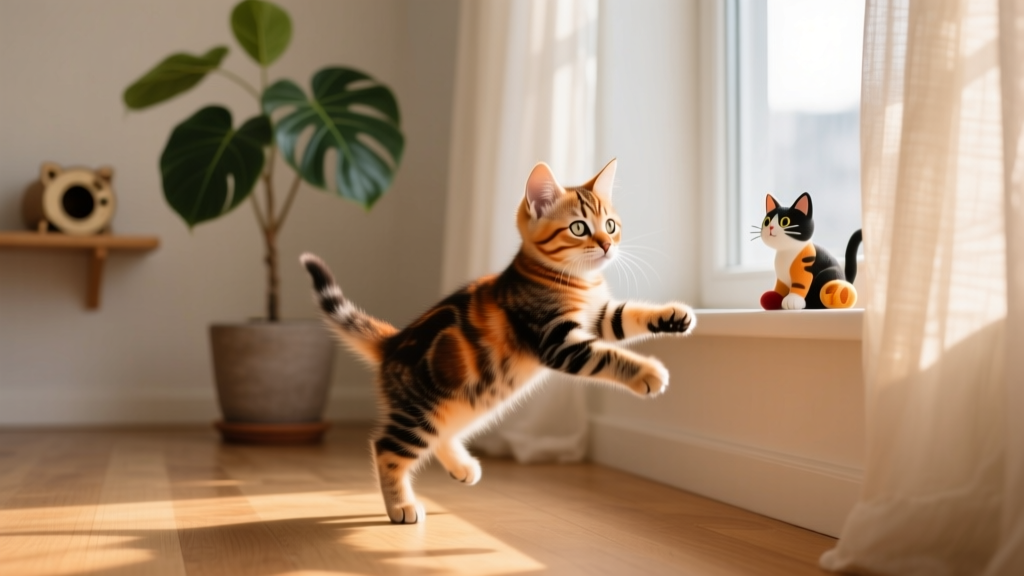
- Playful and energetic: Think leaping, sprinting, climbing, and enthusiastic toy-chasing.
- Smart and trainable: Can learn routines quickly; many enjoy clicker training.
- Confident and outgoing: Frequently comfortable with visitors when properly socialized.
- Vocal tendencies: Some are chatty, especially when they want interaction or food.
This Bengal-Ocicat hybrid often does best with a home that enjoys an active cat. If you want a quiet, low-key lap cat who naps all day without needing much stimulation, the Cheetoh may be more “go-go-go” than you bargained for—especially in the first few years.
Health Considerations and Common Issues
Cheetoh cats can be sturdy and robust, but they may share health risks seen in their parent breeds. Since this is a developing hybrid, health outcomes depend heavily on ethical breeding practices and genetic screening.
Potential concerns to discuss with a breeder and your veterinarian include:
- Heart disease (HCM): Hypertrophic cardiomyopathy is seen in several breeds, including Bengals. Responsible breeders may screen breeding cats with cardiac evaluation (often echocardiograms).
- Dental issues: Like many cats, they can be prone to tartar buildup and gum disease without regular dental care.
- Digestive sensitivity: Some Bengal-influenced cats can have sensitive stomachs; gradual diet transitions help.
- General orthopedic strain: Large, athletic cats benefit from good conditioning, appropriate play, and maintaining a healthy weight.
What to look for in a responsible breeder:
- Clear documentation of parentage (Bengal x Ocicat lines)
- Health screening transparency (especially cardiac history)
- Well-socialized kittens raised in a home environment
- A contract that includes a health guarantee and return policy
Regular veterinary checkups, high-quality nutrition, and a stimulating environment go a long way toward keeping a Cheetoh thriving.
Care Requirements (Grooming, Exercise, Diet)
Grooming
The Cheetoh’s short coat is usually easy to maintain. Weekly grooming is often enough to keep shedding manageable and the coat glossy.
- Brushing: 1–2 times per week with a soft brush or grooming mitt
- Nails: Trim every 2–4 weeks depending on growth and scratching habits
- Ears: Check weekly; clean gently if waxy buildup appears
- Dental care: Brush teeth several times a week if possible (even a few times weekly helps)
Exercise and Enrichment
These cats are athletes. Plan on daily active play and an environment that encourages climbing and exploration.
- Interactive play: Wand toys, flirt poles, and chase games (10–20 minutes, 1–2+ sessions daily)
- Vertical space: Cat trees, wall shelves, and window perches
- Puzzle feeders: Great for mental stimulation and reducing boredom
- Training: Many enjoy clicker training, “sit,” “high five,” and recall practice
- Leash walks: Some Cheetohs take to harness training very well with patience
A bored Cheetoh can become a mischievous Cheetoh. If you love an interactive cat who makes you laugh daily, you’ll probably find their curiosity charming. If you prefer a hands-off pet, this breed may feel demanding.
Diet
Cheetohs do best on a high-quality, protein-forward diet appropriate for their life stage (kitten, adult, senior) and activity level.
- Protein focus: Look for named animal proteins as primary ingredients.
- Portion control: Large cats can overeat if free-fed; measured meals help maintain ideal weight.
- Hydration: Many cats drink more with fountains; wet food can support hydration too.
- Slow transitions: If switching foods, do so gradually over 7–10 days to reduce tummy upset.
Your veterinarian can help tailor feeding amounts, especially if your Cheetoh is exceptionally large, highly active, or prone to digestive sensitivity.
Compatibility with Families, Children, and Other Pets
Cheetoh cats are often a wonderful match for families who want a playful, confident, social companion. They typically enjoy engagement and do well with respectful children who understand gentle handling and appropriate play.
- With children: Usually great with kids who interact kindly; their energy can match an active household.
- With other cats: Often sociable, especially when introduced slowly; they may enjoy a playful feline friend.
- With dogs: Many adapt well to calm, cat-savvy dogs; early socialization helps a lot.
- With small pets: Use caution. Their prey drive may be higher than average; secure housing for birds/rodents is essential.
Because they can be bold and energetic, introductions should be thoughtful and gradual—especially with shy pets. Give them space, scent swaps, and positive associations, and let confidence build naturally.
Pros and Cons of Owning This Breed
| Pros | Cons |
|---|---|
| Stunning spotted/rosetted “wild” look | High energy needs; can get bored easily |
| Social, interactive, often very affectionate | May be too busy for people wanting a low-key cat |
| Highly intelligent and trainable | Smart cats can become mischievous without enrichment |
| Often good with families and friendly visitors | May be vocal or demanding of attention |
| Low-maintenance coat care | Needs reputable breeding and health screening considerations |
FAQ: Cheetoh Cats
Are Cheetoh cats the same as Bengals?
No. A Cheetoh is typically a Bengal x Ocicat hybrid, developed to combine Bengal-style coat drama and athleticism with the Ocicat’s bold spotting and social confidence. They can resemble Bengals, but their lineage and overall “type” may differ.
How big do Cheetoh cats get?
Cheetohs are generally medium-large to large, commonly falling in the 12–20+ pound range, with males often larger. Individual size depends on genetics, diet, and overall build.
Do Cheetoh cats shed a lot?
They usually have a short coat and tend to be moderate shedders. Weekly brushing often keeps shedding under control and helps maintain that sleek shine.
Are Cheetoh cats good for first-time cat owners?
They can be, if you want an active, interactive cat and you’re ready to provide daily play, training, and enrichment. If you’re hoping for a very independent or low-energy cat, a Cheetoh may feel like a lot.
Do Cheetoh cats get along with other pets?
Many do well with other cats and even dogs when introduced properly. Their confident temperament often helps, but slow introductions and supervised early interactions are still the best recipe for harmony.
How much exercise does a Cheetoh need?
Plan on at least 20–40 minutes of active play daily, plus climbing space and mental enrichment like puzzle feeders. Many will happily do more—especially young adults.
A Warm Signoff
The Cheetoh is the kind of cat that makes everyday life feel a little more adventurous. With their spotted showstopper coat, bright mind, and “let’s do something!” attitude, they’re a fantastic fit for cat lovers who want a true companion—one who plays hard, bonds deeply, and brings a touch of the exotic to the living room.
If you’re considering a Cheetoh kitten or adult, take your time finding a breeder or rescue situation that prioritizes health, temperament, and proper socialization. Give this Bengal meets Ocicat hybrid the enrichment they crave, and you’ll likely be rewarded with years of laughter, affection, and nonstop cat brilliance.
Want to compare the Cheetoh with other spotted stunners and family-friendly favorites? Explore more breed profiles on catloversbase.com.