Amber Cat: Golden Eye and Coat Lines
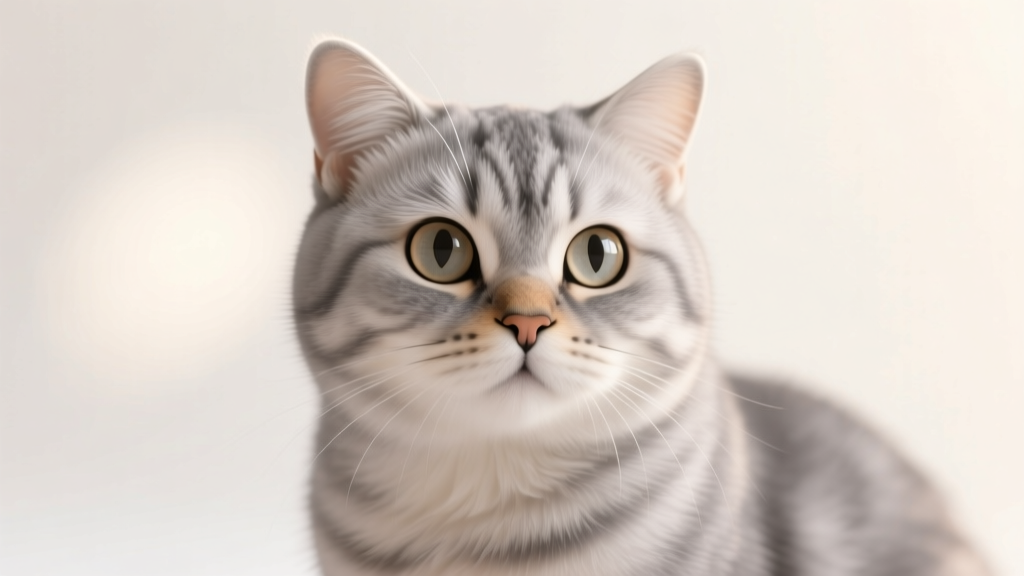
If you’ve ever seen a kitten that seems to “turn golden” as it grows, you’ve brushed up against one of the most fascinating coat mysteries in the cat world: amber. The so-called Amber Cat isn’t a separate breed in the way Maine Coon or Siamese are—it’s a rare, warm-toned color mutation best known from the Norwegian Forest Cat amber lines. But don’t let that nuance dull the magic. Amber coats look like sunrise trapped in fur, and they’re often paired with glowing golden eyes that make the whole cat feel lit from within.
Cat enthusiasts love amber because it’s dynamic. Many amber kittens are born looking more “normal” (often dark, even blackish), then gradually shift into honey, caramel, apricot, or deep cinnamon tones. It’s a color story you can watch unfold over months and years—like nature’s own slow-release surprise.
If you’re researching amber cats for breeding, showing, or simply dreaming of a warm-toned companion with a wild, Nordic look, this guide covers the essentials: origin, appearance, temperament (especially within Norwegian Forest Cat lines), care, health, and what to expect when living with a cat whose coat seems to glow.
Breed History and Origin
The amber color mutation is most strongly associated with the Norwegian Forest Cat (often called “Wegie”). Norwegian Forest Cats are a natural breed from Norway, shaped by rugged landscapes, cold winters, and generations of survival. Their thick coat, sturdy body, and athletic build weren’t crafted in a designer’s studio—they’re a working masterpiece from nature.
Amber as a color story entered the modern cat world relatively recently. The mutation was first recognized in Norwegian Forest Cat breeding programs in Norway in the late 20th century. Genetic testing later helped clarify that amber is linked to a specific mutation in the MC1R gene (often described as the “extension” gene), which influences how pigment is expressed in the coat over time.
In practical terms, that’s why amber cats can look dramatically different from kittenhood to adulthood. Breeders and researchers became intrigued because amber doesn’t behave like classic red/cream or chocolate/cinnamon—it has its own unique progression and palette.
- Most common breed association: Norwegian Forest Cat amber lines
- Why it’s famous: Coat color often changes noticeably with age
- Genetic highlight: MC1R mutation affecting pigment expression
Physical Characteristics
Because “Amber Cat” usually refers to amber-colored Norwegian Forest Cats, the body type and features typically mirror that breed: large, powerful, and built for climbing. The amber coloration adds a soft, molten look to an already striking silhouette.
| Feature | Typical Amber (Norwegian Forest Cat) Traits |
|---|---|
| Size | Medium-large to large, sturdy and athletic |
| Weight | Males often 12–16+ lb (5.5–7.5+ kg); females often 9–12 lb (4–5.5 kg) |
| Body | Long, solid frame; strong chest; powerful hindquarters |
| Head | Triangular shape; straight profile; strong chin |
| Ears | Large, alert, often with lynx tips and furnishings |
| Eyes | Usually large and expressive; colors can include green, gold, or copper; “golden” eyes are especially beloved with amber coats |
| Coat | Double coat: water-resistant guard hairs + dense undercoat; seasonal shedding |
Coat, Colors, and the “Amber Look”
Amber is often described in two main categories:
- Amber: deeper, richer warm tone (think cinnamon, toffee, or glowing bronze)
- Light Amber: paler honey, beige-gold, or soft apricot tones
One of the joys (and occasional confusion) of amber is how it can mimic other colors at different life stages. Some kittens are born quite dark, then gradually lighten or “warm up” as they mature. In many amber lines, the coat may continue shifting subtly as the cat ages, and seasonal coat changes can also affect how the color reads.
Patterns can appear alongside amber, especially within Norwegian Forest Cat lines:
- Tabby variations (often with warm, softened markings)
- Solid-appearing coats that still show “ghost tabby” shading under certain light
Distinctive features that make amber cats stand out:
- A “glowing” warmth to the coat, especially in sunlight
- Color progression from kitten to adult
- Striking contrast when paired with golden or copper-toned eyes
Personality and Temperament Traits
Temperament depends more on breed and individual lineage than color alone. Since amber is most associated with Norwegian Forest Cats, many amber cats share the classic Wegie vibe: confident, affectionate without being clingy, and quietly adventurous.
- People-friendly: Often devoted to their humans, with a gentle, companionable presence
- Independent streak: Happy to nap nearby while you work, then join you for attention on their terms
- Playful and athletic: They tend to enjoy climbing, exploring, and interactive games
- Calm intelligence: They learn routines quickly and often observe before jumping in
Many owners describe Norwegian Forest Cats as “dog-like” in the sense that they may follow you from room to room, greet you at the door, or bond deeply—without the constant vocal demands seen in some more talkative breeds.
Health Considerations and Common Issues
An amber coat doesn’t automatically mean special health problems. Health risks are primarily tied to the underlying breed (again, most often Norwegian Forest Cat) and to the quality of breeding practices.
Common health topics to discuss with reputable breeders and your veterinarian include:
- Hypertrophic cardiomyopathy (HCM): A heart condition seen in many cat breeds; responsible breeders often screen breeding cats
- Hip dysplasia: Can occur in larger, athletic cats; watch for stiffness or reluctance to jump
- Glycogen storage disease type IV (GSD IV): A known genetic concern in Norwegian Forest Cats; genetic testing is widely used to avoid producing affected kittens
- Dental health: Tartar buildup and gum issues can affect any cat—regular dental care matters
Life expectancy varies by lineage and care, but well-bred Norwegian Forest Cats commonly live into their teens, and some go beyond.
Care Requirements (Grooming, Exercise, Diet)
Grooming
Amber cats from Norwegian Forest Cat lines typically wear a thick, weatherproof double coat. The good news: it’s designed to resist matting better than you’d expect. The not-so-secret secret: seasonal shedding can be intense.
- Weekly brushing: A solid baseline most of the year
- Spring/fall “coat blow”: Increase to 2–4 times per week, or even brief daily sessions
- Tools that help: Wide-tooth comb for the undercoat, slicker brush for outer coat, and a gentle de-shedding routine (without overdoing it)
Exercise and Enrichment
These cats often love vertical territory. If you want an amber cat to thrive, think like a mountain guide: provide climbing routes, lookouts, and safe jumps.
- Tall cat trees and wall shelves
- Interactive wand toys to mimic prey movement
- Food puzzles for mental engagement
- Window perches for “bird TV”
Diet
A sturdy, active cat does best with a diet that supports lean muscle and healthy skin/coat.
- Protein-forward nutrition: Look for quality animal protein as a primary ingredient
- Portion control: Large cats can gain weight quietly, especially after adolescence
- Hydration: Many cats drink more with a fountain; wet food can also help
- Coat support: Omega-3s (from fish oil or vet-approved sources) can be beneficial for coat quality
If you’re choosing food for a growing kitten, ask your vet about large-breed growth pacing—slow, steady development is a friend to joints.
Compatibility with Families, Children, and Other Pets
Amber cats in Norwegian Forest Cat lines are often a wonderful match for families who want an affectionate cat with a bit of wilderness in their look. They tend to be patient, sturdy, and less easily rattled than many smaller, more sensitive cats—though every cat deserves respectful handling.
- With children: Generally good with gentle, cat-savvy kids; teach children to avoid tail pulling and to respect “no thanks” signals
- With dogs: Often compatible with calm, cat-respecting dogs; slow introductions work wonders
- With other cats: Many do well, especially when introduced gradually and given enough space and resources
Because they enjoy climbing and observing, multi-pet homes benefit from adding vertical escapes and separate feeding stations—less competition, more peace.
Pros and Cons of Owning an Amber Cat
| Pros | Cons |
|---|---|
| Rare, breathtaking coat color with a warm “golden” glow | Amber lines can be harder to find; reputable breeders may have waitlists |
| Often paired with striking golden/copper eye color | Coat changes over time—what you see in a kitten may not be the final look |
| Typically affectionate, steady, and family-friendly (especially in Norwegian Forest Cats) | Heavy seasonal shedding; grooming time is real |
| Athletic, playful, and fun to enrich with climbing structures | Large cats need space and sturdy furniture (cat trees must be stable) |
| Strong natural-breed vibe: rugged, outdoorsy look with indoor-cat manners | Breed-related screening (HCM/GSD IV) is essential—avoid casual or untested breeding |
FAQ: Amber Cats
Are amber cats a separate breed?
No. “Amber” refers to a coat color mutation, not a standalone breed. The amber color is most famously found in Norwegian Forest Cat lines, so many people use “Amber Cat” as a shorthand for an amber-colored Norwegian Forest Cat.
Do amber cats always have golden eyes?
Not always, but golden or copper-toned eyes can look especially common and dramatic alongside amber coats. Eye color is influenced by genetics and lineage, so you may also see green shades depending on the cat.
Why do some amber kittens change color as they grow?
The amber mutation affects pigment expression over time, so kittens may be born darker and gradually develop warmer, lighter amber tones as they mature. Seasonal coat changes can also make the shade look different throughout the year.
Is the amber color rare?
Yes, amber is considered rare, especially compared to more common coat colors. Availability depends on region, breeder programs, and how widespread amber lines are within local Norwegian Forest Cat populations.
Do amber cats require special grooming because of their color?
The color itself doesn’t change grooming needs. Grooming depends on the coat type. In Norwegian Forest Cats, the thick double coat needs regular brushing and extra help during heavy shedding seasons.
How can I find a reputable amber kitten?
Look for breeders who are transparent about health testing (commonly including HCM screening and GSD IV genetic testing in Norwegian Forest Cats), provide pedigree documentation, raise kittens in-home, and welcome questions. Expect interviews and waitlists—good breeders are careful about placement.
Warm Wrap-Up
The charm of the Amber Cat is the way it blends rarity with pure, cozy beauty: a coat that reads like honeyed sunlight, eyes that can glow gold or copper, and—when it’s found in Norwegian Forest Cat lines—a confident, affectionate companion with a bold, outdoorsy silhouette. If you love cats with a touch of mystery, amber is the kind of color that keeps you staring, year after year, noticing new shades in every season’s light.
If an amber cat is on your wish list, take your time, research breeders carefully, and enjoy the process. Half the fun is learning the story behind those golden coat lines.
Want to meet more remarkable cats? Explore more breed profiles and color guides on catloversbase.com.