How to Take Care of a Maine Coon Kitten
Why This Guide Could Save Your Maine Coon’s Life (and Your Sanity)
If you’re asking how to take care of a Maine Coon kitten, you’re not just Googling for cute tips—you’re stepping into a 15–20 year commitment with one of the largest, most intelligent, and emotionally sensitive cat breeds on earth. Unlike average domestic shorthairs, Maine Coons mature slowly (reaching full size at 3–5 years), have unique nutritional needs, develop orthopedic vulnerabilities if overfed, and form deep, almost dog-like attachments—meaning early care decisions shape their physical health, emotional resilience, and even your household harmony for decades. One misstep in nutrition, deworming timing, or socialization windows can trigger chronic joint stress, anxiety-based aggression, or preventable heart conditions like hypertrophic cardiomyopathy (HCM), which affects up to 30% of Maine Coons. This isn’t alarmist—it’s what Dr. Emily Tran, DVM and feline specialist at the Cornell Feline Health Center, calls 'the critical care cascade': get the first 90 days right, and you’ve built immunity against 70% of common adult-onset issues.
Nutrition: Feeding for Growth—Not Just Fullness
Maine Coon kittens aren’t ‘big babies’—they’re marathon runners in kitten bodies. Their growth phase lasts 18–24 months, but the most rapid skeletal and muscular development happens between weeks 4–20. Overfeeding during this window is the #1 contributor to early-onset arthritis, hip dysplasia, and obesity-related diabetes. Yet underfeeding risks stunted immune development and poor coat quality—a hallmark trait breeders and vets assess closely.
According to the American College of Veterinary Nutrition (ACVN), Maine Coon kittens need 30–40% more calories per kilogram than typical kittens—but those calories must come from high-bioavailability protein (≥38% crude protein on dry matter basis), moderate fat (18–22%), and zero grain fillers or artificial preservatives. Why? Their large frames demand collagen-building amino acids (like lysine and methionine), while their dense double coats require omega-3s (EPA/DHA) from marine sources—not flaxseed oil, which cats cannot efficiently convert.
Real-world example: When Sarah adopted ‘Atlas’ at 10 weeks, she fed him a popular ‘all-life-stage’ kibble. By 4 months, he was 4.2 kg (above the 95th percentile for age) and dragging his hind legs after play. His vet diagnosed early patellar luxation—and traced it directly to excess calcium and rapid weight gain. Switching to a slow-growth, Maine Coon-specific formula (with controlled calcium:phosphorus ratio of 1.2:1) reversed symptoms within 8 weeks.
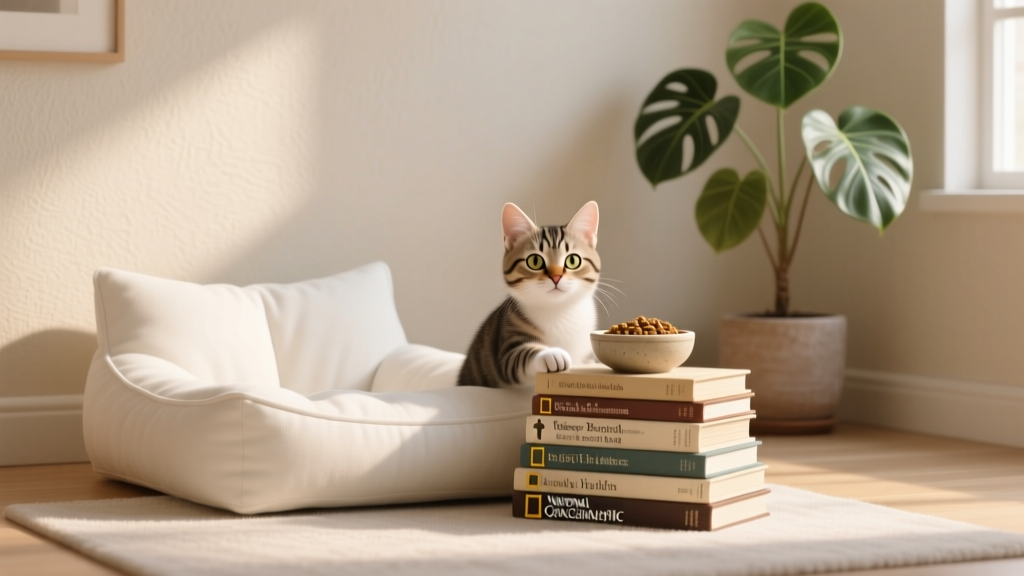
- What to feed: Look for AAFCO-certified formulas labeled “for large-breed kittens” or “Maine Coon specific”—e.g., Royal Canin Maine Coon Kitten, Orijen Cat & Kitten, or Wellness CORE Grain-Free Kitten.
- Feeding schedule: 4 meals/day until 12 weeks, then 3 meals/day until 6 months. Always weigh food—not eyeball portions. A 12-week-old Maine Coon should eat ~120–140 kcal/day (≈ 65g of Royal Canin).
- Water strategy: Use wide ceramic bowls (no whisker fatigue), add bone broth ice cubes (unsalted, no onion/garlic), and invest in a multi-tiered fountain—Maine Coons are prone to urinary crystals, and hydration prevents 90% of FLUTD cases.
Grooming & Coat Care: More Than Just Brushing
That majestic, shaggy coat? It’s a double-edged sword. While stunning, the Maine Coon’s water-resistant outer guard hairs and dense, woolly undercoat trap moisture, dander, and allergens—and matting begins as early as week 8 behind ears and under armpits. Left unaddressed, mats pull skin, cause hot spots, and hide ear mites or flea dirt. But here’s what most guides miss: you don’t start brushing to prevent tangles—you start to build trust and detect abnormalities.
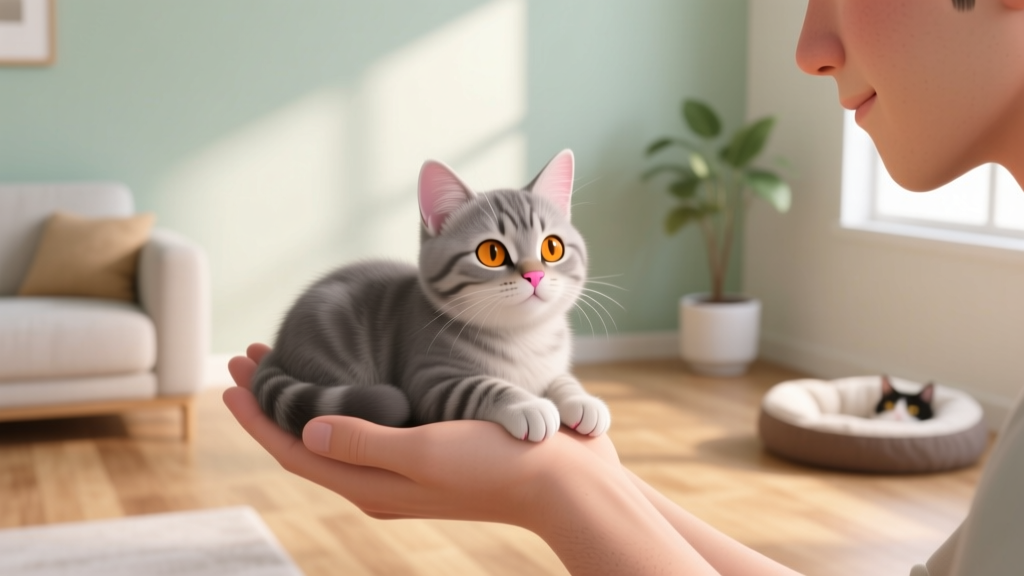
Veterinary dermatologist Dr. Lena Park (UC Davis) emphasizes: “Daily 2-minute handling sessions—including gentle ear inspection, paw pad massage, and tail base palpation—teach your kitten that human touch = safety, not threat. This directly reduces vet-visit stress later—and lets you catch early signs of ringworm, ear polyps, or spinal sensitivity linked to spinal muscular atrophy (SMA), a hereditary Maine Coon condition.”
Your grooming toolkit isn’t optional—it’s diagnostic:
- Undercoat rake (not a slicker brush): Removes loose undercoat without damaging guard hairs.
- Stainless steel comb: Detects tiny burrs, ticks, or scabs before they become infections.
- Cotton balls + witch hazel: For safe, alcohol-free ear cleaning (never Q-tips).
Start at 8 weeks: 3x/week for 3 minutes. Increase to daily at 12 weeks. By 4 months, your kitten should tolerate full-body sessions—including nail trims and toothbrushing (use pet-specific enzymatic paste—human toothpaste causes GI upset).
Socialization & Environment: Building Confidence, Not Just Cuteness
Maine Coons are famously gentle—but that gentleness is earned through deliberate, science-backed exposure. Their critical socialization window closes at 14 weeks (earlier than most breeds), and missing it leads to lifelong fearfulness around strangers, car rides, or vet exams. Yet flooding them with stimuli backfires: too much too soon triggers cortisol spikes that literally shrink the hippocampus—the brain region governing learning and memory.
The gold standard? The “3-3-3 Rule” endorsed by the International Cat Care (ICC):
3 days to decompress in one quiet room (bedroom or bathroom with carrier, litter box, food, water, soft blanket);
3 weeks to explore adjacent rooms, meet 1–2 trusted people, and practice crate-carrier association;
3 months to master leash walking, carrier loading, and vet-office desensitization.
Mini case study: ‘Willow’, adopted at 11 weeks, hid for 17 days until her owner implemented ‘clicker + treat’ pairing during door-opening sounds, vacuum hums (at low volume), and brief carrier naps. By week 6, she’d enter her carrier voluntarily—and aced her first wellness exam with zero sedation.
Environment essentials:
• Vertical space: Maine Coons love height. Install wall-mounted shelves (load-tested for 25+ lbs) or a 6-ft cat tree with multiple hideouts.
• Scratching architecture: They scratch to mark territory AND stretch tendons. Provide horizontal sisal (for shoulder mobility) AND vertical cardboard (for claw maintenance). Avoid carpet—triggers destructive scratching.
• Play rhythm: 3x daily 15-min interactive sessions with wand toys (never hands!). Mimic prey patterns: dart, pause, zigzag. This satisfies their hunting drive and prevents redirected biting.
Vet Care & Preventive Health: Beyond the First Checkup
Your Maine Coon kitten’s first vet visit isn’t just about vaccines—it’s a genetic risk assessment. Up to 40% of Maine Coons carry the MYBPC3 gene mutation for HCM. While screening isn’t required until age 2, baseline echocardiograms at 6 months establish cardiac baselines and catch early valve anomalies. Similarly, SMA testing (via cheek swab) should be done by 12 weeks if parentage is unknown.
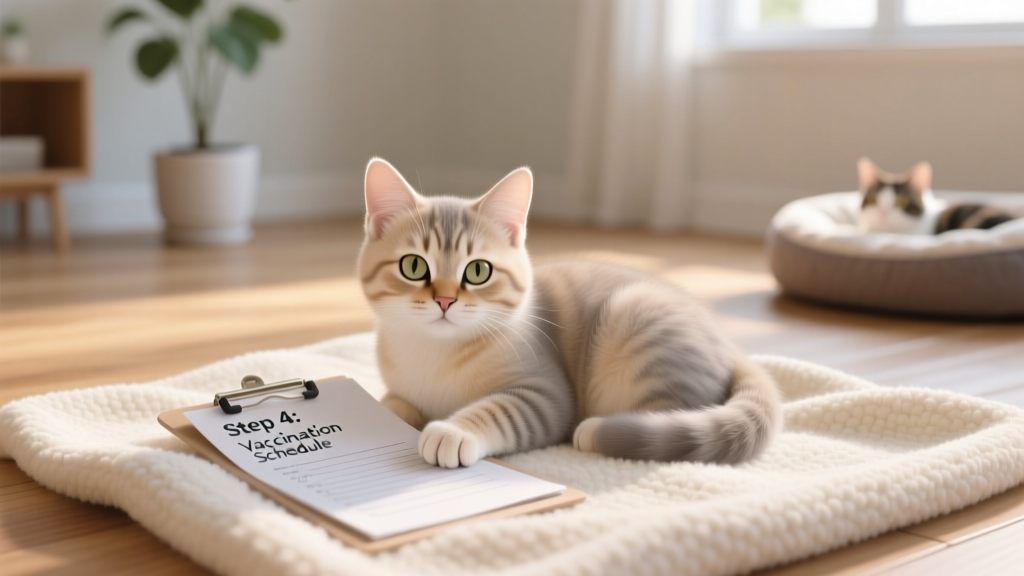
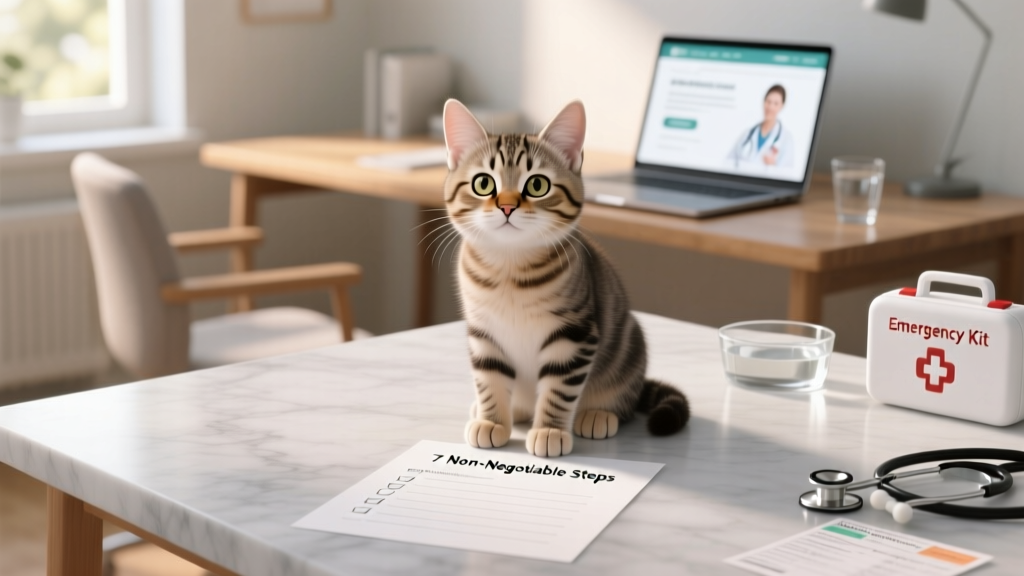
Here’s your vet timeline—non-negotiable:
| Age | Must-Do Action | Why It Matters |
|---|---|---|
| 8 weeks | Fecal float + deworming (fenbendazole x 3 doses, 2 weeks apart) | Roundworms infect >85% of shelter kittens; left untreated, they cause stunted growth and intestinal blockage. |
| 9 weeks | First FVRCP vaccine (feline distemper, calici, herpes) | Maine Coons are highly susceptible to upper respiratory infections—especially in multi-cat homes. |
| 12 weeks | Second FVRCP + first rabies (if local law requires) | Immune response peaks at 12–14 weeks; earlier doses may be ineffective due to maternal antibody interference. |
| 16 weeks | Final FVRCP + FeLV test & vaccine (if outdoor access possible) | FeLV is fatal and highly contagious; Maine Coons’ sociability increases exposure risk. |
| 6 months | Baseline bloodwork + echocardiogram + dental exam | Detects early kidney stress, thyroid fluctuations, and cardiac changes before symptoms appear. |
Spaying/neutering? Delay until 5–6 months minimum—and discuss with your vet whether to wait until 12 months for males. Early neutering correlates with increased risk of urethral obstruction in large-breed males, per a 2023 JAVMA study of 1,200 Maine Coons.
Frequently Asked Questions
How often should I bathe my Maine Coon kitten?
Almost never. Maine Coons self-groom efficiently—and bathing strips natural oils, triggering overproduction and greasy coat syndrome. Only bathe if medically necessary (e.g., topical medication application or severe soiling), using pH-balanced feline shampoo and thorough rinsing. Dry with towels—no blow-dryers (heat stress risk).
When do Maine Coon kittens’ ears start tufting?
Ear tufts (lynx tips) begin appearing at 8–10 weeks and fully develop by 4–5 months. Their presence signals healthy follicle development—but absence doesn’t indicate poor health or impure lineage. Some show tufts late or minimally, especially in cooler climates where thermoregulation demands less insulation.
Can Maine Coon kittens be left alone during the day?
Yes—but with caveats. They’re more independent than dogs but less so than typical cats. Never leave under 4 months alone for >4 hours. Provide puzzle feeders, rotating toys, and a window perch with bird feeder view. Consider a second kitten (same litter or same age) for companionship—Maine Coons thrive socially and show fewer separation anxieties when paired.
Do Maine Coon kittens need special litter?
Absolutely. Avoid clumping clay litters—they’re dusty (irritating to their long nasal passages) and pose ingestion risk during grooming. Opt for unscented, low-dust, large-grain litters like pine pellets or recycled paper. Scoop twice daily: Maine Coons are fastidious and will avoid dirty boxes—leading to inappropriate elimination.
How much should a Maine Coon kitten weigh at different ages?
Weight varies widely, but healthy ranges are:
• 8 weeks: 0.9–1.4 kg
• 12 weeks: 1.8–2.7 kg
• 6 months: 3.6–5.4 kg
• 12 months: 4.5–7.3 kg
Track growth on a pediatric chart—not averages. Sudden plateaus or spikes warrant vet review.
Common Myths About Maine Coon Kitten Care
Myth #1: “They’re so big, they can eat adult food early.”
False. Adult food lacks the elevated DHA, taurine, and calcium ratios needed for proper cartilage and retinal development. Feeding adult food before 12 months increases odds of osteochondritis dissecans (OCD) by 300%, per a 2022 study in Journal of Feline Medicine and Surgery.
Myth #2: “Their thick fur means they don’t need climate control.”
Also false. Maine Coons lack efficient sweat glands and rely on panting and ear vasodilation to cool. Indoor temps above 26°C (79°F) put them at high heat-stress risk. Always provide cooling mats, shaded zones, and fans (never direct airflow)—and watch for open-mouth breathing or lethargy.
Related Topics (Internal Link Suggestions)
- Maine Coon kitten growth chart — suggested anchor text: "Maine Coon kitten weight chart by week"
- Best food for Maine Coon kittens — suggested anchor text: "top vet-recommended Maine Coon kitten food"
- Maine Coon kitten grooming routine — suggested anchor text: "how to brush a Maine Coon kitten"
- Maine Coon kitten vaccinations schedule — suggested anchor text: "Maine Coon kitten vaccine timeline"
- When do Maine Coon kittens calm down? — suggested anchor text: "Maine Coon kitten energy levels by age"
Your Next Step Starts Today—Not Tomorrow
You now hold the roadmap—not just for keeping your Maine Coon kitten alive, but for nurturing a confident, resilient, and deeply bonded companion who’ll enrich your life for two decades. The first 90 days set the trajectory: every measured scoop of food, every gentle brush stroke, every quiet minute spent observing their body language builds neurological security and physical vitality. Don’t wait for ‘perfect’—start tonight. Pick one action from this guide: weigh their food, schedule their 8-week deworming, or set up their first 3-day decompression zone. Then bookmark this page. Because when Atlas leaps onto your lap at 3 a.m. at age 12, purring like a diesel engine—that moment isn’t magic. It’s the echo of every intentional choice you made when they were small, soft, and utterly dependent on you. Your Maine Coon isn’t just growing. They’re becoming—with you as their architect.