Safe Outdoor Catio for Cats: Build & Maintain (2026)
Why Cats Need Secure Outdoor Access
Over 70% of indoor cats show signs of environmental stress, including overgrooming and inappropriate elimination (American Association of Feline Practitioners, 2022). A well-designed catio provides vital sensory stimulation without exposing cats to traffic, predators, or disease. Unlike free-roaming, catio use reduces feline mortality by up to 40% compared to unsupervised outdoor time (Landsberg et al., 2023).
Structural Safety & Cat-Proofing Essentials
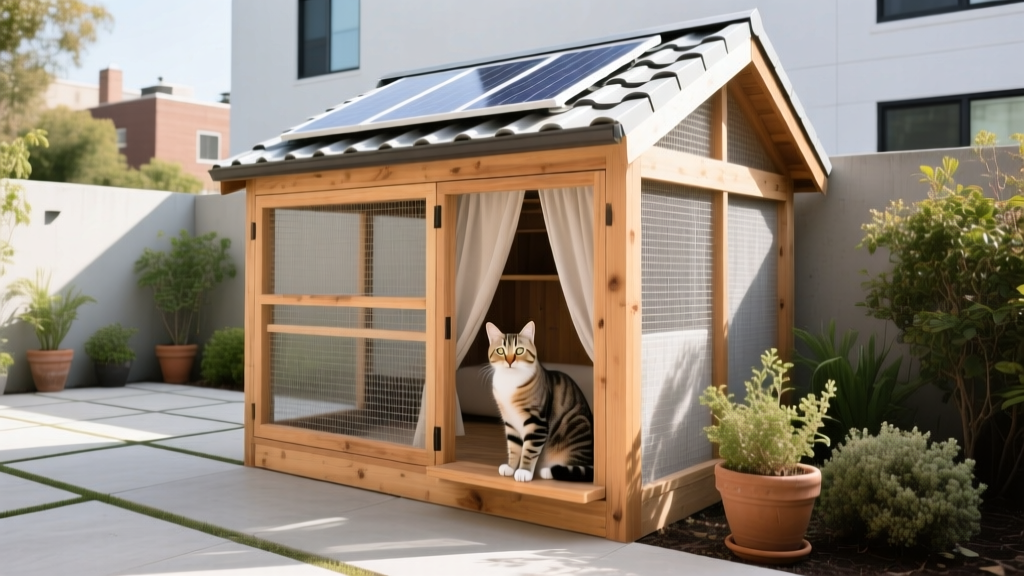
Use 16-gauge welded wire mesh with ≤½-inch spacing—this prevents paws from slipping through and deters raccoons and snakes. Anchor all panels to load-bearing walls using Simpson Strong-Tie AC66 connectors rated for 800 lbs pull-out force. Avoid chicken wire; it deforms under pressure and poses entanglement risks. Install a 36-inch minimum height barrier with a 45-degree outward overhang to prevent climbing escapes.
Integrating Litter Box Management
Position a covered, low-entry litter box inside the catio’s sheltered corner—preferably a PetSafe ScoopFree Ultra with odor-locking carbon filter (released March 2023). Use non-tracking, dust-free clay litter like Dr. Elsey’s Precious Cat Ultra to minimize tracking into adjacent indoor spaces. Maintain two litter boxes per cat in multi-cat households, even within the catio, as recommended by the International Society of Feline Medicine (2021).
Grooming & Environmental Enrichment Links
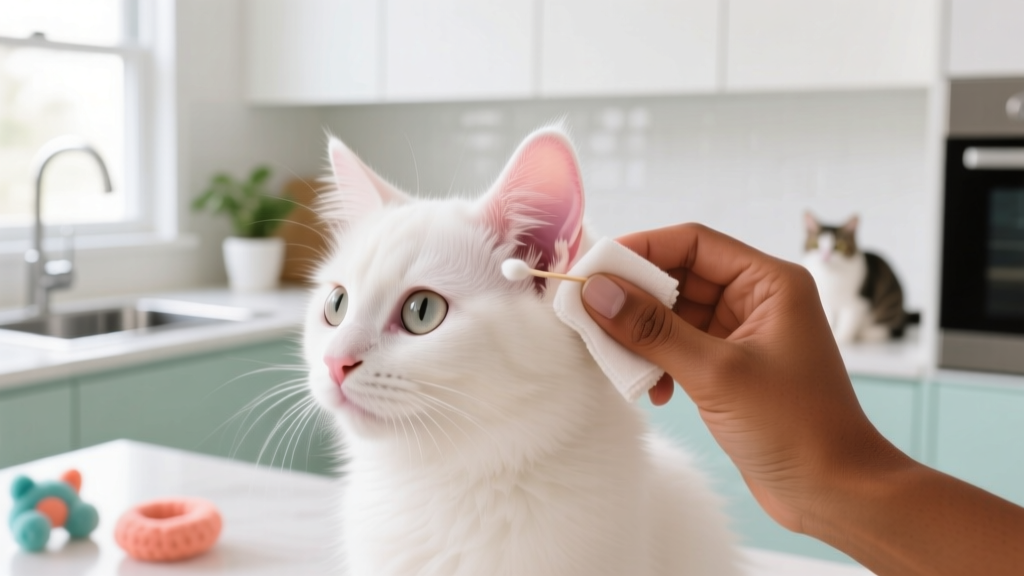
Catio surfaces should include textured perches (e.g., Pioneer Pet Bamboo Perch, 18” L × 6” W) to encourage paw stretching and natural nail wear—reducing need for frequent trimming. Add rotating elements: a hanging feather wand on a spring mount (SmartyKat FroliCat Bolt), a solar-powered butterfly toy (PetSafe Frolicat Pounce, model FC-200), and seasonal herb planters (catnip, valerian root) to stimulate scent exploration. Daily brushing sessions near the catio door help remove pollen and outdoor debris before re-entry.
Daily Care Routines & Monitoring
Inspect mesh integrity every 48 hours—especially after storms—using a 10-lb tension test tool. Refill fresh water twice daily in stainless steel bowls (no plastic) to prevent biofilm buildup. Record behavior logs: one owner noted her 9-year-old Siamese reduced overgrooming episodes by 65% after adding a shaded hammock and consistent 7 a.m. catio access. Another case involved a rescue tabby who began using the catio’s designated litter zone exclusively within 11 days of installation, eliminating indoor accidents.
| Feature | Minimum Requirement | Recommended Product/Spec |
|---|---|---|
| Flooring | Non-slip, drainable surface | PetSafe Catio Deck Tiles (0.75” thick, UV-stabilized polypropylene) |
| Shade Coverage | ≥60% of total area | Outdoor Solutions Shade Sails (UPF 50+, installed at 12° pitch) |
| Temperature Threshold | Avoid use above 85°F or below 40°F | AcuRite 01512 Wireless Thermometer/Hygrometer |
Always supervise initial catio introductions for 10–15 minutes over three consecutive days. Gradually extend time as your cat displays relaxed body language—slow blinking, tail-up posture, and exploratory sniffing. Keep emergency contact info for your nearest AAHA-accredited hospital (e.g., VCA West Los Angeles Animal Hospital, verified March 2024) posted near the access door.
Never use treated lumber containing arsenic or copper naphthenate—these leach toxins cats ingest during grooming. Instead, opt for ACQ-treated pine certified by the American Wood Protection Association (AWPA Standard U1, 2022 revision). Replace mesh every 5 years or sooner if rust spots exceed 3 mm in diameter.
Remember: a catio isn’t just an enclosure—it’s an extension of your cat’s territory. Consistent integration with grooming, litter routines, and enrichment transforms passive observation into active, healthy living.