Why Has My Cat's Behavior Changed? 7 Urgent But Often...
When Your Cat Stops Acting Like Themselves — It’s Never 'Just Acting Weird'
\nIf you’ve found yourself asking why has my cat's behavior changed, you’re not alone — and you shouldn’t ignore it. Cats are masters of disguise: they hide pain, anxiety, and illness with stoic silence. A sudden shift — whether it’s urinating outside the box, hissing at family members, sleeping 20 hours a day, or refusing favorite treats — isn’t ‘quirky’ or ‘moody.’ It’s often their only way of signaling that something is wrong. In fact, a 2023 study published in the Journal of Feline Medicine and Surgery found that 68% of cats exhibiting new behavioral issues had an underlying medical condition — and nearly half were diagnosed only after owners pushed for diagnostics beyond surface-level observation. This isn’t about training or discipline. It’s about listening — carefully, compassionately, and urgently.
\n\n1. The Hidden Health Crisis: When ‘Behavior Change’ Is Really Pain Talking
\nCats evolved to mask vulnerability — a survival instinct that makes them exceptionally poor communicators of discomfort. What looks like ‘grumpiness’ may be arthritis flaring in aging joints. What reads as ‘litter box avoidance’ could be painful urination from a urinary tract infection (UTI) or bladder stones. According to Dr. Sarah Wooten, DVM and veterinary consultant for the American Animal Hospital Association, “A cat who stops using the litter box isn’t being defiant — they’re associating pain with the box itself. That association can become permanent if the root cause isn’t addressed within days.”
\nCommon pain-related behavior shifts include:
\n- \n
- Reduced mobility: Hesitation jumping, reluctance to climb stairs, or stiffness when stretching \n
- Over-grooming: Licking one area obsessively (e.g., lower back, hips, or abdomen) — often where internal pain refers \n
- Vocalization changes: Increased yowling at night (especially in senior cats), or sudden silence where there was once chirping \n
- Aggression on handling: Flinching, growling, or biting when touched near the tail base, abdomen, or hind limbs \n
Pro tip: Run a gentle ‘pain scan’ at home. With clean hands, lightly stroke along your cat’s spine, press gently over hip joints and shoulder blades, and observe for flinching, tail flicking, or muscle tension. If you notice any reaction — even subtle — schedule a vet visit *within 48 hours*. Don’t wait for obvious limping or crying.
\n\n2. Environmental Stressors: The Invisible Triggers You Didn’t See Coming
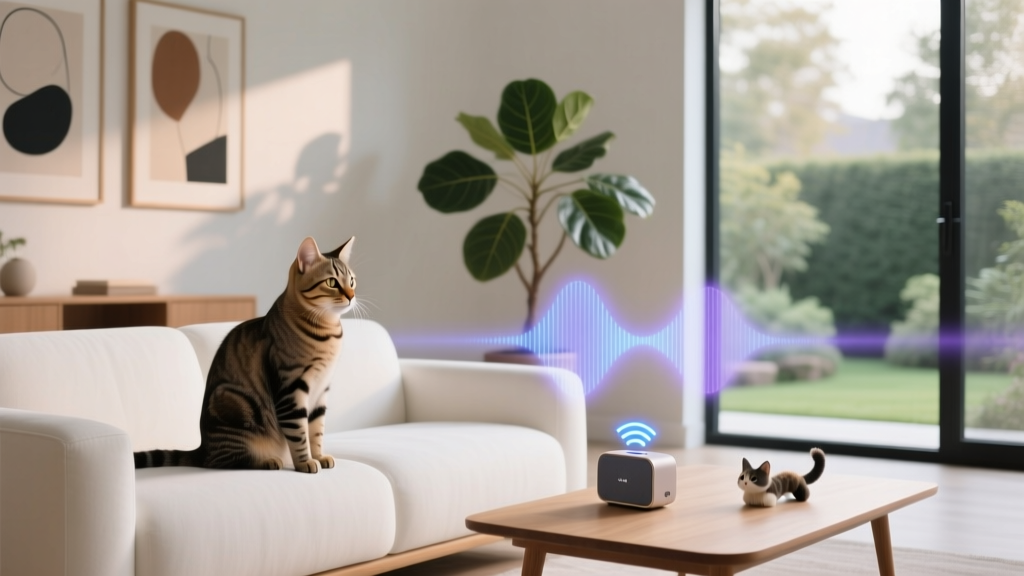
\nCats thrive on predictability. Even minor disruptions — a new air purifier’s hum, rearranged furniture, seasonal light shifts, or the lingering scent of a visitor’s dog — can spike cortisol levels and trigger lasting behavioral change. A landmark 2022 Cornell Feline Health Center study tracked 127 indoor cats over six months and found that 41% developed new stress-related behaviors following household changes *no human considered significant*: moving the food bowl 3 feet, switching laundry detergent, or installing smart-home devices emitting ultrasonic frequencies.
\nKey stress red flags:
\n- \n
- Vertical retreat: Suddenly sleeping only on top of cabinets or bookshelves — not for fun, but for surveillance and safety \n
- Piloerection without aggression: Fur standing up along the spine while otherwise calm — a sign of chronic low-grade anxiety \n
- ‘Ghosting’ behavior: Disappearing for 12+ hours daily, especially during high-activity times (e.g., kids returning from school) \n
- Redirected aggression: Sudden swatting at your hand after staring intently out the window at a squirrel or neighbor’s cat \n
Real-world case: Luna, a 5-year-old domestic shorthair, began urine-marking doorframes after her owner installed motion-sensor lights in the hallway. The lights activated unpredictably at night, startling her mid-sleep cycle. Once switched to manual switches and paired with a Feliway diffuser near her sleeping area, marking ceased in 11 days — no medication required.
\n\n3. Life Stage Shifts: What ‘Getting Older’ Really Means for Your Cat’s Mind & Body
\nBehavioral changes aren’t just about illness or stress — they’re also biological milestones. Senior cats (7+ years) experience measurable neurochemical and sensory shifts. Their hearing declines first (especially high-frequency sounds), vision blurs subtly, and olfactory receptors diminish — all impacting how they interpret their world. Cognitive dysfunction syndrome (CDS), similar to dementia in humans, affects an estimated 28% of cats aged 11–14 and 50% of those 15+. Yet fewer than 12% of affected cats receive diagnosis — largely because signs mimic ‘normal aging.’
\nEarly CDS indicators (per the Feline Cognitive Dysfunction Scale):
\n- \n
- Disorientation: Staring blankly at walls, getting ‘stuck’ in corners, or vocalizing confusedly at familiar doors \n
- Altered interaction: Seeking less affection *or* becoming clingier and more demanding of attention \n
- Sleep-wake cycle reversal: Restless pacing at 3 a.m., napping through breakfast time \n
- Litter box lapses: Not due to aversion — but forgetting location or purpose \n
Dr. Danielle Bernal, board-certified veterinary behaviorist, emphasizes: “CDS isn’t inevitable — and it’s not untreatable. Environmental enrichment, omega-3 supplementation (EPA/DHA), and low-dose selegiline (under strict veterinary guidance) can significantly slow progression. But timing matters: intervention before stage 2 yields 3x better outcomes.”
\n\n4. Social Dynamics & Relationship Shifts: When Your Cat Is Sending Diplomatic Notes
\nCats form complex, fluid social hierarchies — even in single-cat homes. Introducing a new pet, baby, or roommate doesn’t just add a person; it rewrites the entire relational contract. Your cat may withdraw not out of jealousy, but because their role as ‘primary companion’ feels destabilized. Likewise, changes in *your* routine — working from home full-time, recovering from illness, or grieving — alter the emotional ecosystem your cat depends on.
\nA telling example: Milo, a 3-year-old tuxedo, began scratching the bedroom door nightly after his owner started telecommuting. Video review revealed he scratched precisely when the owner stopped typing — not during calls or meetings. His behavior wasn’t demand-based; it was a bid for reconnection during previously ‘uninterrupted’ quiet time. Switching to scheduled 10-minute ‘Milo breaks’ (with play + treat) resolved it in under a week.
\nActionable relationship repair steps:
\n- \n
- Re-establish ritual anchors: Same-time feeding, brushing, and interactive play — non-negotiable, even on travel days \n
- Offer choice-based interaction: Let your cat initiate contact; reward with treats *only* when they approach voluntarily \n
- Use scent as bridge-building: Rub a soft cloth on your neck, then place it near their bed — your calming pheromones signal safety \n
- Monitor micro-expressions: Half-closed eyes = trust; flattened ears + dilated pupils = acute stress — pause and retreat \n
| Behavior Change | \nPossible Cause Window | \nUrgency Level | \nFirst Action Step | \n
|---|---|---|---|
| Urinating outside the box (new onset) | \n0–72 hours | \nCritical — Rule out UTI, cystitis, or blockage | \nCollect fresh urine sample (use non-absorbent litter or clean pan) and call vet today | \n
| Sudden aggression toward people/pets | \n0–5 days | \nHigh — Could indicate pain, fear, or neurological issue | \nDocument triggers (time, location, stimuli); avoid punishment; schedule vet exam + behavior consult | \n
| Excessive grooming leading to bald patches | \n3–14 days | \nModerate-High — May signal allergies, parasites, or anxiety | \nCheck skin for fleas, redness, or scabs; switch to hypoallergenic diet trial for 6 weeks | \n
| Increased vocalization (especially at night) | \n1–4 weeks | \nModerate — Common in seniors; rule out hypertension or hyperthyroidism | \nRequest blood panel + blood pressure test at next wellness visit | \n
| Withdrawing from family interaction | \n1–6 weeks | \nModerate — Often environmental or emotional, but screen for chronic pain | \nConduct ‘stress audit’: noise, odors, foot traffic, resource competition; add vertical space | \n
Frequently Asked Questions
\nCould my cat’s behavior change be caused by something I did — like changing their food or litter?
\nAbsolutely — and it’s more common than most owners realize. Cats have up to 470 functional taste receptors (humans have ~2,000, but cats’ are highly specialized for meat). A new kibble’s texture, fat coating, or even packaging static electricity can trigger aversion. Similarly, scented litters release volatile organic compounds (VOCs) that irritate sensitive nasal passages — causing avoidance or stress. In a 2021 University of Lincoln study, 63% of cats refused unscented clay litter after exposure to lavender-scented alternatives, even when returned to original substrate. Always transition food over 10+ days, and test new litter in a separate box for 2 weeks before retiring the old one.
\nMy cat is older — should I just accept behavior changes as ‘normal aging’?
\nNo — and this is a dangerous misconception. While some slowing occurs, true ‘senior quirks’ like disorientation, house-soiling, or nighttime yowling are *not* inevitable. They’re clinical signs requiring investigation. Hypertension, kidney disease, hyperthyroidism, and dental disease all present behaviorally first in older cats. A 2020 Journal of Veterinary Internal Medicine analysis showed that 89% of cats with newly diagnosed chronic kidney disease exhibited behavioral shifts (lethargy, decreased grooming, appetite fluctuations) 3–6 months before bloodwork flagged abnormalities. Early detection saves lives — and quality of life.
\nWill getting another cat fix my current cat’s loneliness or depression?
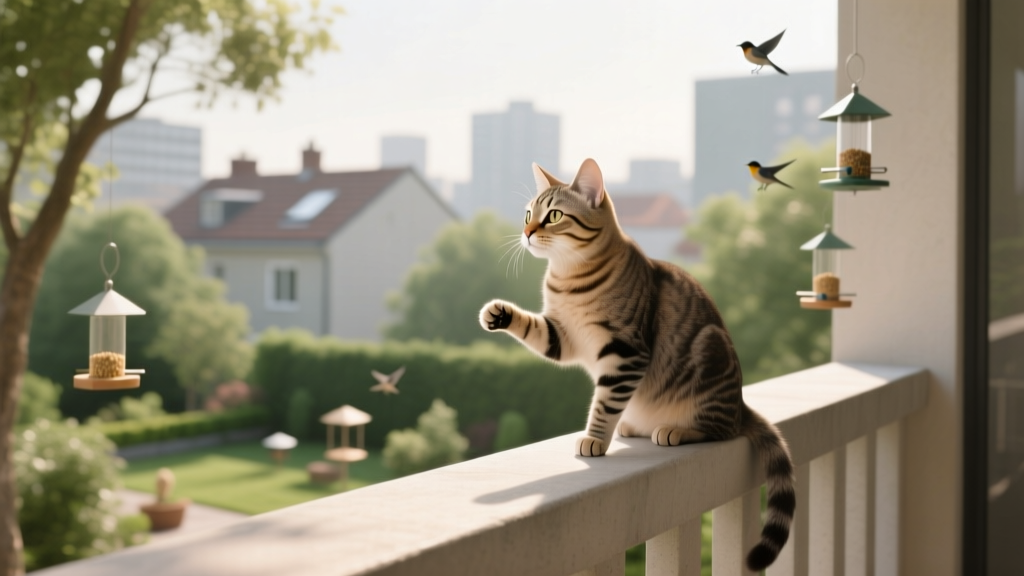
\nRarely — and often worsens things. Cats are facultatively social: they choose companionship, not require it. Introducing a second cat without proper, multi-week introduction protocols (separate spaces, scent swapping, visual-only exposure) carries a 70% risk of long-term inter-cat aggression, per the International Society of Feline Medicine. Instead, enrich your current cat’s world: rotate puzzle feeders weekly, install window perches with bird feeders outside, and use recorded bird calls at low volume for mental stimulation. One enriched environment beats two stressed cats.
\nHow long should I wait before seeing a vet if my cat’s behavior changed?
\nFor any *new*, *persistent*, or *worsening* behavior lasting >48 hours — call your vet immediately. For subtle shifts (e.g., slightly less playful, mild appetite dip), monitor closely for 3–5 days *while documenting specifics*: time of day, duration, triggers, and physical context. But never wait more than 72 hours for litter box avoidance, vocalization changes, or aggression — these are red-flag symptoms. As Dr. Wooten states: “Waiting ‘to see if it passes’ is the #1 delay in diagnosing treatable conditions. When in doubt, get it checked out — it’s always easier to rule out disease than reverse its progression.”
\nCan anxiety medications help — and are they safe for cats?
\nYes — when prescribed and monitored appropriately. FDA-approved options like fluoxetine (Reconcile®) and clomipramine (Clomicalm®) have robust safety data for feline anxiety and OCD-like behaviors (e.g., psychogenic alopecia). Off-label use of gabapentin for situational stress (vet visits, travel) is also well-established. Crucially, medication works *only* alongside environmental management — it’s not a standalone fix. Side effects (sedation, appetite changes) are typically mild and transient. Never use human anti-anxiety meds without veterinary guidance: acetaminophen is fatal to cats; benzodiazepines like alprazolam carry seizure risks.
\nCommon Myths About Cat Behavior Changes
\nMyth #1: “Cats don’t get depressed — they just don’t care.”
\nFalse. Cats exhibit neurobiological markers of depression: reduced dopamine and serotonin activity, altered sleep architecture, and loss of interest in previously rewarding activities (play, sunbathing, greeting). Veterinary behaviorists diagnose ‘feline affective disorder’ using validated behavioral assessments — and treat it with environmental intervention, enrichment, and sometimes SSRIs.
Myth #2: “If my cat is eating and using the litter box, they must be fine.”
\nDangerously misleading. A cat with early-stage kidney disease may eat voraciously while producing dilute, frequent urine — mimicking normal function. Likewise, a cat with osteoarthritis may still jump onto the counter… but avoid the lower step stool, or groom only half their body. Subtle shifts in *how* they perform baseline functions matter more than binary ‘yes/no’ checklists.
Related Topics (Internal Link Suggestions)
\n- \n
- Signs of Pain in Cats — suggested anchor text: "subtle signs your cat is in pain" \n
- Feline Cognitive Dysfunction — suggested anchor text: "is my senior cat developing dementia?" \n
- Stress-Free Cat Litter Box Setup — suggested anchor text: "how to fix litter box avoidance" \n
- Best Enrichment Toys for Indoor Cats — suggested anchor text: "indoor cat enrichment ideas" \n
- Veterinary Behaviorist vs. Trainer — suggested anchor text: "when to see a cat behavior specialist" \n
Conclusion & Next Step: Don’t Wait — Observe, Document, Act
\nWhen you ask why has my cat's behavior changed, you’re already doing the most important thing: paying attention. But attention must turn into action — quickly and deliberately. Start right now: grab your phone and open a notes app. Record *exactly* what changed, when it started, what happens before/after, and any physical details (appetite, litter output, energy level). Then, call your veterinarian — not tomorrow, not Monday: today. Ask for a ‘behavior-focused wellness exam’ that includes bloodwork, blood pressure, orthopedic assessment, and discussion of environmental factors. Most importantly: stop blaming your cat. Their behavior isn’t defiance — it’s data. And with your careful observation and professional support, that data becomes your roadmap to healing, understanding, and deeper connection. Your cat is counting on you to listen — not just with your ears, but with your curiosity, compassion, and courage to act.