Why Do Cats Behavior Change Vet Approved
When Your Cat Stops Acting Like Themselves — It’s Not Just ‘Being a Cat’
If you’ve ever whispered, ‘Why do cats behavior change vet approved?’ while watching your formerly affectionate tabby hide under the bed for three days, or your calm senior cat suddenly yowling at 3 a.m., you’re not overreacting — you’re noticing something vital. Cats are masters of camouflage; they suppress signs of distress until illness or emotional strain becomes severe. A 2023 study in the Journal of Feline Medicine and Surgery found that 68% of cats exhibiting new behavioral shifts had an underlying medical condition — yet fewer than 22% of owners sought veterinary evaluation within the first two weeks. This isn’t about ‘spoiled behavior’ — it’s your cat’s only way of saying, ‘Something is wrong.’ And when it comes to interpreting those signals, veterinary insight isn’t optional — it’s the critical first step.
1. Medical Causes: The Silent Drivers Behind Behavioral Shifts
Behavior is biology in motion. When a cat stops grooming, avoids the litter box, becomes aggressive during petting, or withdraws socially, it’s often a physiological cry for help — not defiance. Dr. Sarah Lin, DVM and Diplomate of the American College of Veterinary Behaviorists, emphasizes: ‘In my clinical practice, over half of “behavioral” cases referred for aggression or anxiety resolve completely once we treat undiagnosed osteoarthritis, dental disease, or hyperthyroidism. Cats don’t complain — they adapt. And adaptation looks like behavior change.’
Key conditions to rule out include:
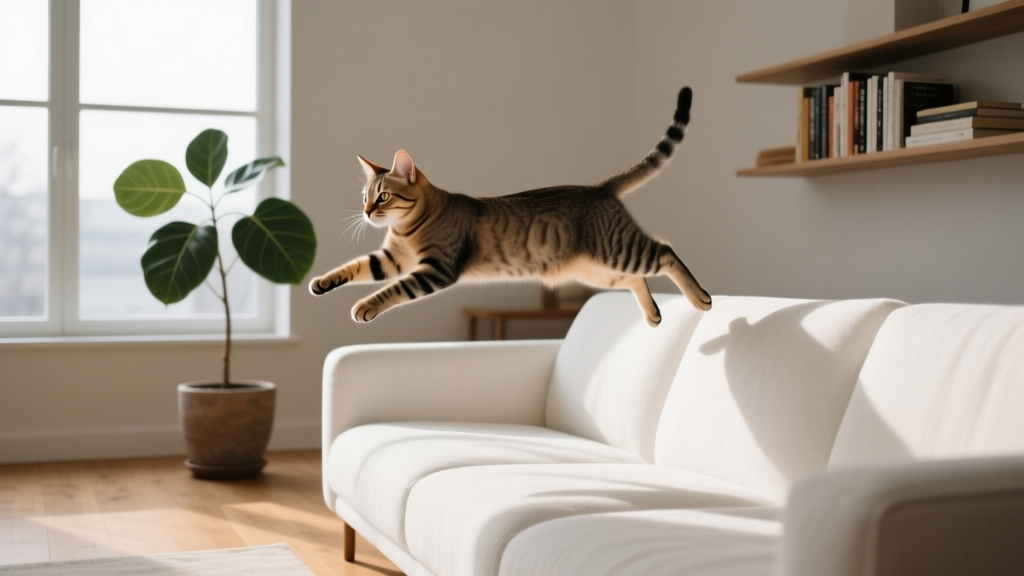
- Osteoarthritis: Affects up to 90% of cats over age 12 — but symptoms rarely include limping. Instead: reluctance to jump, decreased play, irritability when handled, or inappropriate elimination (due to difficulty posturing in the litter box).
- Dental disease: 70% of cats over age 3 have clinically significant periodontal issues. Pain may manifest as food avoidance, dropping kibble, head-shyness, or sudden hissing when touched near the mouth.
- Chronic kidney disease (CKD): Early stages cause nausea and lethargy — often misread as ‘grumpiness’ or ‘laziness.’ Increased vocalization, restlessness, or hiding may be the only clues.
- Hypertension (often secondary to CKD or hyperthyroidism): Can trigger disorientation, pacing, or apparent confusion — mistaken for ‘senility’ but fully treatable with medication.
Crucially: bloodwork and physical exam alone aren’t enough. A full feline-specific assessment includes orthopedic palpation, intraoral exam under gentle restraint, blood pressure measurement, and urinalysis — all part of what constitutes truly vet-approved evaluation for behavior change.
2. Environmental Stressors: The Invisible Triggers Your Cat Can’t Escape
Even with perfect health, cats live in a state of perpetual vigilance. Their nervous systems evolved for survival — not cohabitation with Wi-Fi routers, vacuum cleaners, or toddlers. According to Dr. Tony Buffington, Professor Emeritus at Ohio State University’s College of Veterinary Medicine and pioneer of the ‘stress-induced cystitis’ model, ‘Environmental enrichment isn’t luxury — it’s physiological necessity. When we deprive cats of control, predictability, or safe retreat, their stress hormones rise, directly altering neurotransmitter function and triggering observable behavior shifts.’
Real-world examples:
- A new baby or roommate alters scent landscapes and routine — causing urine marking (not ‘spite’) as a territorial reassurance strategy.
- Renovations or even repainting a single room introduce novel odors and vibrations that elevate cortisol for days — resulting in overgrooming or reduced appetite.
- Unseen outdoor threats — like a neighbor’s cat visible through a window — create chronic ‘predator stress,’ leading to redirected aggression toward household members or other pets.
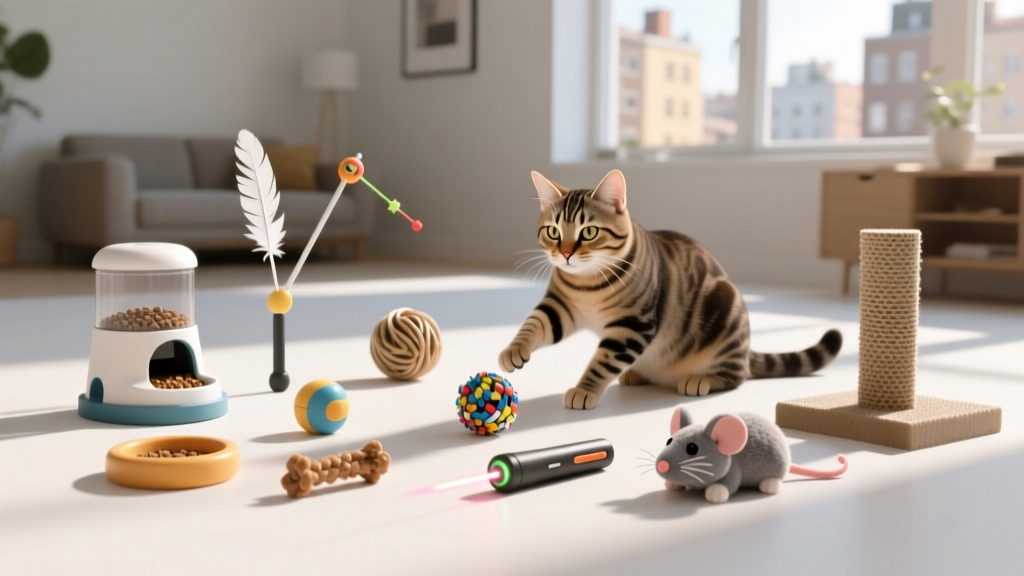
The solution isn’t ‘tough love’ — it’s environmental triage. Start with the Feline Five Pillars of a Healthy Environment (developed by the AAFP and ISFM): 1) Safe, quiet places to retreat; 2) Multiple, separated key resources (litter boxes, food, water, scratching); 3) Opportunity for play and predatory behavior; 4) Positive, consistent human interaction; 5) An environment that respects the cat’s sense of control.
3. Cognitive Decline & Neurological Shifts: It’s Not ‘Just Getting Old’
‘Senior moments’ in cats aren’t inevitable — but they are underdiagnosed. Feline Cognitive Dysfunction Syndrome (CDS) affects an estimated 28% of cats aged 11–14 and over 50% of those 15+. Yet most owners attribute night-wandering, disorientation, or altered sleep-wake cycles to ‘normal aging.’
What sets CDS apart from normal aging? The VISIT acronym (validated by the International Society of Feline Medicine) helps identify red flags:
- Vocalization (increased, especially at night)
- Interaction changes (withdrawal or clinginess)
- Sleep-wake cycle disruption
- Incontinence or house-soiling (in previously trained cats)
- Tdisorientation (staring into corners, getting stuck)
Importantly, CDS isn’t ‘just dementia.’ It’s linked to oxidative stress, beta-amyloid accumulation, and reduced cerebral blood flow — all potentially modifiable with antioxidant-rich diets (e.g., vitamin E, selenium), environmental enrichment, and in some cases, selegiline (an MAO-B inhibitor used off-label with strong vet supervision). Early intervention slows progression — but only if recognized as a medical condition, not a personality quirk.
4. The Human Factor: How Our Responses Reinforce — or Resolve — Behavior Change
We often unintentionally escalate the very behaviors we want to stop. Punishment-based corrections (spraying water, yelling, clapping) increase fear and erode trust — making anxiety-driven behaviors worse. Meanwhile, inconsistent routines (feeding times varying by hours, unpredictable play sessions) undermine a cat’s fundamental need for predictability.
Instead, adopt positive reinforcement + antecedent arrangement:
- Antecedent arrangement: Change the environment *before* the behavior occurs. If your cat scratches the sofa, place a sturdy, appealing scratcher *directly beside it*, sprinkle with catnip, and block sofa access temporarily. Don’t wait for the scratch — prevent the opportunity.
- Positive reinforcement: Reward the behavior you *want*. If your cat uses the litter box calmly, quietly drop a treat nearby *after* they exit — never while they’re inside (which could create aversion). For fearful cats, toss treats *away* from you to build positive associations without pressure.
And crucially: track patterns. Keep a simple log for 7–10 days noting time of day, location, triggers (e.g., doorbell rang, dog barked), behavior duration, and your response. Patterns emerge — and that data is gold for your veterinarian or a certified cat behavior consultant (IAABC or ACVB credentials recommended).
| Cause Category | Top 3 Clinical Signs | First-Line Diagnostic Steps (Vet-Approved) | Typical Timeline to Improvement With Intervention |
|---|---|---|---|
| Medical (e.g., arthritis, dental pain) | Reduced jumping, head-shyness, litter box avoidance | Full physical exam + orthopedic palpation, oral exam under sedation if needed, radiographs (if indicated), bloodwork & urinalysis | Days to 2 weeks (pain relief often rapid; mobility gains take 2–4 weeks) |
| Environmental Stress | Overgrooming, urine marking, hiding, decreased appetite | Structured owner interview (Feline Environmental Assessment), home video review, elimination of obvious stressors, trial of pheromone therapy (Feliway Optimum) | 2–6 weeks (requires consistency; relapse common if stressors return) |
| Cognitive Dysfunction (CDS) | Night vocalization, disorientation, altered sleep cycles | Ruling out medical mimics first, then CDS screening using VISIT checklist, blood pressure, MRI only if neurological signs suggest tumor/stroke | 4–12 weeks (slows progression; full reversal rare but quality-of-life gains significant) |
| Anxiety/Phobia (e.g., noise sensitivity) | Panting, trembling, freezing, escape attempts | Behavior history, exclusion of medical causes, sound sensitivity testing (gradual desensitization protocol), consideration of gabapentin or trazodone (off-label, vet-prescribed) | 6–16 weeks (desensitization is gradual but highly effective with fidelity) |
Frequently Asked Questions
Can a cat’s behavior change overnight — and is that an emergency?
Yes — and it often is. Sudden onset (<24–48 hours) of aggression, disorientation, seizures, vocalization, or collapse requires immediate veterinary attention. These can signal stroke, toxin exposure (e.g., lilies, NSAIDs), hypertensive crisis, or metabolic emergencies like hepatic encephalopathy. Don’t wait for ‘a pattern’ — call your vet or emergency clinic now.
My vet said ‘it’s just behavioral’ — should I get a second opinion?
Absolutely — especially if diagnostics were limited (e.g., only bloodwork without physical exam, no dental assessment, or no blood pressure check). Board-certified veterinary behaviorists (ACVB) or veterinarians with advanced feline medicine training (e.g., ABVP-Feline) are best equipped to differentiate medical vs. behavioral drivers. Ask: ‘What specific tests ruled out pain or neurologic disease?’ If the answer is vague, seek referral.
Will changing my cat’s diet fix behavior changes?
Diet alone rarely resolves behavior shifts — but nutrition plays a supporting role. Prescription diets for kidney disease or urinary health reduce discomfort that fuels stress. Omega-3s (EPA/DHA) and L-theanine may support calmness, but only alongside environmental and medical management. Never switch diets abruptly during behavior change — consult your vet first, as GI upset can worsen anxiety.
How long should I wait before taking my cat to the vet for behavior changes?
Within 72 hours for any new, persistent change lasting >48 hours — especially if accompanied by changes in appetite, litter box use, grooming, or activity level. For senior cats (>10 years), act within 24 hours. Delaying evaluation risks progression of treatable conditions and entrenchment of maladaptive coping behaviors.
Are there ‘natural’ remedies I can try before seeing a vet?
No — not instead of veterinary evaluation. While Feliway diffusers, calming collars (with caution — avoid if cat has skin sensitivities), or interactive play are valuable *adjuncts*, they do not replace diagnostics. Using them *while ignoring underlying pain or disease* delays care and increases suffering. Think of them as supportive tools — not diagnostic or therapeutic substitutes.
Common Myths About Cat Behavior Change
Myth #1: ‘Cats are aloof by nature — so behavior change is just their personality.’
Reality: Cats form deep, individualized bonds and exhibit consistent baseline behaviors. A shift from sociable to withdrawn, or playful to lethargic, is a deviation from *their* norm — not proof of ‘cat-ness.’ Consistency, not indifference, is the hallmark of feline well-being.
Myth #2: ‘If my cat is eating and using the litter box, they must be fine.’
Reality: Many cats with early-stage kidney disease, arthritis, or dental pain maintain appetite and elimination — while enduring significant discomfort that manifests as irritability, reduced interaction, or subtle avoidance behaviors. Relying solely on these two metrics misses 60%+ of clinically relevant changes.
Related Topics (Internal Link Suggestions)
- Feline Arthritis Signs and Treatment — suggested anchor text: "early signs of cat arthritis"
- How to Introduce a New Pet to Your Cat Safely — suggested anchor text: "introducing a new cat to your household"
- Best Litter Boxes for Senior Cats With Mobility Issues — suggested anchor text: "low-entry litter boxes for older cats"
- Understanding Cat Body Language: What Tail Flicks and Ear Positions Really Mean — suggested anchor text: "what does my cat’s tail position mean"
- Veterinary Behaviorist vs. Trainer: When to Choose Which — suggested anchor text: "certified cat behavior consultant near me"
Conclusion & Next Step
‘Why do cats behavior change vet approved’ isn’t a question about quirks — it’s a doorway to deeper understanding, compassion, and proactive care. Every shift — from a missed jump to a midnight howl — is data. Your observation is the first diagnostic tool. Now, take action: Schedule a comprehensive veterinary visit focused specifically on behavior change, request the full diagnostic workup outlined above (not just ‘a quick look’), and bring your 10-day behavior log. Don’t settle for ‘it’s just age’ or ‘they’ll grow out of it.’ With vet-approved insight, most behavior changes are manageable, reversible, or significantly improved — restoring not just peace in your home, but dignity and comfort in your cat’s life.