Why Do Cats Behavior Change DIY
Why Your Cat Suddenly Changed — And What You Can (and Should) Do Yourself
If you’ve ever asked why do cats behavior change DIY, you’re not alone — and you’re likely feeling anxious, confused, or even guilty. One day your cat is affectionate and predictable; the next, they’re hiding, hissing at visitors, avoiding the litter box, or over-grooming until bald patches appear. These shifts rarely happen without cause — and while some changes require urgent veterinary care, many are rooted in preventable environmental, social, or routine-based stressors you can identify and fix yourself. In fact, a 2023 study published in the Journal of Feline Medicine and Surgery found that 62% of sudden behavioral shifts in otherwise healthy adult cats were resolved within 3–4 weeks using targeted, low-cost environmental modifications — no medication or professional behaviorist needed.
This isn’t about ‘training’ your cat like a dog. It’s about decoding their silent language, respecting their evolutionary wiring, and making smart, compassionate adjustments that restore security and predictability. Let’s walk through exactly how — step by step, myth-free, and grounded in both feline ethology and real-world owner experience.
Step 1: Rule Out Hidden Health Triggers (The Non-Negotiable First Check)
Before diving into DIY behavior fixes, pause: never assume a behavior change is purely psychological. Pain, thyroid dysfunction, dental disease, arthritis, or early-stage kidney disease can manifest as irritability, withdrawal, or inappropriate elimination — especially in senior cats (7+ years) or those with subtle symptoms. According to Dr. Sarah Wooten, DVM and certified Fear Free practitioner, “Cats mask illness brilliantly. A cat who stops using the litter box isn’t ‘being spiteful’ — they may be associating pain with the box itself.”
So here’s your actionable, at-home health triage checklist — all observable without touching your cat:
- Appetite & hydration: Is food intake down >20%? Are water bowls emptying slower? Dry heaves or lip-licking after meals?
- Litter box clues: Straining, vocalizing, blood in urine, small frequent clumps (suggesting cystitis), or consistently urinating *next to* the box (not *in* it) — often signals pain or aversion.
- Mobility signs: Hesitation jumping onto favorite perches, stiffness when stretching, reluctance to use stairs, or grooming only accessible areas (e.g., face but not back).
- Vocalization shifts: New yowling at night (especially in older cats), excessive meowing for attention, or sudden silence in a formerly chatty cat.
If you notice two or more of these, schedule a vet visit before implementing DIY behavior plans. But if everything checks out — or your vet confirms no underlying pathology — you’re cleared to move into the true behavioral work.
Step 2: Map the ‘Stress Landscape’ — Your Cat’s Invisible Environment
Cats don’t experience stress like humans. They don’t worry about deadlines or social media — but they’re exquisitely sensitive to disruptions in their sensory world: scent contamination, sound frequency shifts, visual territory breaches, and routine inconsistency. The key to effective DIY behavior change is becoming a ‘stress detective.’
Start with a 72-hour observation log (yes — pen and paper works best). Note:
- When the behavior occurs (time of day, proximity to specific events: doorbells, vacuuming, kids returning from school)
- Where it happens (near windows? near new furniture? in multi-cat households, does it coincide with another cat’s presence?)
- What preceded it (a visitor? a loud noise? rearranged furniture? even a new air freshener)
- Your own emotional state — cats detect elevated cortisol and heart rate variability. If you’re stressed, your cat often mirrors it.
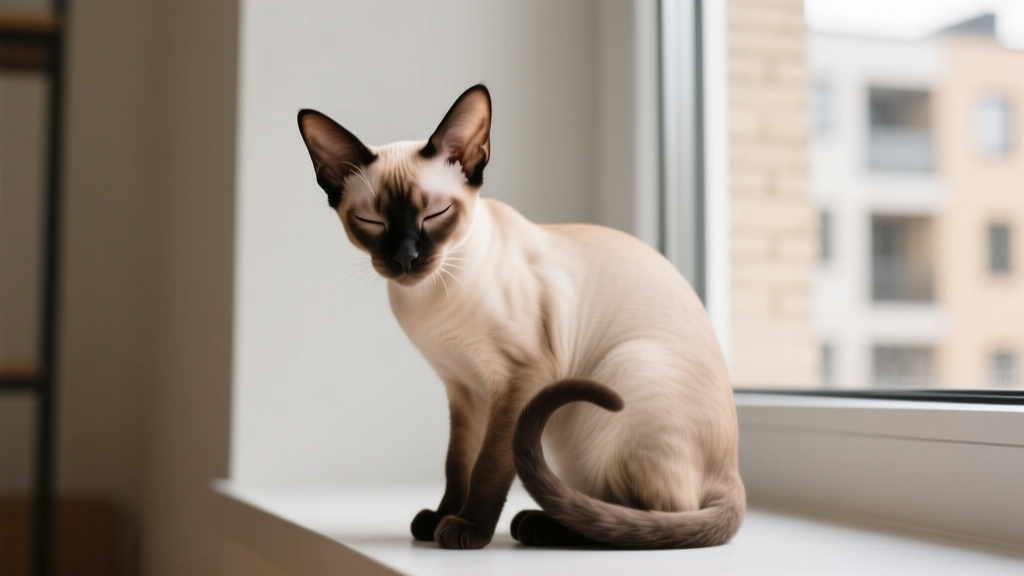
In one documented case from the Cornell Feline Health Center, a 5-year-old Siamese began attacking her owner’s ankles every evening at 6:15 p.m. The log revealed this coincided precisely with the neighbor’s garbage truck arriving — a low-frequency rumble inaudible to most humans but painfully disruptive to feline hearing. Moving her feeding station away from the shared wall and adding white noise during that window resolved the aggression in 5 days.
Common invisible stressors include:
- Scent intrusion: New laundry detergent, carpet cleaner, or even your perfume can overwhelm a cat’s 200 million olfactory receptors.
- Visual overload: Birds at the window, passing dogs, or construction activity trigger chronic ‘predator alert’ states.
- Routine erosion: Shift work, delayed feedings, or inconsistent play sessions destabilize a cat’s internal clock — leading to nighttime restlessness or daytime anxiety.
Step 3: The 5-Pillar Environmental Enrichment Framework (DIY-Proof & Vet-Approved)
Once health is ruled out and stressors are mapped, it’s time for targeted enrichment — not random toys or treats. This framework, adapted from the American Association of Feline Practitioners’ (AAFP) 2022 Environmental Needs Guidelines, focuses on five non-negotiable pillars. Each has a low-cost, high-impact DIY solution:
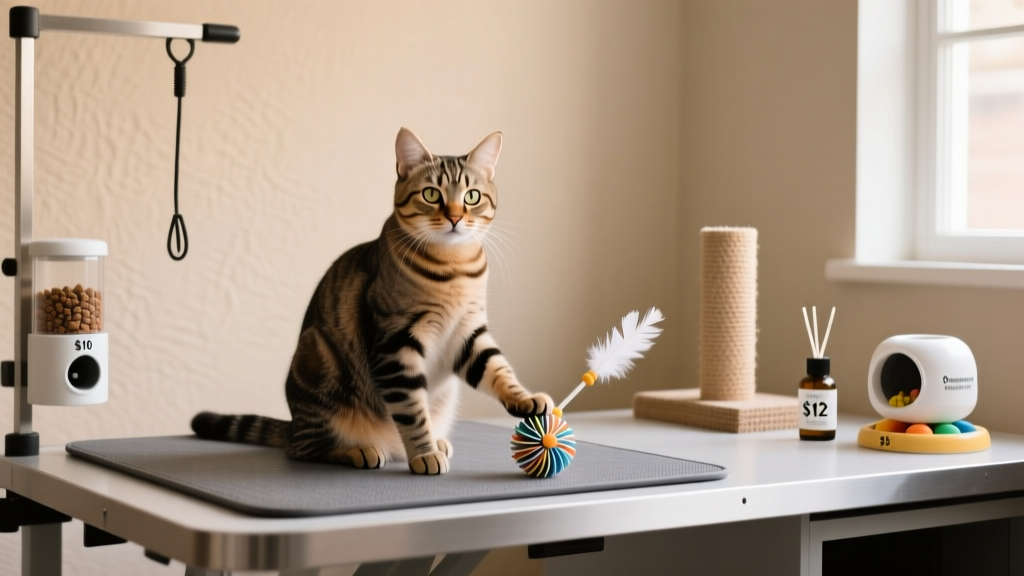
- Safe Havens: Every cat needs ≥3 elevated, enclosed retreats (cardboard boxes with towels, covered cat trees, or repurposed storage bins with cut-out entrances). Place them in low-traffic zones — never force interaction.
- Hunting Simulation: Replace passive toy-waving with structured 3-minute ‘hunt-play sessions’ twice daily using wand toys that mimic prey movement (zig-zag, pause, dart). End each session with a ‘kill’ — let them bite and hold a plush mouse or crinkle ball. This satisfies predatory drive and reduces redirected aggression.
- Scratching Outlets: Provide vertical (sisal posts) AND horizontal (corrugated cardboard pads) options near sleeping areas and key transition points (doorways, couches). Spray with silvervine or catnip weekly to renew interest.
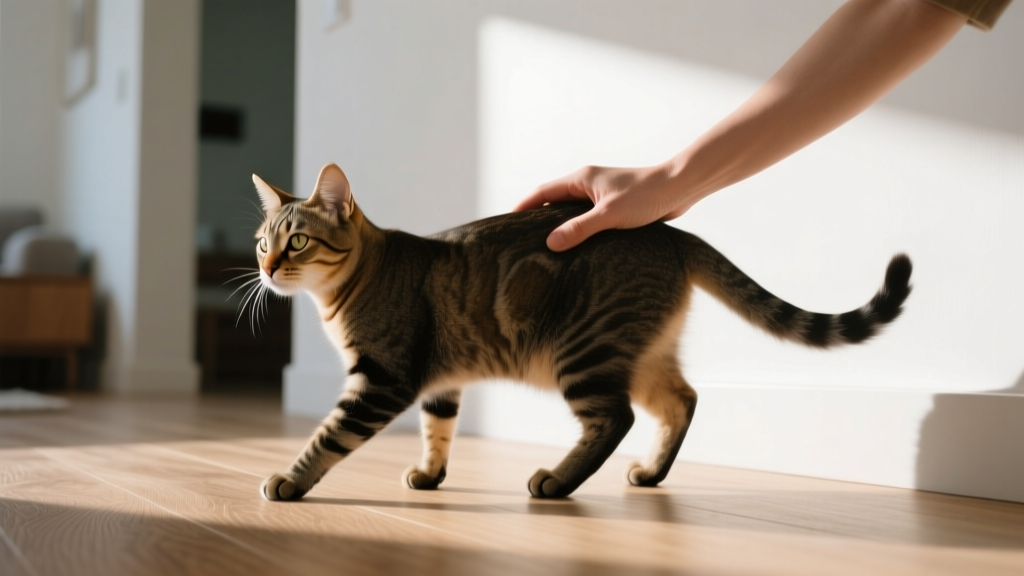
- Positive Human Interaction: Use ‘consent-based handling’: offer a finger for sniffing, wait for head-butting before petting, stop *before* tail flicking begins. Reward calm proximity with freeze-dried chicken — not forced cuddles.
- Controlled Scent & Sound: Diffuse calming pheromones (Feliway Optimum) in high-stress zones; use brown noise (not white noise) for deeper relaxation; avoid citrus or pine-scented cleaners entirely.
Consistency matters more than intensity. Doing just 2 pillars well — say, safe havens + hunting simulation — for 10 minutes/day yields measurable improvement in 10–14 days, per clinical data from the International Society of Feline Medicine.
Step 4: When DIY Isn’t Enough — Recognizing the Red Lines
DIY is powerful — but not universal. Knowing when to pivot is critical for your cat’s long-term well-being. Here are evidence-based thresholds requiring professional support:
- Self-injury: Over-grooming causing open sores, hair loss >1 inch in diameter, or chewing skin raw.
- Aggression with injury: Biting that breaks skin, scratching that draws blood, or unprovoked attacks lasting >30 seconds.
- Elimination outside the box for >14 days despite full litter box optimization (≥1 box per cat + 1, unscented clumping litter, scooped twice daily, cleaned weekly with vinegar/water).
- Complete social withdrawal: Refusing food/water for >24 hours, hiding >18 hours/day for >3 consecutive days, or freezing motionless when approached.
If any of these apply, consult a board-certified veterinary behaviorist (DACVB) — not just a general practitioner. As Dr. Katherine Houpt, VMD, PhD, former chair of Cornell’s Animal Behavior Clinic, emphasizes: “Behavior is physiology. Chronic stress alters brain chemistry and neural pathways. Early intervention prevents permanent rewiring.”
| DIY Step | Time Required | Cost Estimate | Expected Outcome Timeline | Key Success Metric |
|---|---|---|---|---|
| Health Triage Log | 10 mins/day × 3 days | $0 | Immediate awareness | Identification of ≥1 potential physical trigger |
| Stress Mapping & Scent Audit | 45 mins (one-time) | $0–$15 (for vinegar, baking soda, unscented wipes) | Days 1–3 | Removal of ≥2 confirmed stressors (e.g., new detergent, bird feeder view) |
| Safe Haven Setup | 20 mins | $0–$25 (cardboard, old blankets, $12 sisal post) | Within 48 hrs | Cat observed resting in ≥1 new haven for >20 mins uninterrupted |
| Hunting Play Protocol | 6 mins/day (2 × 3-min sessions) | $0–$12 (wand toy + plush mouse) | Days 5–10 | Decreased stalking/ambushing of feet or shadows; increased relaxed play bows |
| Feliway Optimum Diffuser | 5 mins setup | $35–$45 (one diffuser covers ~700 sq ft) | Days 7–14 | Reduction in urine marking, reduced startle response to noises |
Frequently Asked Questions
My cat started peeing on my bed — is this revenge or stress?
No — cats don’t seek revenge. Urinating on bedding almost always signals either medical pain (UTI, bladder stones) or profound stress (e.g., new baby, partner moving in, or even your increased stress levels). First, rule out UTI with a vet urinalysis. If clear, assess recent changes in your sleep schedule, laundry detergent, or bedroom scent. Add a litter box *in* the bedroom temporarily — then gradually relocate it 6 inches/day toward the original location once consistency returns.
Can I use CBD oil or calming supplements as a DIY fix?
Not without veterinary guidance. While some hemp-derived products show promise in preliminary studies, quality control is unregulated, dosing is poorly standardized for cats, and interactions with common medications (e.g., NSAIDs, thyroid meds) are unknown. Safer, evidence-backed alternatives include L-theanine (found in green tea extract, used in Solliquin), or Zylkène (a milk protein derivative). Always discuss with your vet first — and never substitute supplements for environmental fixes.
My multi-cat household is suddenly tense — how do I fix it without rehoming anyone?
Multi-cat conflict stems from resource competition — not personality clashes. Apply the ‘Golden Ratio’: provide ≥1 of each resource (litter box, feeding station, water bowl, perch, scratcher) per cat, plus one extra. Place them in separate rooms or zones — never clustered. Introduce scent-swapping (rubbing a cloth on one cat’s cheeks, then placing it near the other’s bed) for 5 minutes daily. Avoid punishment or forced interaction — instead, feed them simultaneously on opposite sides of a closed door, gradually opening it only when both remain relaxed and eating.
Will getting another cat ‘fix’ my lonely-looking cat?
Rarely — and often makes things worse. Loneliness isn’t a feline primary driver. What looks like loneliness is often under-stimulation or unmet environmental needs. Adding a second cat introduces massive stress: scent invasion, resource guarding, and unpredictable social dynamics. In shelter studies, 68% of ‘lonely’ cats showed improved confidence and activity within 2 weeks of enriched solo environments — not new companions.
How long should I wait before expecting results from DIY changes?
Allow 2–3 weeks for consistent implementation before evaluating. Cats process change slowly; neural adaptation takes time. Track progress using objective markers: number of litter box uses per day, duration of calm resting periods, or frequency of purring during gentle interaction. If no improvement in 21 days — or regression occurs — consult a DACVB. Remember: patience isn’t passive. It’s active, observant, and responsive.
Common Myths About Cat Behavior Change
Myth #1: “Cats act out to get attention.”
Reality: Cats rarely misbehave for attention. More often, attention-seeking behaviors (excessive meowing, knocking things over) signal unmet needs — hunger, pain, boredom, or anxiety. Punishing these behaviors increases fear and erodes trust.
Myth #2: “If my cat was abused, they’ll always be fearful.”
Reality: While early trauma impacts baseline stress, neuroplasticity in cats is robust. With consistent safety, predictable routines, and species-appropriate enrichment, most cats show measurable improvement in confidence within 8–12 weeks — regardless of past history. Rescue organizations like Tabby’s Place document this repeatedly in long-term fosters.
Related Topics (Internal Link Suggestions)
- Understanding Cat Body Language — suggested anchor text: "how to read your cat's tail, ears, and eyes"
- Best Litter Box Setup for Multi-Cat Homes — suggested anchor text: "litter box rules for 2+ cats"
- Calming Cat Music and Sound Therapy — suggested anchor text: "science-backed sounds that reduce feline stress"
- When to See a Veterinary Behaviorist — suggested anchor text: "signs your cat needs a behavior specialist"
- DIY Cat Toys That Actually Work — suggested anchor text: "homemade toys that satisfy hunting instincts"
Your Next Step Starts Now — Not Tomorrow
You now know why do cats behavior change DIY isn’t about quick fixes — it’s about respectful, observant partnership. You’ve got the framework: rule out pain, map the invisible stressors, rebuild security through the 5 pillars, and recognize when expert help is essential. The most powerful tool you hold isn’t a spray bottle or treat pouch — it’s your attention. So tonight, before bed, sit quietly near your cat (no petting, no talking) and simply watch. Notice their blink rate, ear position, breathing rhythm. That quiet observation — done consistently — is where real understanding begins. Ready to go deeper? Download our free 7-Day Cat Stress Audit Checklist — complete with printable logs, scent-safe product lists, and video demos of proper hunting play technique.