Why Cats Sit on Your Lap Only When You're Busy
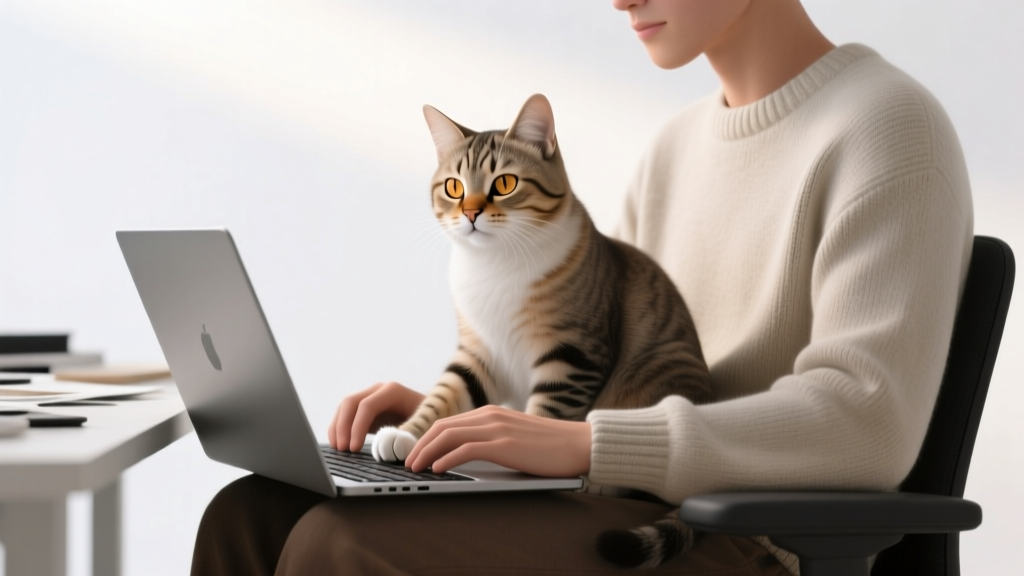
You finally sit down with your laptop to answer emails. Or you open a book you’ve been trying to finish for three weeks. Or you’re on a video call where your boss can see your face in HD. And that’s when it happens: your cat appears from nowhere like a fuzzy ninja, steps directly onto the keyboard, performs three slow circles, and settles onto your lap with the smug satisfaction of someone who has just “fixed” your priorities.
Five minutes earlier, when you were lounging on the couch and actively hoping for cuddles? Nothing. Your lap was apparently unacceptable real estate. But the moment you’re busy—truly, obviously busy—your cat decides you’re the best chair in the house.
If you’ve ever wondered whether this is a coincidence, a conspiracy, or a tiny act of emotional blackmail… you’re in good company. Cats don’t do things “just because” as often as we think. There’s usually a neat mix of instinct, learning, and cat logic behind it.
The science-y (but still cat-friendly) explanation
At the most basic level, your lap is:
- Warm (cats are heat seekers)
- Soft (better than the floor, comparable to a bed)
- Elevated (safer vantage point than ground level)
- Social (you are a trusted, familiar “group member”)
But why only when you’re busy? That’s where behavior science gets interesting.
1) Predictability feels safe. Cats are both predators and prey in evolutionary terms. They love control and routine. When you’re busy—typing, reading, sitting still—you become predictable. Your movements are smaller and more consistent. From a cat’s perspective, you’re less likely to suddenly jump up, squeal, or chase them with a nail clipper.
2) Attention is a resource. Cats learn what works. If your cat has discovered that sitting on your lap reliably earns petting, talking, eye contact, or even “Nooo, not now!” (still attention), that behavior gets reinforced. And the best time to test a successful strategy? When your attention is obviously elsewhere.
3) Scent mixing is social bonding. Cats use scent the way we use social media: to keep track of relationships. When your cat sits on you—especially on your lap while you’re engaged with an object (laptop, book, phone)—they’re essentially planting their “family scent” on the scene. You smell like them; they smell like you. It’s cozy… and a little territorial.
4) Cats are opportunists with impeccable timing. If you’re busy, you’re likely to be stationary longer. That’s prime lap-sitting territory. A lap is only useful if it stays put.
Different contexts, different cat motives
The lap-sit-while-busy phenomenon can look similar on the outside, but the motivation can vary. Here are some common scenarios cat owners recognize instantly:
You open your laptop… and your cat sits directly on it
This isn’t always spite. Laptops are warm, slightly elevated, and they hold your hands’ attention. Your cat may be thinking: “That thing is important to you. I should be on it.” Some cats also prefer the firm surface of a laptop over a shifting lap—so they choose both.
Common cat goal: Warmth + attention redirection + scent marking (your hands touch the keyboard constantly, which is basically a scent billboard).
You’re on a phone call or video meeting… and your cat suddenly needs you
Your voice changes during calls. You may sound animated, laugh, or talk in that “human-to-human” tone that cats don’t hear as often. Some cats interpret this as social energy that they want to be part of—or they may be mildly stressed by the unfamiliar vocal pattern and come closer for reassurance.
Common cat goal: Social inclusion + reassurance + controlling the vibe (a lap cat is a calm cat… usually).
You sit down to eat… and your cat claims your lap
Food is a high-value moment. Even if your cat doesn’t beg, your attention shifts toward the meal, and your body posture changes. Some cats seek lap contact because it’s a reliable way to be “in the action” without getting shooed off the table.
Common cat goal: Proximity to resources + gentle opportunism.
You’re reading a book… and your cat sits on your lap and stares at the pages
Books are quiet, stable, and involve long periods of stillness. Also, your hands pause frequently, creating perfect petting opportunities. If your cat has learned that reading means you’ll absentmindedly stroke them, your lap becomes the best seat in the house.
Common cat goal: Comfort + low-effort affection.
You’re stressed or focused… and your cat appears like a tiny therapist
Many cats are sensitive to changes in human routine, posture, breathing, and tone. If your cat has bonded strongly with you, they may be drawn to you when you’re tense. Sometimes it’s affection. Sometimes it’s self-soothing: your presence calms them, so they seek it when the household energy shifts.
Common cat goal: Co-regulation (shared calm) + bonding.
What it says about your cat’s mood and feelings
Lap sitting is usually a sign of comfort and trust, but the emotional “flavor” can differ. Here’s how to interpret it:
- Slow blinking, soft body, paws tucked: Relaxed affection. Your cat feels safe and content.
- Kneading: A self-soothing, comfort behavior linked to kittenhood. Often means “this is my happy place.”
- Head-butting or cheek rubbing before sitting: Social bonding and scent marking. You’re officially part of their inner circle.
- Tail flicking, ears swiveling, body tense: They want closeness but may be overstimulated or uncertain. Pet gently—or not at all.
- Sits down hard, blocks your hands, stares intensely: This can be attention-seeking with a side of “stop that and look at me.”
- Sudden lap obsession that’s new for your cat: Could be emotional need, environmental stress, or (sometimes) discomfort.
Related behaviors you might also notice
Lap sitting during “busy time” often comes bundled with other classic cat moves:
- Keyboard walking: Maximum interruption with minimum effort.
- Parking on your chest when you lie down: Warmth + heartbeat + prime snuggle location.
- Sitting on your paperwork: The mysterious feline urge to occupy rectangles that matter to you.
- “Helpfully” biting your pen or grabbing your hand: Redirecting your attention from object to cat.
- Meowing only when you’re on a call: Because your voice suggests “now is social time.”
- Following you and flopping in your path: A dramatic request for interaction (or a strategic trip hazard).
When it’s normal… and when it might be a concern
Normal: Your cat chooses your lap when you’re still, seems relaxed, and otherwise behaves normally—eating, playing, using the litter box, and sleeping like a champion.
Worth a closer look:
- Sudden clinginess in a previously independent cat
- Restlessness on your lap (can’t settle, keeps repositioning)
- Increased vocalizing alongside lap-sitting
- Changes in appetite, grooming, litter box habits
- Signs of pain (hiding, irritability, reluctance to jump, sensitivity to touch)
Clinginess can be triggered by stress (new pet, move, schedule change) or medical issues (pain, thyroid changes, cognitive changes in seniors). If lap obsession appears out of nowhere and you notice any other changes, it’s a good idea to check in with your veterinarian.
How to respond (without accidentally creating a tiny lap dictator)
If you love the cuddles, you can absolutely enjoy them—just with a little strategy so your cat doesn’t feel like they need to ambush you every time you’re busy.
1) Offer proactive “lap appointments”
Give your cat a predictable daily cuddle window: five minutes after breakfast, or a lap session before you start work. Cats thrive on routines, and predictability reduces attention-demanding interruptions.
2) Create a “nearby” alternative
Place a bed, folded blanket, or heated pad next to your workspace. Many cats don’t require your lap specifically—they want proximity. Reward your cat for choosing the nearby spot with calm praise or a treat.
3) Reinforce the behavior you prefer
If your cat jumps onto your lap while you’re busy and you don’t want it at that moment, try not to give a big reaction. Gently stand up or guide them to their bed. Then, when they settle in the approved spot, reward that choice. Cats learn patterns quickly—especially when snacks are involved.
4) Use environmental enrichment to meet social needs
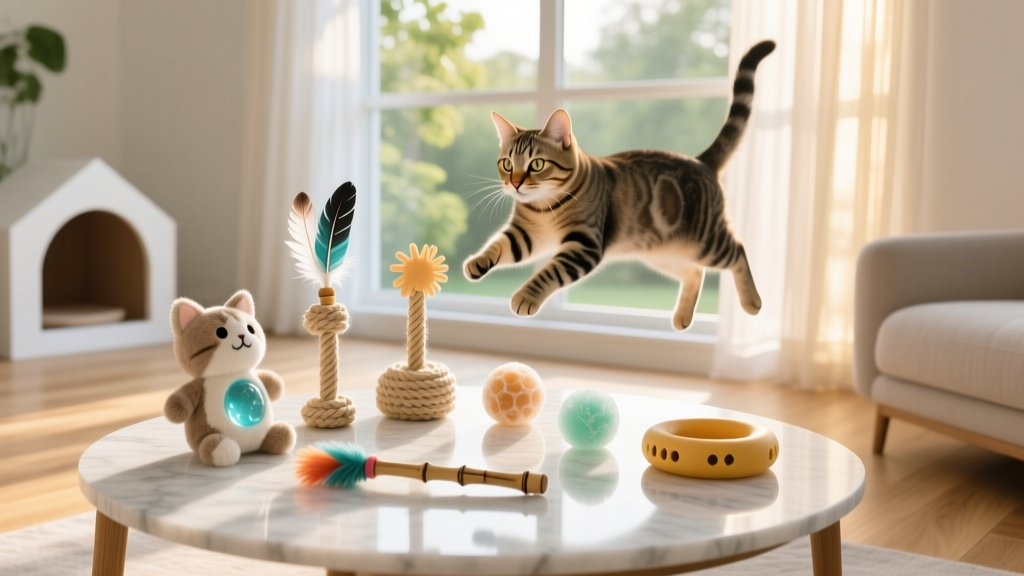
Some lap-demanding cats are simply under-stimulated. Add short play sessions (wand toy, chase games) and puzzle feeders. A cat who has had a good “hunt” is more likely to nap peacefully rather than manage your schedule.
5) Respect the cat’s version of consent
If your cat sits on your lap but tenses when you pet them, let them just sit. Many cats prefer contact without being touched—think of it as parallel play, feline edition.
Fun facts and research-flavored tidbits
- Cats are thermoregulators with strong heat preferences. Many cats seek warmer spots than humans do, which helps explain why your lap is suddenly irresistible when you’re sitting still (and your laptop is running hot).
- Scent matters more than we realize. Cats have scent glands on their cheeks, paws, and flanks. When they knead or rub, they’re not only being cute—they’re leaving a familiar “this is safe” signature.
- Attention can reinforce behavior even when it sounds like scolding. If your cat repeatedly interrupts your work and you respond with talking, eye contact, or petting to move them, that interaction may still be rewarding from the cat’s perspective.
- Cats prefer stable surfaces. If your lap is wiggly (because you’re shifting, swiveling, or typing intensely), your cat may choose the keyboard, desk, or book instead—still close to you, but steadier.
FAQ: Common questions cat owners ask
Is my cat doing this to annoy me?
Usually no. Cats aren’t big on revenge plots. It’s more often comfort-seeking, attention-seeking, or a learned habit that reliably gets a response.
Why doesn’t my cat sit on my lap when I invite them?
Cats prefer choice and timing. When you’re relaxed and calling them over, they may be exploring, napping elsewhere, or simply not in a touchy mood. But when you’re busy and stationary, the conditions feel right—and your attention is a bonus prize.
How can I stop my cat from sitting on my keyboard?
Give them an equally appealing option: a warm bed beside you, a box on the desk, or a dedicated “cat shelf” near your workspace. Then reward the alternate spot. You can also close the laptop briefly when they step on it—calmly and consistently—so the keyboard stops being the most rewarding place to stand.
Does lap sitting mean my cat is bonded to me?
It’s a strong sign of trust and comfort, yes. That said, some cats bond by sitting near you rather than on you. Bonding can look like lap time, slow blinks, following you, grooming nearby, or choosing the same room.
My cat only sits on my lap when I’m working, not when I’m watching TV. Why?
Working often means you’re upright, still, and predictable. TV time can include shifting around, changing positions, or sharing the couch with others. Your cat may be choosing the situation that feels most stable—or the one that reliably produces absentminded petting.
Can sudden lap obsession mean my cat is sick?
Sometimes. If it’s a new behavior and you also notice changes in appetite, litter box habits, energy level, grooming, or irritability, schedule a vet check. Cats are experts at subtle signals, and increased clinginess can occasionally be one of them.
If your cat only becomes a lap cat the moment you’re busy, it isn’t random—it’s a perfect storm of warmth, predictability, social bonding, and learned “this works every time” behavior. Annoying? Occasionally. Also kind of sweet, in that wildly inconvenient, deeply feline way.
Does your cat have a signature interruption move—keyboard sprawl, book blockade, Zoom cameo, or the classic “sit directly on the thing you need”? Share your story with the Cat Lovers Base community at catloversbase.com—we’re always collecting evidence for the theory that cats run the household schedule.