Why Cats Sit on Your Chest During Movie Night
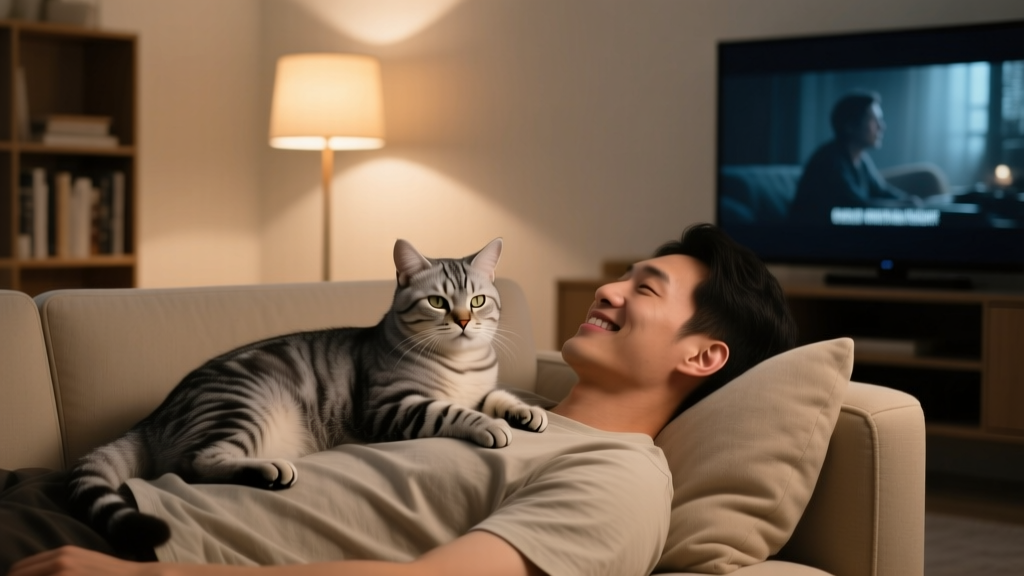
You finally settle in for movie night. Blanket pulled up, snacks within reach, the opening credits roll… and then your cat appears like a tiny, confident bouncer. Before you can even pick a streaming option, they climb onto your torso, turn around three times, and plop down squarely on your chest—purring like they own the place. Your arms are pinned. Your breathing is slightly “enhanced.” The remote is now out of reach. And somehow, you’re still thinking, This is the sweetest thing ever.
If you’ve ever wondered why your cat chooses your chest—not your lap, not the couch cushion, not the cat bed you bought with optimism—this behavior has a lot going on beneath the fluff. It’s part biology, part psychology, and part “I like you, human, and also you’re warm.”
1) The scientific (and evolutionary) reasons cats do this
Cats are small predators with big survival instincts. Even in a living room, their brains still run ancient software designed for safety, warmth, and social strategy. Sitting on your chest hits several feline priorities at once:
- Heat-seeking behavior: Cats love warmth. Your chest is a cozy radiator with bonus insulation (blankets) and steady heat output.
- Safety and vantage point: In the wild, resting somewhere elevated or protected reduces risk. On your chest, your cat is off the floor (where “threats” like vacuum cleaners and suspicious shadows live) and can scan the room.
- Bonding through scent: Cats communicate heavily via scent. When they sit on you, they pick up your smell and leave a bit of theirs—subtle, normal, and very “you’re part of my group.”
- Social contact on their terms: Cats are not typically “pack animals” like dogs, but many form strong social bonds and enjoy contact—especially when they can control the interaction. Sitting on your chest is intimate, but also allows them to hop off instantly if needed.
- Rhythm and regulation: Your breathing and heartbeat can be soothing. Some cats seem genuinely comforted by the steady thump-thump and rise-and-fall, especially at night.
In short: your chest is warm, stable, smells familiar, and comes with built-in calming background music.
2) A detailed breakdown: different “movie night chest sit” contexts
Not all chest sits mean the same thing. The context matters—what your cat’s body is doing, how long they stay, and what else is happening in the environment.
The “purring paperweight”
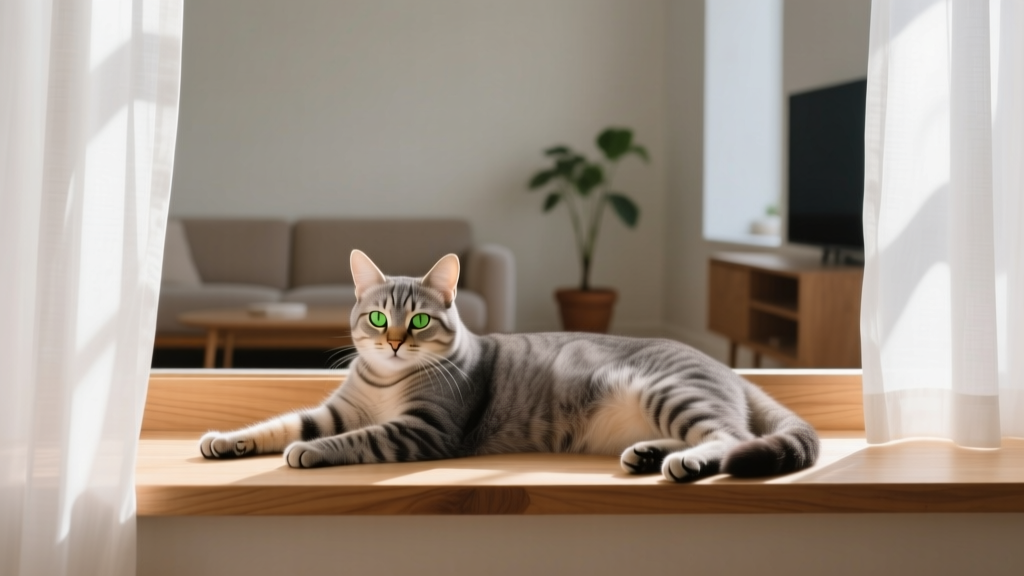
Your cat climbs up, kneads once or twice, then melts into a loaf with a deep purr. This is classic comfort-seeking. Many cats choose the chest over the lap because the chest is higher and closer to your face—more “together” without requiring constant petting.
The “face inspector”
Some cats sit high on your sternum and lean toward your chin as if they’re checking your breath, your snack choices, and your overall life decisions. This can be a social check-in: they’re gathering scent information and looking for attention. If they slow blink, head-butt, or rub their cheek on you, they’re also doing friendly scent marking.
The “tiny security guard”
If your cat sits upright—ears swiveling, eyes tracking every sound—they may be using you as a safe base while keeping watch. This often shows up when there are changes in the home: a new roommate, outdoor construction noises, guests, or even a thunderstorm in the distance.
The “blanket burrito conqueror”
When you’re under a blanket, your cat may see a perfect heat trap. They’ll march onto your chest because it’s the warmest peak of the landscape. Some cats even prefer the chest because the blanket “tent” around your torso holds warmth better than your legs.
The “I missed you” reunion sit
After you’ve been out all day, your cat may choose your chest during quiet time. This can be part affection and part re-anchoring: “You’re back. We are together again. Stay.” These cats often purr, drool a little, or knead like they’re trying to knead you into the couch.
3) What it means about your cat’s mood and feelings
Chest sitting often signals positive social feelings, but you’ll get the clearest message by reading body language.
- Relaxed and affectionate: Soft eyes, slow blinks, loose body, paws tucked, gentle purr. Your cat feels safe and content.
- Seeking reassurance: Slightly tense body, frequent scanning, ears rotating, staying close to your face. They’re comforted by your presence.
- Attention-seeking: Meows, face boops, paw taps, gentle bites, or sitting directly on your collarbone like they’re trying to block your view of the screen. They want interaction—petting, play, or your full focus.
- Possessive (but not necessarily “mean”): If your cat plants themselves on your chest whenever a partner sits next to you, they might be competing for prime real estate and attention. This can be normal, but watch for tension with other pets or people.
- Overstimulated or conflicted: Tail flicking, skin twitching, sudden swats when touched, growling. This isn’t “cuddly time”—it’s “I want to be here, but don’t touch me right now.”
A helpful rule: purring isn’t always pure happiness. Cats can purr when stressed or unwell too. That’s why the rest of the body language matters.
4) Related behaviors you might also notice
Chest sitting often comes bundled with other classic “my human is my favorite furniture” behaviors:
- Kneading (“making biscuits”): A comfort behavior linked to kittenhood. Some adults knead when they’re especially relaxed or seeking soothing.
- Head bunting and cheek rubbing: Friendly scent marking using facial glands; a social “you’re mine (in a nice way).”
- Following you from room to room: Many cats enjoy proximity without constant touch—like quiet companionship with excellent stalking skills.
- Sleeping on your clothes or pillow: Your scent is calming, and these spots often hold heat.
- Blocking your phone/book/laptop: Sometimes it’s attention; sometimes it’s warmth; sometimes it’s a firm opinion about your priorities.
5) When chest sitting is normal… and when it might be a concern
For most cats, sitting on your chest is perfectly normal and a sign of comfort. But there are a few situations where it’s worth paying closer attention.
Usually normal
- Your cat is relaxed, purring, and easily settles.
- The behavior happens during predictable calm times (bedtime, TV time).
- They hop off calmly when you shift positions.
- Their appetite, litter box habits, and energy levels are normal.
Potential concern
- Sudden clinginess: If your normally independent cat becomes intensely attached, sits on your chest constantly, or seems unable to settle elsewhere, it could signal stress—or illness.
- New behavior plus other symptoms: Weight loss, hiding, vocalizing more, changes in thirst, vomiting, or litter box changes warrant a vet check.
- Breathing issues: If your cat sits on your chest and you notice their breathing is rapid or labored, see a vet promptly.
- Aggression or guarding: If your cat growls or swats when anyone approaches you, or if tension escalates with other pets, a behavior plan may be needed.
If you’re ever unsure, a video of the behavior can be incredibly helpful for your veterinarian or a qualified cat behavior consultant.
6) Tips for responding to (or encouraging) the behavior
If you love the chest cuddles, you can absolutely encourage them—without accidentally training your cat to body-slam you at the worst possible moment.
- Reward calm settling: Softly pet only when your cat is relaxed. You can offer a small treat after they lie down calmly (not while they’re climbing across your face like a mountaineer).
- Create a “nearby” option: Place a cozy blanket or heated cat pad beside you on the couch. Many cats will alternate between your chest and the adjacent warm spot.
- Use consent-based petting: Pet briefly, then pause. If your cat leans in or purrs and stays loose, continue. If the tail starts flicking or the body stiffens, reduce touch.
- If you need space, redirect kindly: Gently lift your cat and place them next to you, then offer a treat or toy there. Avoid pushing them off abruptly—cats remember injustice.
- Support your breathing: If the pressure is uncomfortable, shift them slightly lower onto your abdomen or invite them to curl against your side.
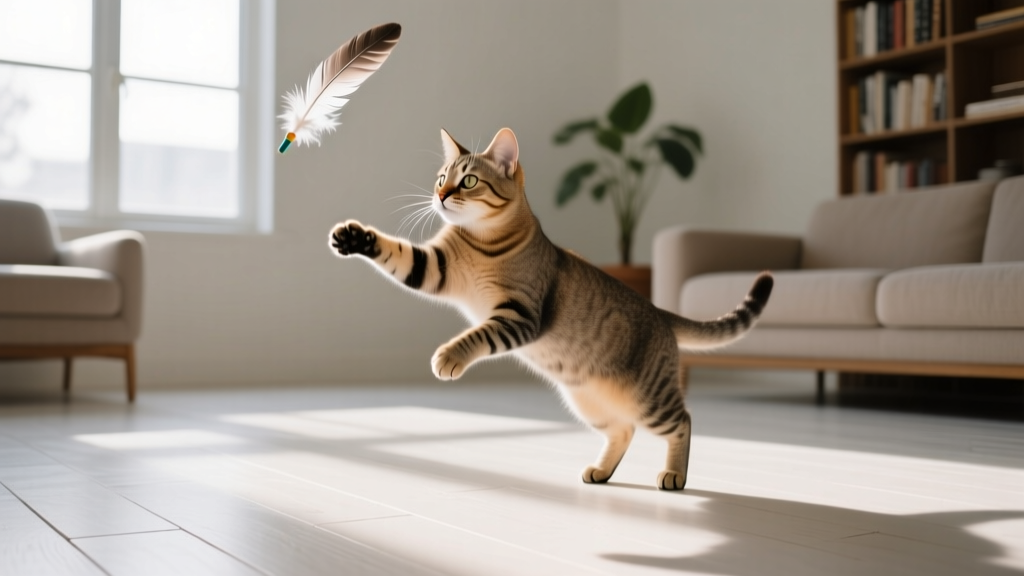
- For persistent attention demands: Add a short play session before the movie. A wand toy “hunt” followed by a snack mimics the natural hunt-eat-groom-sleep cycle.
Good news: you don’t have to choose between bonding and boundaries. Cats do well with gentle consistency.
7) Fun facts and research-y nuggets
- Cats are heat connoisseurs: Many cats prefer ambient temperatures warmer than humans do, which is why your body heat is so attractive during downtime.
- Purring may be self-soothing: Purring occurs in multiple contexts, including relaxation and stress. Some researchers suggest it may help cats regulate emotions and possibly even support healing—one reason a purring cat on your chest can feel like a tiny therapist.
- Scent is social media for cats: Cats rely heavily on scent to define “safe” and “familiar.” Close contact helps maintain that shared group scent—especially in multi-cat homes.
- Your heartbeat is a cue: Kittens grow up with the vibration and warmth of a mother and littermates. Your chest offers a familiar rhythmic sensation that can be comforting well into adulthood.
8) FAQ: Common questions about cats sitting on your chest
Is my cat trying to dominate me by sitting on my chest?
Usually, no. In most homes, this is about warmth, comfort, and closeness. If the behavior comes with guarding (swatting others away, growling, stiff posture), it may be more about resource control—your attention and space—than “dominance.”
Why does my cat sit on my chest and stare at me?
Staring can mean curiosity, affection, or an attempt to communicate. If the eyes are soft and your cat slow-blinks, it’s friendly. If the stare is intense with a stiff body, they may be overstimulated or asking for something (food, play, or “stop moving so much”).
Why does my cat do this only at night or during movies?
Those are predictable quiet times when you’re still, warm, and available. Cats love routines. If chest sitting reliably earns calm petting, it becomes part of your shared ritual.
My cat purrs on my chest but then bites me—why?
This is often overstimulation (too much petting), excitement, or mixed feelings: they want closeness but not constant touch. Try shorter petting sessions with pauses, and watch for early signs like tail flicks, skin twitching, or ears turning sideways.
Should I let my cat sit on my chest if I have allergies or asthma?
That depends on your symptoms. If it worsens breathing, redirect your cat to a nearby bed and consider strategies like an air purifier, regular grooming, and keeping blankets washed. Your comfort matters too.
Why does my cat choose my chest instead of my partner’s?
It can come down to scent preference, body heat, who’s calmer, who moves less, or who has a history of rewarding the behavior. Cats are excellent statisticians: they repeat what works.
When your cat parks themselves on your chest during movie night, it’s usually a sincere compliment in feline language: “This is my safe place.” With a little body-language reading and a few comfort-friendly boundaries, you can turn the chest-sit into a bonding ritual that works for both of you—remote access included (sometimes).
Does your cat become a purring paperweight the moment the TV turns on? Share your funniest (or sweetest) “movie night cuddle takeover” stories with the Cat Lovers Base community at catloversbase.com.