Why Cats Sit on the Hood of a Warm Car
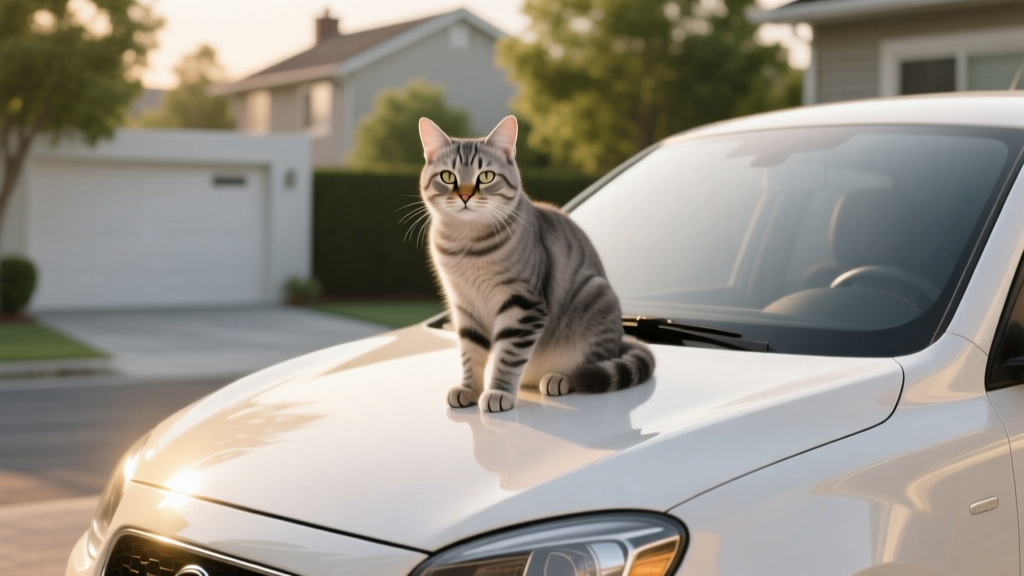
You walk out to the driveway with your keys, coffee in hand, already running through your day. And there it is: your cat—your sweet, mysterious little house tiger—lounging like royalty on the hood of your car. Maybe they’re loafed with paws tucked, eyes half-closed. Maybe they’re sprawled dramatically across the warm metal like they pay the insurance bill. When you approach, they blink slowly as if to say, “Oh, were you using this?”
If you’ve ever wondered why your cat chooses the car as their favorite outdoor lounge chair (and why it always seems to happen right when you need to leave), you’re not alone. This is one of those behaviors that feels quirky and hilarious… until you start worrying about safety, scratching, or what it “means.” The good news: it’s very normal cat behavior—and it’s also a neat window into feline instincts and comfort-seeking.
The scientific (and evolutionary) reasons cats love warm car hoods
Cats are heat seekers by design. Their ancestors evolved in environments where conserving energy mattered. Warmth is a free energy source: it helps muscles stay limber, supports digestion, and allows a cat to rest without burning as many calories to maintain body temperature. Even though your cat has a cozy bed inside, the outdoor world offers something special: sun-warmed surfaces and engine heat that radiate steadily for a while after a drive.
From a biology standpoint, cats also run “warm.” A typical feline body temperature is roughly 100.5–102.5°F (38–39.2°C). Many cats prefer ambient temperatures that feel a bit toasty to humans. So while you might think, “It’s pleasant outside,” your cat might be thinking, “This could be warmer.”
There’s also an evolutionary comfort in elevated, open vantage points. The hood of a car provides a slightly raised platform with a broad view—perfect for monitoring the neighborhood, watching birds, and keeping an eye on potential threats. Combine that with gentle warmth and you’ve basically made a luxury cat lounge out of a vehicle.
A detailed breakdown: different contexts, different motivations
Not every cat sits on a warm car hood for the exact same reason. Here are the most common “why’s,” based on real-life cat logic:
1) The car is a giant heating pad
After you park, the hood stays warm for a surprising amount of time. Many cats discover this quickly—especially in cooler months. If your cat is the type who steals your spot on the couch the second you stand up, the warm hood is the outdoor version of that habit.
2) A safe observation deck
Cats love being able to see without being seen. A hood offers a clear line of sight in multiple directions. If your cat tends to perch on window sills, the top of the sofa, or the highest cat tree shelf, they’re likely a “surveillance specialist.” The car hood just happens to be an excellent lookout post.
3) Marking and mixing scents
The hood of a car is a scent bulletin board. It holds traces of your household, the garage, the outdoors, and whatever your tires rolled past. Cats are obsessed with scent information—it’s how they map their world. Sitting (and sometimes rubbing) on the hood can be a subtle way of saying, “This is part of my territory too.”
4) Your cat is waiting for you (or guarding you)
Some cats learn patterns: the car means you leave, and your return means you come back. A cat who camps out on the hood may be anticipating your departure—or positioning themselves in your path for a bit of negotiation. (Cats are excellent negotiators. Their currency is cuteness.)
5) Social “hangout spot” behavior
If the driveway or garage is where you often chat, unload groceries, or potter around, your cat may associate the car area with you. They’re not always choosing the car so much as choosing the place where humans do interesting things.
What it says about your cat’s mood and feelings
A cat lounging on a warm hood is usually displaying a mix of comfort and confidence. Watch the body language for extra clues:
- Loose, stretched posture: Relaxed and content. This is “I feel safe here.”
- Loaf position (paws tucked): Cozy and conserving heat; often calm but alert enough to move if needed.
- Slow blinks: Trust and ease. If your cat slow-blinks at you from the hood, you’ve been emotionally approved.
- Ears forward or gently swiveling: Curious and monitoring the environment in a calm way.
- Tail wrapped or still: Settled. A twitchy tail can mean mild irritation—often “Please don’t move me.”
- Sudden stiffening when you approach: They might be guarding the spot, uncertain, or simply startled.
In short: most hood-sitters are saying, “This feels good, I’m comfortable, and I like knowing what’s going on.”
Related behaviors you might also notice
If your cat loves warm car hoods, you may also see these classic heat-and-territory behaviors:
- Sunbeam chasing: Moving from patch to patch of sunlight like a tiny solar panel.
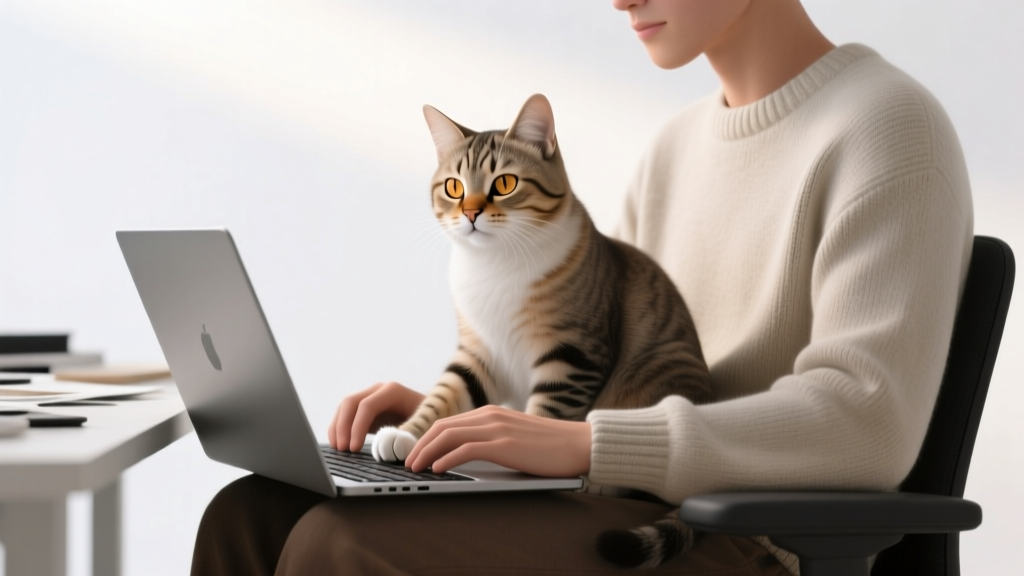
- Sleeping on laptops, routers, or game consoles: Warmth plus your attention equals irresistible.
- Snuggling into fresh laundry: It’s warm, soft, and smells like you—cat nirvana.
- Rolling on the driveway or concrete: A combination of scent marking, cooling/temperature play, and comfort.
- Rubbing cheeks on corners or car tires: Facial pheromones = “This belongs in my world.”
- Hanging out near the garage door: That’s where exciting comings-and-goings happen.
When it’s normal… and when it might be a concern
Most of the time, this behavior is harmless and very typical. But a few situations deserve extra attention:
Normal and common
- Cooler weather and your car has been recently driven.
- Your cat is generally confident outdoors and returns home reliably.
- They hop down easily when called or approached (even if they grumble about it).
Potential concerns
- Safety risks with moving vehicles: A cat can slip under the car, climb into the wheel well, or dash unpredictably as you start the engine. This is the biggest concern.
- Scratching or scent marking escalation: Some cats will knead or scratch the hood (especially if it’s dusty or textured). This can become a habit.
- Heat extremes: In very hot weather, metal surfaces can become dangerously hot and risk paw pad burns or overheating.
- Sudden new behavior: If your cat never cared about warmth before and suddenly seeks hot surfaces constantly, it’s worth checking with your vet. Increased heat-seeking can sometimes be associated with discomfort, stress, or age-related changes.
- Stray/feral cats on your hood: They may be looking for warmth and safety—but it could signal a cat population issue in the area, plus potential conflicts with your resident cat.
Tips for responding to (or gently discouraging) hood lounging
You don’t have to “correct” your cat for being a cat. You can make the behavior safer and redirect it when needed.
If you don’t mind it (and want to make it safer)
- Create an even better warm spot: A heated cat bed indoors, a self-warming mat, or a sunny window perch can outcompete the hood.
- Teach a reliable recall cue: Practice calling your cat for treats away from the car area. Keep it fun, quick, and rewarding.
- Check before you start the car: Do a quick visual scan, tap the hood, and look near the wheels—especially in colder months.
If you need to discourage it (without drama)
- Offer a “yes” instead of only a “no”: Set up a cat tree near a window, a sheltered outdoor catio perch, or a bench with a warm pad.
- Make the hood less appealing: Parking in a garage, using a car cover, or simply waiting a bit after driving (so it cools) can reduce the reward value.
- Avoid punishment: Spraying water or yelling can make your cat wary of you and may increase sneaky behavior. Cats respond better to environment changes than to scolding.
Think of it like this: your cat is following comfort and instinct. If you adjust the environment, the behavior often shifts naturally.
Fun facts and research-flavored tidbits
- Cats have a “thermoneutral zone” that’s warmer than ours: Many cats are most comfortable at temperatures that feel tropical to humans. This is part of why they hunt warm spots so relentlessly.
- Heat equals energy savings: Resting on a warm surface helps a cat conserve calories—an ancient survival strategy that shows up today as “why are you sleeping on my laptop?”
- Scent is social media for cats: The car hood collects and broadcasts odors from the environment. By lying there (and sometimes rubbing), a cat is essentially “updating their feed” and adding their own signature.
- Warmth can amplify relaxation signals: You’ll often see more slow blinking, kneading, and loose postures when cats are comfortably warm.
FAQ: Common questions about cats sitting on warm cars
Why does my cat sit on the hood right when I need to leave?
Cats are excellent routine-spotters. Your pre-departure cues (keys, shoes, bag) can predict “human is leaving,” and your cat may be seeking attention, trying to slow the process, or simply taking advantage of the fresh warmth from your last drive.
Is it dangerous for my cat to be on or near the car?
It can be. The biggest risks are your cat jumping down in front of the car, hiding near the wheels, or getting under the vehicle. Always do a quick check and tap the hood before starting, especially in cool weather.
Will my cat scratch the hood?
Some cats knead or lightly scratch warm surfaces, especially if there’s dust or an interesting texture. If scratching is a concern, provide approved scratching posts near exit routes and consider a car cover or parking in a garage.
Why do neighborhood cats sit on my car too?
Your car may be a warm, elevated, scent-rich resting spot—exactly what outdoor cats look for. If it’s happening often, consider motion-activated deterrents for your driveway area (aimed away from stress for your own pets) or reducing access by parking indoors.
My cat suddenly seeks warm places constantly—should I worry?
Occasional heat-seeking is normal. But a noticeable increase—especially alongside changes in appetite, drinking, weight, grooming, or activity—deserves a veterinary check. Older cats may also seek warmth more due to stiffness or arthritis.
How can I give my cat a safer alternative?
Try a heated cat bed (low, pet-safe heat), a sunny window perch, or a sheltered catio seat. Place it where your cat already likes to hang out—cats adopt “better options” fastest when they’re in the right location.
Cats sit on warm car hoods for the same reason they steal your seat, nap in sunbeams, and melt into any patch of heat they can find: warmth feels good, it’s efficient, and it comes with a nice view and interesting scents. Once you see the behavior through your cat’s eyes—comfort-seeking, territory-curating, routine-reading—it becomes less “weird” and more “very cat.”
Does your cat have a favorite “ridiculous” lounging spot—car hood, mailbox, stroller, grill cover? Share your story (and your best “I was definitely using that” cat moment) with the Cat Lovers Base community at catloversbase.com.