Why Cats Sit on the Fireplace Hearth
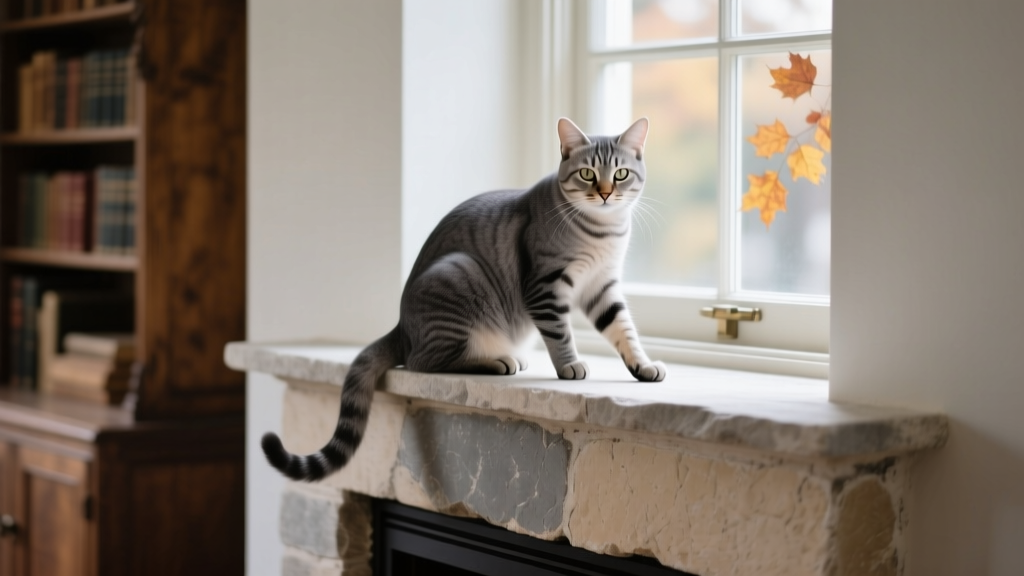
You light a fire on a chilly evening, settle in with a blanket, and before you’ve even found the coziest spot on the couch, your cat has already claimed the fireplace hearth like it’s a private heated throne. Maybe they curl up like a cinnamon roll on the stone. Maybe they sprawl dramatically, belly up, toes splayed, soaking in the warmth. Or maybe—if the fireplace isn’t even on—they still sit there, staring into the dark opening as if they’re waiting for a tiny woodland creature to wander out.
If you’ve ever wondered, “Why this spot? Why every time?” you’re in excellent company. The hearth is one of those classic cat magnets, and the reasons are a perfect mix of biology, instincts, and the cat’s uncanny talent for finding the one place in your house that feels like it was built specifically for them.
The science (and a little evolution) behind the hearth obsession
Cats are warmth-seekers by design. Domestic cats descended from desert-dwelling ancestors (think African wildcats), and their bodies still “prefer” a cozy climate. While humans often feel comfortable around 68–72°F (20–22°C), many cats gravitate toward warmer lounging temperatures—often closer to the mid-70s or even 80s°F (24–27°C) when given the choice. That’s why sunbeams, warm laundry, and laptop keyboards are such popular hangouts.
Heat has real biological advantages for a cat:
- Energy conservation: Staying warm reduces the energy needed to maintain body temperature. Less energy spent on heating the body means more energy saved for… important cat activities, like sprinting down the hallway at 2 a.m.
- Muscle comfort: Warmth helps muscles relax. Older cats or cats with mild arthritis often seek warm surfaces because it can ease stiffness.
- Safety and surveillance: A fireplace hearth is typically a slightly raised, solid platform. Height plus a clear view of the room equals a prime observation post, which appeals to a cat’s predator-and-prey brain.
Even when the fireplace is off, the hearth can hold residual heat (stone and brick are excellent at storing warmth). Plus, fireplaces tend to be in central, social areas—right where cats like to “be involved” without necessarily being touched.
Different contexts: what “hearth sitting” can look like (and why)
Not all fireplace lounging is the same. Here are the most common variations and what may be driving them.
1) The “toasted marshmallow” sprawl (fireplace is on)
This is the classic: your cat positions themselves at the exact distance where the heat feels perfect. Too close and it’s uncomfortably hot; too far and it’s not worth the trip. Cats are incredibly good at fine-tuning comfort—watch how they scoot a few inches forward or back like they’re calibrating a thermostat.
Why it happens: warmth + relaxation + the hearth’s firm, stable surface.
2) The “sphinx on duty” posture (fireplace is on or off)
Paws neatly tucked, eyes half-lidded but alert, your cat looks like they’re guarding an ancient temple. They may be calm, yet ready to pop up if someone enters the room.
Why it happens: The hearth offers a central vantage point. Cats often choose spots that let them monitor foot traffic, other pets, and interesting noises.
3) The “hypnotized by the void” stare (fireplace is off)
Some cats sit and stare into the fireplace opening as if it’s telling them secrets. This can look spooky, but it’s often simple curiosity. Fireplaces are full of interesting smells (soot, ash, old wood), faint drafts, and tiny sounds.
Why it happens: scent investigation + auditory curiosity. Cats are attuned to subtle airflow and noises you may not notice.
4) The “I own the living room” claim (especially when guests are over)
Your cat may choose the hearth when company arrives—right in the center of the action, but not in anyone’s lap. It’s a social compromise: close enough to observe, far enough to control the interaction.
Why it happens: cats like predictable control over proximity. The hearth creates a gentle boundary.
5) The “heat hog” move (multi-pet homes)
If you have more than one pet, the hearth can become premium real estate. One cat may guard it, or your pets may rotate turns like it’s a reservation-only spa.
Why it happens: warmth is a resource. Cats can become possessive of high-value spots, especially if they’re feeling insecure.
What your cat’s hearth habit says about their mood
Body language is everything. The hearth might be your cat’s relaxation zone—or a place they go when they’re unsure. Here’s a quick translation guide.
- Loose body, slow blinks, gentle tail: Your cat feels safe and content. The hearth is a “rest and digest” spot.
- Kneading on the hearth: Comfort and security. Kneading is a self-soothing behavior, often linked to kittenhood nursing comfort.
- Purring with soft eyes: Usually relaxation, though cats sometimes purr to self-calm. Context matters (are they also stiff, hiding, or not eating?).
- Ears swiveling, alert posture, tail tucked close: Your cat is monitoring something—could be playful curiosity or mild vigilance.
- Blocking other pets from approaching: Your cat may be resource-guarding the warm spot, especially if they’ve been stressed lately.
In most homes, hearth sitting translates to a simple message: “I’m comfortable here, and I like being part of the household activity on my terms.”
Related quirky behaviors you might notice
If your cat loves the hearth, you may also see these warmth-and-security classics:
- Sunbeam stalking: Moving from patch to patch as the sun shifts across the floor.
- Radiator hugging or vent camping: Especially in winter, cats become tiny heat-seeking missiles.
- Sleeping in sinks or bathtubs: Cool in summer, cozy in winter if warm air pools there. Also offers a “contained” feeling.
- Loafing on electronics: Modems, routers, game consoles—warm, steady heat plus a good vantage point.
- Curled up on shoes or near the entryway: Strong human scent can be comforting, and entryways often have interesting airflow and smells.
When sitting on the hearth is normal… and when it might be a concern
In most cases, hearth lounging is completely normal. Still, there are a few situations where it deserves a closer look.
Normal (and adorable)
- Your cat chooses the hearth primarily when it’s cold or when the fire is on.
- They rest calmly, respond normally to you, and maintain usual eating and litter box habits.
- They rotate between several favorite nap zones, with the hearth being one of them.
Potential concerns
- Safety risk with an active fire: If your cat gets too close, tries to step into ash, or shows fascination with flames, it’s time for prevention (more on that below).
- Sudden, intense heat-seeking: If your cat abruptly starts seeking warmth more than usual, it can sometimes signal illness, pain, or fever/chills. Pair it with other symptoms (hiding, reduced appetite, lethargy) and call your vet.
- Guarding and aggression around the hearth: If one cat starts swatting, blocking, or intimidating others, it may be resource stress. This is fixable, but it’s worth addressing early.
- Overheating risk: Panting, drooling, restlessness, or moving repeatedly without settling could mean they’re too hot.
If you’re ever unsure, take a short video of the behavior and note what else is changing (appetite, sleep, litter box use). Those details are incredibly helpful for a vet or behavior consultant.
How to respond (and how to encourage it safely)
If you like your cat’s hearth habit and want to keep it both cozy and safe, here are practical ways to support it.
Create a “cat-approved hearth zone”
- Add a designated cat mat or bed: A wool pad, a low-profile cat bed, or a folded blanket gives them traction and comfort on cold stone.
- Choose heat-safe materials: Avoid anything that could scorch or melt if the fireplace runs hot. If in doubt, place the bed farther back from the heat source.
- Offer an alternative warm spot nearby: A heated cat bed (pet-safe, low wattage) or a self-warming pad near the fireplace can reduce competition in multi-cat homes.
Fireplace safety basics for cat households
- Use a secure screen or glass door: This is the biggest safety upgrade. It prevents accidental contact with embers and reduces the chance of a curious paw getting too close.
- Never leave an open fire unattended: Cats are agile and unpredictable, even the ones who “never go that close.”
- Keep tools, lighters, and kindling inaccessible: Some cats will chew, paw, or knock things around.
- Clean ash only when fully cool: Ash can irritate paws and lungs. Also consider keeping the fireplace closed when not in use to reduce curiosity-driven exploration.
Reduce guarding and conflict
- Duplicate resources: More warm beds, more perches, more cozy zones. “One premium spot” can create unnecessary tension.
- Use vertical space: Add a cat tree or wall shelf near (but not too close to) the fireplace so multiple cats can share the area without crowding.
- Reward calm co-existence: Toss treats when both cats are relaxed near each other, not when one is posturing or blocking.
Fun facts and research tidbits about cats and warm places
- Cats are built for warmth: Their desert ancestry makes them more heat-tolerant than you might expect, and many prefer warmer resting temperatures than humans.
- Purring isn’t only “happy”: Cats can purr when content, but also when stressed or in pain. Hearth purring usually pairs with relaxed body language—soft eyes, loose limbs, gentle breathing.
- Warmth can be a pain-management strategy: Many owners of senior cats notice stronger heat-seeking behavior. Warm surfaces can feel soothing on stiff joints.
- The hearth is also a scent landmark: Fireplaces collect unique household smells over time. Cats navigate partly by scent “maps,” and the hearth can be a familiar, anchoring spot.
FAQ: Cats and fireplace hearth habits
Why does my cat sit on the hearth when the fireplace isn’t on?
It can still be warm (stone and brick hold heat), but it’s also a great observation perch in a central room. Plus, the fireplace has interesting scents and subtle drafts that cats find worth investigating.
Is it safe for my cat to be near an active fireplace?
It can be, with precautions. Use a sturdy screen or glass doors, keep your cat from getting close to open flames or embers, and never leave an open fire unattended. If your cat is very curious about the fire itself, create a cozy alternative warm spot a safer distance away.
My cat keeps trying to go inside the fireplace. What should I do?
Keep the fireplace closed when not in use, block access with doors or a fitted screen, and make the hearth area more appealing than the opening (a soft mat, a warm bed nearby). If the behavior is persistent, increase enrichment (play, puzzle feeders) so the fireplace isn’t the day’s main entertainment.
Do cats sit on the hearth because they’re cold?
Sometimes, yes—especially in winter or in cooler homes. But it’s not always about being cold; it can also be about comfort, security, and choosing a spot that feels calm and predictable.
Should I worry if my cat suddenly becomes obsessed with warm spots?
If it’s a noticeable change and it comes with other shifts—less appetite, hiding, lethargy, changes in grooming, or litter box changes—check with your vet. Increased heat-seeking can sometimes be linked to pain or illness, particularly in older cats.
How can I stop my cat from hogging the hearth from my other pets?
Add more warm lounging options, especially at different heights, and spread them around the room. Resource issues improve when there isn’t one “best seat in the house.” If there’s hissing or blocking, consider a behavior plan focused on reducing stress and increasing safe shared spaces.
Your cat on the hearth is one of those quietly perfect examples of feline logic: warmth, comfort, a great view, and the ability to be near you without surrendering personal space. It’s not random—it’s your cat being brilliantly cat.
Does your cat do something funny by the fireplace—guard it, knead on it, stare into it like it’s a portal to another dimension? Share your stories (and photos, if you’ve got them) with the Cat Lovers Base community at catloversbase.com.